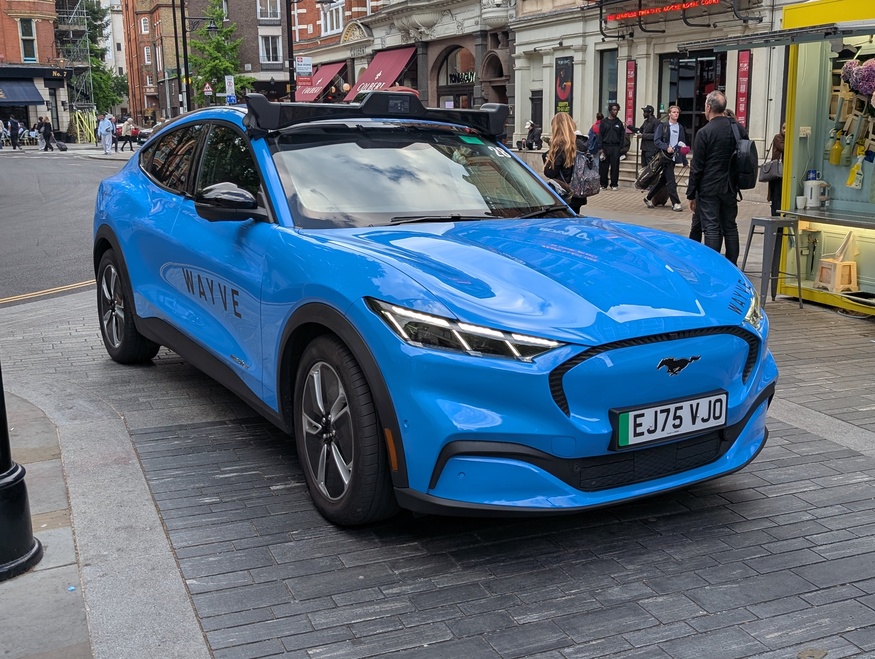
Driverless vehicles have existed in London in one form or other since the 1960s. But things are about to step up a few notches, as robotaxis become legal on the capital's streets. When exactly is this happening? Who are the companies behind them? And are London's crop of human taxi drivers quaking in their cabs?
What exactly is a driverless car?
There are six levels of automated car, level zero being fully dependent on a human driver, and the highest levels being where the tech is in control with very little (level four) or no need (level five) for human intervention.
Level four vehicles are already operating in some parts of the United States, but in the UK, we're not yet at level three. That's on the cusp of changing, thanks to the Automated Vehicles Act of 2024. Trials are already taking place across London, and in the second half of 2027, the Act will be fully implemented, meaning driverless taxis will be roaming the streets.
Which driverless cars are currently operating in London?
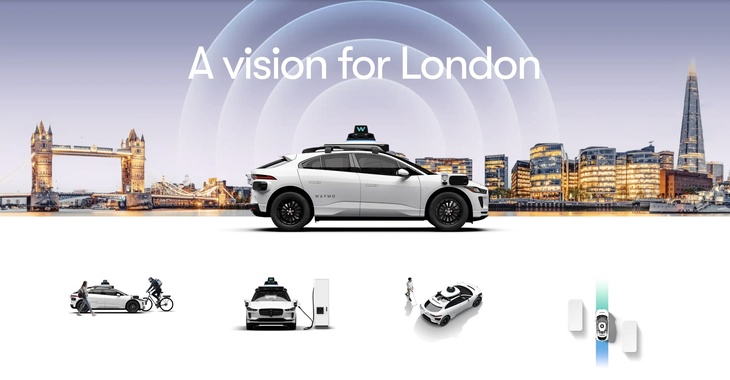
As of September 2026, it is possible for people in London to hail an autonomous taxi, although only a handful are operating. Elsewhere, big companies are busy continuing trialling them:
🚗 Wayve/Uber: British autonomous driving tech company Wayve is working in cahoots with American ride-hailing platform Uber, as they trial driverless taxis in London. Ultimately, writes Wired, Uber wants to be the 'Kleenex' of ride-hailing apps, that is, you'll be able to use the Uber app to book any number of driverless taxis, including the other two on this list. Of course, Uber is already flush with data on driving around places worldwide, which is extremely useful to autonomous car companies. September 2026 saw Wayve/Uber launch a small fleet of all-electric Ford Mustang Mach-E vehicles with autonomous capabilities in London. These can be booked by anyone in London via the Uber app. For the time being, every trip will be overseen by a TfL-licensed private hire driver, so it's not quite the full-fat experience, but it is the first proper opportunity for the average Londoner to ride in a robotaxi.
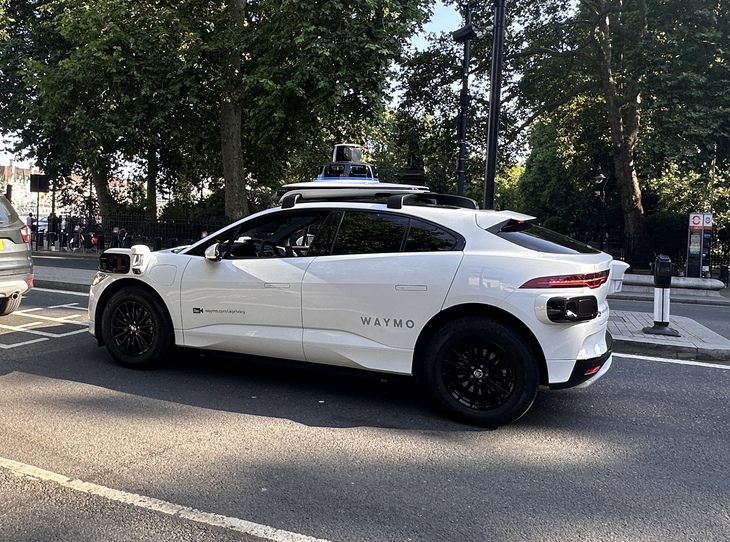
🚗 Waymo: This California-based company — a subsidiary of Google-owner Alphabet — is already operating driverless taxi services in select metropolitan areas in the States, as well as trialling driverless vehicles in London 24/7. It bills itself "The World’s Most Experienced Driver™", having covered some 200 million miles on public roads already. Apparently that's not enough miles for them to know not to wake up east London residents in the dead of night, or drive the wrong way down an underpass. Those interested in riding in a Waymo in London can now register their interest.
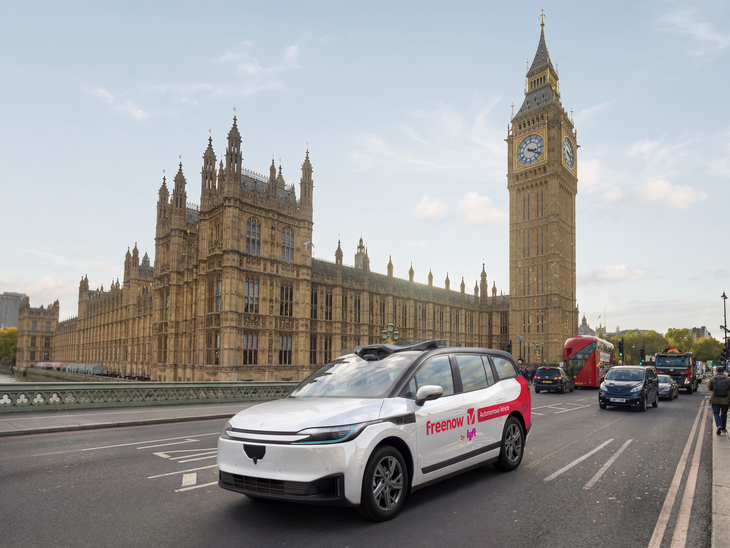
🚗 Baidu: Chinese company Baidu has paired up with US ride-hailing company Lyft to trail their Apollo Go driverless cars. They're a little behind the others, but as of July 2026, have commenced trials in London.
Other autonomous car trials have previously been hosted in London, including Nissan's ServCity project, running from 2020-23.
Does TfL support driverless cars?
TfL says its 'legal duties and responsibilities to keep London moving' means it welcomes CAV (Connected and Automated Vehicles) trials in London. These trials, says TfL, is helping it "understand the opportunities, risks and challenges they present." In short, it's given autonomous cars the green light.
And what do London's taxi drivers think?
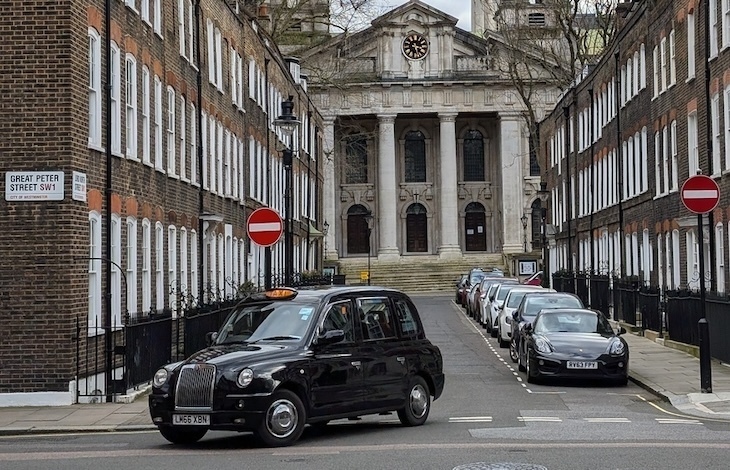
London's black cab drivers have had a lot to contest with recently, one report predicting they could be extinct within 20 years. But if you're to believe general secretary of the Licensed Taxi Drivers' Association, Steven McNamara, the general feeling among cabbies about robotaxis is one of skepticism, rather than fear. He cites London's medieval road system, chock-a-block streets and blasé pedestrians as some of the reasons why a proper cabbie would do a better, and safer, job than an autonomous vehicle.
There is also the small matter of the Knowledge. "It's like comparing a hotdog vendor to Gordon Ramsay," one black cab driver told the American TV presenter Anderson Cooper.
As for Uber drivers: not long ago they were the threat; now they may fear their livelihoods are in the crosshairs — the very company they work for seemingly happy to phase them out. As human drivers become more of a specialist thing, the Knowledge could work against them. But for now at least, some passengers will prefer to stick with a human behind the wheel. Speaking of which...
Do Londoners actually want driverless cars?
"I think Londoners are going to love autonomous driving," says Wayve CEO Alex Kendall, which he would do. Driverless car companies are eager to point out the multifarious touted benefits, including 'enhanced safety' (one of the arguments is that technology can't get tired like a human). Detractors would say that driverless taxis are in fact less safe because, well, they don't have a driver — plus anyone who's faced an overheating laptop or gobbledegook-spouting ChatGPT knows technology can get tired.
Environmental sustainability is another key benefit, say the autonomous companies, although most of London's human-driven taxis are already electric or hybrid. As for accessibility: Gabriel Stewart writes in the Guardian that "this is an opportunity for disabled rights that is too great to be missed."
As far as we know, there won't be any cost difference between human-driven and autonomous taxis, although perhaps driverless companies will initially reduce fees to get passengers onside. Ultimately, the cost we have to pay could be much higher, should we find ourselves with tens of thousands of unemployed taxi drivers.
In direct answer to the question Do Londoners actually want driverless cars?: a survey commissioned by the London Assembly Transport Committee found that 42% of Londoners actively oppose the idea of driverless taxis. That's high, although some of that is probably a fear of the unknown, something that will dwindle over time. Meanwhile, Uber/Wayve say over 140,000 Londoners have already opted into accepting rides from Wayves.
Is London getting driverless buses too?
Driverless taxis are all well and good for those who have money/don't like talking to real cabbies. But how about forms of autonomous public transport in London? Might that be a thing?
Well, automated train technology has been in place in London since 1963, although the closest the city has come to implementing it is on the DLR, which is still overseen by train operators.
Recently, London Centric went for a spin in an Ohmio, a pint-sized self-driving bus-like thing, which has already seen action in Milton Keynes (see above). In this case, the Ohmio was being trialled to tackle the very specific problem of a knackered Hammersmith Bridge that can no longer cope with double-deckers. But while proponents of Ohmio and its ilk say this is the future of travel, it's improbable that self-driving London buses will be a widespread phenomenon anytime soon, the many obstacles ranging from limited seating capacity to trade unions.
If you want to ride in a fully automated vehicle in London right now, your best bet is still one of the pods at Heathrow Airport.