St Mary's in Paddington, famous for royal births and the discovery of penicillin, is to be rebuilt to towering new heights.
Founded in 1845, St Mary's has since built up piecemeal, to no masterplan, beside Paddington Basin. This ageing congeries is increasingly falling apart; a section of the hospital had to be closed recently upon the discovery of reinforced autoclaved aerated concrete (RAAC), which is prone to collapse; just one of its problems.
"Despite spending millions of pounds every year on maintenance, we can't keep up with the rate of deterioration," says Imperial College Healthcare, the Trust responsible for the site.
Solution: rebuild from scratch.
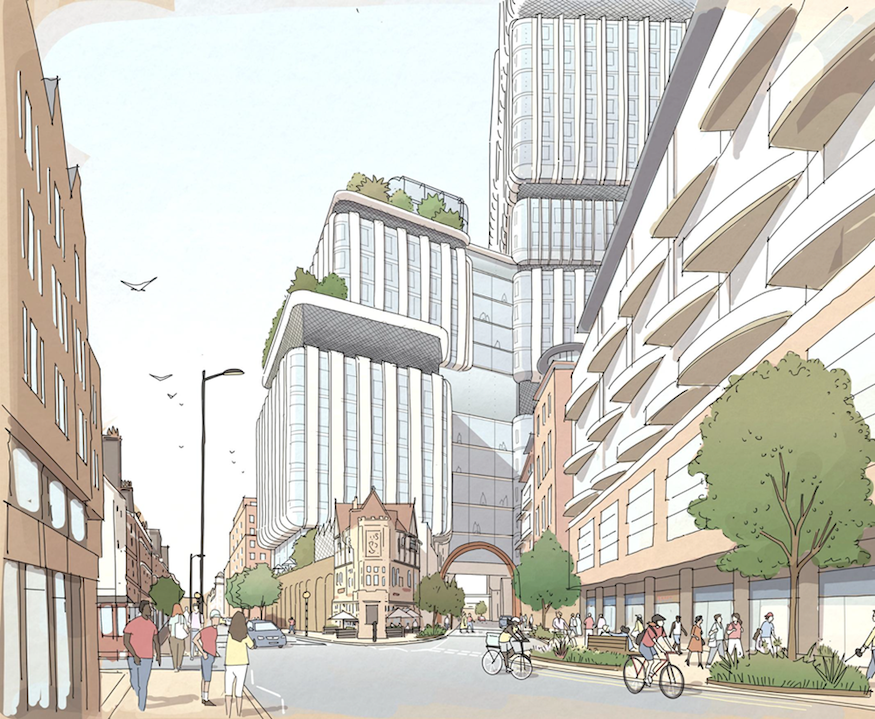
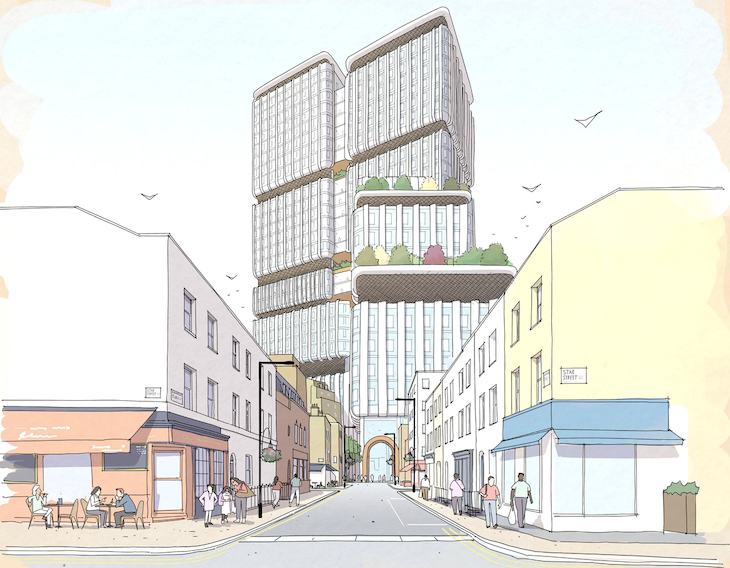
Plans have now been shared of how the Trust plans to erect an entirely new hospital on part of the site, which would consolidate departments into one mighty 30-storey tower. This would reach around 185 metres above ground level, easily taller than Guy's Hospital at London Bridge, and potentially the tallest hospital in the world.
Says the Trust:
The busiest and most urgent services will be on the lower floors, so they are the easiest to reach, while wards will be in quieter areas with more privacy and natural light. And outdoor and communal areas, such as roof gardens, are being integrated into the design to support patients, visitors and staff. There will also be a helipad, bringing St Mary's major trauma service into line with other services across the capital.
According to the Trust, construction of the tower would begin on a part of the site that can be freed up relatively easily. This would allow the existing facilities to continue until the tower was ready. After that, the rest of the site would be cleared to make way for new life-science facilities and public spaces. Already approved is the Fleming Centre, tasked with finding solutions to antimicrobial resistance.
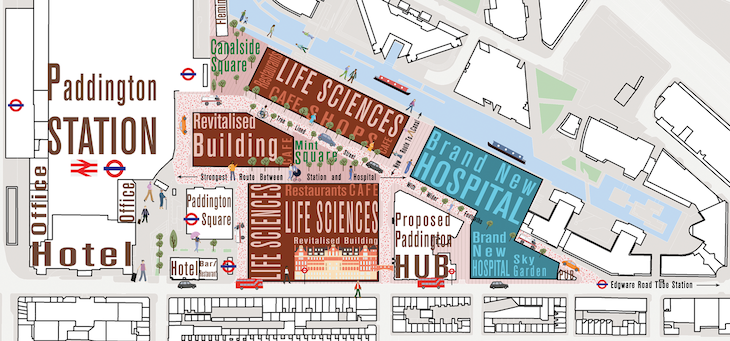
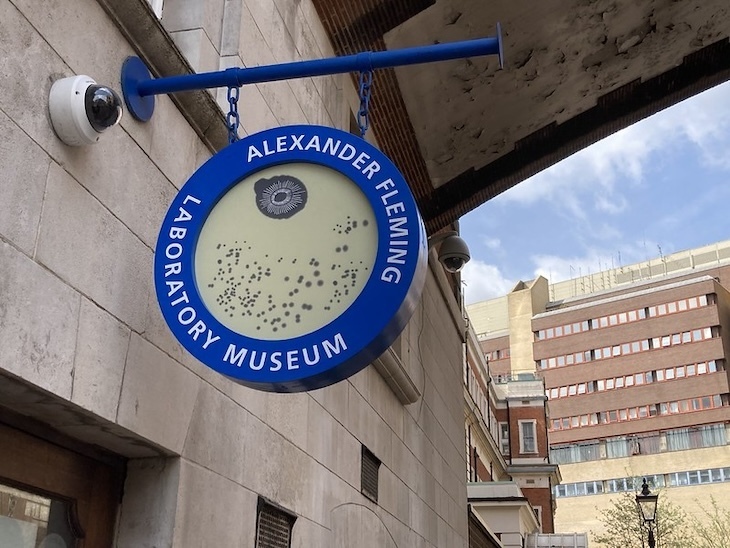
You may be wondering "What about the Alexander Fleming Museum?", which contains the preserved laboratory of the discoverer of penicillin. This is housed in the Clarence Building, a listed structure, which will be retained and upgraded as part of the scheme.
The plans would constitute a major change for the area, both at ground level and on the skyline. More importantly, the 800-bed hospital would bring modernised patient facilities with better integration between departments.
The scheme is funded by the Government's New Hospital Programme, and could be complete by 2035.
If you'd like to have your say on the plans, then an online consultation is running until 17 July, with various drop-in sessions also available.