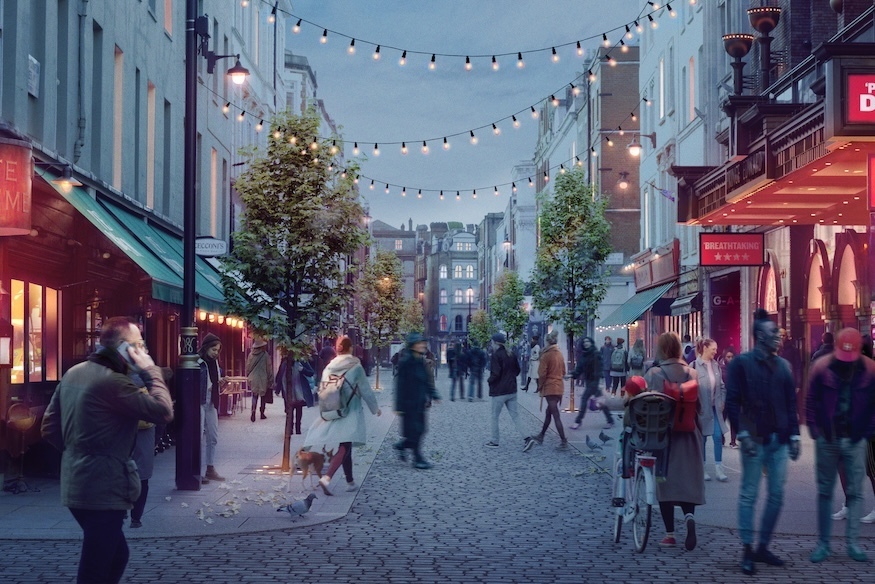
Could we see a traffic-free Old Compton Street? New plans would breathe life back into this legendary but declining part of Soho.
"Soho's not what it was. It's lost its soul." Generations of Londoners have been saying that since the 1970s. But Soho in the 2020s really does feel like a shadow of its former self. Licensing restrictions, soaring rents and alleged NIMBYism are gradually throttling the nightlife out of the place.
A pair of Soho-based architects think they can counter the decline by banning traffic, specifically on Old Compton Street. John Lacey of Doodle Architecture and Russell Potter of SODA-Studio have released their masterplan to rejuvenate the street, which has gradually lost its energy, nightlife and LGBT+ culture over recent years.
Their plans would see the street entirely given over to pedestrians, with al-fresco dining/drinking in the afternoon and evening. This is not an entirely radical plan. Old Compton Street functioned this way during the Covid recovery period, and proved very popular.
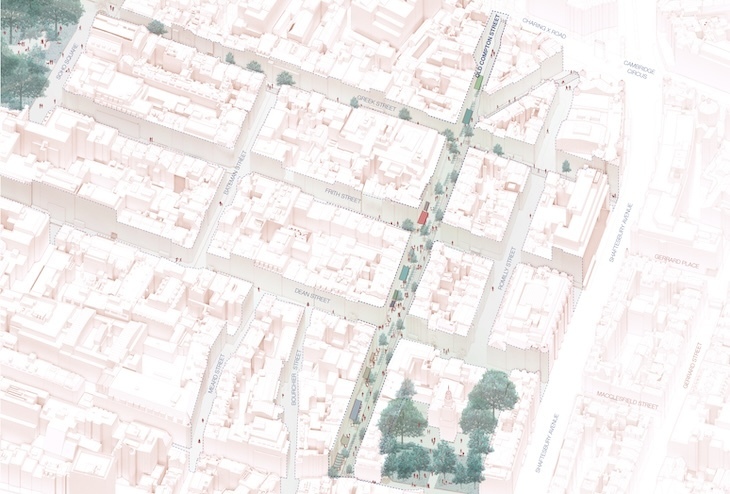
Such a plan would bring joy and human life back to the street, cut pollution, and provide a fillip for ailing businesses. Vehicles would still be allowed into the zone between 7am and 11am for deliveries, cleaning and refuse collection.
Elsewhere in Soho, the architects propose the introduction of shared surfaces, with low/flat kerbs to make things easier for wheelchair users and buggies.
The scheme is still in an early stage, and its status is somewhat murky. The authors reckon to have been "in consultation with" Westminster Council, but a council spokesperson denies this. Certainly, the plans do not yet have official backing or funding.
According to the press release, the next step is "to talk to residents, businesses and visitors to form the next stage of the process, ensuring the transformation reflects the needs and spirit of the entire community". The architects hope to submit a formal planning application in January 2026.
They've got a few celebrities on board, for what it's worth. Stephen Fry endorses the plans, saying: “London is at its best when it gives space to people, not cars. Soho is one of our most precious cultural quarters. It represents a haven for creativity, conviviality and community within central London. Pedestrianising its streets is not an indulgence but an investment in cleaner air, safer roads and a richer civic life. To walk freely through Soho is to experience the city as it was meant to be.”
The plans would align with initiatives elsewhere in London, including the Mayor's plans to trial al fresco dining in four areas of the capital, and, of course, the drive to stop driving on Oxford Street.
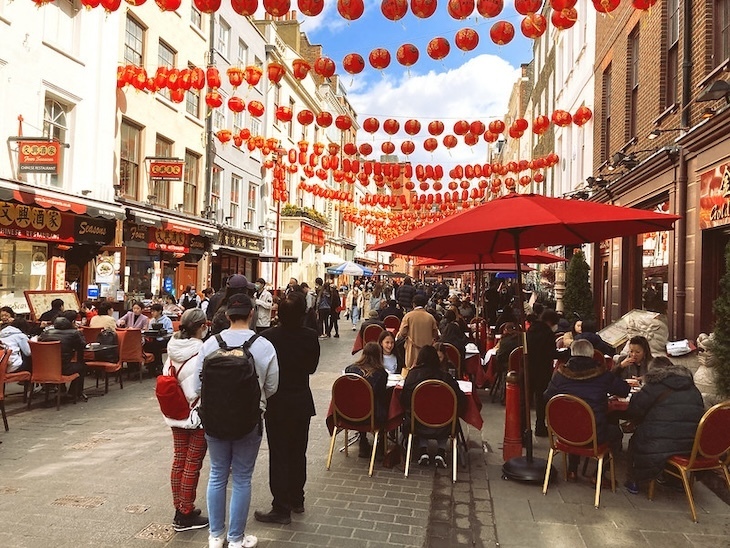
Nor would this be the first part of Soho to be pedestrianised. Carnaby Street and the adjacent 'Newburgh Quarter' have been car-free since the 70s, and throng with business. Gerrard Street and Chinatown have been without wheels for 40 years. More recently, the streets behind Piccadilly Circus were closed to traffic, allowing places like the Devonshire and Zedel to spill out onto the pavements (in the case of the Devonshire, it's become a phenomenon).
Those three areas are the liveliest in Soho. A traffic-calmed Old Compton Street, if done right, could rekindle that once-buzzing area in the same way.