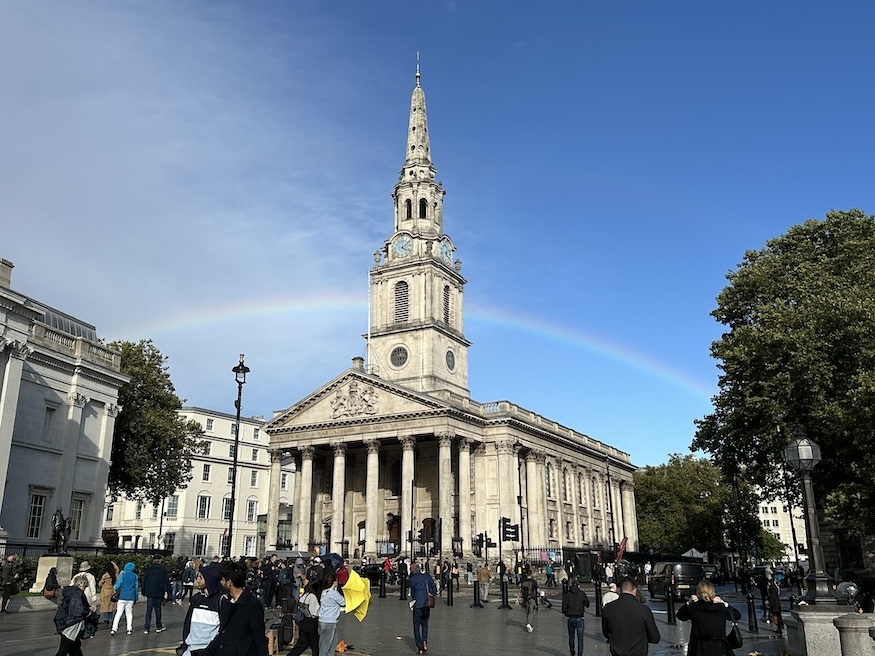
Happy 300th birthday to the Trafalgar Square landmark.
October 1726. Jonathan Swift publishes Gulliver's Travels, and Mary Toft of Godalming causes a sensation by giving birth to live rabbits (supposedly). Meanwhile, in London, a landmark church is dedicated to St Martin.
You'll know the church, which rises prominently over Trafalgar Square. You may very well have been inside. Its crypt, in particular, is popular with both tourists and Londoners as an unusual subterranean cafe.
Now, to celebrate the building's tercentenary, St Martin-in-the-Fields has opened a lovely little exhibition looking at the church's past.
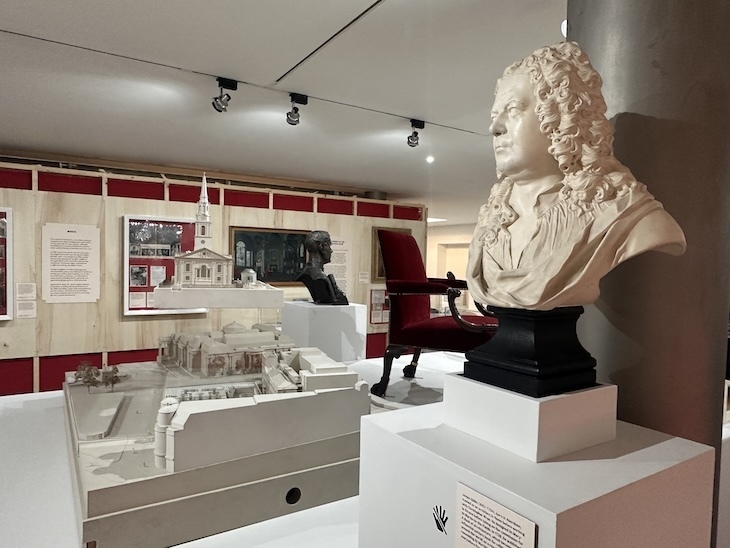
The current building was designed by James Gibbs, but it occupies the site of a medieval church, built at a time when it really did stand 'in the fields'. London had closed around it by the time Gibbs' church was erected, but the rural name remains today.
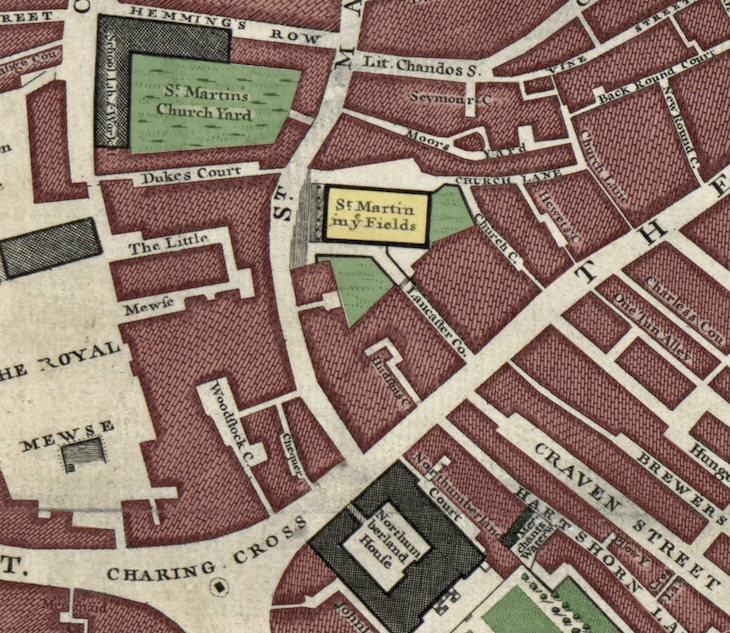
The exhibition tells the story of the church from its earliest times right up to its many diverse roles in today's London — from a place of worship, to a music venue, to a friendly place where Londoners come to hang out over a coffee.
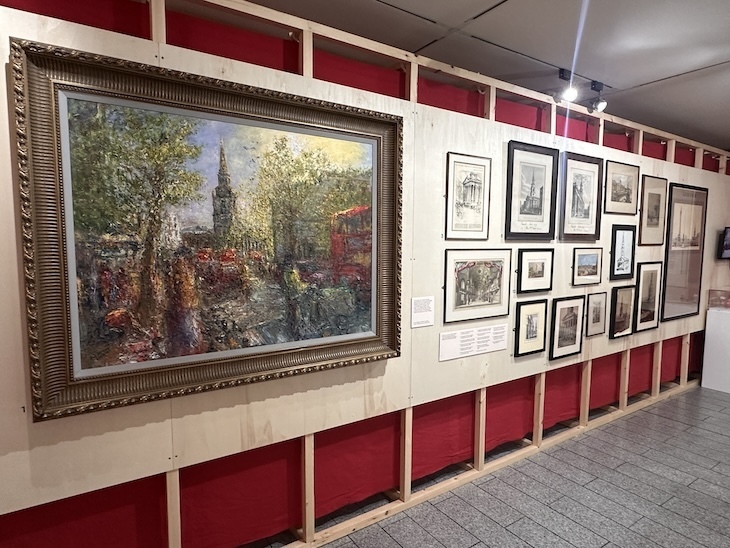
Objects on show include the original church key and door handle, mudlarked objects from the Thames, and a mighty model of the church and crypt used during a major restoration and expansion about 20 years ago.
The walls are lined with numerous paintings, sketches and newspaper clippings relating to the church's past.
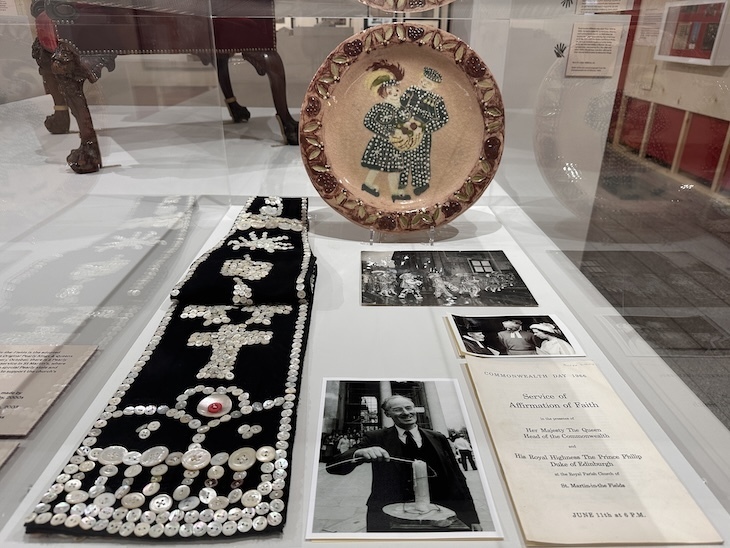
It's a small exhibition, but one that will quickly give you an overview of the building's fascinating history.
The church's archivists have certainly been busy. As well as preparing the exhibition, they've also been tracing the stories of the many parishioners commemorated on the crypt tombstones. The project has thrown up some remarkable stories.
Chief among them is William Fatt, chimney sweep to the King's palaces in the mid-18th century. New research has found that Fatt was one of the first Black people to vote in this country, when he made his mark for Viscount Trentham in a Westminster by-election.
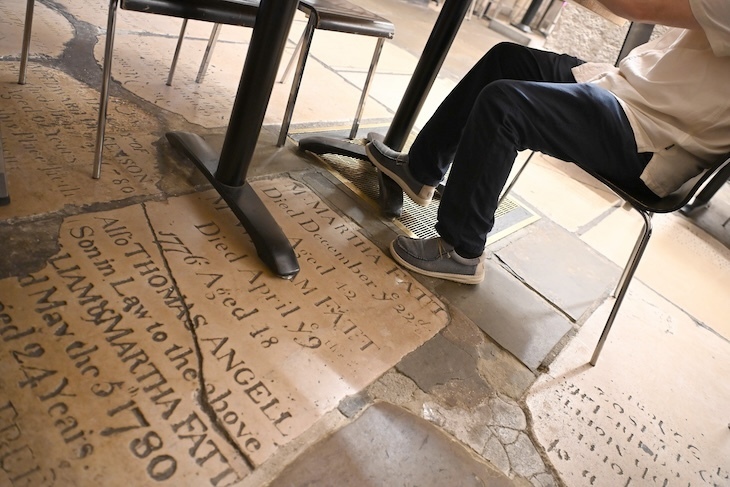
Fatt can now be recognised alongside John London, who voted in the same election. This, and other stories from the tombstones, can be explored on the church's website.
There were already many reasons to visit St Martin's, but this free exhibition and the anniversary are the pearly icing on the cake. Look out, too, for a series of events to mark the 300 years.
St Martin-in-the-Fields 300 can be viewed for free in the crypt until 15 November 2026.