It's a museum of two parts: stately home, and wartime espionage bunker.
London has a new museum and it's called 'Trent Park House of Secrets'.
If you're a jaded hack who's sifted through thousands of press releases over the years, you might suspect an element of spin and hyperbole in that enticing name. Not a bit of it. Trent Park was a hub of wartime secrets. It's the real deal.
You'll find it at the eastern end of Trent Country Park, that huge open space near Cockfosters station (also home to London's implausible candidate for Camelot). The museum is housed inside a 1920s mansion called Trent Park, which looks simply gorgeous on a sunny day:
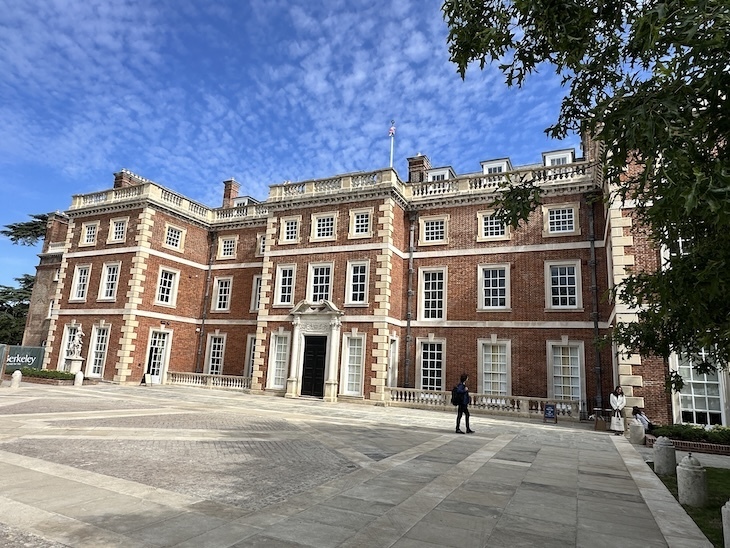
From 1923, this was home to the Sassoon family, most prominently Sir Philip Sassoon, who had the place dolled up like a Georgian stately home. Sassoon died in 1939, and his majestic pile was requisitioned by the government, who turned it to extraordinary purpose.
Trent Park became a home for dozens of high-ranking German prisoners of war. The men were treated well and some even had personal valets. It was a very agreeable place to see out the war years. What the pampered captives did not know was that every room in the building was festooned with microphones.
This was an intelligence farm. The captive officers were made to feel relaxed and at home, all the better to get their tongues wagging. Down in the basement, dozens of volunteer 'listeners' monitored every conversation, listening for morsels that might help the war effort.
This hidden history — long an Official Secret — is lavishly brought to life at the House of Secrets. We begin on the ground floor, where Sir Philip Sassoon's stately rooms have been recreated in all their mock-Georgian glory:
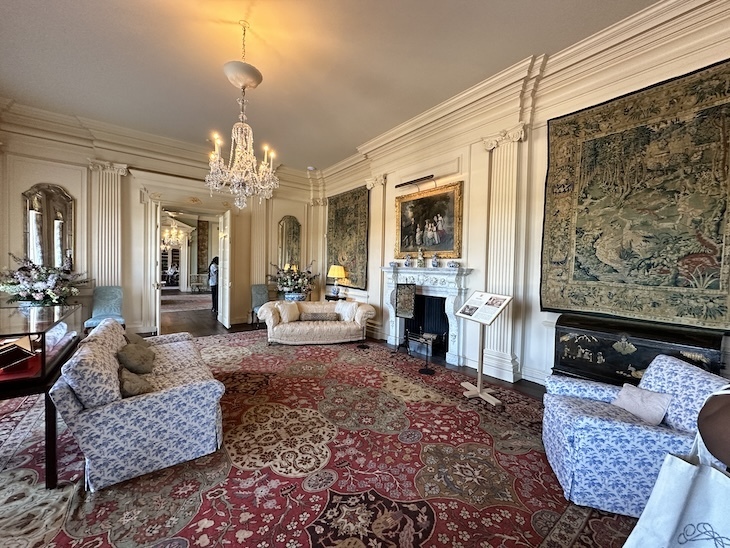
These rooms are gorgeous, of course, but nothing you can't see at 1,000 National Trust or English Heritage sites across the country. What comes next, though, is a unique contrast. Push through a secret door, and we're into a world of espionage...
You've heard of MI5 and MI6, but the intelligence services had (and have) many further branches. MI19 was concerned with extracting information from prisoners of war, and Trent Park was one of its key sites. An exhibition room on the ground floor shows off some of the kit that might have been used to eavesdrop on the prisoners. At its heart is an astounding model of the building; a doll's house of reconnaissance.
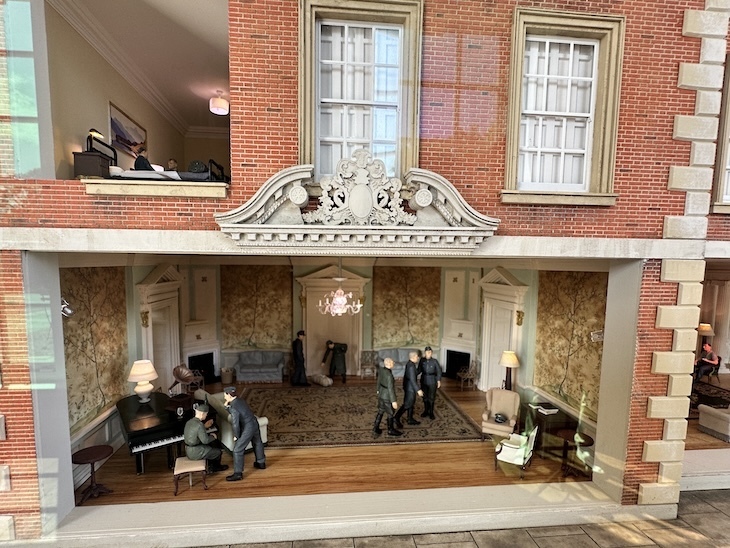
This shows us the German prisoners, going about their limited business on the various upper floors of the building. Unknown to them, the basement was stuffed with operatives and volunteers who were listening in on their every conversation. If you've been watching the excellent Apple TV show Star City, then you'll know the drill.
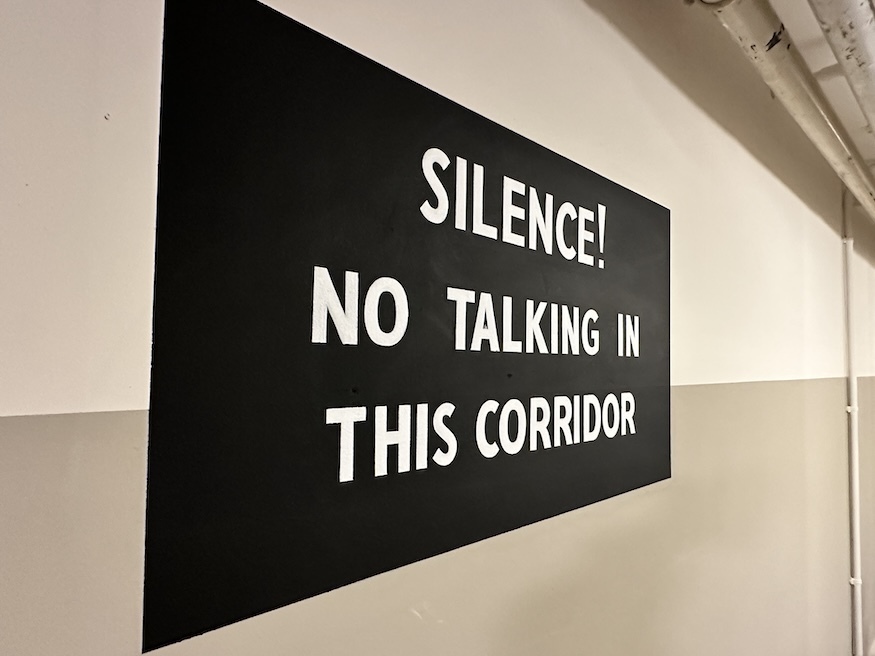
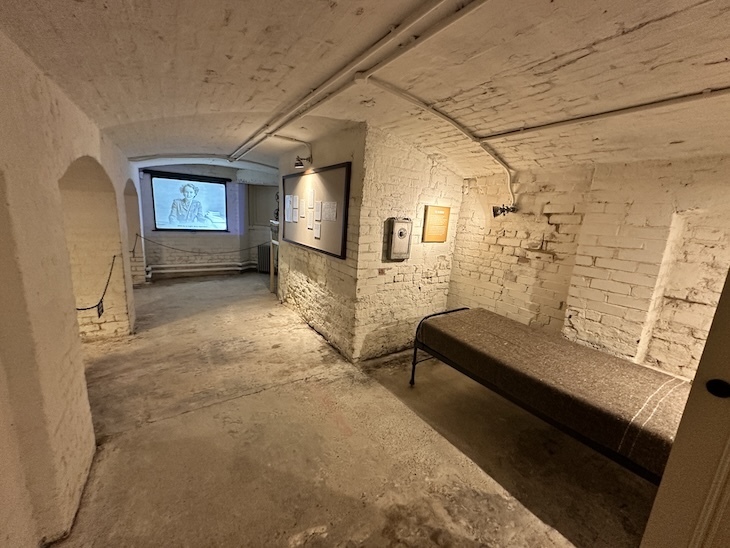
Then it's down into the basement to visit the rooms in which the eavesdropping happened. A bewildering series of chambers have been refitted to show the listening stations, supervisor's office and store rooms as they might have looked in the early 1940s. The low ceilings and austere wartime decor really do give the place some temporal gravitas.
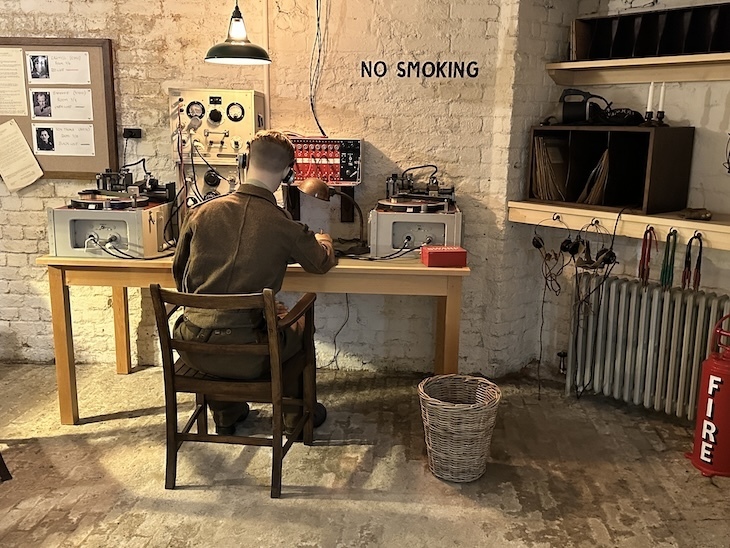
Did the listeners ever hear anything noteworthy from the captured generals and obersts? Oh yes. The Trent snoops were the first to hear rumours about Hitler's V2 rockets, which would bring a last wave of terror to London from 1944. The intelligence allowed the Allies to hit the rocket sites early, holding back the ballistic onslaught by almost a year. The listeners also overheard appalling details about the Nazi concentration camps, but sadly this information was not acted upon — and nor was it brought forward during the Nuremberg Trials after the war (supposedly because the listening technology was too valuable to reveal in open court).
Even the cafe is historic. Painted by Winston Churchill (a copy of his artwork hangs in the house), this was the reception room once used by Sassoon to greet the likes of Charlie Chaplin.
Trent Park House of Secrets has been many years in the making. The house served as a campus for Middlesex University for many years, until they withdrew in 2012. Since then, its fate has remained uncertain. Eventually, the site was picked up by Berkeley Homes who — thanks to a dogged campaign — agreed to turn part of the mansion into a museum.

The House of Secrets is an excellent and important addition to London's crop of war-focussed museums. For many, it'll be a trek to get to — a reasonable walk from either Oakwood or Cockfosters (the first is slightly shorter, but the latter is more scenic) — but it's worth the hike.
We're assured that the house is now free of bugs, but then they would say that, wouldn't they?
Trent Park House of Secrets is open now. Full adult price is £14, with various concessions available.