In an abridged extract from his latest book, Forgotten London, Peter Ackroyd writes of a post-war London brimming with martinis, chewing gum, flappers and thrills. Not to mention the occasional bump of coke.
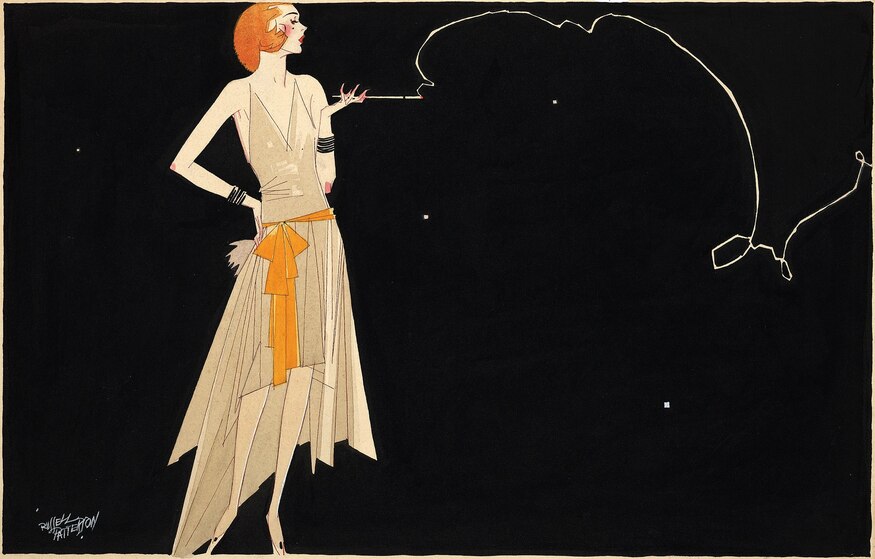
In recent years, at least since the beginning of the 1920s, there has been a general relaxation of mood, manifest in all walks of life. Some ascribe this to the gradual Americanization of London life with the increasing popularity of snack bars and supper stands, of electric night signs and even of popular songs. The boys in the street — who include Post Office messenger boys, Theatre Agency boys, shoeblacks and street orderly boys — whistle tunes from such favourites of the musical theatre as The Cabaret Girl and Chu Chin Chow; tunes, such as 'Shimmy With Me' and 'Desert Song', are popular. Chewing gum, sold on the streets, is everywhere. In a similar spirit, young women, accustomed to smoking in public spaces, have also learned to frequent public houses. They embody, perhaps, the audacity and vitality of this new era. Some people still sigh, however, for the old days of wartime, when there were always vacant seats on the trams or on the Underground railway, and when a fine meal and a bottle of wine cost less than £1. Nevertheless, most Londoners look forward to a world of peace and plenty where clothes and travel will be cheaper, where theatres and restaurants will once more be vibrant and where every house will have a separate bathroom.
The syncopated beat of a nightclub band and the rattle of a cocktail shaker are now the required music for the young females known as 'flappers'. In the Victorian period a flapper had been a child prostitute, but now it refers to the high-spirited young woman, of slim figure, who will just as easily sit on the pillion of a motorbike as on a bar-stool. For the first time in history young ladies aspire to a boyish figure, with straight waists, flat chests and slender thighs, hips and buttocks. Where corsets had once accentuated the bust, breasts are now flattened by tight bodices or brassieres. Waists have been eliminated, along with hips, by dresses that are straight, loose and cylindrical, or by baggy trousers. In donning trousers, some flappers seem to allude to the uniforms factory women had worn during the war; it may be a way of celebrating social and political change. They also use clothes to proclaim their pleasure in sex and fleshliness. Flapper dresses, often dipping low at the front and back, are sleeveless and short. Simplicity, lightness and comfort are the only standards of dress. The flappers also have their own slang. Older chaperones are called 'alarm clocks' or 'fire extinguishers'; terms of approval are 'the bee's knees' and the 'cat's meow' and, of disapproval 'Victorian', 'stuffy' and 'junk'. Boring men are 'pillow cases', while young men borrowed for the evening are 'umbrellas'. Young women eager for experience are 'biscuits', but if a girl steals a friend's partner she is a 'strike-breaker'.
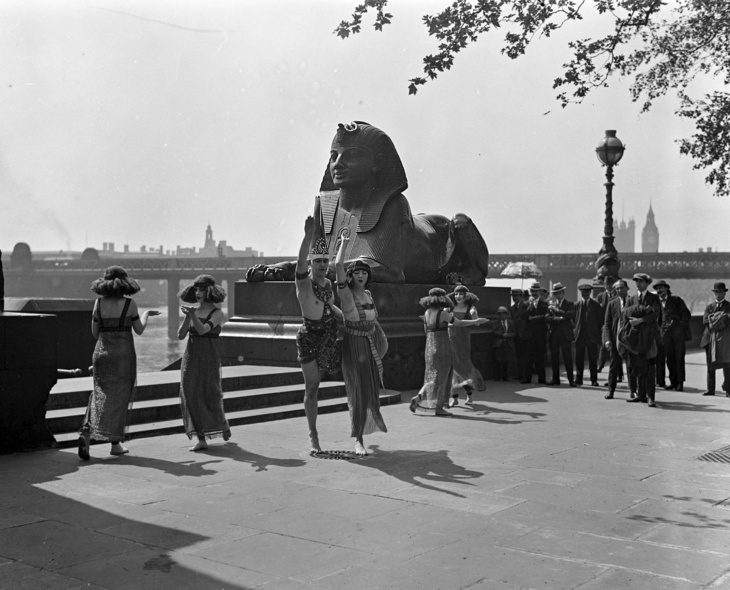
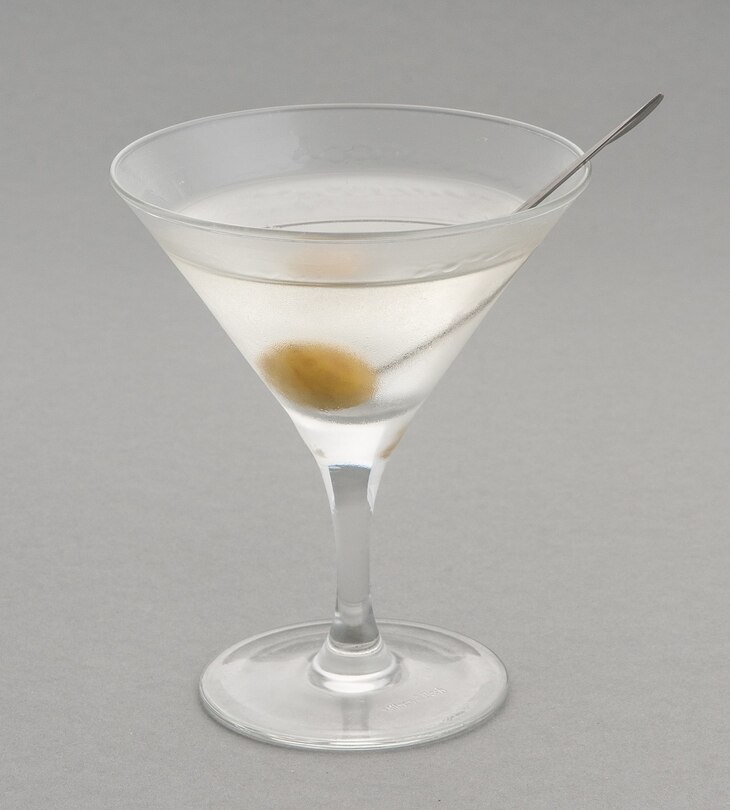
The bright young man also ridicules pre-war customs and manners. Beards, moustaches and pipes have been discarded. The new males favour clean-shaven faces and brush back their oiled hair. They wear wide trousers known as 'Oxford bags' and highnecked pullovers. They wear 'underpants' with elastic tops rather than the old style of long woollen drawers. They prefer soft colours, and are said to be the first men ever to don pink shirts. They have even taken to brown suede shoes. They wear attractive wristwatches and constantly consult them with a flourish of the forearm. This is now considered to be a sign of effeminacy, and an invert may be called 'terribly wristwatch' or accused of having a 'wristwatch accent'. The bowler hat is being threatened by the homburg (but surely the bowler will survive?) and the double-breasted jacket is being replaced by the single-breasted, but all else remains in place. Gin was until recently considered to be the drink of the lower classes but, mixed with vermouth, it has become acceptable in the highest circles. Martinis, Manhattans, Bronxes and White Ladies are in turn the cocktails of the moment. Jazz has also arrived from America.
It is a restless, almost fevered, music. Young people are perhaps too much disturbed by recent events to settle back into a former and more tranquil life. They crave novelty and excitement. 'Jazz' has become an adjective to describe bold clashes of colour or the loud energy of traffic. Anything alien or shocking can be 'jazz'. The fantastic music and dance of the newest jazzes have been introduced, and within a short time have become, in the phrase of the day, 'all the rage'. One tune bursts into life after another tune, and a whole medley of notes soar to merge into one. It is the melody of modern London.

One version of up-to-the-minute dance is known as the 'shimmy' or the 'shimmy-shake', and has become the latest craze. The passion for this form of recreation was powerfully stimulated by the psychological and emotional conditions generated by the war; dances of every kind have emerged, with columns of advertisements in the newspapers for tea dances, practice dances, subscription dances and Victory dances. Public dancing is also a frequent accompaniment to music in the London parks. In more intimate surroundings, the Savoy restaurant was the first to introduce dancing with meals, although many considered the practice to be bad for the digestion. The new entertainment of the cabaret has also emerged in the nightclubs; it consists of floor shows featuring music, dance and song, with the performers either on a small stage or moving between the tables.

Great Windmill Street has for long been known as a centre of all-night pleasure. Just off this street is the entrance to a little blind alley called Ham Yard, where you will find an open court ringing with music and song. The taxi-cabs climb up Windmill Street tooting and blaring, and deliver their passengers to the Pavilion Club, the Last Club and the Ham and Bone Club, as well as others. You can put your motorcar here for a few hours at the cost of a shilling or so. Hawkers sell matches and the roast chestnut men wheel up their barrows. The children gather outside these clubs, and call out for coppers with 'Throw out your mouldy!' or simply 'Thr-aoh!' and 'Mouldy!' When you leave these haunts, you will always see a crowd on the corner of Piccadilly staring at the advertising signs. Above the large cafés of the Circus, including the Royal, the Imperial and the Monico, are glittering images of a motorcar with silver wheels and of a red crystal bottle pouring port into a glass, of the bright stars of Hennessy brandy and of the baby who sucks a bottle of Nestlé's Milk. Fathers and mothers stand with their children, pointing out the pictures.
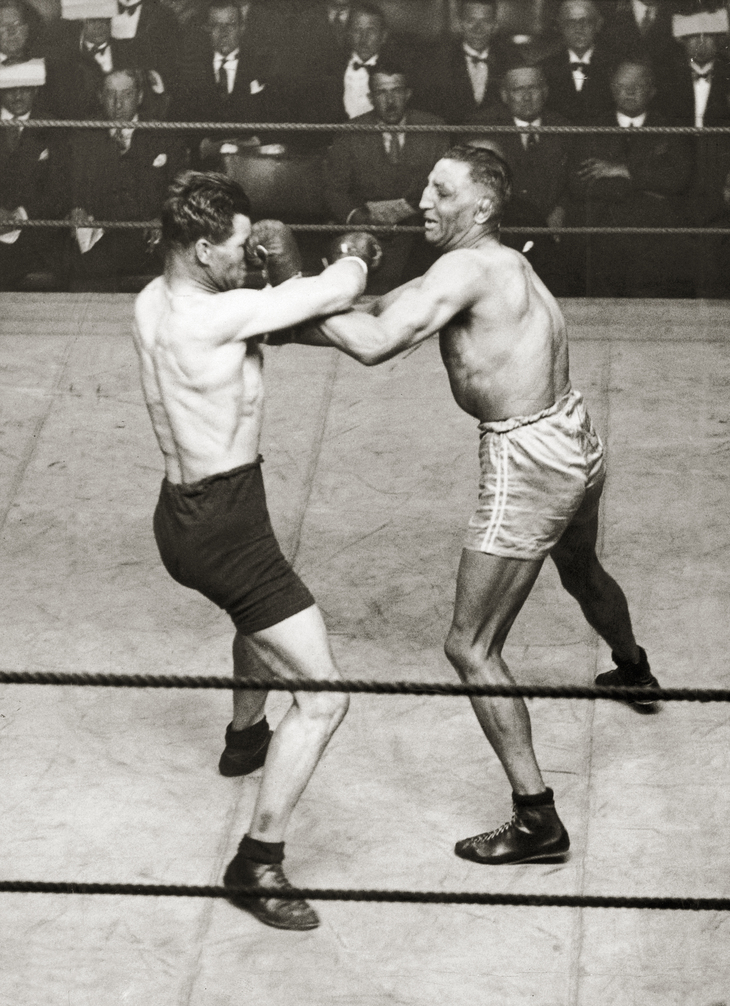
The more fashionable quarters of London have been invaded by the Bright Young People; they used to roar around the streets in motorcars before discovering the perils and pleasures of the Scootamota, which is considered to represent an entirely new era in locomotion. They engage in games such as treasure hunts, and generally celebrate the lifting of old social conventions. The relaxed atmosphere of London after the war has also been captured in the fashion for impromptu parties, cocktail parties and, in particular, for fancy dress parties. This new generation enjoy arranging Wild West parties, Russian parties, Circus parties, Windmill parties and Swimming Pool parties. Naughtiness and excess are the keynotes, with the party-goers enjoying sexual intrigue, gin and little twists of cocaine which are known as 'uppies'. For a Bath and Bottle party, at St George's swimming baths in London, flowers and rubber horses floated on water illuminated by coloured spotlights. The guests, dressed in dazzling swimming costumes, drank 'bathwater cocktails' and danced to the strains of a Black jazz orchestra, sometimes breaking off to hurl themselves into the pool. It was a sure way of being reported in the Sunday newspapers. The young women, the 'It girls' as they are sometimes known, can also be seen at the racecourse, the greyhound races, the brasseries and even the wrestling bouts. One of their many 'crazes' is the pogo stick. The older generation of Londoners seem to dislike these novel entertainments. They also disapprove of the Turkey Trot, the Bunny Hug or the Grizzly Bear; they hate the Charleston and cannot mention the Black Bottom. However, those of a quieter disposition, in these unquiet days, can partake in the new pastime of crossword squares. It is perhaps more than a pastime, since it takes time and ingenuity. It is maybe also a sign of the age, being both ingenious and harmless. The working classes find amusement in more conventional entertainments, whether in boxing and wrestling matches, or in association football as played on a professional basis. Other delights are now available. As one popular song puts it:
"I’'l take her to the A-qua-rium,
I'll take her to see the Zoo,
She'll knock 'em I know At the wax-work show
And the Crystal Palace too."
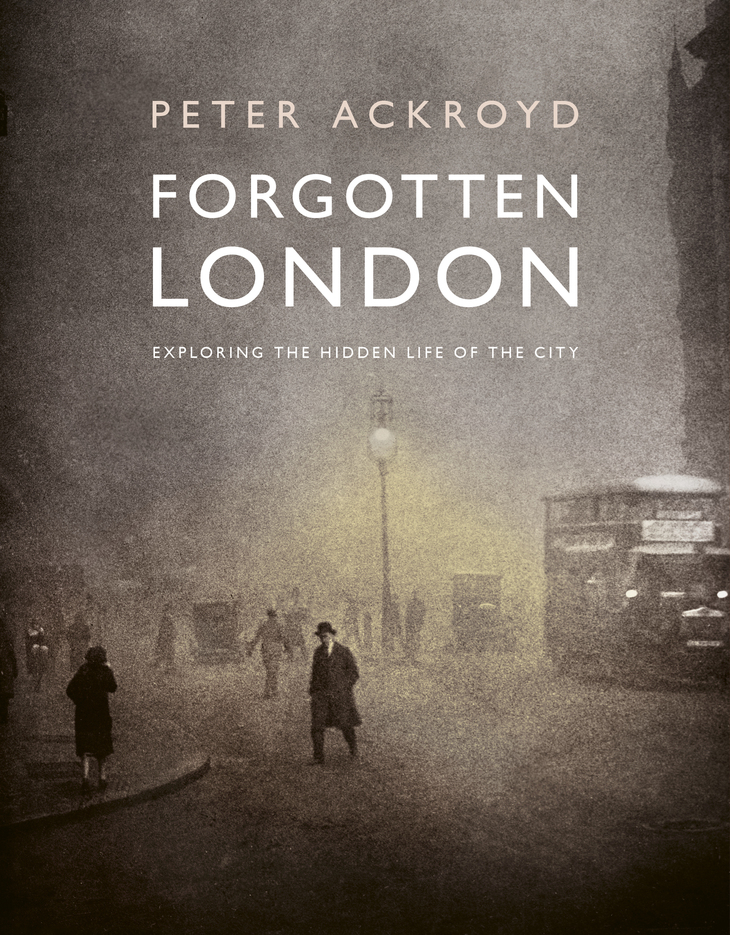
Forgotten London by Peter Ackroyd, published by Frances Lincoln.
We featured this book because we know it's the kind of thing our readers will enjoy. By buying it via links in this article, Londonist may earn a commission from Bookshop.org — which also helps support independent bookshops.



#/media/File:15-09-26-RalfR-WLC-0084.jpg)
