Will Noble20 Mesmerising Photos Of London Between The 1910s And 1980s
The Times has engaged the services of some tremendously talented photographers down the years, and a new book — The Times London in Photos: A History of the Nation’s Capital Through the Camera Lens — flaunts the creme de la creme of photos of the capital. Suffragettes, street parties, punks and a rainy Wimbledon feature in these 20 images from the book, hand-picked by Londonist.
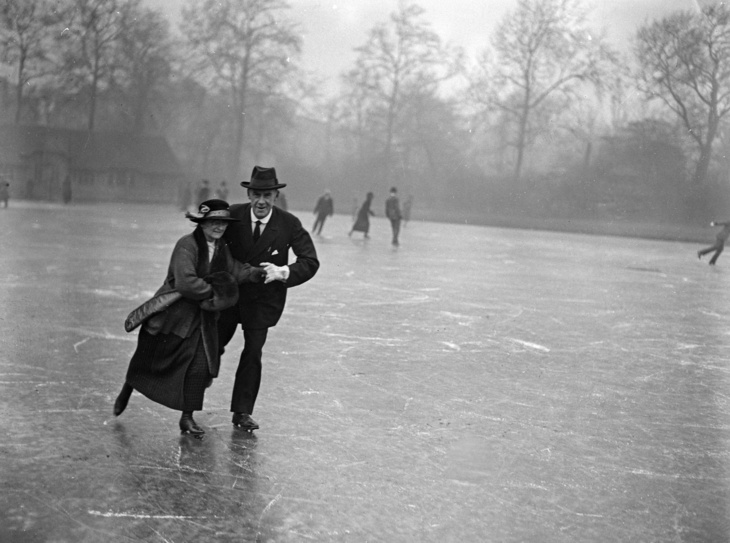
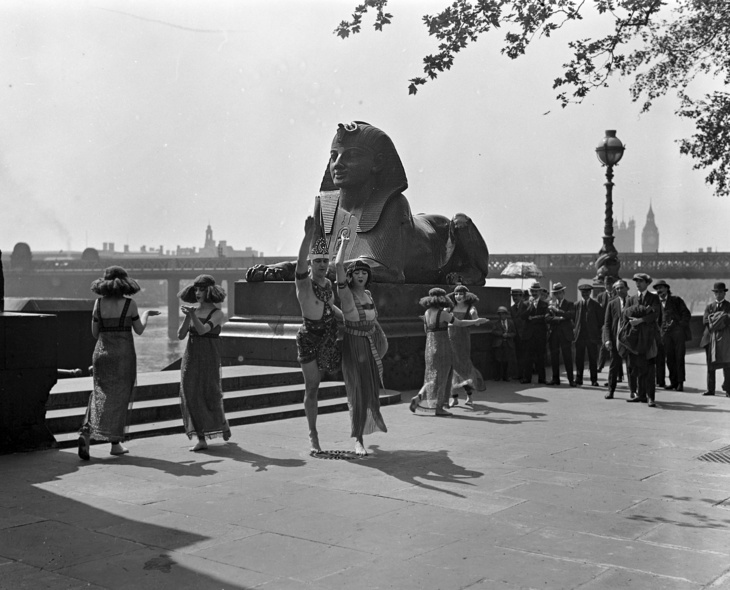
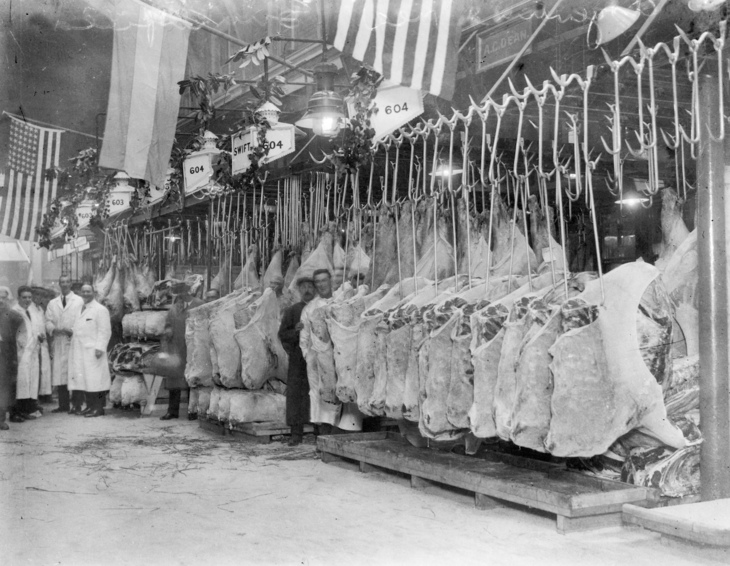
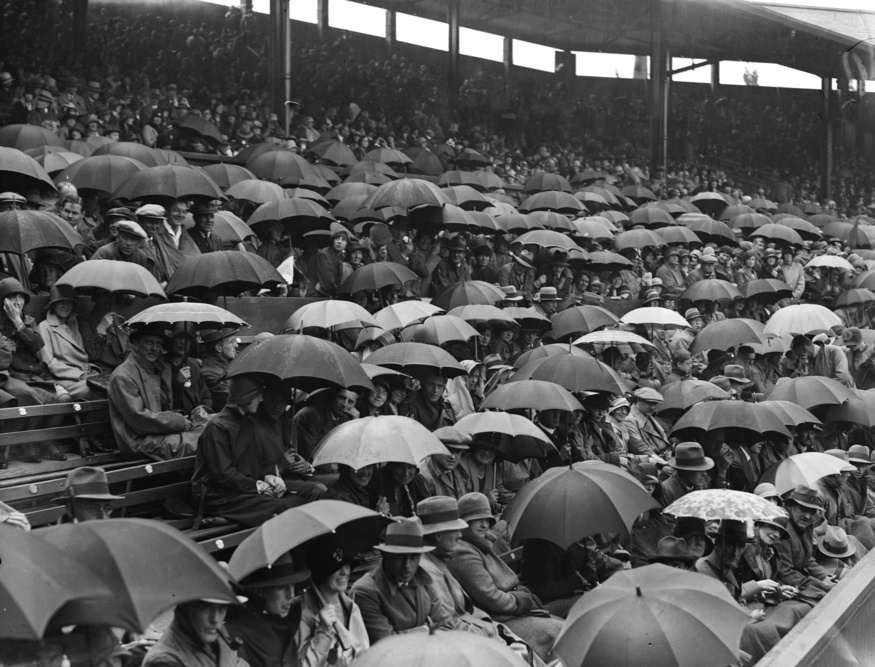
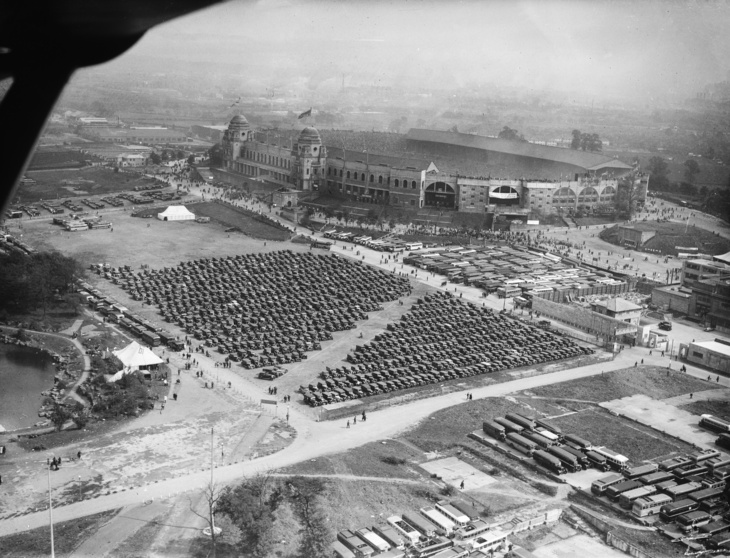
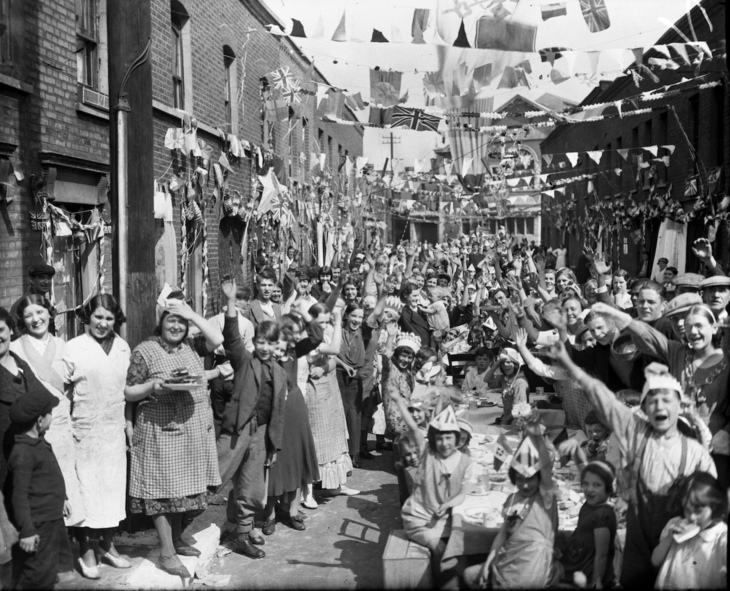
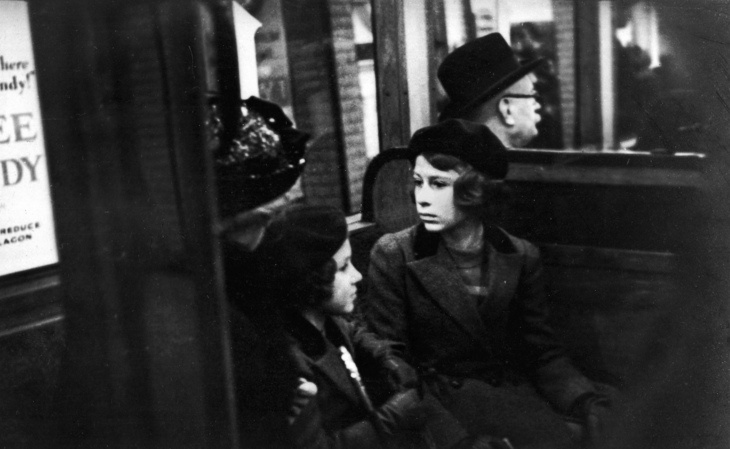
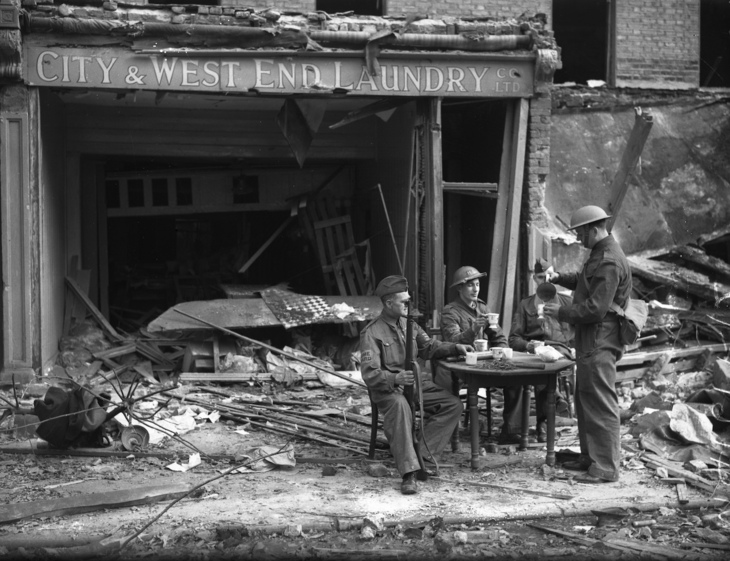
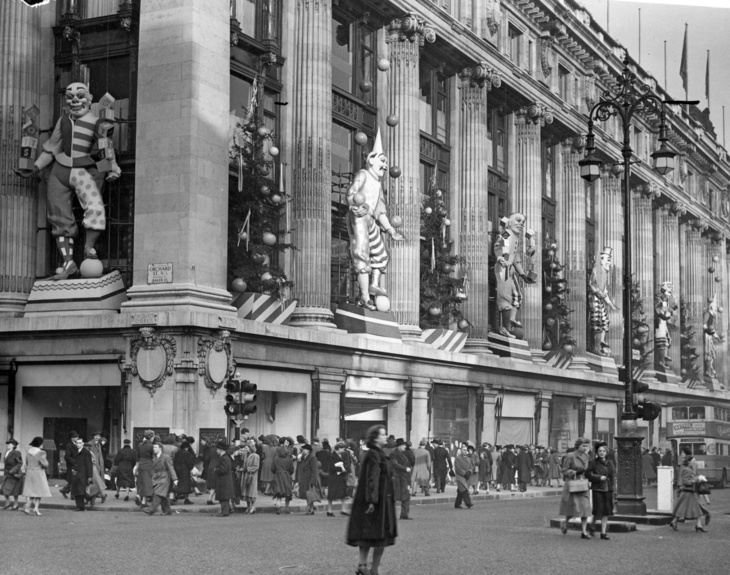
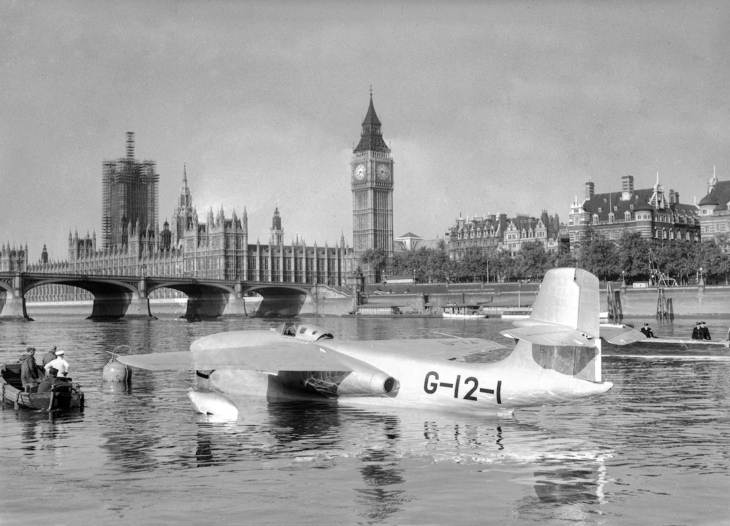
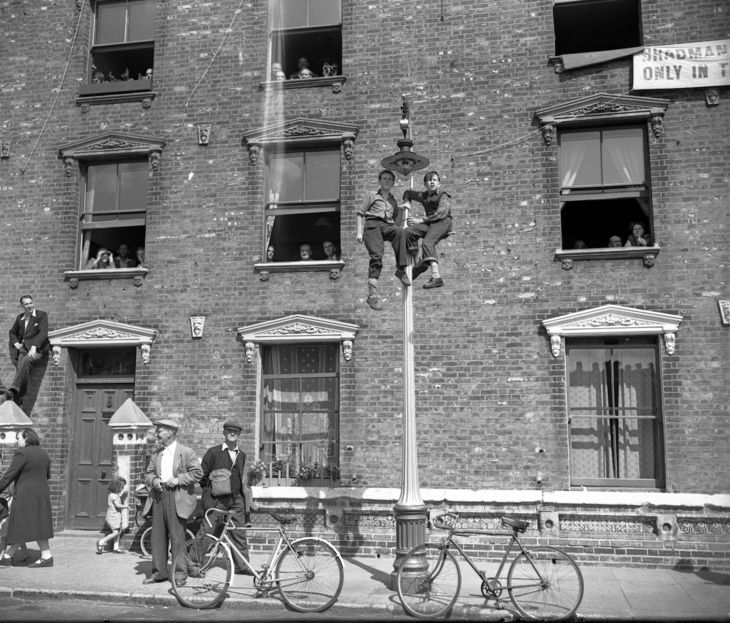
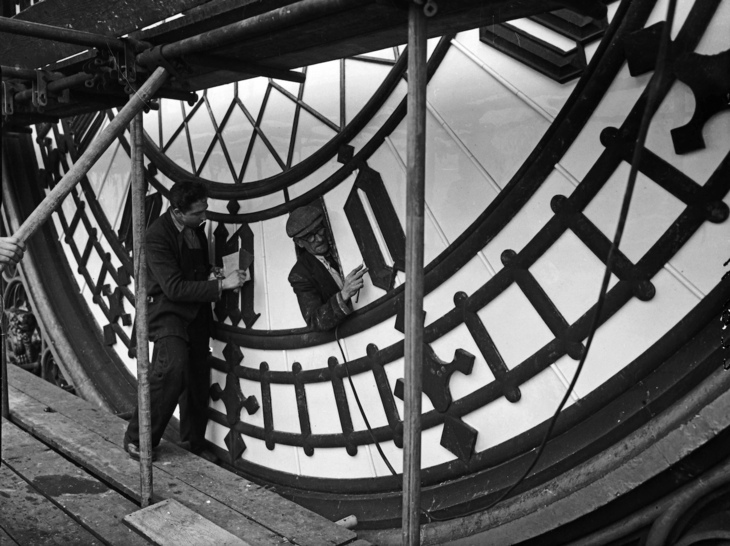
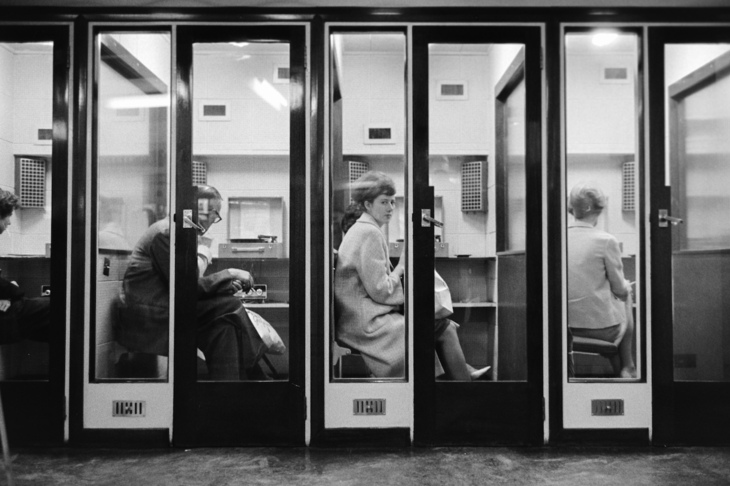
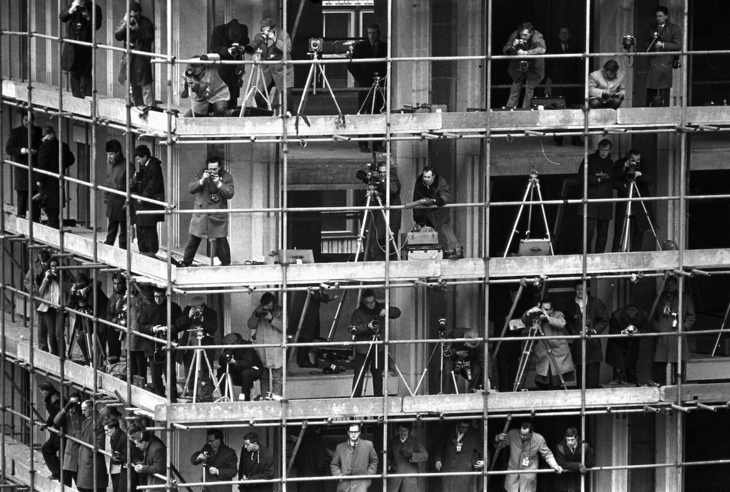
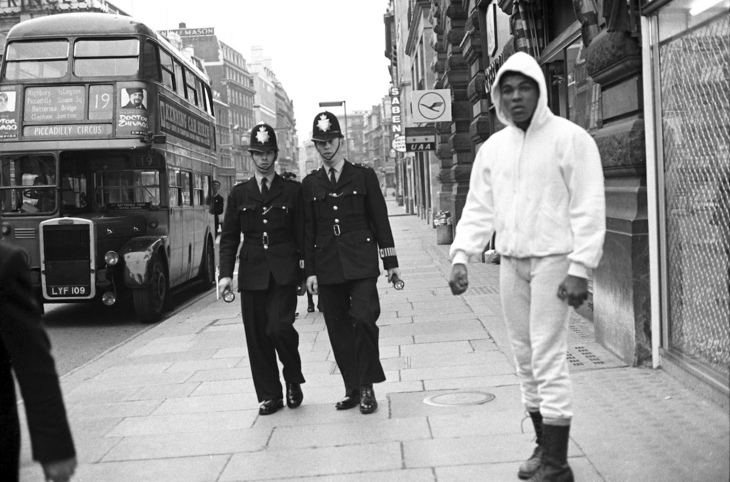
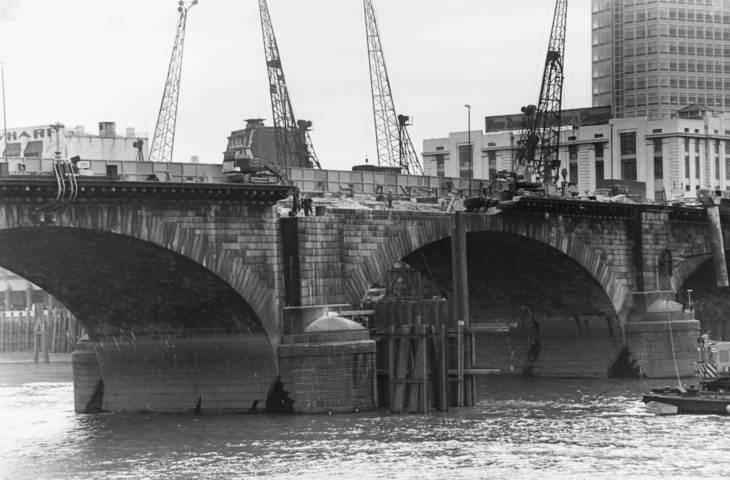
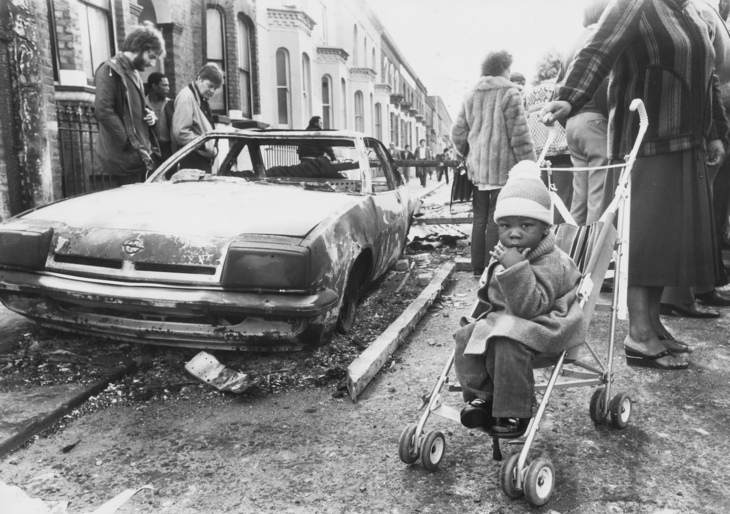
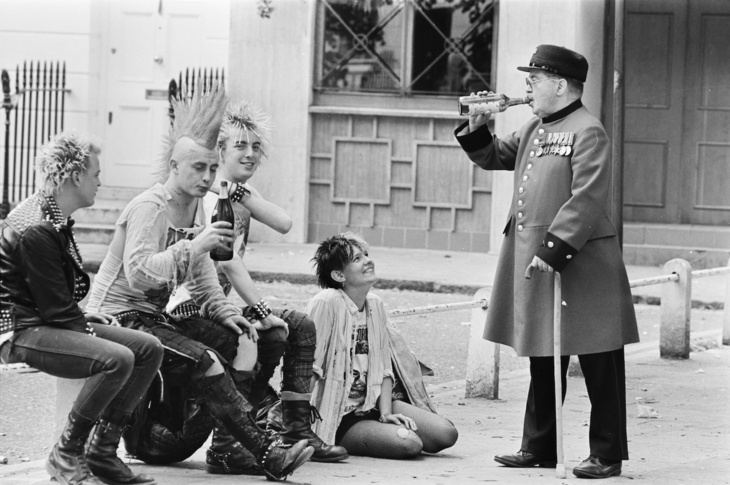
VOTES FOR WOMEN November 18, 1910. In November 1910 the Women's Social and Political Union, led by Emmeline Pankhurst, held a series of protest marches against Prime Minister Herbert Asquith's decision to suppress a bill allowing some women the right to vote. On November 18, known as Black Friday, at least 100 women were arrested and many assaulted, either by the police or male onlookers. This photograph is believed to show the arrest of Ethel Ayres Purdie, the first woman chartered accountant in the UK, who advised suffragist organisations and spoke at their meetings. Image: The Times/News Licensing.ARMISTICE DAY November 11, 1918. Every vehicle in London seemed to be commandeered by wild crowds celebrating peace after four terrible years of war. The noise was indescribable. A Times reporter wrote, "Human nature is tongue-tied at its greatest moments; and London with a great moment to celebrate abandoned the hope of suitable words and made festival by the ringing of handbells, the hooting of motors, the screaming of whistles, the rattling of tin-trays, and the banging of anything that could be banged." Image: The Times/News Licensing.SKATING IN REGENT'S PARK February 13, 1922. Sir Alfred Fripp, skating here with his wife Lady Fripp, was a society doctor closely connected to the royal family. Ice-skating was wildly popular with Londoners of all backgrounds and classes. On one freezing Sunday in 1861, it was estimated that there were 25,000 "sliders and skaters" in Regent’s Park. Under this kind of pressure a disaster was inevitable and, six years later, the ice collapsed. Forty people died and more than 200 were injured. To prevent such a disaster happening again, the pond was filled in to a depth of only four feet. Image: The Times/News Licensing.EGYPT BY THE THAMES May 28, 1922. To publicise their forthcoming show at the London Coliseum, Ruth St Denis and her husband and dance partner Ted Shawn invited members of the press to a photocall beside Cleopatra's Needle on the Thames Embankment. Ruth St Denis was an American exponent of modern dance, and her taste for diaphanous costumes gained her plenty of attention. She was influenced by Eastern religions, spiritual themes, and in 1947 established a Church of the Divine Dance in Hollywood. Image: The Times/News Licensing.SMITHFIELD MARKET by Eric Greenwood, 1926. The largest and oldest wholesale meat market in the country, Smithfield was secure in its City of London site from the Middle Ages until the decision in November 2024 that it should finally close. The handsome Victorian building was designed by Sir Horace Jones, the architect responsible for Tower Bridge and the Billingsgate fish market. The flags in this photograph indicate that the huge sides of frozen beef came from Argentina and the United States. Image: The Times/News Licensing.RAIN ON CENTRE COURT June 28, 1928. Before the retractable roof was installed over the centre court in 2009, only half a dozen Wimbledon championships were uninterrupted by rain. This crowd, with their hats, raincoats and umbrellas, are clearly well prepared. The 1928 men's final was between two French players, René Lacoste and Henri Cochet, the world number one. Lacoste won 6–1, 4–6, 6–4, 6–2, and the American press nicknamed him "the Crocodile" for his ruthless and tenacious play. He is best remembered today for the short-sleeved shirts, with distinctive crocodile logo, which he designed to replace the restrictive tennis whites of the time. Image: The Times/News Licensing.CUP FINAL AT WEMBLEY by Robert Field, April 29, 1933. The 11th Cup Final at Wembley was played between Everton and Manchester City in front of a crowd of nearly 93,000. This aerial photo shows the massive parking area, where coaches were charged 5 shillings, cars 2s 6d, and motorbikes 1s. The weather was cold and King George V, who suffered from chronic lung problems, stayed away. Both teams usually wore blue, so on this occasion Everton, who won 3-0, played in white and Manchester City in red. It was the first Cup Final in which players were given numbers to help with identification. Image: The Times/News Licensing.SILVER JUBILEE IN THE EAST END by Thomas Houlding, May 6, 1935 King George V was the first ever British monarch to celebrate a Silver Jubilee. The festivities in the streets of Canning Town, East London, were described by the philanthropist and social activist, Lady Aberdeen. "The people of these long grey streets, among whom there are so many unemployed, determined that the children should never forget the occasion. The men got up at 4am, cleaning the streets and whitewashing the edges of the pavements. Flags and decorations were put up and in the evening the people brought out tables in front of the houses and every child had a Jubilee tea." Image: The Times/News Licensing.PRINCESSES ON THE TUBE by Gerald Cook, May 15, 1939. Princesses Elizabeth and Margaret, thirteen and eight years old, had a rare brush with public transport when they were taken on the London Underground by a lady in waiting and their nanny Marion Crawford. They bought twopenny tickets from a machine at St James’s Park, the nearest station to Buckingham Palace, before boarding a third-class smoking carriage to Charing Cross, where they changed lines for Tottenham Court Road. After tea at the YMCA in Oxford Street, they returned to the palace by the same route. Image: The Times/News Licensing.A LULL IN THE BOMBING by Herbert Muggeridge, September 13, 1940. This picture was taken a week into the Luftwaffe's Blitz on London, which rained bombs on the city for 57 consecutive nights in attacks that left more than 400 people dead and nearly 2,000 injured. These Home Guard volunteers were photographed to demonstrate the "Blitz spirit" of civilian Londoners, keeping calm and cheerful in the face of the onslaught. Image: The Times/News Licensing.CHRISTMAS ON OXFORD STREET by Cathal O'Gorman, November 27, 1948. Since 1909, Selfridges in Oxford Street has been famed for its extravagant Christmas window displays, which were introduced by the store's American founder, Harry Gordon Selfridge. The lavish decoration and lighting attracted sightseers as well as shoppers, and some displays were so famous they were reproduced on sets of postcards. The Carnival Christmas of 1948 must have been a welcome antidote to postwar austerity, although one hopes it did not bring on any cases of coulrophobia, or fear of clowns. Image: The Times/News Licensing.GAS TURBINE WEEK ON THE THAMES by Sidney Beadell, June 17, 1951. An unusual sight on the Thames, this jet-propelled flying-boat was an exhibit for "gas turbine week" at the Festival of Britain. The Saunders-Roe SR.A/1 fighter aircraft TG263 was the first of three prototypes commissioned during the war, but later rejected, by the Air Ministry and the Admiralty. It was flown to London's Docklands from the Isle of Wight by Saunders-Roe's chief test pilot George Tyson, who claimed the journey took eleven and a half minutes, and then to its berth opposite the Royal Festival Hall. Image: The Times/News Licensing.LAST DAY OF THE OVAL TEST by Stanley Devon, August 17, 1953. There was standing room only on the second day of the fifth and final Test match against Australia at the Oval. The first four matches were drawn, and with the Ashes at stake, enthusiasts without tickets had to make do with the best view they could get from a lamp post or a window ledge. England won by 8 wickets, regaining the Ashes for the first time since losing them in 1934. As The Times observed, some of the players were unborn when England last won the Ashes at home, and the oldest of them was no more than a small schoolboy. Image: The Times/News Licensing.A FACELIFT FOR BIG BEN by Cathal O'Gorman, August 23, 1956. After the Houses of Parliament were damaged by German bombing during the Second World War, restoration work on the Clock Tower provided an opportunity to overhaul the clock's mechanism and reglaze the faces. Big Ben was temporarily silenced while the work was being carried out, the BBC announcing that from July 2 to December 23 the regular midnight, 9am and 9pm chimes would be broadcast by Great Tom, the bell in the clock tower at St Paul's Cathedral. Image: The Times/News Licensing.SOUNDS OF THE SIXTIES by Frank Herrmann, September 26, 1963. HMV's Oxford Street store was a palace to vinyl in the 1960s, with its grand spiral staircase, its Cosmopolitan Corner and its listening booths. Music fans flocked to listen to records in their cosy sound-isolating capsules. You could hang out with friends and listen to all the new sounds. You didn't even have to buy the records. Image: The Times/News Licensing.WINSTON CHURCHILL'S FUNERAL by Allan Ballard, January 30, 1965. Photographers and commentators occupy a prime vantage point above the route of Winston Churchill's funeral procession. Churchill lay in state for three days before the funeral ceremony at St Paul's Cathedral. His coffin was then carried to Waterloo Station down the Thames on the launch Havengore. Millions watching events on television remember the moment when cranes along the Thames waterfront were lowered in respect as the coffin passed by. Image: The Times/News Licensing.THE GREATEST: MUHAMMAD ALI by Horace Tonge May 11, 1966. The world heavyweight champion leaves the Piccadilly Hotel at 6.30am for an early morning training session before his rematch with Henry Cooper at Highbury Stadium on May 21. Ali and his sparring partner Jimmy Ellis jogged and shadow-boxed their way around Hyde Park, largely unrecognised by early commuters. A crowd of 46,000 watched the British champion put up a brave fight before being stopped in the sixth round by a cut over his left eye. Image: The Times/News Licensing.LONDON BRIDGE IS TAKEN DOWN by Fred Shepherd, March 5, 1968. The 140-year-old bridge had been subsiding for some years and in 1968 the City of London decided to offer it for sale. It was bought for £1,000,000 by Robert P McCulloch, an American entrepreneur developing a resort town at Lake Havasu in Arizona. The facing stones were numbered and shipped out via the Panama Canal, then trucked from California for reassembly in the Arizona desert. The story that McCulloch thought he was buying Tower Bridge is untrue. He wanted a gimmick to attract tourists, which it continues to do to this day. Image: The Times/News Licensing.BRIXTON AFTER THE RIOTS by Harry Kerr, April 12, 1981. The morning after the night before. Racial tension in Brixton had been at an all time high since the New Cross fire in January, exacerbated by unemployment, endemic racism and uncontrolled use of police stop and search. On Saturday April 11, resentment escalated into violence. Petrol bombs were thrown and shops and police cars set on fire in rioting that went on for most of the night. By Sunday the whole area was sealed to traffic and eerily quiet, the silence interrupted only by police and fire sirens, as residents came out to view the damage. Image: The Times/News Licensing.FANCY DRESS IN THE KING’S ROAD by Stephen Markeson, August 14, 1987. Thanks to shops like Vivienne Westwood and Macolm McLaren's World's End, the King's Road became a magnet for punks – and for tourists who wanted to take their photographs. This encounter with Chelsea pensioner Harold Asbury was snapped by a Times photographer, Stephen Markeson, for a cancer appeal in which people across the country were invited to capture life in Britain in a photograph. A collection of the pictures became the bestselling non-fiction book of 1987, selling nearly a quarter of a million copies. Image: The Times/News Licensing.
We featured this book because we know it's the kind of thing our readers will enjoy. By buying it via links in this article, Londonist may earn a commission from Bookshop.org — which also helps support independent bookshops.