A Treat For The Little Grey Cells: Agatha Christie Exhibition Opens At The British Library

Last Updated 29 October 2026
The British Library's long-awaited Agatha Christie exhibition is here, marking 50 years since the death of the "Queen of Crime".
Books, personal letters and photos, plus her typewriter, passports and other personal objects are all on show in a display which seamlessly extols the legacy of the creator of characters such as Miss Marple and Poirot.
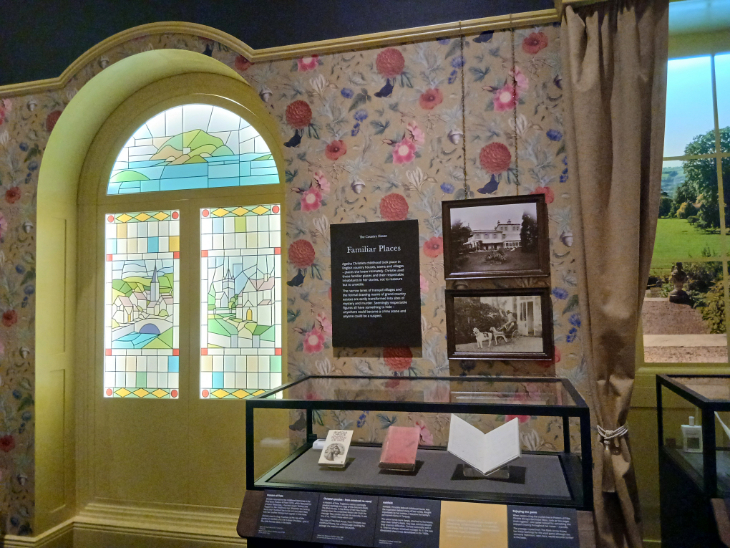
While "immersive" is a word thrown around too liberally in relation to exhibitions these days, the British Library has created the real deal. Visitors begin in a realistic facsimile of an English country house, similar to the setting for many of Christie's novels. Here, focus is primarily on the author's childhood and very early writing. Christie's hand-drawn map of Miss Marple's fictional village, St Mary Mead, and her family's 'Confessions' book are among the fascinating objects on display, but the room itself is worth a closer look: the patterned wallpaper contains motifs, including blackbirds and yellow irises, which reference some of Christie's works.
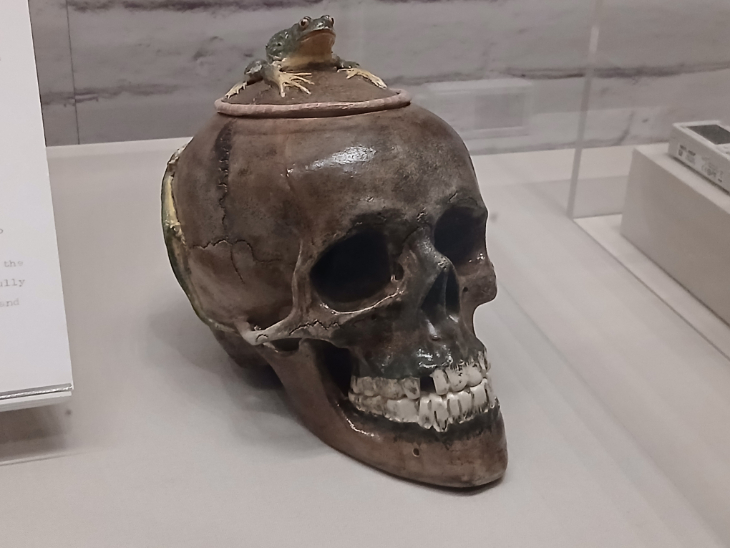
A recreation of a wartime pharmacy details a lesser-known influence on Christie's work: her knowledge of pharmaceuticals, specifically of poisons, which she picked up in her medical training during the Second World War, and utilised as a weapon in several of her novels. A decorative ceramic skull stands in for 'Eric', the real human skull on which Christie and other crime writers pledged their membership to the Detection Club.
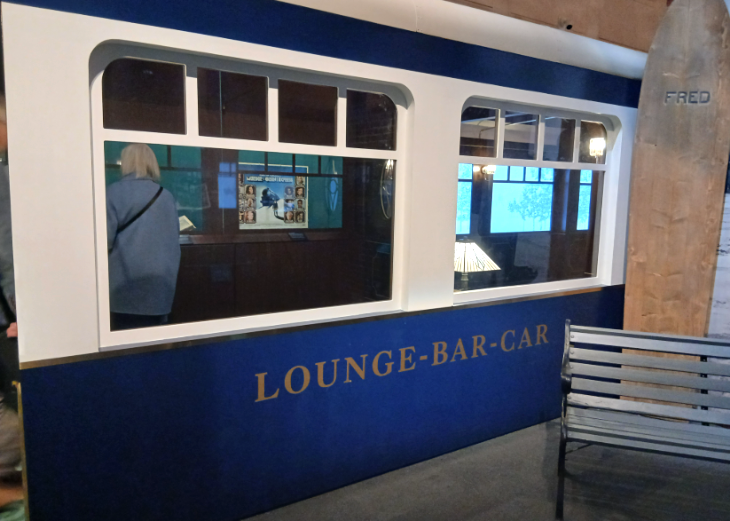
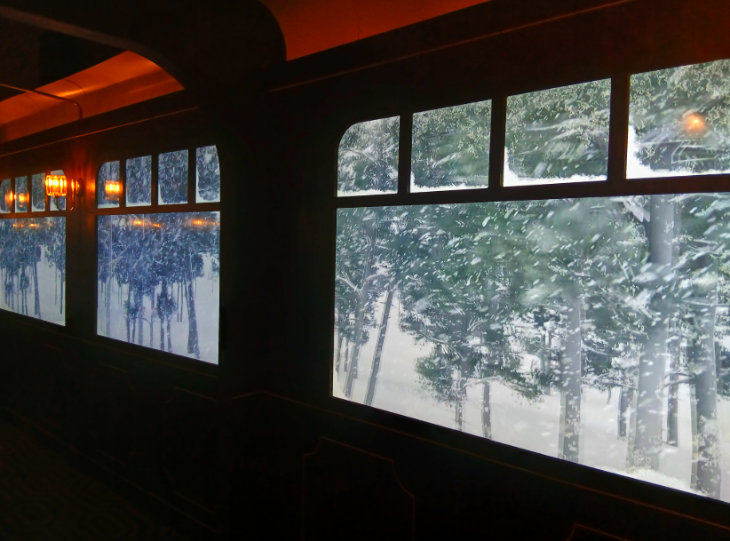
The exhibition peaks as we round a corner onto a station platform, inviting us to step into a train carriage — its blue colouring possibly a nod to The Mystery of the Blue Train. Inside though, it's a recreation of the Orient Express, dripping in art deco details, the moving snowy vista beyond the train 'windows' setting the scene for the time Christie herself spent trapped on the Orient Express in a blizzard — which resulted in perhaps her most famous work. It was this setting which led her down the route of "closed-circle" mysteries, where a limited pool of people make up the suspects in a crime mystery.
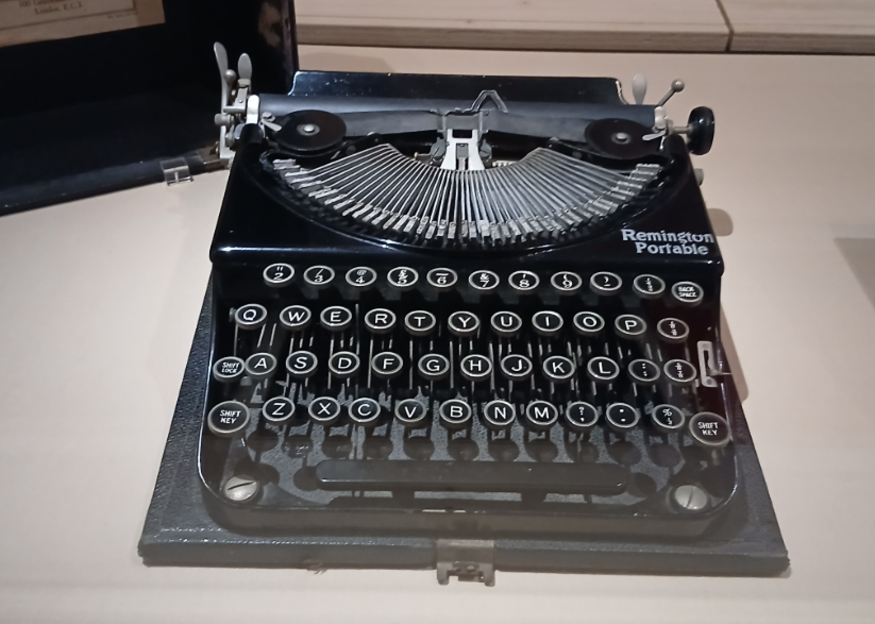
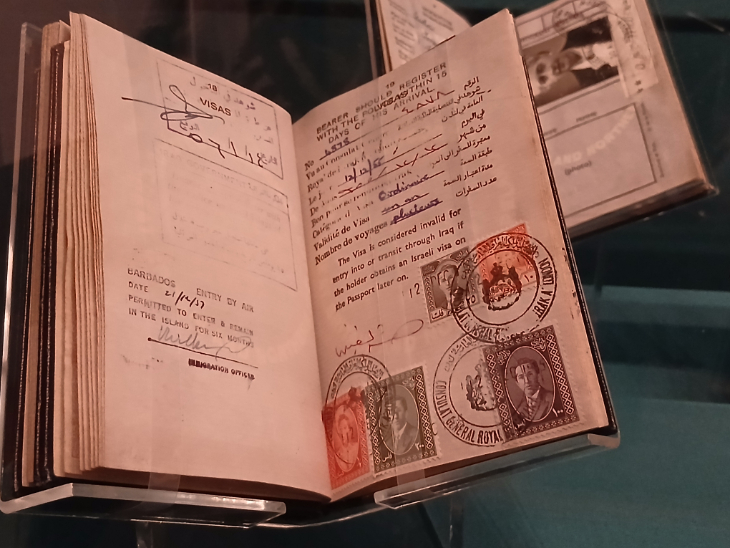
The portable typewriter on which Christie wrote many of her novels (pictured top) is the highlight of The Dig, a section of the exhibition dedicated to her life in the Middle East with her second husband, archaeologist Max Mallowan — giving rise to novels including Death on the Nile. Her original passports, with stamps from countries across North America, Europe and Oceania, challenge the misconception that Christie spent most of her life in the bucolic English countryside about which she predominantly writes.
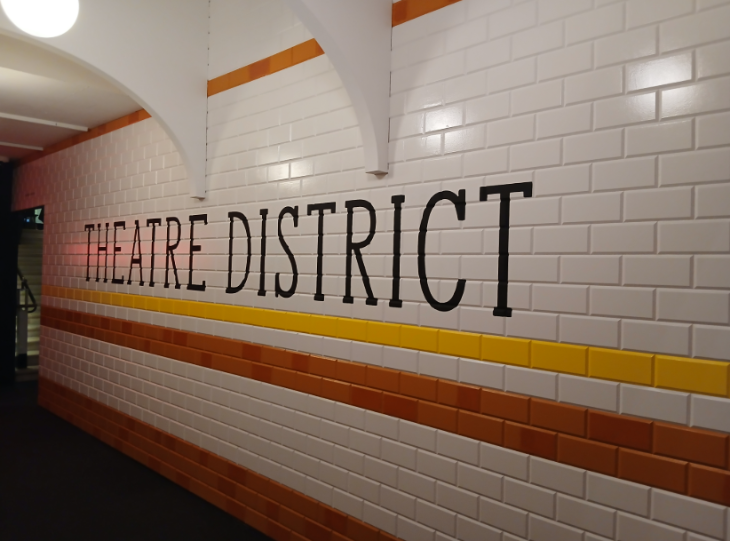
The final chapter whisks visitors — via a recreation of a Tube station corridor — into Theatreland, delving into Christie's work on stage, not least the record-pulverising Mousetrap. Theatre-style seating once again immerses us fully, with a rare video of the notoriously-shy writer giving a speech, shown on loop.
Naturally, keen Christie fans will find plenty to latch onto in this triumph of an exhibition, from the inspiration behind small plot details to a wider context for her writing. That said, anyone who's never read a single page or watched a minute of her work will still have lots to entertain their little grey cells, such as original notes, letters and plot points scrawled in Christie's own hand, alongside costumes from screen adaptations of her work, and even clothes worn by Christie herself.
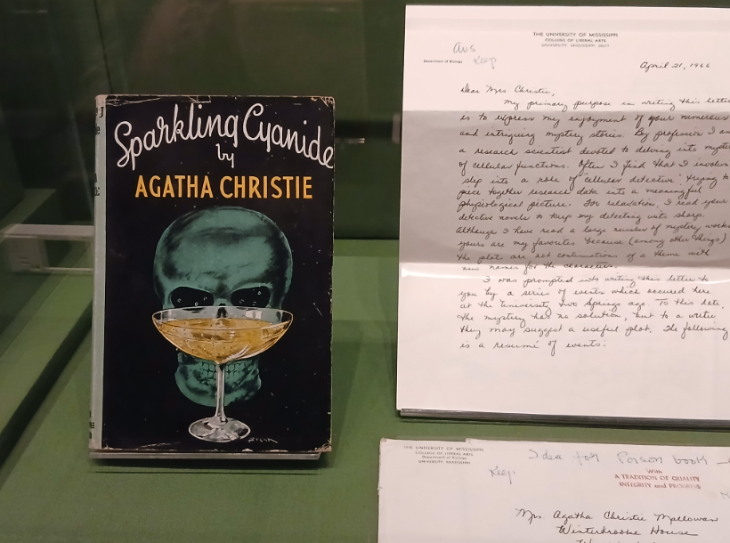
Woven throughout are examples of how Christie shaped the entire crime fiction genre, with elements such as her "closed-circle mystery" and Poirot's iconic "drawing room reveal" replicated countless times in books, films and TV shows since. The exhibition doesn't shy away from some of the more inconvenient aspects of Christie's legacy, briefly addressing the renaming of the book now known as And Then There Were None, and her early depictions of Jewish people, which would not be considered appropriate if they were published today.
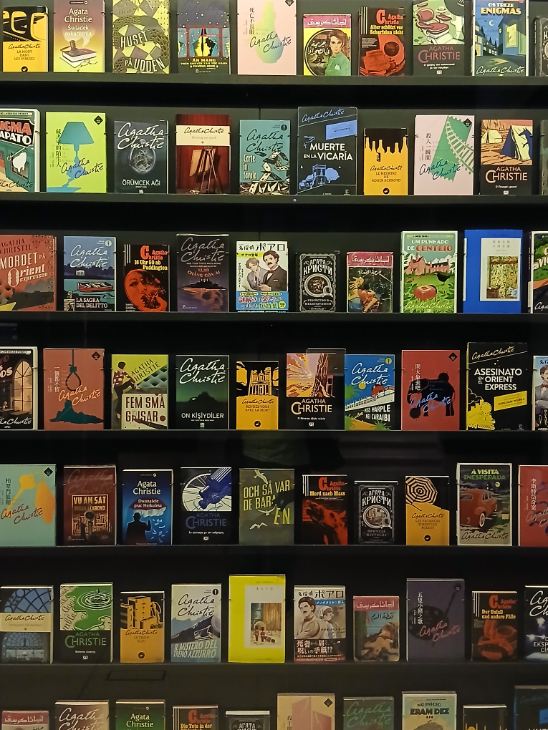
A treasure trove of genuine artefacts, cultural references and thoughtful curation come together in this exhibition like a well-crafted novel. Like Christie's own work, the exhibition is an eloquent, comprehensive and pacy ride through a fascinating story, and gripping from start to end.
Agatha Christie: A World of Mystery is at the British Library, 30 October 2026-20 June 2027.