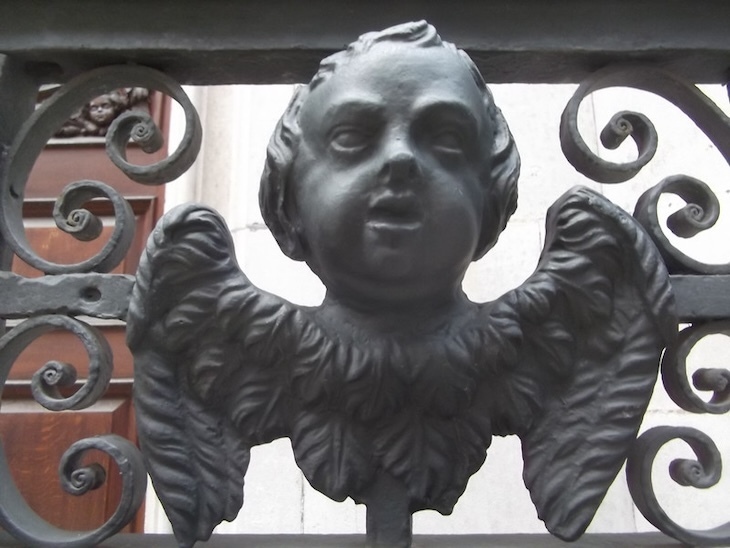
London's old buildings are riddled with cherubs, cupids, putti and other species of ornamental baby. I have no idea why. I guess the Victorians thought they looked cute. Some of them are proper weird, though.
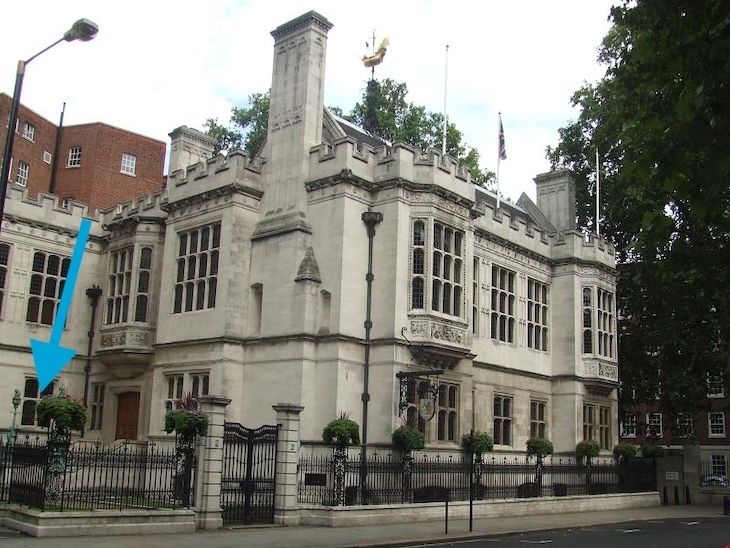
Among the more unusual are the quartet of babes who adorn the entrance to Two Temple Place, that remarkable mansion beside the Embankment.
One pot-bellied putto holds an old-fashioned telephone up to his ear. Meanwhile, his playfellow, skulking down at the base of the lamp standard, stares into the mouthpiece, as though he's not sure what to do with it.
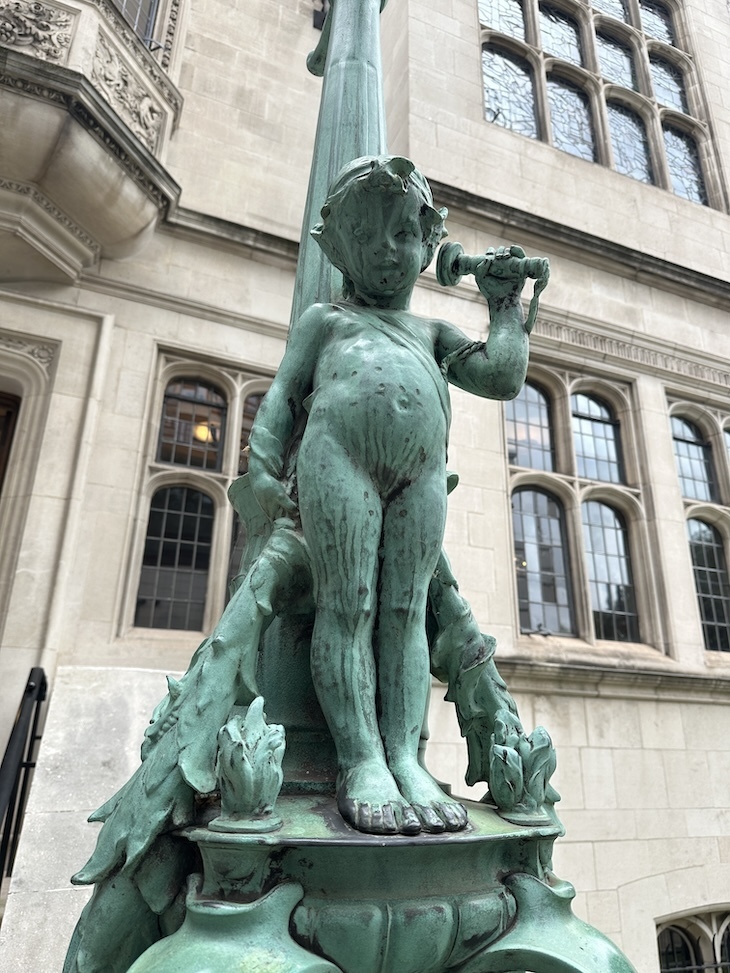
Why are the little nippers here and, more to the point, why are the on the phone? The building's original owner was a certain William Waldorf Astor, an American immigrant of vast wealth. Astor had the house built in the 1890s to an opulent standard, and the decoration began on the entrance steps.
The almost matching lamp standards were designed by William Silver Frith, and it was he who incorporated the telephonic cherubs. Astor had one of the first telephones in London, and this was a creative way of bragging about it. The technology was still very new. It would be like appending a bronze likeness of a Nintendo Switch 2 to your drainpipe — a year before they came out.
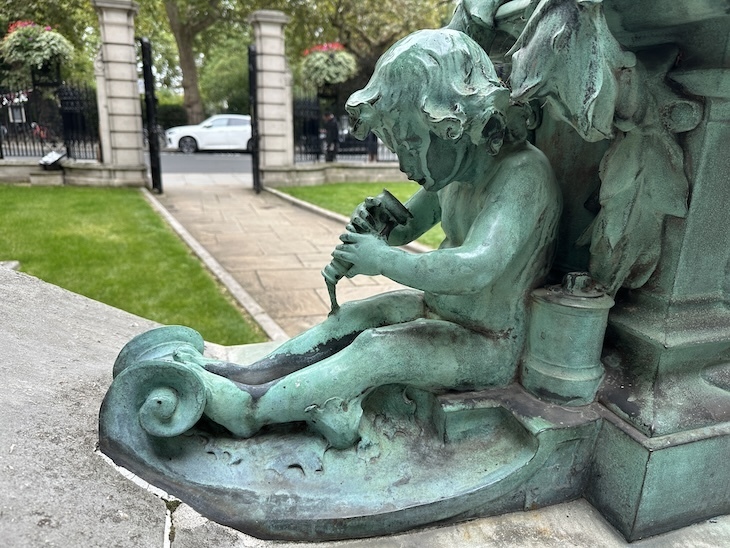
The other lamp also sports tech-savvy cherubim:
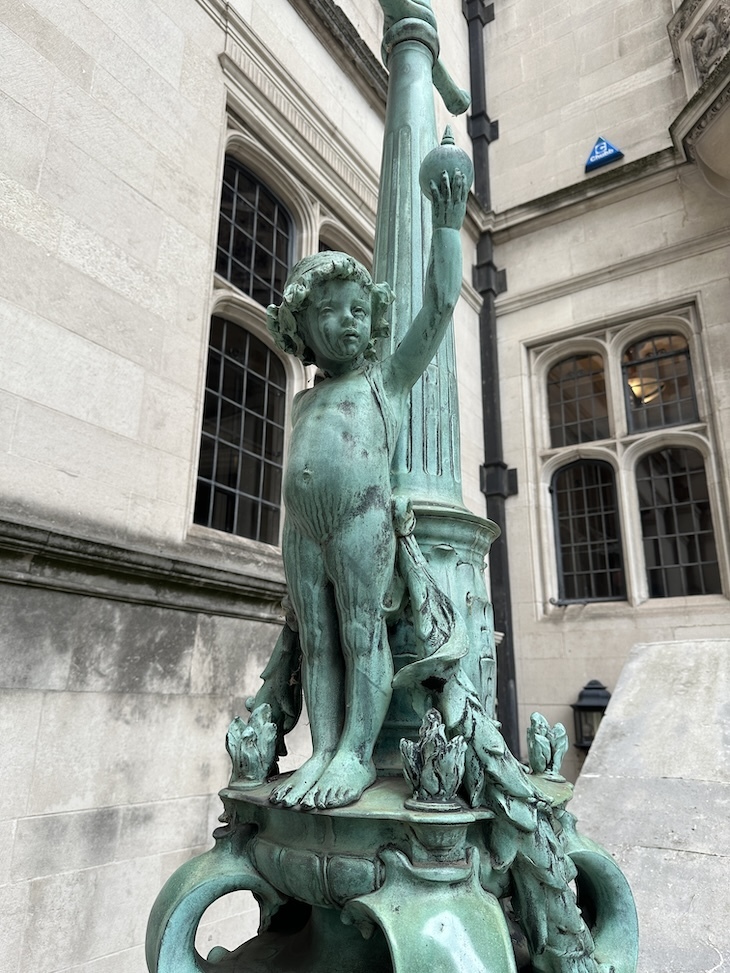
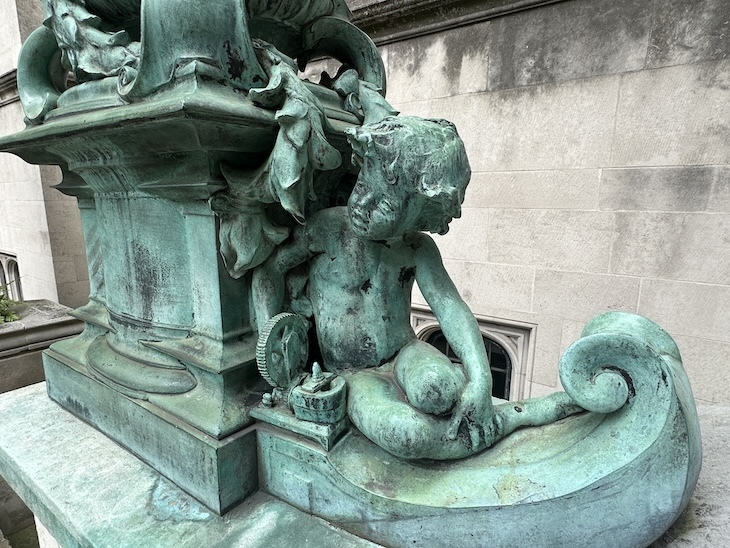
The top cherub appears to be holding the Holy Hand Grenade of Antioch from Monty Python, but I think it's meant to be an old-fangled lightbulb. Meanwhile, his companion is providing the power by cranking some kind of mechanical generator. Good to see Astor was a proponent of green energy.
You can visit the gadget-loving beings any time Two Temple Place is open to the public for one of its seasonal exhibitions. The rest of the house is, needless to say, even more elaborately decorated.
Note for pedants: Yes, inevitable Facebook commenter, I know that there is a difference between putti and cherubs, but I really don't give a toss.