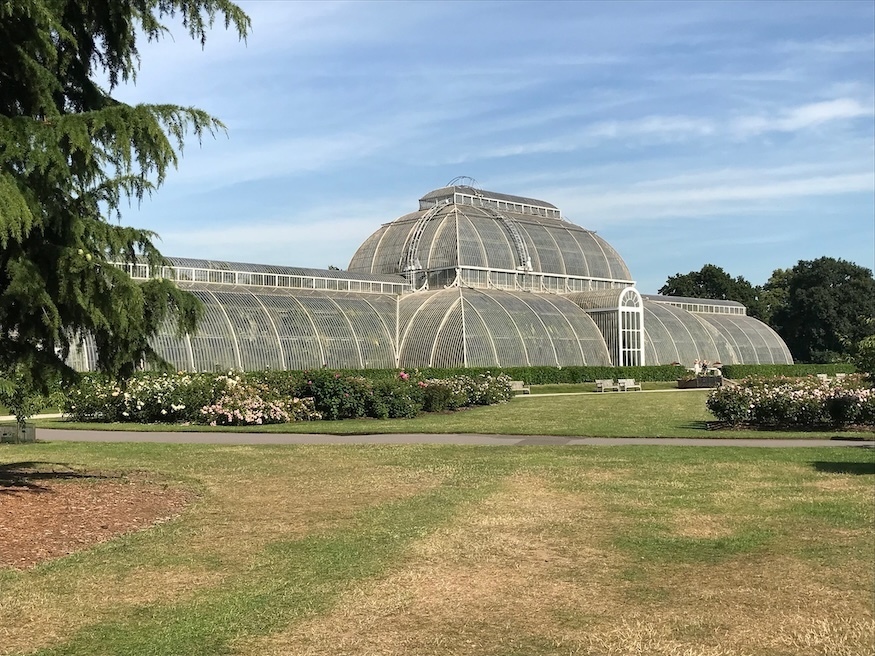
The historic greenhouse at Kew will shut for half a decade for a major refit.
It's arguably the most famous greenhouse in the world. Kew's Palm House has been a London icon since it opened in 1848. Soon, it will close for a £50 million renovation project, which will take five years. The neighbouring Water Lily House will also close.
Assuming planning permission is granted, the Palm House and Water Lily House will be closed to visitors from 2027 till 2032.
As its name suggests, the Palm House specialises in plants of a more tropical nature than might normally be found near the banks of the Thames. It currently houses some 1,300 plants, including cycads, cocoa trees and, yes, palms. Some are older than the Palm House itself, while others are endangered in the wild.
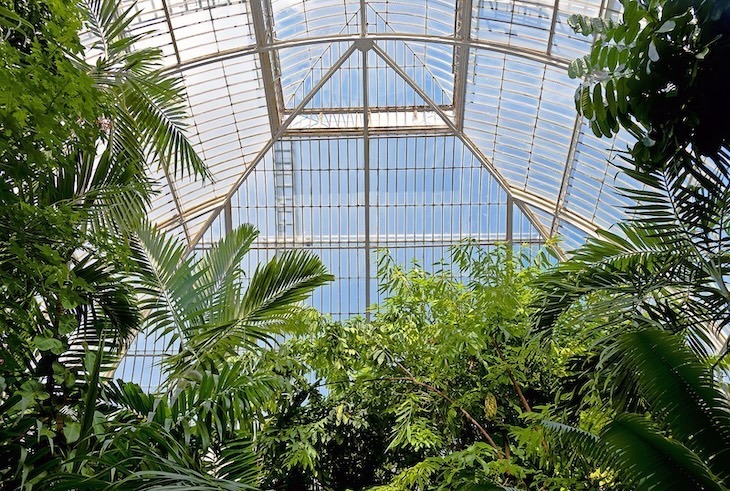
The closure will allow comprehensive restoration of the structure, which will be nearing its 200th birthday by the time all's finished. 16,000 panes of glass will be removed and replaced, while 100 tonnes of ironwork must be checked and repaired. Needless to say, those 1,300 plants will also have to be safeguarded, and some have already been moved to alternative greenhouses.
It's a big job, but also a delicate one. The building is Grade-I-listed and stands inside a World Heritage Site, making it one of the most important heritage assets in London.
The opportunity will also be taken to make sure the giant greenhouse operates at net zero emissions. Despite trapping the sun's heat, the building needs plenty of energy to maintain a constant temperature through night time and colder seasons.
The Palm House hiatus joins a long list of cultural attractions who've closed their doors for epic stretches of late. Heading the pack was the Museum of London, now the London Museum, which shut in 2022 to move to a new site, and won't open again till 2026. The National Portrait Gallery was down for three years before its recent (and brilliant) relaunch. And the Museum of Childhood closed in 2019, to be resurrected in 2023 as the Young V&A. Kew's Palm House, while only a small part of its wider botanical gardens, breaks the record at five years.