Rumours abound about London locations that the Nazis supposedly wanted to occupy, should they have won the Second World War — most famously Senate House in Bloomsbury.
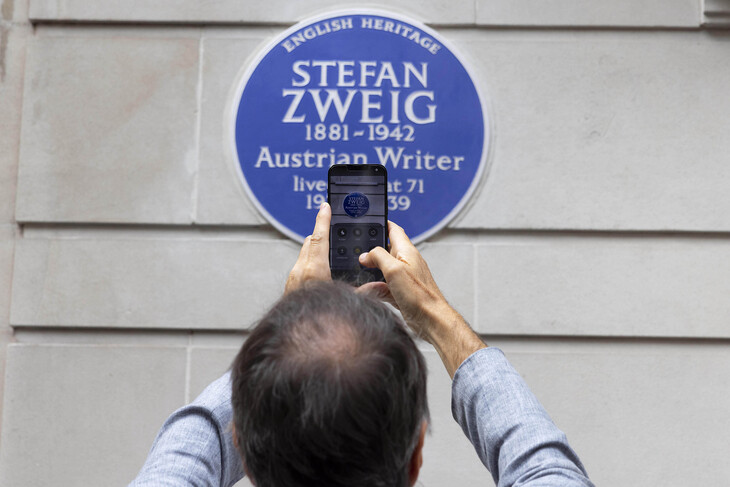
We do, though, know for certain that a series of more humble addresses were jotted down in the Nazis' notorious 'Black Book' (aka Sonderfahndungsliste G.B.) — the list of figures they wanted to arrest, and likely execute. One of these addresses — Marylebone's 49 Hallam Street — has just been installed with an English Heritage Blue Plaque.
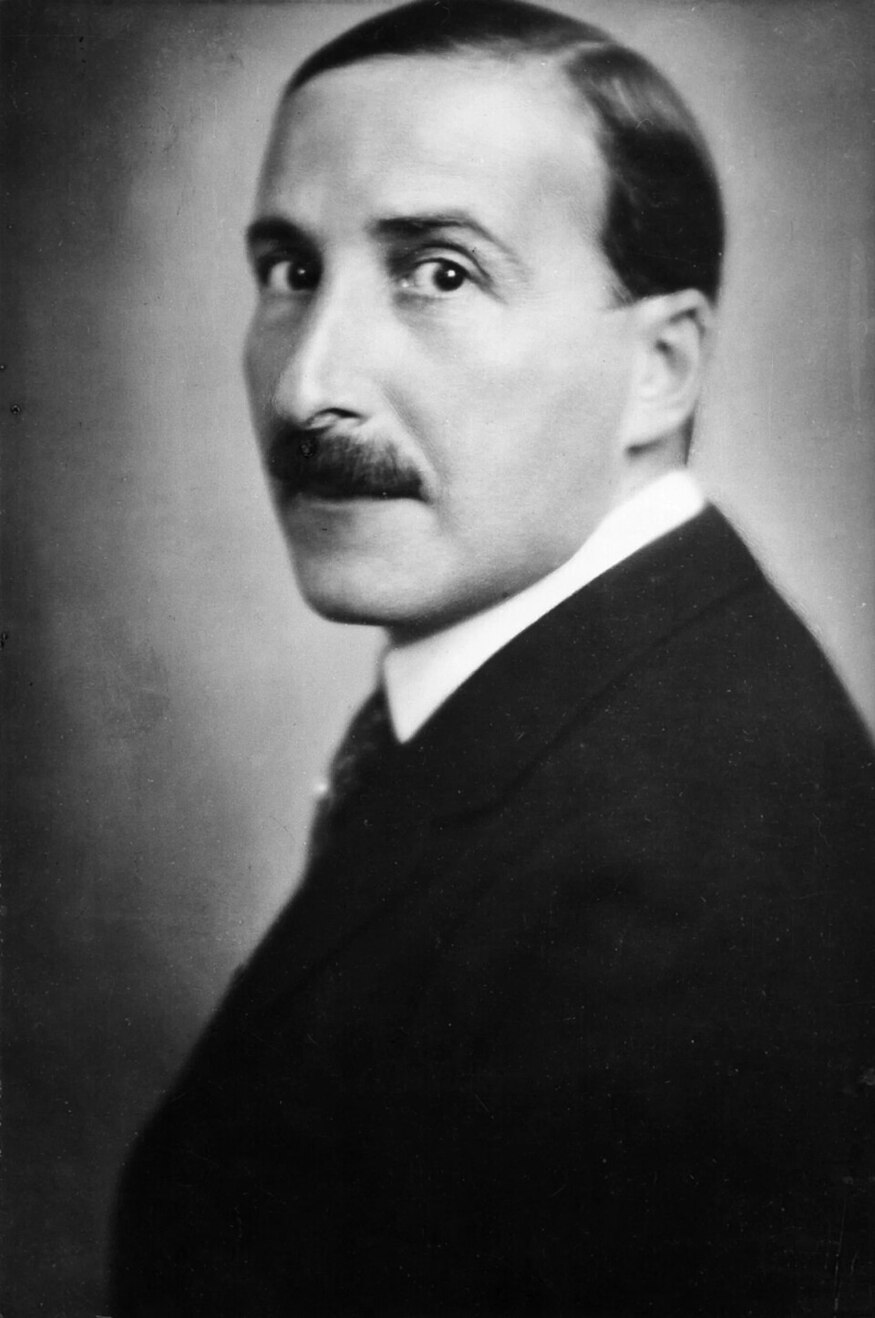
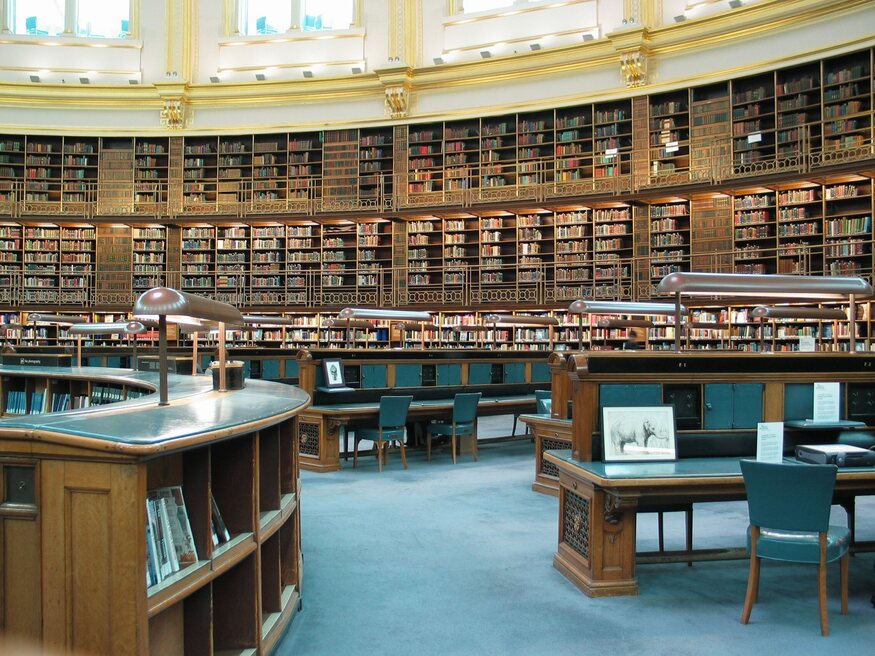
It was here, at flat 71, that the Austrian writer Stefan Zweig lived from 1936-39, having fled his motherland in 1934, anticipating Nazi rule. Among the writings Zweig worked on during his stint in London was The World of Yesterday: Memoirs of a European, an autobiographical work which pined for an "out of reach" past, and for an open, borderless world — the antithesis of Nazism. Much of Zweig's research was done in the nearby British Museum's Reading Room.
The writer's exile was not a happy one: "So I belong nowhere now, I am a stranger or at the most a guest everywhere," he wrote in The World of Yesterday. In 1942, with Nazism at its height, and The World of Yesterday finally completed, Zweig — who, by this time had moved to Brazil — posted the manuscript to his publisher, then committed suicide in despair, along with his wife, Lotte Altmann.
His legacy remains potent. Says English Heritage Blue Plaques historian Dr Susan Skedd: "This plaque marks Stefan Zweig's time in London, when, living in exile, he continued to write works that engaged deeply with the experience of displacement and cultural loss. Zweig's writing has had a lasting influence on European literature, particularly the literature of exile."
Zweig was also the influence for the poetry-spouting concierge M. Gustave in Wes Anderson's 2014 movie Grand Budapest Hotel.
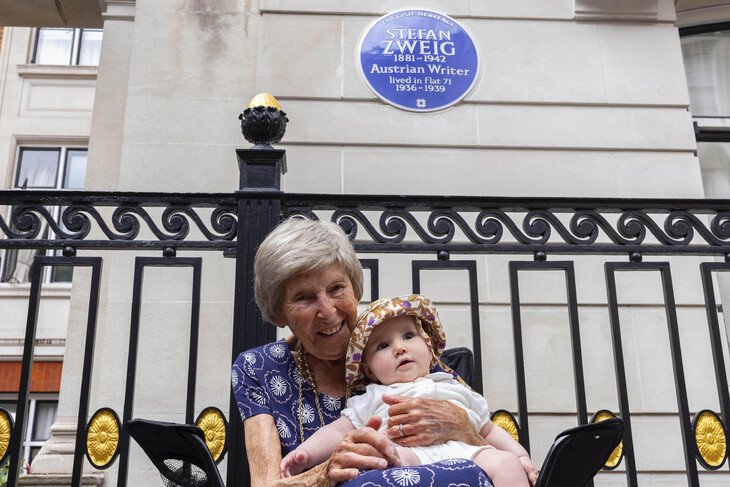
Though more than 30 Blue Plaque recipients appear on the Sonderfahndungsliste G.B., Zweig's Hallam Street flat is one of only two plaque locations to be explicitly named. The other is H. G. Wells' apartment at 13 Hanover Terrace, Regent's Park.
There's an excellent BBC Culture article on Stefan Zweig here.