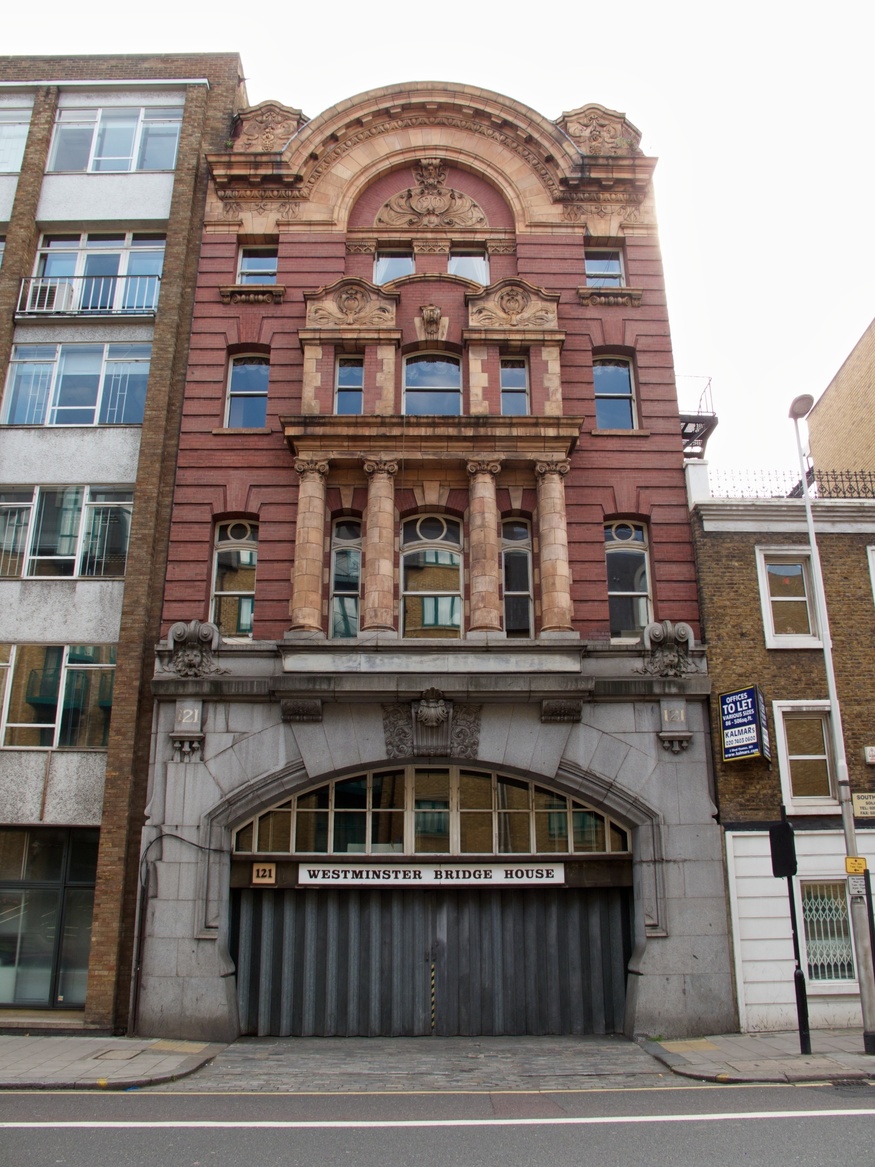
Halfway between Lower Marsh and Lambeth North station in Waterloo is 121 Westminster Bridge Road, a building known as Westminster Bridge House. It's a touch grander than the surrounding office blocks — red brick, with four pillars flanking the first floor windows — but nothing outstanding. You wouldn't know from the outside that thousands of dead bodies have been transported through these premises.
The building is all that remains of the London Necropolis Railway, a railway company formed exclusively for transporting corpses out of the city centre in the 1850s, when inner London's cemeteries were full.
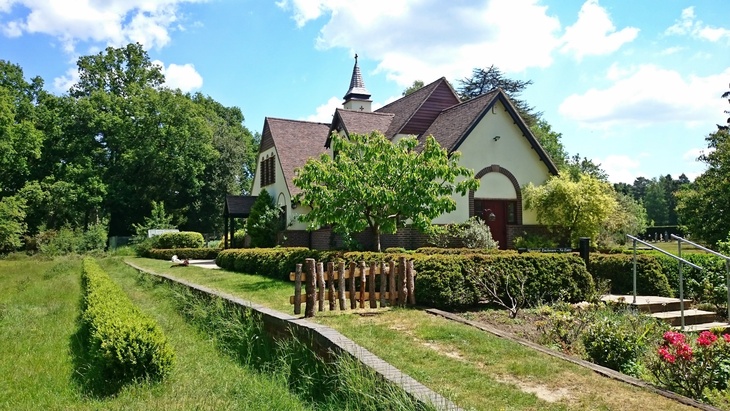
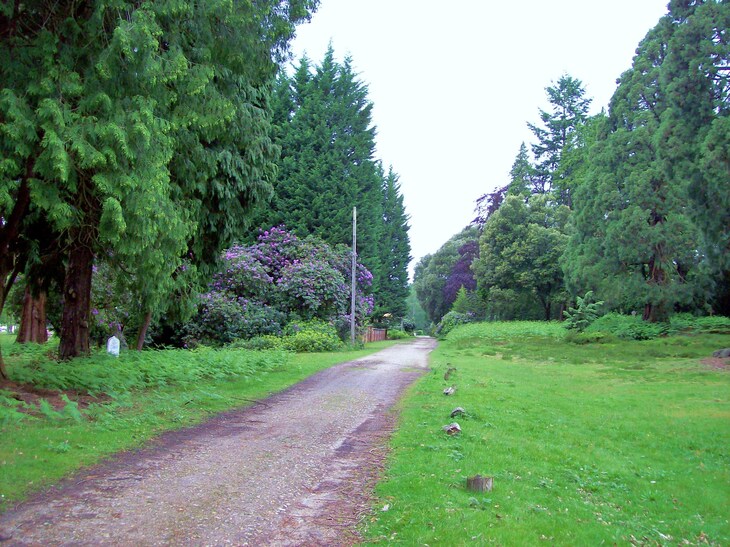
Those who'd died in the overcrowded city were transported to be buried in leafy Surrey, their friends and family travelling with them for the funeral, before being brought back to London on a return journey the same day. The railway ran from London to Brookwood Cemetery near Woking, a location which was thought to be close enough to the city for grieving relatives, but far enough away to avoid any threat to public health.
The London Necropolis Railway was thoroughly planned. The route was chosen as the countryside scenery would be comforting to mourners, and the railway had its own dedicated stock, as it was thought (probably correctly) that regular railway passengers wouldn't be happy to travel in carriages that had previously been used to convey corpses.
The first London Necropolis station was built roughly where Leake Street is now, next to Waterloo railway station (then known as Waterloo Bridge station), and the two shared railway lines out of the capital. The Necropolis station was a separate building, complete with waiting rooms for mourners, segregated by social class and religion, and bodies were stored in the railway arches while awaiting transportation.
By the late 1890s, Waterloo station had increased capacity and needed to expand, so the new Necropolis station was built on Westminster Bridge Road in 1902, and the old station knocked down. The 'death railway' continued to operate out of the building at 121 Westminster Bridge Road until 1941, when the premises suffered severe bomb damage. The London Necropolis Railway operated out of platforms back at Waterloo station until 1945, albeit with a severely restricted service. It was decided after the war that it wasn't worth rebuilding the station or reopening the Necropolis line.

Between the London Necropolis Railway opening in 1854, and the final train running out of the designated station in 1941, an estimated 203,041 people were buried at Brookwood Cemetery.
The Necropolis railway is mentioned on the official Brookwood Cemetery website today, including instructions on how to arrive at the cemetery by train (no coffin required). Thankfully, most modern visitors make use of a return ticket. The Brookwood Cemetery Society offers information on some of the notable people who are buried there, including American artist John Singer Sargent.