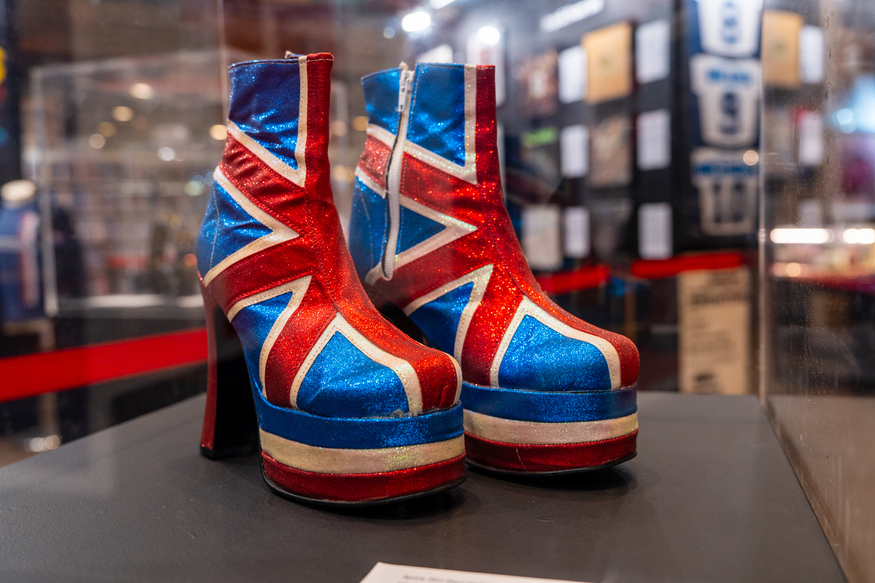
As the Barbican opens a new exhibition celebrating 1996, we also cast our gaze back 30 years to the big stories affecting London at the time.
The mid-90s have been much-celebrated as a time of optimism. Cold War over. Guitar bands dominating the charts. Britpop. Knebworth. Cool Britannia. Spice Girls. Jarvis Cocker 'mooning' at Michael Jackson. That Gazza goal at Euro 96. Three Lions on the Shirt. New Labour. Tories imploding after 17 years in power. etc. etc.
It wasn't all Champagne supernovas, though. The newspapers of the time paint a picture as troubling and scandal-filled as any other. Tube strikes, money woes, royal embarrassments... it's all so very familiar.
Below, we've pulled out one headline for each month of 1996 from the Evening Standard. Let's see how times have changed... or not.
January
Queen: I Won't Bail Out Fergie
Nothing to do with the Manchester United manager, or the future Black Eyed Peas singer. Rather, the Queen was refusing to help the errant Duchess of York, who reportedly had a seven-figure overdraft. Fergie and her creepy husband would divorce four months later after several years' separation.
30 years on: Still hitting the headlines for all the wrong reasons.
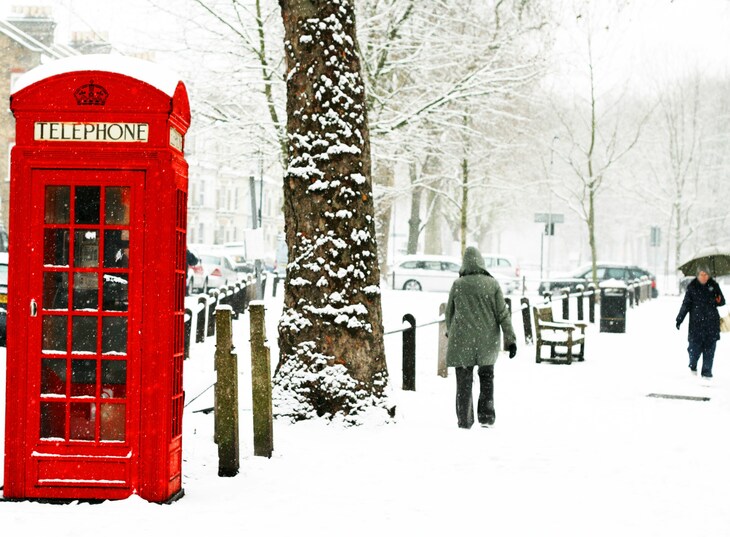
Also this month: Fergie wasn't the only one frozen out in January. Exceptionally heavy snow brought chaos to London's transport and schools.
February
London Wins Millennium
The capital "won its battle" to be the focus of Britain's Millennium celebrations, with Greenwich Peninsula earmarked as the prime location. Birmingham's NEC had been the other main contender, with a pre-Olympic Stratford and a surprise bid from Derby already ruled out. The idea of the Millennium Dome had not crystallised at this point.
30 years on: The celebrations came together in time (in more ways than one), despite a few serious hiccups along the way. The Dome and its year-long Millennium exhibition were widely judged to be an expensive flop, but the building did eventually spur major development of the peninsula. It's now a highly successful music venue and leisure destination.
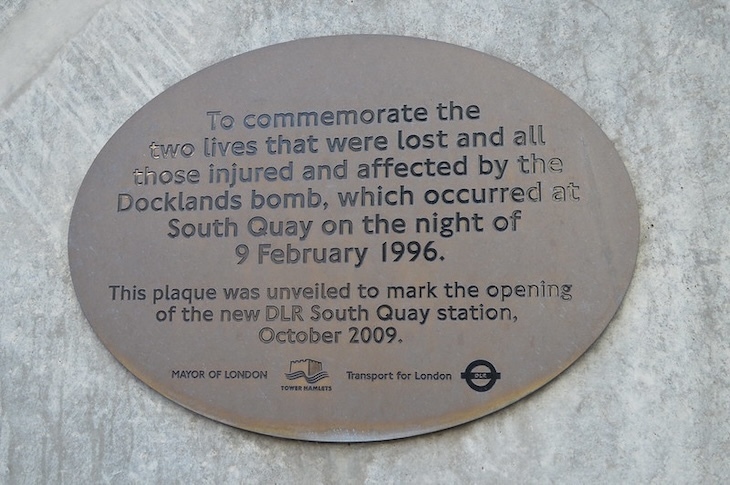
Also this month: Several people were injured and the perpetrator killed when an IRA bomb exploded on a double-decker bus at Aldwych. The blast came just nine days after another bomb devastated South Quay in Docklands, killing two.
March
Beef Could be Banned Here
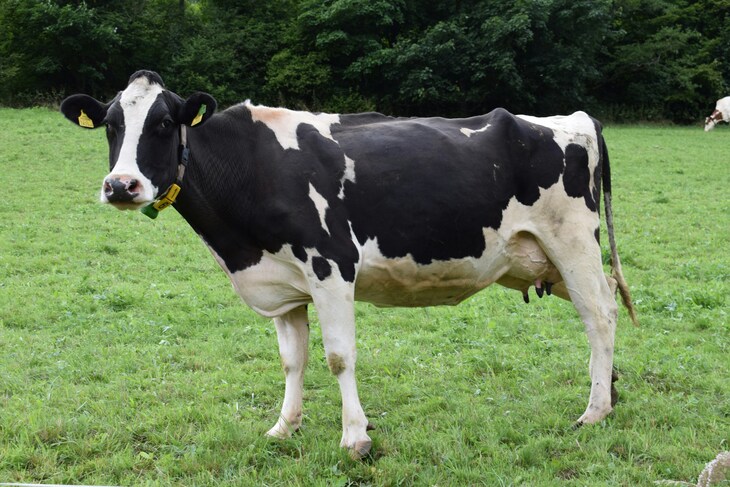
The BSE or Mad Cow Disease epidemic was one of the biggest stories of the mid-1990s. Over four million cattle were slaughtered in a bid to contain the disease, and 178 people lost their lives to the human variant. In 1996, Europe imposed a ban on the export of British beef, which lasted for a decade. As the Standard reported, this almost resulted in a complete ban on beef consumption in the UK as well.
30 years on: It's rare to hear anyone talk about Mad Cow Disease today. Meanwhile, the country's beef herd has steadily decreased in number over the decades, along with red-meat consumption.
Also this month: Legoland Windsor opened its somewhat spendy doors, just outside the capital. Meanwhile, Londoner Frank Bruno was knocked out by Mike Tyson to lose his heavyweight title, in what would be his last competitive fight.
April
Blair Demands London Mayor
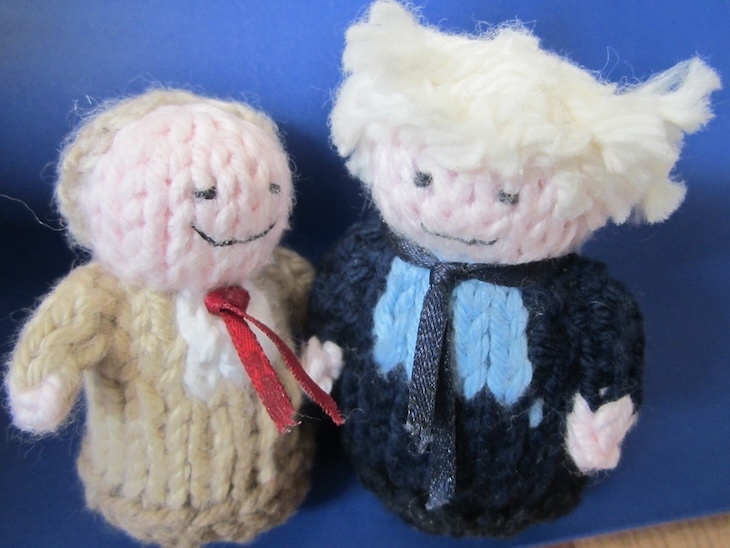
The capital had been without top-tier government since Margaret Thatcher abolished the Greater London Council in 1986. Young whippersnapper Tony Blair promised to go one-better if Labour were to win the next General Election. He would not only set up a new Assembly, but also give London its first directly elected Mayor. "There is no coherent vision for London," he noted. "There is no sense of London on the move, of a capital city bursting with ideas, ready to go into action. It has strength. It has importance. It has history. But it lacks and yet urgently requires a galvanising, powerful vision of its future. For a vision there does need to be a voice."
30 years on: Labour won a landslide victory at the 1997 election, and made good on Blair's promise to give London an Assembly and Mayor. In 2000, Ken Livingstone became the first incumbent, in a continuation of his stewardship from the old GLC days. We've since had Boris Johnson and Sir Sadiq Khan.
Also this month: The three lead suspects in the murder of Stephen Lawrence were acquitted by a jury at the Central Criminal Court.
May
£20 billion Island Airport Plan
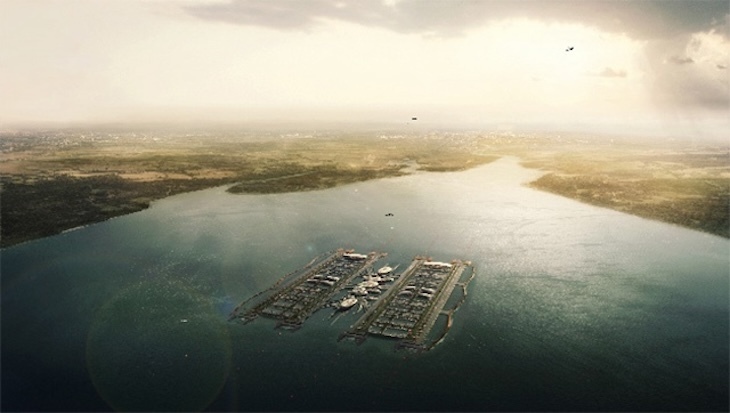
Grappling with increasing demand for air travel and freight, the Commons Transport Committee started making positive noises about building a new airport in the London region. A leading suggestion was to construct new runways in the Thames Estuary, near the Isle of Sheppey. Passengers would check in at a terminal in East Tilbury, then take a 12-minute underground rail journey to reach the island airport. This was not the first such proposal. Notably, the government had pursued a watery airport at Maplin Sands near Southend in the 1970s.
30 years on: This is one of those bad ideas that, like Pennywise the Clown, comes back to terrorise each generation. Boris Johnson — himself no stranger to clown comparisons — would revive it in 2008, to much opposition. The current Government are now backing Heathrow expansion, but we're due another bout of estuary speculation any time now.
Also this month: It was revealed that a gang of thieves hijacked a freight train at Primrose Hill and stole crates of vintage wine in what the Standard dubbed The Great London Wine Train Robbery.
June
Deadline for Millennium
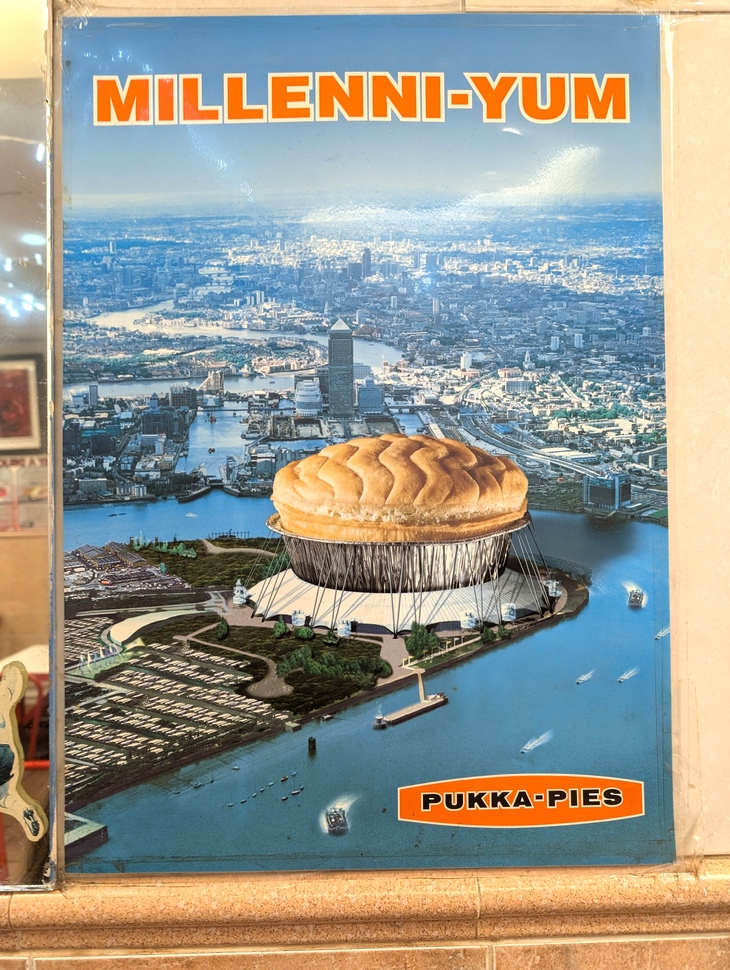
The Millennium itself was a deadline fixed in stone almost two thousand years ago, when someone decided to put Jesus at the heart of the calendar. The Millennium celebrations had to hit a number of much shorter-term deadlines to stay on track. The project almost derailed in early June 1996. Without private cash by the end of the week, the whole Greenwich extravaganza would be scrapped in favour of smaller celebrations in existing venues. Imagine: no Millennium Dome!
30 years later: The Government never did find private sponsorship, and instead threw tonnes and tonnes of lottery money into the development.
Also this month: England crashed out of Euro 96 after Gareth Southgate missed a penalty at the end of the semi-final against Germany. He'd be back. In the aftermath, 200 arrests were made following rioting in Trafalgar Square.
July
London "This Stinking City"
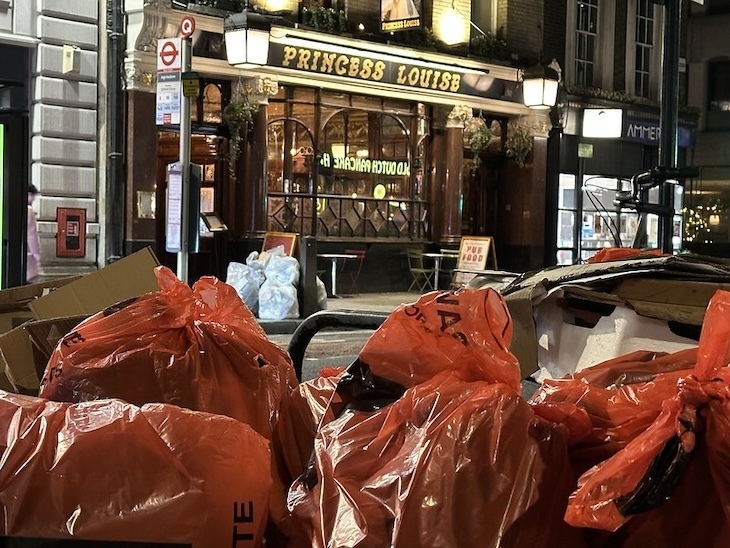
Trevor Nunn, incoming Artistic Director of the National Theatre, had some rebarbative words about the West End. Complaining of stinking, litter-strewn streets, he asked: "Who of sound mind would pay money to visit such a repellent district in search of entertainment?". He also criticised "entirely unnecessary revivals" on the West End stage.
30 years later: It's hard to find objective information, but the streets around Leicester Square and Shaftesbury Avenue seem to have much less litter and stink than we remember from the 90s. (Though you can easily find clouds of piss-smell on an early Sunday stroll through the area.) West End revivals have certainly not slowed down, however.
Also this month: One person who was undeterred by the stinking West End was Tom Cruise. He turned up at Leicester Square to usher in the premiere of the first Mission: Impossible film (and was joined by the topical likes of Noel Gallagher and Robbie Williams). He's been back a few times since.
August
Prescott's Gin Sling Taunt Over Tube Strikes
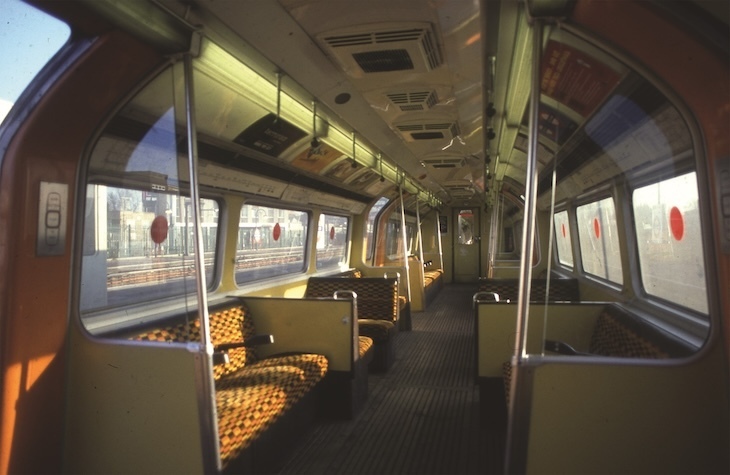
The summer of 1996 was a rough time for Tube passengers. Some 2,500 drivers went on strike over pay and working hours, bringing the network to a halt on seven separate days. Labour's soon-to-be Deputy Prime Minister John Prescott waded into the row by accusing the (soon-to-be-ousted) transport minister John Bowis of "sitting in his garden drinking gin and tonic and doing nothing to end the strike". The dispute was eventually settled by arbitration... and everyone lived happily ever after.
30 years later: Wikipedia notes that 30 separate Tube strikes occurred between 2000 and 2008. In the period since then, we've had another 16... so things are clearly getting better. Aren't they?
Also this month: A hijacked jet with 200 people onboard was forced to land at Stansted Airport. All were later released unharmed.
September
Tube Heading For Disaster?
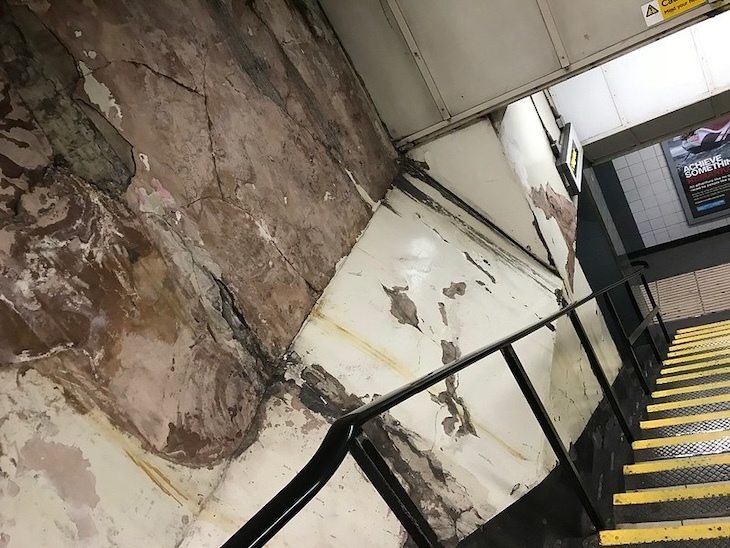
More trouble in't Tubes. A leaked report to ministers raises fears that the London Underground is "heading for possible catastrophe". Chronic underinvestment has led to numerous potential points of failure. To pick just a few, parts of the Northern line signalling system, dating from the 1950s, was 'decaying', with raw wire exposed; Ladbroke Grove station's foundation were 'collapsing', causing walls to crack; platforms at Ruislip and Northolt were in danger of crumbling into the tracks; metal fatigue had caused several escalator steps to give way. It should be noted that the alarming report was compiled by London Underground managers, and circulated just before the Tory Party Conference in a bid to get more funding, so it may not have been entirely objective.
30 years later: The Tube saw much greater investment over the coming decades, particularly after the creation of Transport for London in 2000. Accidents due to poor maintenance are rare.
Also this month: Matthew Bourne's record-breaking production of Swan Lake makes its West End debut.
October
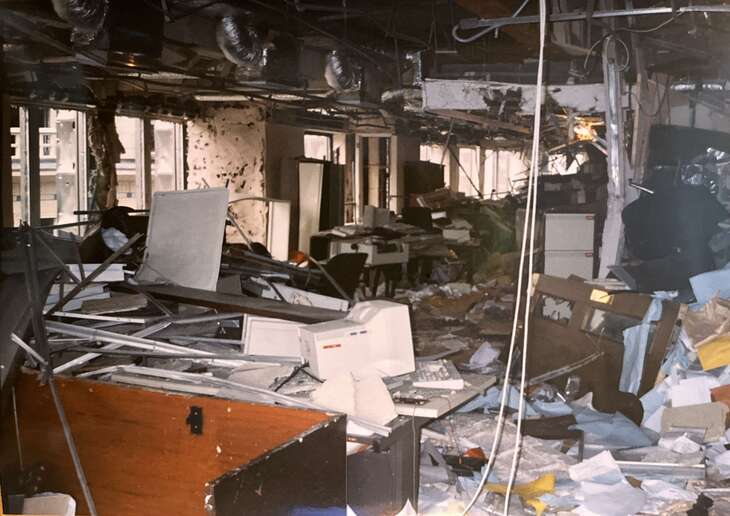
New Warning of IRA Bombs
IRA bomb attacks on London were a grimly common occurrence through the 1970s, 80s and 90s. More than 50 people lost their lives in the capital, with many high profile sites such as the Tower of London and Harrods targeted. 1996 alone had seen six attacks, including a massive bomb at Canary Wharf that killed two and caused £100 million of damage. By October, Scotland Yard were warning of possible 'spectaculars' in the run up to Christmas.
30 years later: The predicted attacks never materialised, and IRA activity in London began to ease. The Good Friday Agreement of 1998 effectively ended hostilities, though smaller-scale attacks continued for a few years afterwards.
Also this month: David Brookes is fined £45 in Hampstead Magistrates' Court for disrupting the "quiet enjoyment" of the public by playing his bagpipes on Hampstead Heath.
November
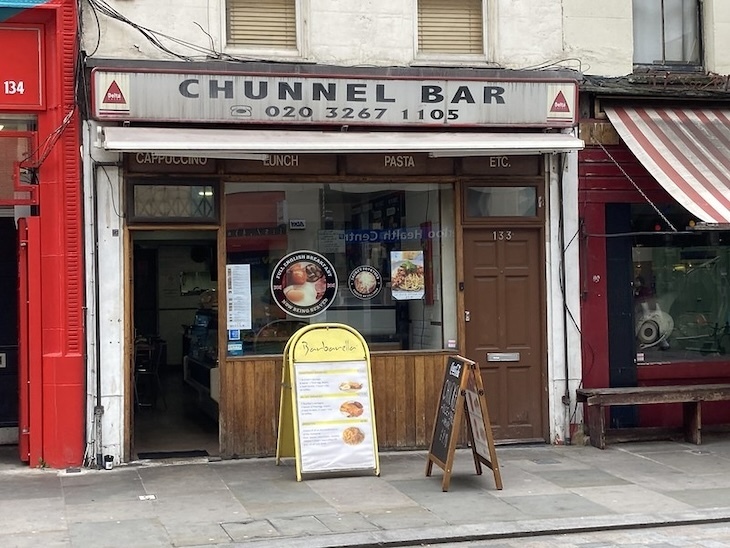
Tunnel Must Stay Closed
On 18 November 1996 a serious fire broke out inside the Channel Tunnel, about 11 miles from the French coast. Nobody was hurt, but some 500 metres of tunnel was badly damaged by the flames, which had started in an HGV aboard a freight train. The tunnel remained entirely closed for many days, and had to run on single track thereafter for weeks. It would only fully reopen in May of the following year.
30 years later: This wasn't to be the last fire in the tunnel. Others hit in 2006, 2008, 2012 and 2015. The 2008 fire also resulted in a lengthy closure and single-track running.
Also this month: The Spice Girls, who nobody had heard of a year before, switch on the Oxford Street Christmas lights.
December
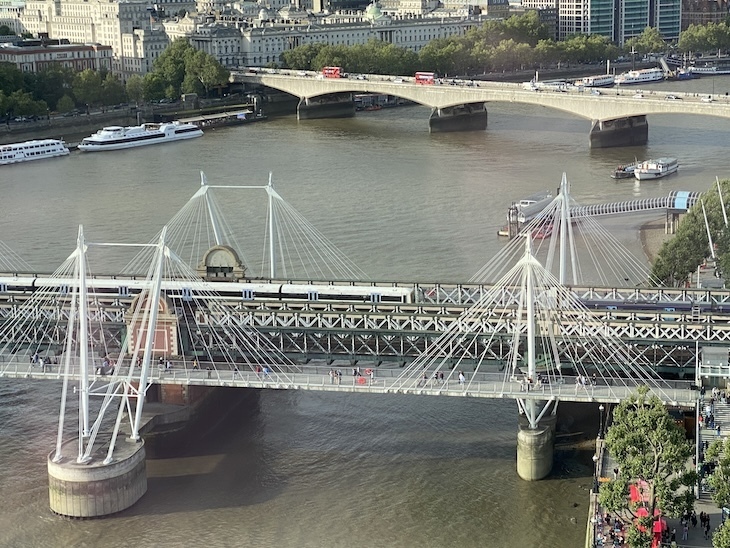
Lottery's £10 million for New London Bridges
The mid-90s was a golden era for big projects. Not only was the Millennium approaching, with its pressing need to be marked in some way, but also the recent launch of the National Lottery had created a new source of funding for nice-to-have cultural baubles. In December 1996, the government announced that £8.1 million would go towards "two seaside-themed pedestrian bridges". These would eventually materialise as the Golden Jubilee Bridges in 2002, which never struck us as particularly seaside-themed before. In any case, the twin spans, either side of Hungerford Railway Bridge, were a joyous replacement for the woefully narrow predecessor.
The remaining £2m, contrary to the headline, was earmarked for nighttime illuminations in Croydon. "Up to 30 buildings will be illuminated, with large images projected onto them offering public information and linked to local radio broadcasts or performances at the Fairfield Halls."
30 years later: The Golden Jubilee Bridges are a much-appreciated link between Westminster and the South Bank, and still feel quite new despite approaching their quarter-century. The Croydon stuff never happened.
Also this month: Aberdeen Steak House — the high-profile West End chain now trading as Angus — announced a major pivot in the wake of the BSE epidemic. Two of their steak houses had given up meat altogether in favour of seafood, under the rebranded name of Maxine's Brasserie.