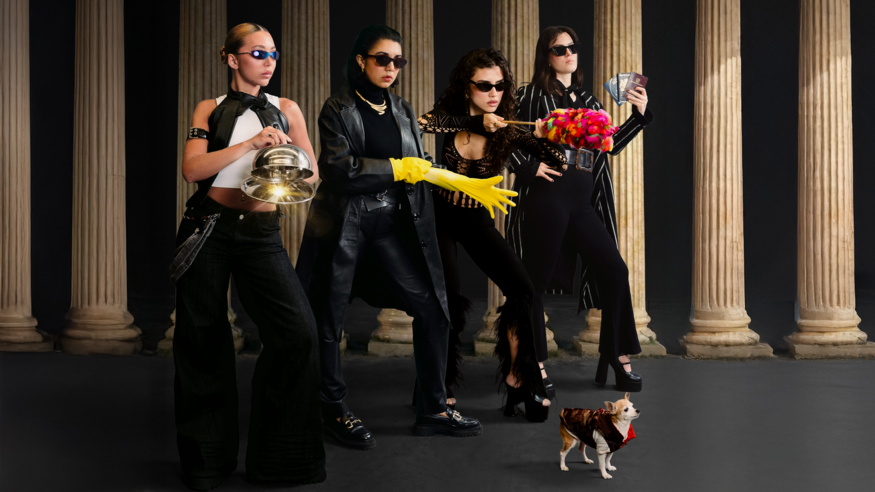
A heist thriller of a play that confronts the audience with what it means to be both Londoner and Latinx, My Uncle Is Not Pablo Escobar returns to Brixton House this spring, following an Offie-winning run in 2023. Co-creator and Latinx activist Valentina Andrade writes here about what it's like to be Latinx in London, and her hopes for her soon-to-be-born son.
I arrived in the UK when I was three years old with my grandma and my aunt. My mum had already been here for a year and a half before me.
The decision wasn't mine, of course, but when I speak to my mum, Angela Catalina, who inspired the character Catalina in the show, I understand why she came. She left Bogotá in search of a better life. At the time, our circumstances meant leaving was the only way we could build a life with peace and opportunity. At three years old, I didn't understand the impact that move would have. All I knew was that my happiness was wherever my mum was. Living far from family has never been easy. When I was five, my grandma and aunt were deported, and that loss stayed with me. But despite the distance and the challenges, being reunited with my mum in the UK gave us a chance to build a life we might not have had otherwise.
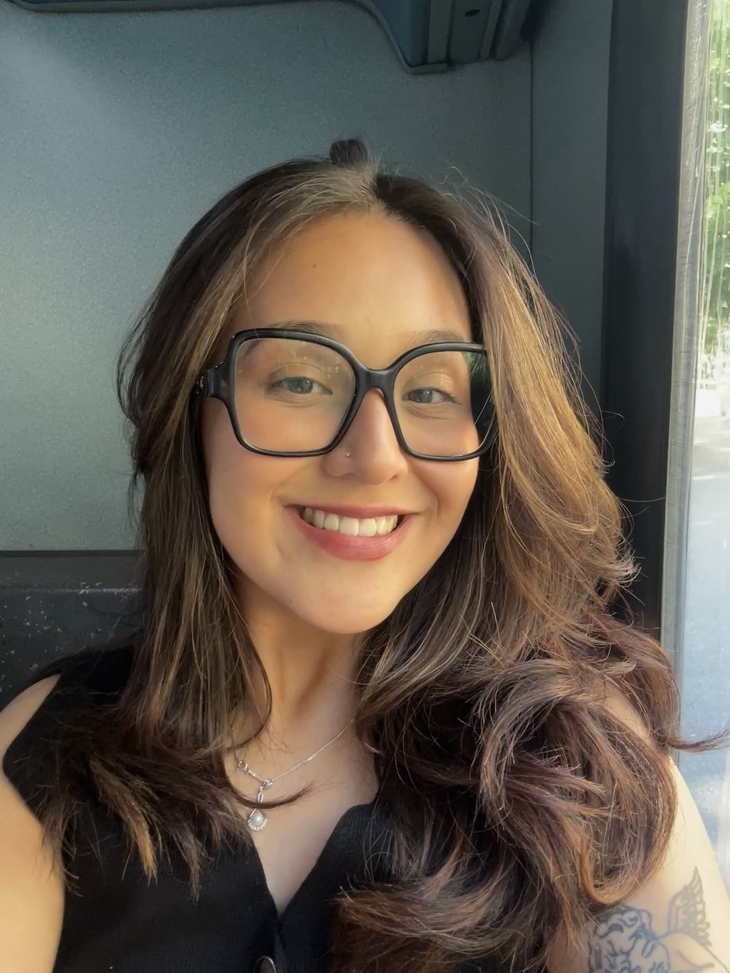
"Someone inevitably asks about drugs, whether my family deals them, or whether we're connected to a cartel"
Being Latin American in the UK often means constantly explaining that you can be both Latina and British. Too often, people assume you must fit into a stereotype. If you don't look or behave the way Western media expects Latinas to, people struggle to place you. Somehow you're not 'Latina enough' to be Colombian, and not 'British enough' to simply be British. And then there are the questions. On nights out, shouted over music, someone inevitably asks about drugs, whether my family deals them, or whether we're connected to a cartel. Those jokes come from a history that caused enormous harm to Colombia and to our people. But they also show how little many people understand about Latin Americans today. Our community is strong, creative and diverse.
But too often we're reduced to a narrow image created by Western media. When Latinas show power or talent, it’s rarely recognised as part of our culture, it's just seen as an individual woman succeeding. The truth is that Latinas are multifaceted, and our stories deserve to be told in full.
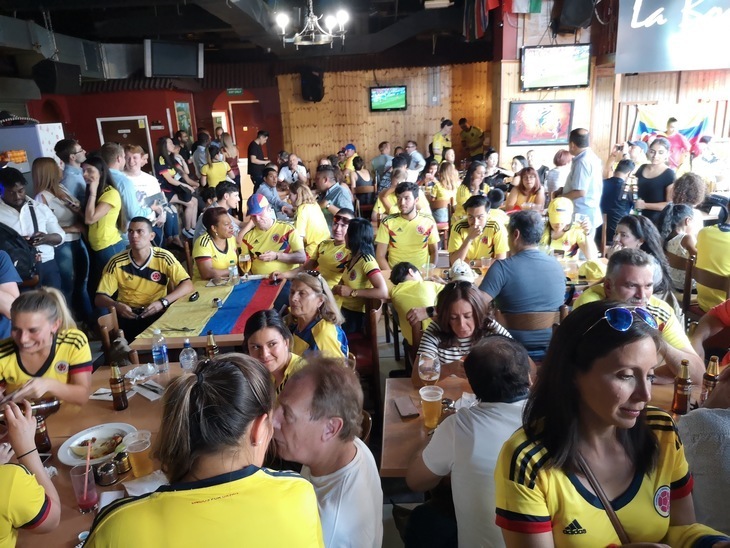
We're using theatre to challenge stereotypes and celebrate the complexity of our community
The Latin American community in London is thriving. Across the city, artists, entrepreneurs and organisers are creating spaces that celebrate our cultures. Artists like Dulier are transforming the streets of Elephant and Castle with murals that reflect the community's presence. Events like CHUCHA: Por Nuestro Ecuador, created by Sergio Lopez and Michelle Sambo, celebrate Ecuadorian heritage through art and performance. And entrepreneurs like Kevin Agila are introducing Londoners to Latin American flavours through restaurants like Kasama in Brixton (closing in this location in March 2026, but hoping to reopen elsewhere). Many of these creators are first- and second-generation migrants who want to integrate while also celebrating their roots. We're not just building businesses or hosting events, we're building visibility.
For me, amplifying our community's voice has always been personal. I don't want Latin Americans to disappear into the 'other' category on data forms, or be acknowledged only when we become a trend. With the remount of My Uncle Is Not Pablo Escobar, we're using theatre to challenge stereotypes and celebrate the complexity of our community. But the conversation doesn't end on stage.
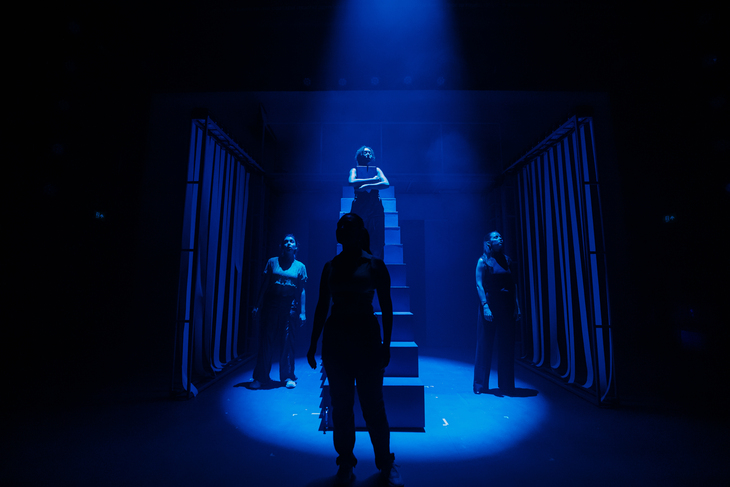
"I want my son to live in a London where British and Latin American identities are celebrated together"
Alongside the show, we're hosting a wider programme of events, including the Latin X Brixton Festival on 18 April. The festival will bring together organisations such as the Colombian Film Festival London, Cali Swing, CHUCHA, Yurupari and many more to celebrate Latin American culture at Brixton House.
This is about creating space, in the arts, in the city, and in the conversation. In April, I'm also due to give birth to my son. He will grow up both British and Latin American. I want him to live in a London where those identities are celebrated together, not questioned or separated. A London where being Colombian doesn’t prompt a drug joke, but curiosity about culture, history and creativity. Our community is already here, shaping the city in countless ways.
Now it's time for our stories to be heard just as loudly. And this show is only the beginning.
My Uncle Is Not Pablo Escobar, Brixton House, 7 April-3 May 2026.