I live in Surrey Quays, in a part of London where new developments sit next to stretches of water and bits of unexpected green space. I walk along the Thames most days. It's a quiet life compared to the one I was living a few years ago.
In my early 20s, London wasn't somewhere I lived so much as somewhere I was trying to stay afloat.
I came into the industry the way a lot of young actors do — full of training, not much money, and assuming things would somehow work themselves out. I'd been to drama school on a full scholarship, but during that time I experienced a serious mental health crisis. When I tried to raise it with the principal, he sat playing solitaire while I talked. That probably tells you everything about how prepared I was for what came next.
Not long after graduating, I came out to my family. The fallout from that was one of several things that pushed my life into a very unstable place. Over time, that instability turned into homelessness.
For about three years I existed in fragments across London. Nights with friends when I could. Ealing. East London. Wherever someone had a sofa. When that fell through, I had to improvise.
I didn't even have a proper phone contract at one point. I kept notes of wi-fi passwords so I could stand outside buildings later and get online. Survival became very logistical. Where can you sit without being moved on? Where can you stay warm? Where can you exist without being noticed?
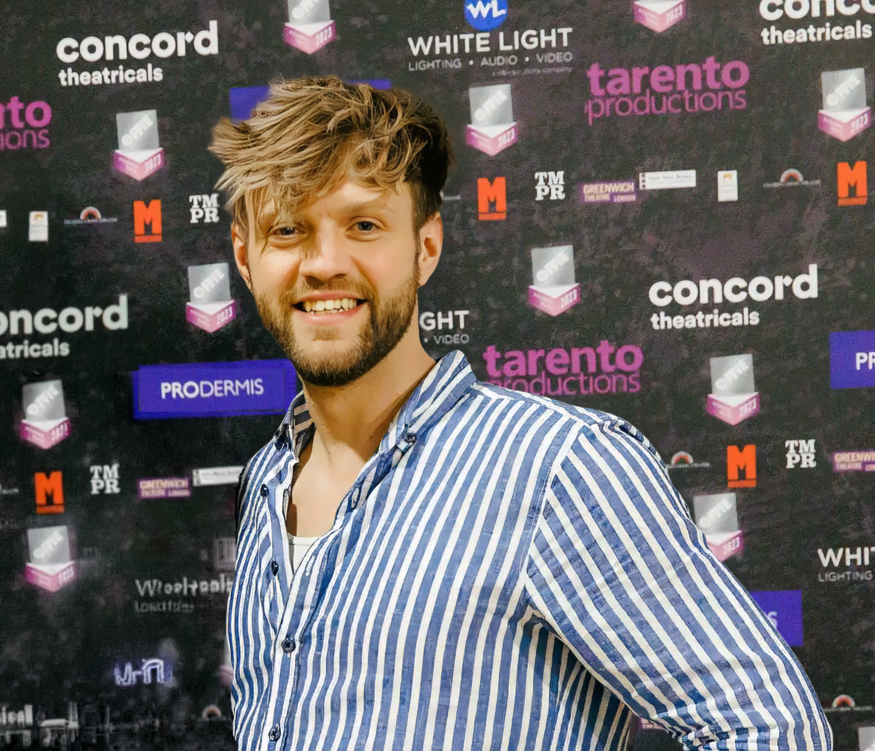
"I was playing Mercutio, while privately dealing with the fact I didn't know where I'd be sleeping"
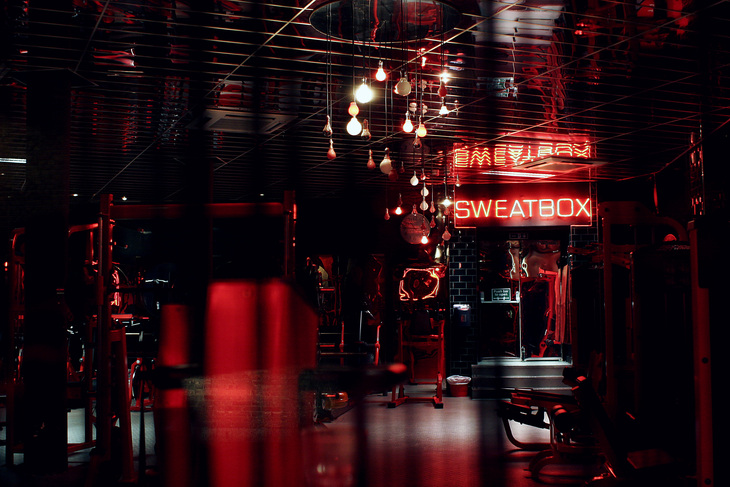
One of the places that became part of that routine was Sweatbox, the gay sauna just off Oxford Circus. There was also another one I sometimes used in Vauxhall. They were places you could be indoors through the night if you needed to be. Not comfortable, not restful, but possible. There were hard plastic sofas where people would drift in and out of sleep. Music playing constantly. Lights never fully off. If you managed to get a cubicle you might get a couple of hours before someone knocked to clean it.
I used to think about the geography of it. You could walk out and within seconds be among the polished shop windows around Liberty. Then a few steps back and you were somewhere people were quietly trying to get through the night. London contains those contradictions everywhere.
Being a young gay man also meant I understood quite quickly that I could sometimes leverage how I was perceived in certain spaces. It wasn't something I felt proud of. It was something I understood as part of how I was surviving at the time.
Meanwhile, I was still trying to build a career. I was acting at the Old Red Lion, playing Mercutio, while privately dealing with the fact I didn't always know where I'd be sleeping. At one point, I was staying overnight in my agent's office between work commitments. Like most early career actors, the pay from profit share theatre barely covered anything — probably about £50 a week once you worked it out. But the work itself mattered.
"I remember closing the door and realising nobody could ask me to leave that night"
I was also directing and producing on the fringe circuit, including a production at the Drayton Arms, without most people around me knowing how precarious things were outside of rehearsal hours.
Independent theatre in London gave me something solid to hold onto during that time. Not financially — certainly not that — but psychologically. It gave structure to weeks that might otherwise have dissolved into chaos. It meant there were still expectations of me, still reasons to show up, still a sense that I had a place somewhere.
Everything began to shift in 2015 when I was finally offered a room in a homeless hostel. I remember closing the door and sitting on the bed and realising nobody could ask me to leave that night. That feeling is difficult to describe unless you've lived without it.
From there things started to move forward. My first proper Equity contract came through Cardboard Citizens, the theatre company that works with people who have experienced homelessness. Later I appeared in the 50th anniversary staging of Cathy Come Home at the Barbican. For the first time, it felt like I was building something rather than constantly recovering ground.
These days I'm Executive Producer of OffWestEnd, the organisation behind the Offies, which recognise London's independent theatre sector. 2026 marks the 20th anniversary of the awards, with a ceremony on 30 March at Central Hall Westminster. Over the years they've highlighted work like Baby Reindeer, Fleabag and Operation Mincemeat before those shows found wider recognition.
View this post on Instagram
"The industry still has huge access problems. Only 7% of the workforce comes from working class backgrounds"
My relationship with OffWestEnd actually goes back to those earlier years, when they were one of the few organisations willing to trust me professionally despite how unstable my circumstances probably looked from the outside.
The industry still has huge access problems. Only around 7% of the workforce comes from working class backgrounds. I know what it means to try to build a career here without financial backup or family safety nets.
I don't talk about my experiences because I think they're unusual. Sadly, they're not. I talk about them because this industry depends on people being able to imagine a future for themselves inside it. If my story does anything, I hope it makes that future feel slightly more possible for someone else.
London looks very different to me now. It's the place where I built a career rather than the place where I was trying to quietly survive. But I don't think those earlier years ever completely leave you. In some ways, I wouldn't want them to.
They're part of how I understand what this city gives people — and what it still makes people fight to hold onto.
The 2026 Offies take place on 30 March 2026 at Central Hall, Westminster, hosted by drag sensation Divina De Campo. The event will also be live streamed.