
Planning a weekend in the Austrian capital of Vienna? We don't claim to know it as well as we do London (or say, Liverpool, Bristol or York). But we've had ourselves a jolly good time here on more than one occasion, exploring grandiose buildings, quirky museums — and some of the ritziest coffee joints you'll ever slurp in.
Here, then are our top tips for things to see, do, eat and drink on a city break to Vienna from London.
Vienna need-to-know
Getting to and around Vienna: Vienna is around a 2.5 hour flight from London. Once you get to Vienna Airport, heading to the city centre on public transport is a doddle on the dedicated City Airport Train (CAT). Its lime green branding makes it simple to find and use, and it costs around €14 for a single, 16-minute trip to the city centre. But know this: the S7 S-Bahn railway line also runs from the airport, and is around 1/3 of the price of the CAT.
Once you're in the city centre, five easy-to-use U-Bahn (subway) lines connect most places you need to go. Read more of our thoughts on Vienna's subway system. Although stations in Vienna don't have ticket barriers, you do need a ticket, and could get fined if you're caught travelling without one.
Weather in Vienna: You might think of Vienna as a winter destination, and true, it's magnificent in the snow. That said, it certainly heats up. We've been in August when the temperature's tickling 40°C, though that was an exceptional heatwave. 30°C is a more normal summer high.
Language: Austrian German is the main language in Vienna, but don't worry if you're not familiar with the language — everyone here speaks very good English.
Best time of year to visit Vienna: Depends what you're after. The city comes into its own at Christmas with markets, ice rinks and twinkling lights. In summer, the Danube comes alive with a surprising number of water sports, and even makeshift beaches alongside the Danube. Naturally, these are the peak times, whereas spring and autumn tend to be quieter (and cheaper). Vienna puts on quite the blossom show in spring. TL;DR: There's no bad time to visit.
Sundays in Vienna: The majority of shops shut on Sundays in Vienna. Cafes, restaurants, bars, museums and tourists attractions (and the gift shops within tourist attractions) remain open, but most supermarkets, high street shops and local convenience stores close for the day, so plan ahead for any supplies/souvenirs. If you find yourself in desperate need on a Sonntag, we can personally vouch for the fact that the large Billa supermarket within Praterstern station remains open. If it's last-minute souvenirs you're after, the gift shops within the Prater amusement park across the road open on Sundays too.
Things to see and do in Vienna
Vienna's best attractions
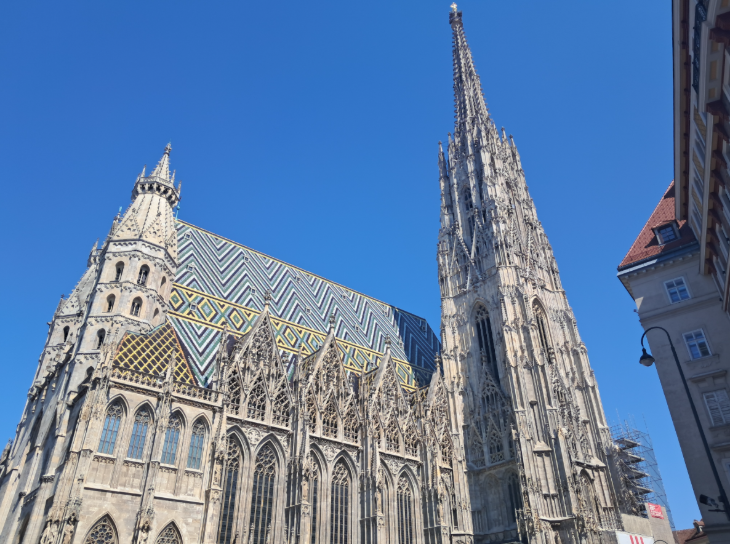
Among Vienna's most popular places to visit are St Stephen's Cathedral (Austria's tallest church, with a glittering mosaic roof); Karlskirche (Church of St. Charles) and the Vienna State Opera. Ticked them all off your list? Here are a few of our favourite spots around the city:
Prater
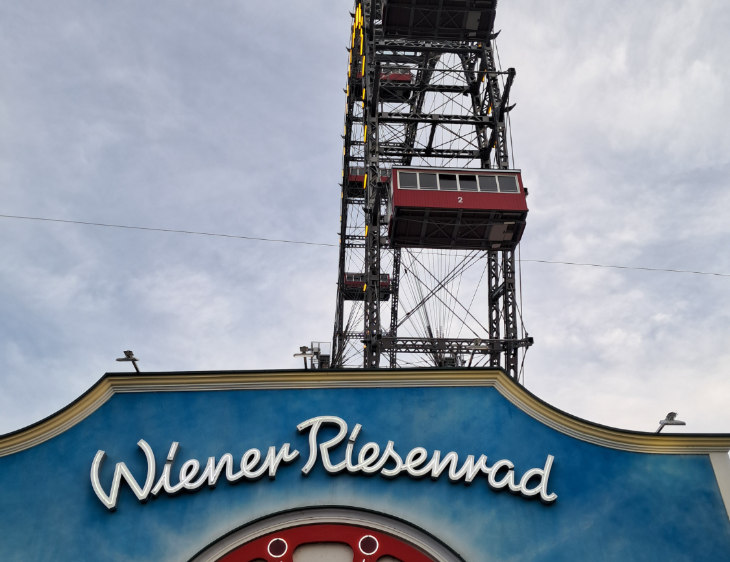
Other than St Stephen's Cathedral, the most obvious landmark on the central Viennese skyline is Wiener Riesenrad, or the giant red ferris wheel, immortalised in noir movie The Third Man. Head towards it and you'll find yourself in Prater, an historic amusement park packed full of rides, attractions and entertainment. Entry to Prater itself is free, and you could spend a day (and a fortune) doing everything. But if you're short on time, and fine with heights, head straight for the Wiener Riesenrad itself. Wind your way through a miniature museum of charming dioramas before boarding the wheel. The "wagons" are larger than those on a normal ferris wheel, and to our mind resemble old wooden train carriages. A turn takes about 15 minutes, reaching a peak of 64m above ground level and giving you ample views across the city in all directions.
The Donauturm/ "Danube Tower"
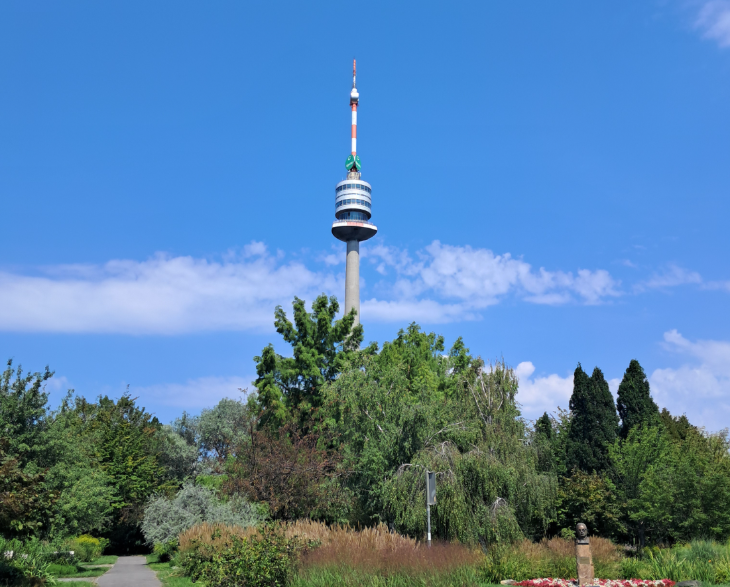
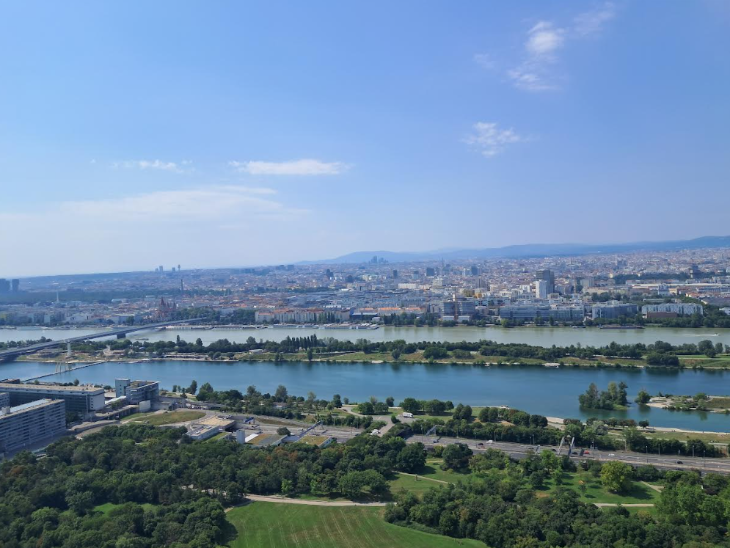
Another one for visitors with a head for heights, the Donauturm (Danube Tower) is the mast-like structure (not unlike London's BT Tower) on the other side of the river. Due to it being so far out of the city centre, its 160m-high viewing platform is a great position from which to view the entire town, while also gazing into the domestic gardens directly below (a surprising number of which have permanent outdoor swimming pools, proving once again that Vienna is not just a winter destination). Head up another level for the cafe, or book ahead for the restaurant. The Donauturm is also home to Turm Rutsche, Europe's highest slide, taking you between two levels of the viewing platform. Trust us when we say you aren't ready for the speed you'll reach during the 40m journey.
Vienna Zoo/Schonbrunn Zoo, and Haus des Meeres
Vienna Zoo, also known as Tiergarten Schönbrunn, is home to a seriously impressive array of exotic animals, including pandas, polar bears, elephants, giraffes, lions and tigers. It's EAZA-approved, meaning it's recognised for its standards of animal care and conservation work — and, as with everything in Vienna, has some wonderful buildings. The central restaurant rotunda building might just be the fanciest zoo cafe we've ever seen (do stick your head inside for a glimpse at the ceiling). Top tip: Tiergarten Schönbrunn has public lockers in the basement by the entrance, ideal if you're visiting on your way to or from the airport.
Animal fans might also enjoy Vienna's Haus des Meeres (House of the Sea), an aquarium in the centre of the city housing sharks, crocodiles and snakes. The building itself is something of a modern architectural headscratcher, and it's right across the road from Teddy's American Diner, which does a fine line in burgers and milkshakes.
The Spanish Riding School/ Spanische Hofreitschule
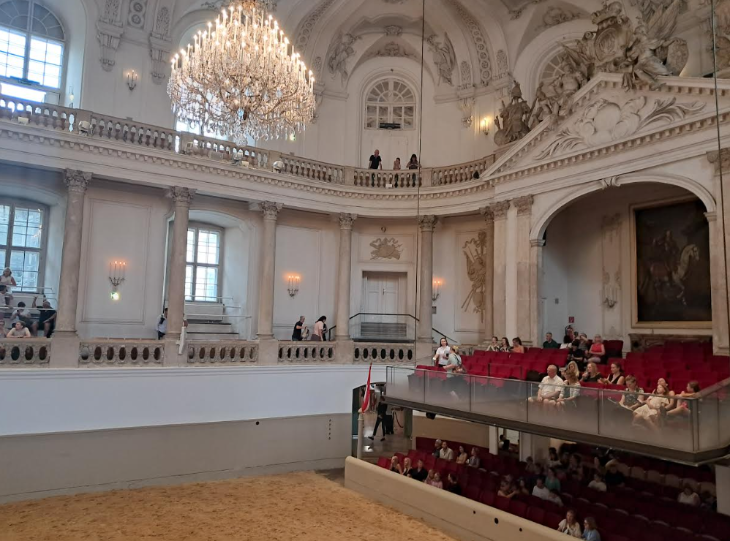
No, that's not a geographical glitch. Vienna is so glitzy that even the horses work beneath chandeliers. The Spanish Riding School is located within the Hofburg Palace complex (more on which below) and is home to the famous white Lipizzaner horses, a special breed from stud farms in Graz and Slovenia best known for their dancing performances. Regular shows take place, as well as tours of the riding school, but the best value option is to attend one of the Morning Exercise sessions, when you can see the horses being put through their paces by their trainers. They aren't joking when they say events take place in "the most beautiful riding hall in the world", but note that taking photos/videos during the performances is strictly forbidden.
Vienna's palaces
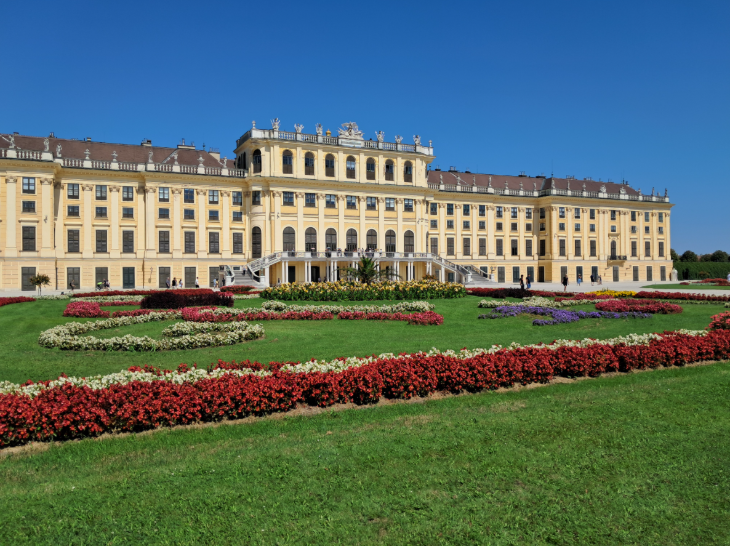
If you think London does an excellent line in palaces, just wait until you see Vienna's glittering offering. As much as we love Buckingham Palace, it doesn't begin to compare.
Hofburg Palace
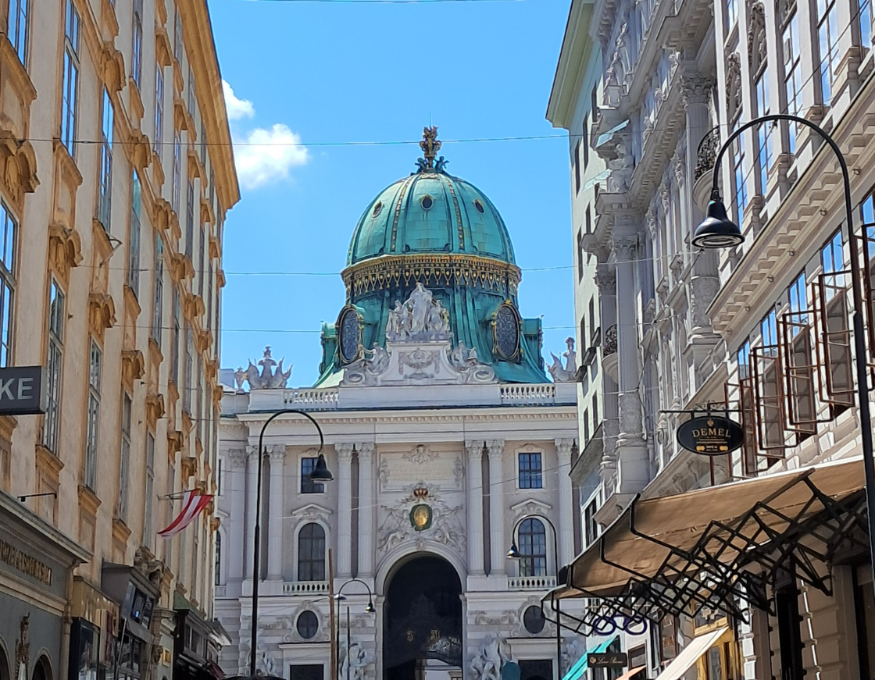
19 courtyards and 18 wings make up the Vienna Hofburg, one of the largest palace complexes in the world, previously the winter residence of the Habsburg Monarchy, located right in the centre of Vienna. These days it's used as the state offices of the President of Austria and various government ministers, though parts are open to the public, including the Sisi Museum and Imperial Apartments. No time for a full tour? Wander down Kohlmarkt, just a couple of minutes walk from Stephansplatz, to get a glimpse at its magnificent entrance (the public can also continue through that archway, further into the complex, without needing a ticket).
Schloss Schönbrunn
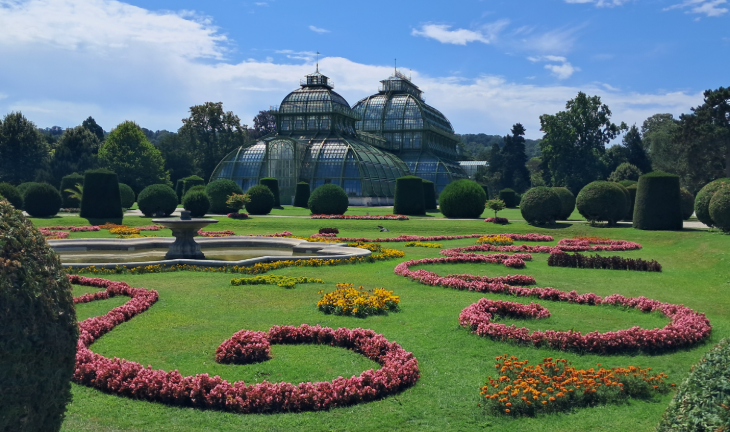
The incredible Schloss Schönbrunn, or Schönbrunn Palace, gives Versailles a run for its money. A sprawling facade overlooks satisfyingly symmetrical formal gardens, a large public park, and perhaps Schönbrunn's most famous feature, its "Gloriette" or summer house, which faces down at the main palace from the opposing hilltop. The park, and parts of the gardens can be visited for free (and a popular Christmas market is held here during the winter months), and visitors can pay to enter the Baroque palace building itself, a UNESCO World Cultural Heritage Site which was built as the summer residence for the Hapsburgs.
Belvedere Palace
Two Baroque palaces (the Upper and Lower Belvedere), the Orangery, and the Palace Stables combine to make the Belvedere Palace complex, which these days houses a very impressive art collection. Pieces by Klimt, Schiele and Van Gogh are on display in Upper Belvedere, while temporary exhibitions are held in Lower Belvedere, and Medieval art is on show in the Palace Stables. Needless to say, the buildings themselves are also works of art (this is Vienna, after all).
Vienna's best museums
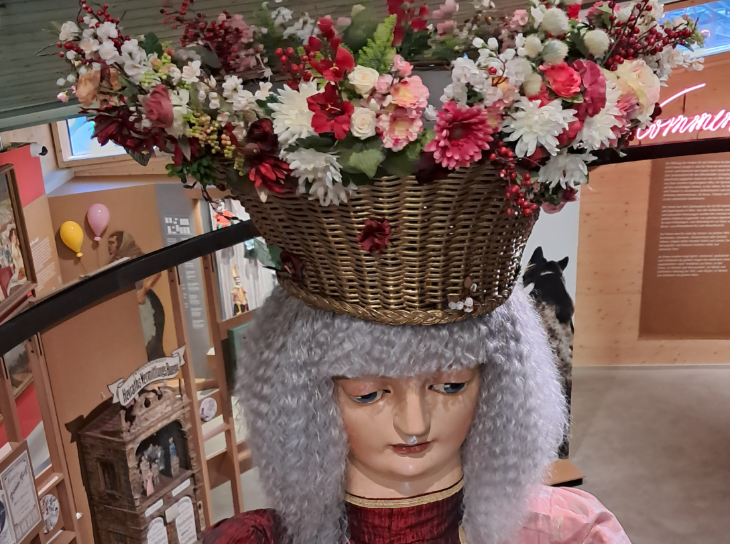
Vienna is replete with museums, from the huge Albertina, specialising in Modern Art, to Mozarthaus, the composer's former home, many of which are operated by Wien Museum. There's much joy to be had in exploring the city's smaller and more niche museums though; our favourite might just be the Prater Museum, located within the amusement park and telling its history through old photos, videos... and a giant stuffed bear. The Crime Museum is strictly for those with strong stomachs, while the Funeral Museum digs (no pun intended) into the history of cemetery culture.
Top of our list for our next visit is the Circus and Clown Museum, only open for three hours a week, on a Sunday. And, though it's not a museum, also the Third Man tour, where you get to follow in the footsteps of Orson Welles' unscrupulous character Harry Lime, namely into Vienna's elaborate sewer system. This runs May-October.
The Wien Museum and Vienna tourism websites offer a full list of Vienna's many museums.
Other things to see and do in Vienna
Hundertwasser House and Village
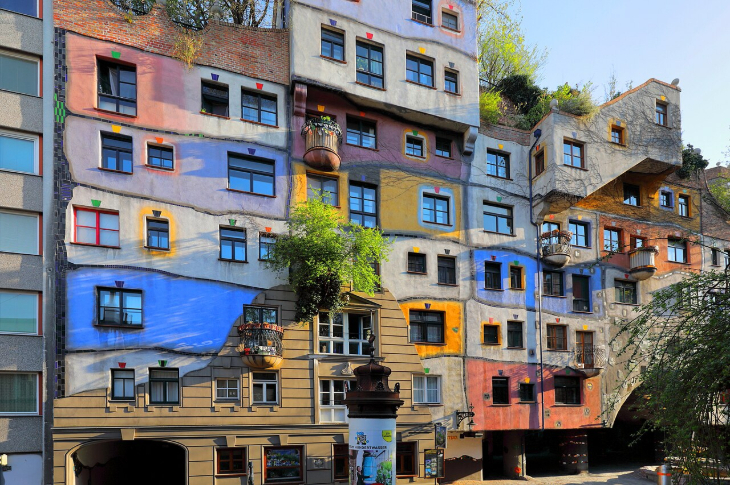
Eyeballs need a break from Vienna's perpetual architectural elegance (seriously, the entire city is sickeningly beautiful)? Head to the free-entry Hundertwasser Village, best described in London terms as "Camden Market meets a more subtle version of the House of Dreams". Artist Friedensreich Hundertwasse first took over a regular house in the city, planted a forest on the roof and decorated it in all colours. Right opposite it is the Hundertwasser Village, an old tyre workshop turned into a village square and open-air market. The Kunstcafe coffee house on the ground floor plays a free film in which Hundertwasse talks viewers through his house.
Visit Bratislava
There's enough to see and do in Vienna itself to keep you busy for several weeks, but the Austrian capital is only a short hop from Bratislava, the capital of neighbouring Slovakia, making it easy to visit in a day trip. Various trains and buses cover the 70km route, but if you're doing the journey in the summer, consider taking the Twin City Liner boat down the Danube, with a journey time of about 1hr 15 min each way.
Where to eat and drink in Vienna
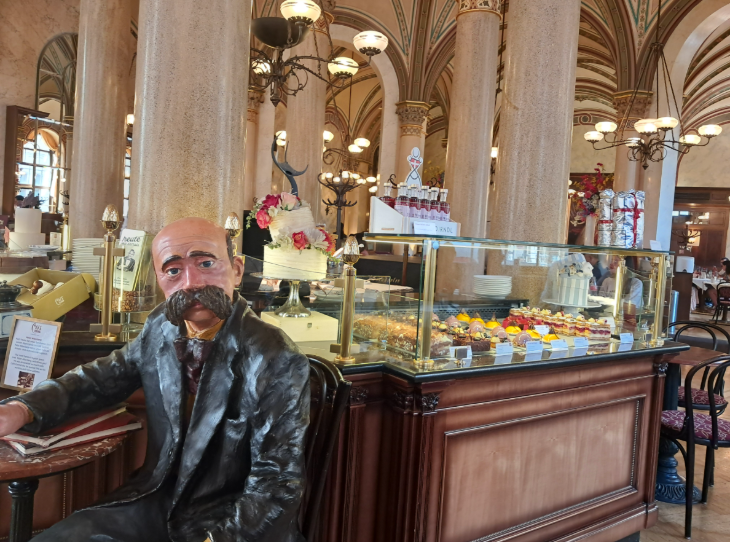
Vienna is well-known for its Grand Cafes, large and extremely opulent dining rooms serving drinks, exquisite cakes and pastries, and light meals, often beneath gilded chandeliers or surrounded by marble. Among the more famous is Cafe Central, which can claim Leon Trotsky and Sigmund Freud as past regulars, though these days it's better known for the queues of (predominantly) tourists waiting outside to get a table. (We can personally vouch that the wait is worth it.) It does now offer online reservation, but slots tend to get booked up weeks in advance. Cafe Sacher is another of Vienna's top Grand Cafes, and if you end up here, try a slice of the sachertorte, a famous Austrian cake with chocolate and whipped cream, invented on the site in the 19th century.
For something a little quirkier, and absolutely delightful, book yourself a spot at Výtopna in the Naschmarkt area of town. It self-describes as "meat and beer on rails" so doesn't cater too well to vegetarians, but it's pure joy to see your food and drinks delivered to your table via miniature trains which roam the restaurant on specially-designed tracks:
View this post on Instagram
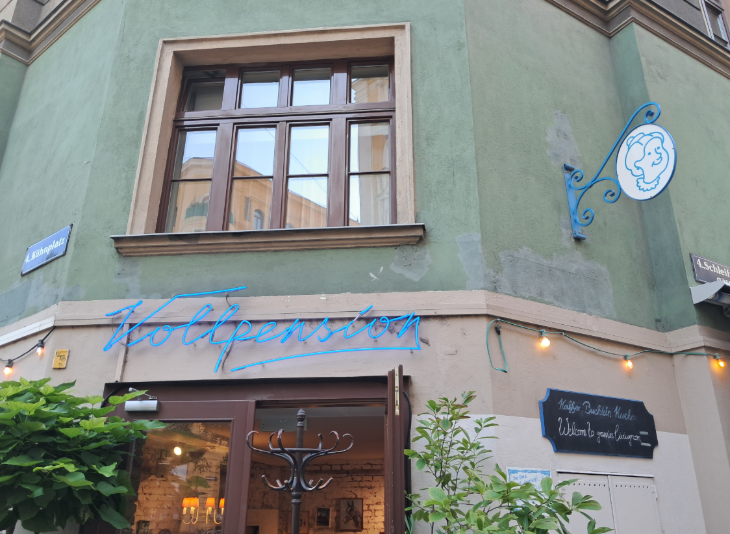
Another "quirky" but solid Vienna eatery is Vollpension, also known as Granny's Cafe, a cafe and bakery which doubles up as a social enterprise, employing older people in a bid to combat loneliness and isolation. The result is a slightly kitsch, but incredibly welcoming, atmosphere serving top-tier cakes.
We don't pretend to have tried all of the city's drinking holes, but we've whiled away an enjoyable afternoon-evening at the incredibly stylish Loos American Bar, which makes you feel like you're stepping back in time as you order your Tom Collins. The interior oozes with marble, with bar stools and cosy booths packed onto a chequerboard floor, as designed by its namesake, celebrated architect Adolf Loos. Despite its small size and being just a couple of minutes walk from Stephansplatz, its side-alley location means it rarely gets too busy. In summer, bag an outside table to watch the foot traffic passing by at the bottom of the street.
For something a bit special head up to the 58th floor of the Meliá Vienna to Altia Skybar, a high-end cocktail bar with swoonworthy city views. Settle yourself on the highest roof terrace in all of Vienna and sup your way through the signature cocktail menu.
Where to stay in Vienna
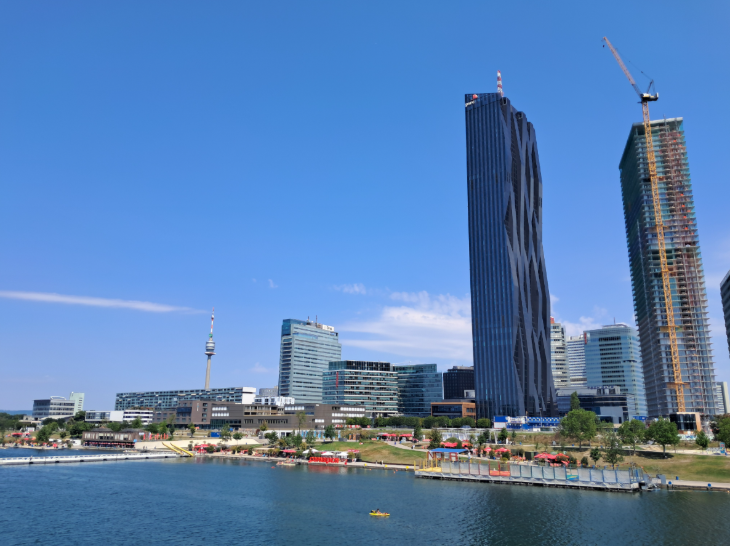
The best area to lay your head in Vienna depends what you want to get up to while you're there. If you're a newbie, the Stephansplatz area is the centre of Vienna's tourist action, close to shops, restaurants and attractions (though naturally, hotels around here are priced accordingly), offering a decent base to see everything.
Willing to venture a little further out? We're huge fans of Melia Vienna, a business hotel located within DC Tower 1, Vienna's tallest skyscraper. It's on the other side of the river from the city centre, but strolling over the Danube on a beautiful summer evening is a top-tier Vienna experience (and it has its fair share of sights in winter too). It's about a 30-minute walk to Praterstern/an hour to Stephansplatz from the Melia Vienna, but it's a three-minute walk from Kaisermühlen-VIC station on the U1, which'll whisk you to the city centre in a matter of minutes. Just be careful to use the right station exit when you return to Kaisermühlen-VIC, lest you end up face-to-face with armed guards at the neighbouring Vienna International Centre (VIC), a United Nations base. Go on, ask us how we know.
Shopping in Vienna
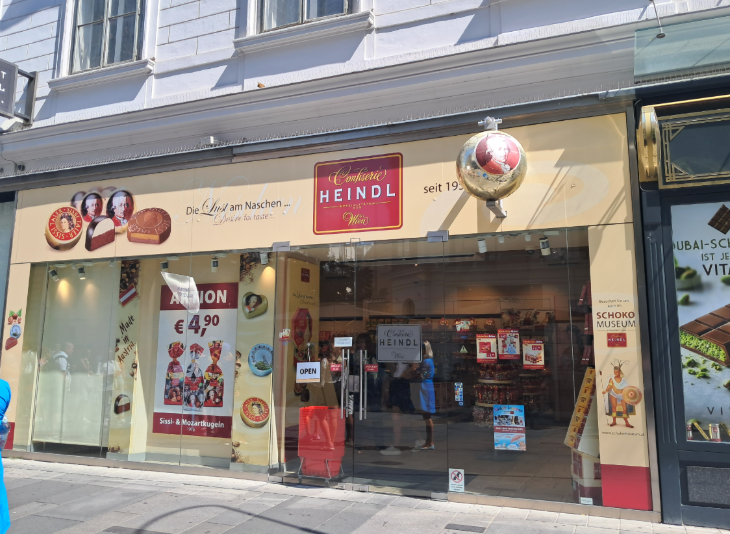
As with all major cities, Vienna is replete with places to part with your cash, if you're so inclined. The main (read: touristy) shopping areas include Mariahilfer Straße, a lengthy thoroughfare of more than 3km (head to the eastern end for most of the shops, a mix of high street and designer stores). The pedestrianised Kärntner Straße and surrounding back streets runs from St Stephen's Square to the Vienna State Opera, and is laden with tourist shops. Wollzeile is the place to head for more traditional shopfronts, including the pastel pink Cafe Diglas, and to browse independent book and gift stores. Wien Mitte is central Vienna's main indoor shopping centre, though it's rather small. A larger Westfield mall is located out in the suburbs at Kagran.
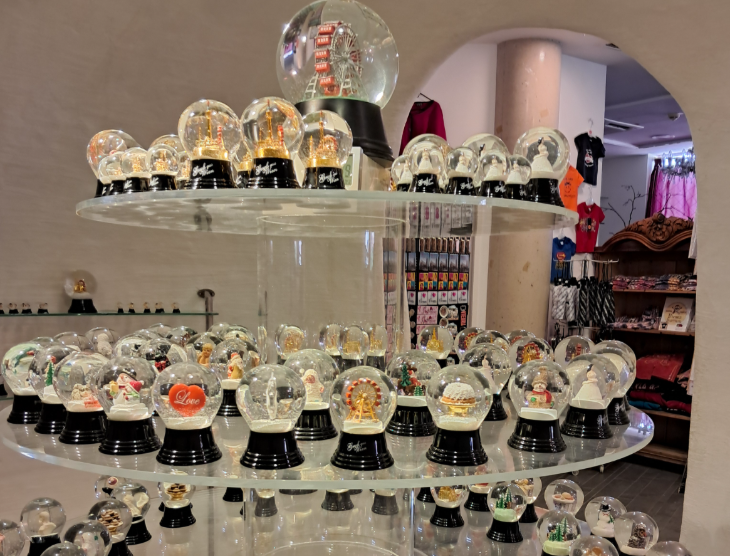
As for souvenirs, it's widely acknowledged that the humble snow globe was invented in the vicinity of Vienna, and we've seen some absolute beauties for sale, including at the Hamtil & Söhne gift shop at Vienna State Opera and at the souvenir shop at the main entrance to Prater (beneath the footbridge), but never quite figured out how to get them back to the UK in one piece. Vienna even has its own little-known Snow Globe Factory Museum and shop, We've not visited yet, but it's on the list for our next trip.
For an easier-to-transport (and always well received) gift, pick up some Mozart Kugel (or "Mozart Balls"), small and incredibly moreish marzipan-chocolate spheres, wrapped in foil with Mozart's face slapped on top. You'll find them in almost any supermarket, corner shop or tourist shop you visit, while branches of confectionery shop Confiserie Heindl specialise in them.
Other tips for visiting Vienna
- If you're planning to go hard on touristing during your time in Vienna, consider getting the Vienna City Card. It's available for several different time lengths, from 24 hours to seven days, and includes entry to some of the big attractions, and discounts at others with the option to add-on public transport, so that all of your journeys are covered (with the exception of reaching the airport, as that's in a separate travel zone). The Ivie app, which contains the card, is genuinely really useful for finding places which you may never have known about... and that's how we ended up at the blissfully air-conditioned Clock Museum to kill an hour or two on a sweltering August day.
- Fancy seeing an opera while you're in town, but shocked at the price of tickets? Some venues offer "standing tickets", available on the day at a much lower cost, the catch being that you have to stand at the back of the auditorium for the duration of the show. Details vary — check the website of the venue you want to visit for full details.
- You may have seen the Vienna Subway exit which went viral on social media for the incredible views offered from the escalator — particularly at Christmas when festive lights adorn the street. The station in question is Stephansplatz, with the escalator taking you out onto views of the Cathedral itself. Alternatively, head into the World of Souvenirs store on the corner directly opposite the cathedral and head upstairs, or dine at Asian restaurant Onyx within the Do&Co Hotel for views from the sixth floor.
All images by Londonist unless otherwise stated.

.JPG)