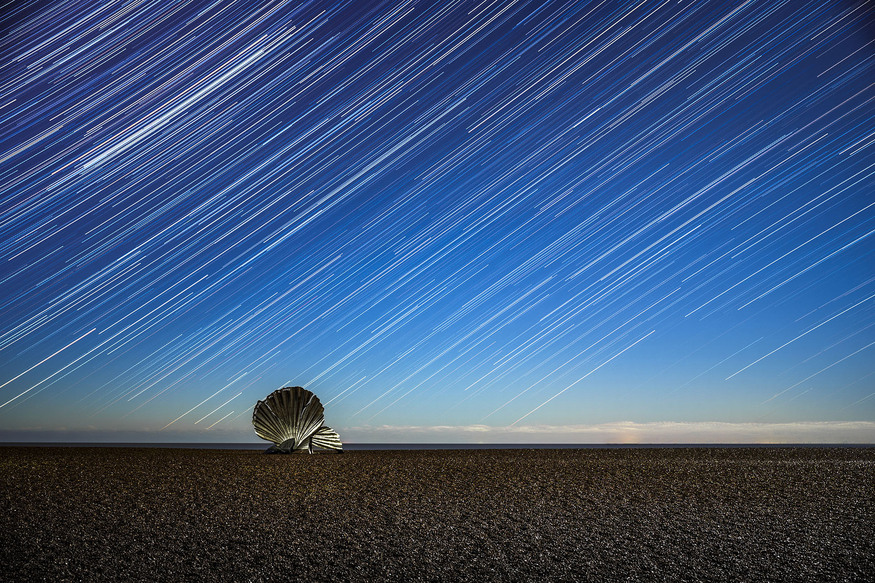
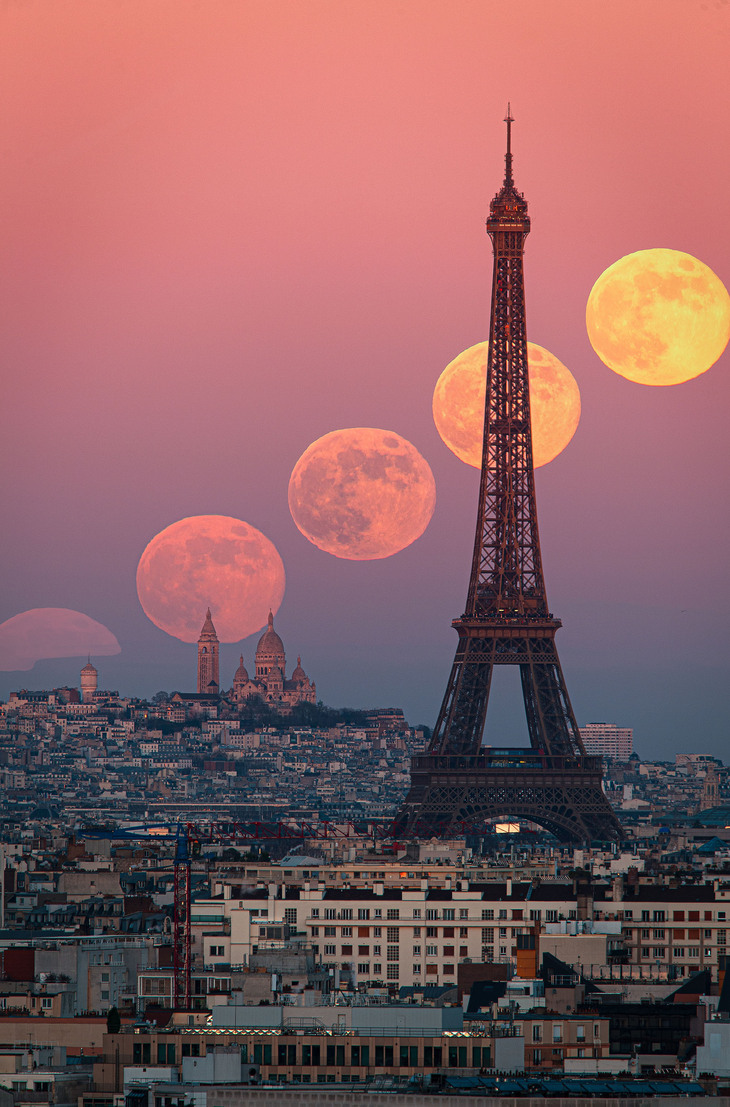
The path of a Paris supermoon, and the incandescent Aurora Australis over New Zealand's Te Hoho Rock are among the galaxy of extraordinary images that feature in the 2026 ZWO Astronomy Photographer of the Year exhibition.
Almost 4,000 entries were received for the 18th edition of the coveted photography prize, taken by passionate amateur and dedicated professional photographers hailing from 66 countries — but only the cream of the crop (i.e. around 100) will go on display at Greenwich's National Maritime Museum this September.
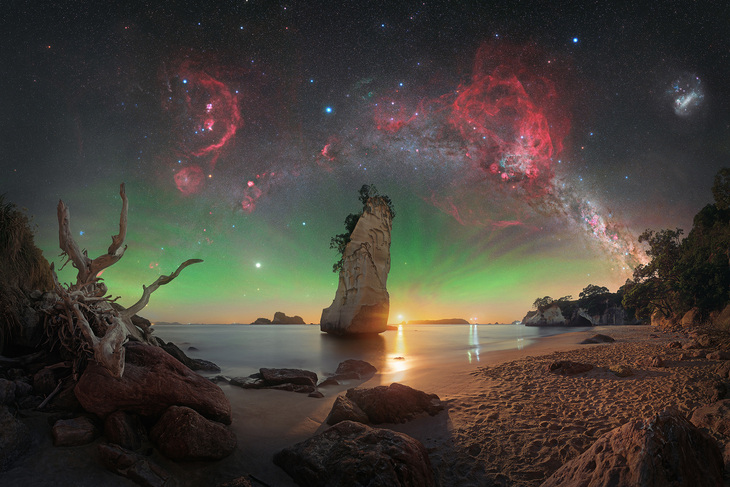
The full list of categories is:
🪐 Skyscapes: Landscape and cityscape images of twilight and the night sky featuring the Milky Way, star trails, meteor showers, comets, conjunctions, constellations, halos and noctilucent clouds alongside elements of Earthly scenery.
🪐 Aurorae: Photographs featuring auroral activity.
🪐 People and Space: Photographs of the night sky including people or a human-interest element.
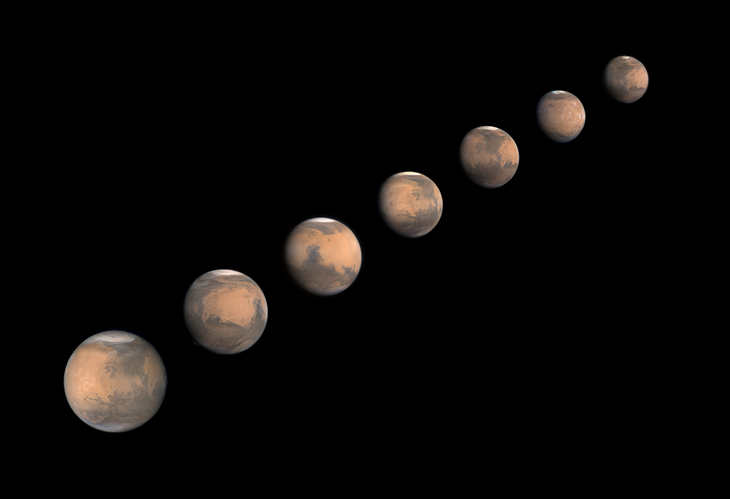
🪐 Our Sun: Solar images including transits and solar eclipses.
🪐 Our Moon: Lunar images including occultations of planets and lunar eclipses and transits.
🪐 Planets, Comets and Asteroids: Everything else in the Solar System, including planets and their satellites, comets, asteroids and other forms of zodiacal debris.
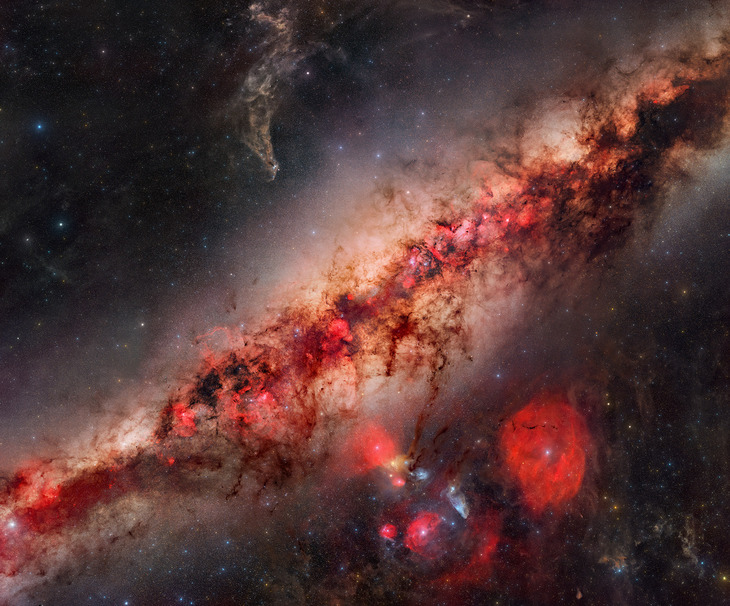
🪐 Stars and Nebulae: Deep-space objects within the Milky Way galaxy, including stars, star clusters, supernova remnants, nebulae and other galactic phenomena.
🪐 Galaxies: Deep-space objects beyond the Milky Way galaxy, including galaxies, galaxy clusters and stellar associations.
🪐 ZWO Young Astronomy Photographer of the Year: Pictures taken by budding astronomers under the age of 16.
Though the 18th annual exhibition lands at the National Maritime Museum on 18 September 2026 (the overall winners being announced the night before), you can still see the 17th annual exhibition on show until 3 August.
ZWO Astronomy Photographer of the Year 2026, National Maritime Museum, 18 September 2026-August 2027.