Trackside Transformation: The Evolution of British Mainline Stations 1923-1947 is a new book that digs into the station architecture of the 'Big Four' — Great Western Railway, London Midland and Scottish Railway, London and North Eastern Railway, and Southern Railway — between the 1920s-40s.
Here, author Daniel Wright heads south to discover the gorgeous interwar stations built apart from those on the London Underground.
When speaking of railway stations in London from the 1920s and 1930s, most would no doubt think of the remarkable work of Charles Holden for the Underground.
Revered in period, and celebrated ever since, his estate of stations from 1923-1947 revolutionised the approach to modern architecture in Britain and left an enduring legacy on the capital's streets.
However, the Underground wasn't the only company building striking stations in London at the time. South of the Thames one of the four national railway firms was designing its own take on the modern British railway station.
Between the two World Wars, railway commuting in London boomed. The creation of new lines and the rebuilding existing stations to meet the demand occurred at a dizzying pace. Development north of the Thames was the domain of the Underground and Metropolitan railways, but south of the river, it was the Southern Railway which operated and expanded a dense network of mainline commuter routes.
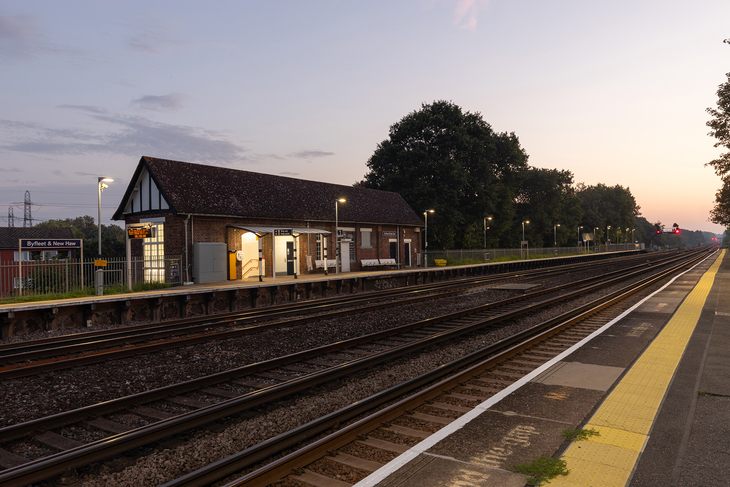
One of the 'Big Four' railway companies created in 1923 by government legislation, the Southern was responsible for all the mainline rail routes operating from the capital out to the south coast, from Kent to Devon. However, it was also building a significant commuter business for itself in London's suburbs by electrifying its lines to introduce faster and more frequent services, replicating the Underground's service offer, but on the surface. That meant bigger and better stations where existing buildings couldn't cope with increasing passenger numbers.
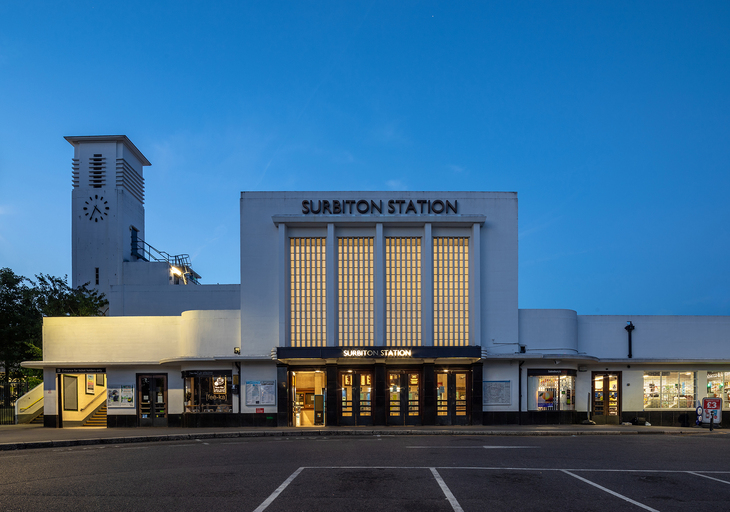
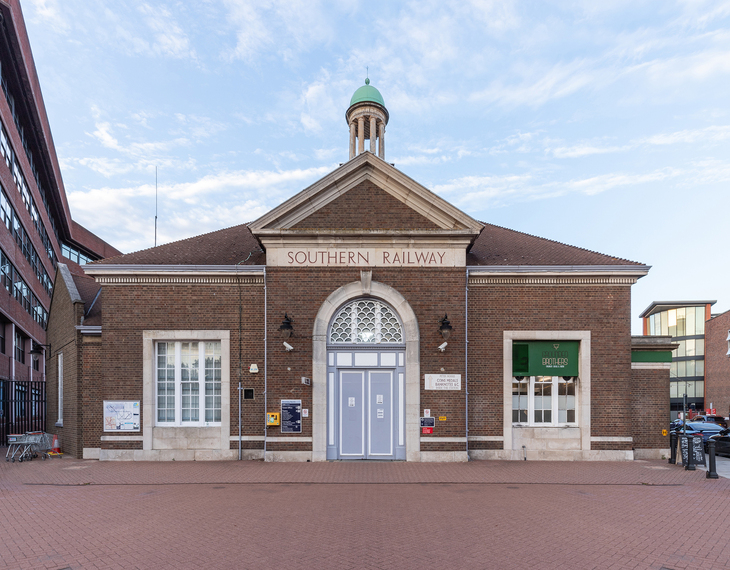
At first, these new stations were designed in a polite neo-classical style, like the charming survivor at Bromley North (1926). This wasn't to last, and within a few years the Southern was being influenced by the same international design trends as the Underground, with its chief architect James Robb Scott designing a collection of modernist/art deco mainline stations in south London. Though much less well known now than those of the Underground, they nevertheless have a lot to offer and when newly built rivalled their Underground cousins in the design and architecture stakes.
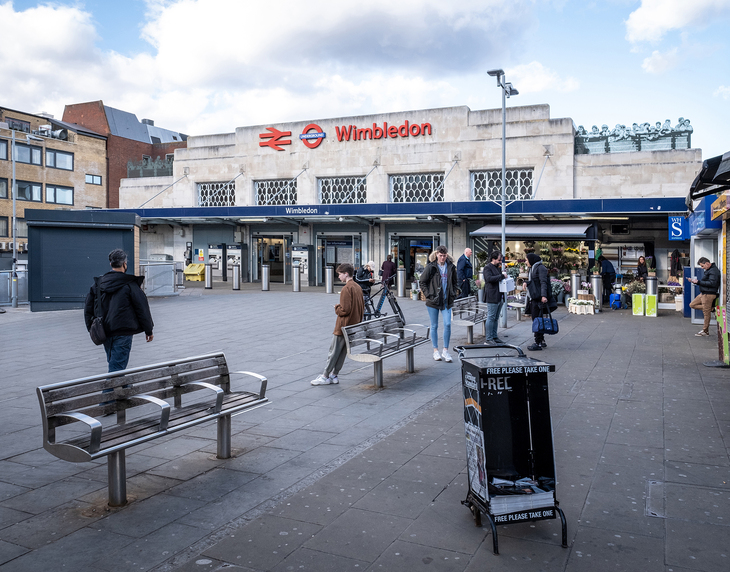
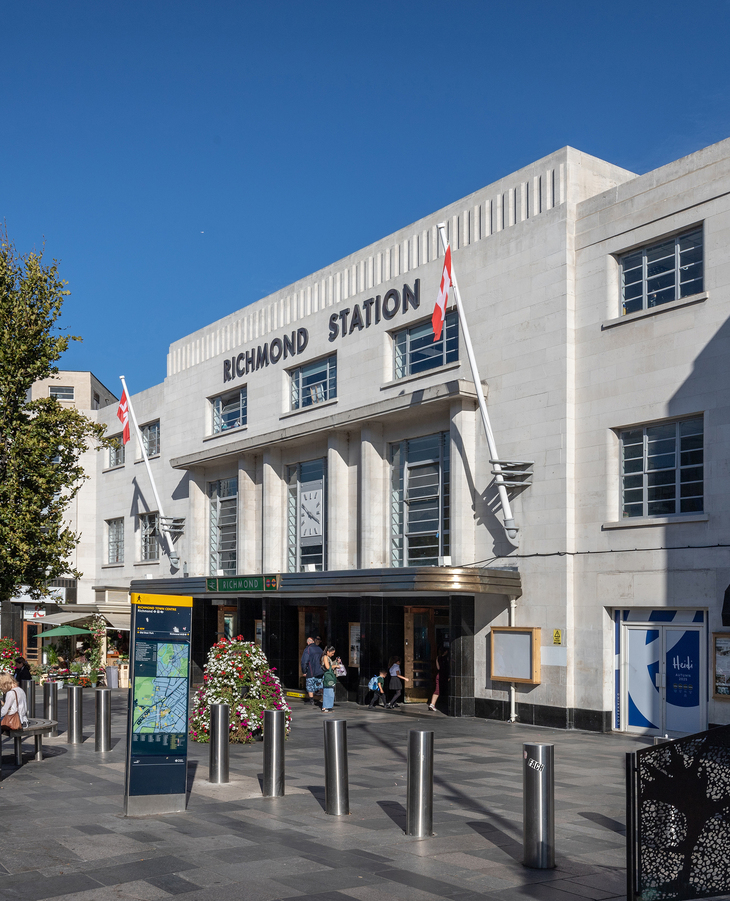
The most famous is undoubtedly Surbiton (1937) with its lofty booking hall restored and lit by bronze uplighters, as well as other surviving features like its dramatic clock tower. Recent restoration work at Richmond (also 1937) makes the case for that station too, with stylish 1930s glass signage uncovered and restored, complemented by replica art deco light fittings and an original sign returned from the London Transport Museum in the booking hall.
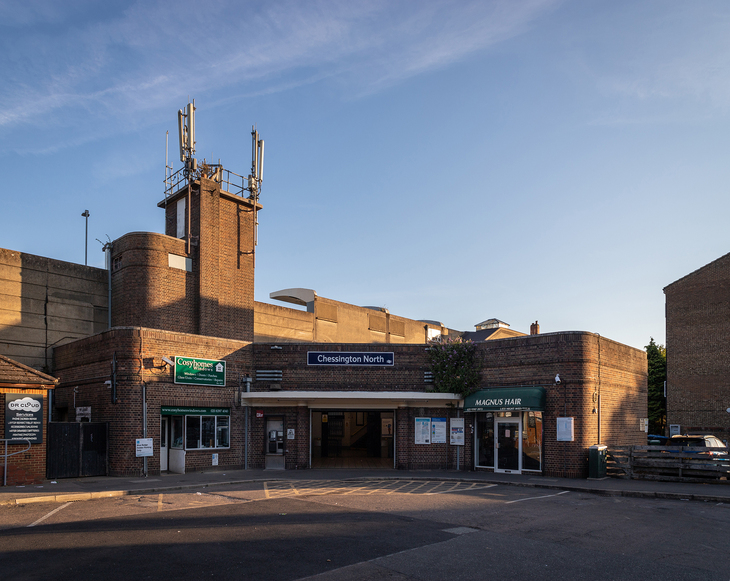
While these two are undeniably celebrated examples of Southern's work, it was the vast number of lesser-known examples built, and the fact that no comprehensive book on the subject existed, that led photographer Philip Butler and myself to create their book Trackside Transformation – The Evolution of British Mainline Stations 1923-1947.
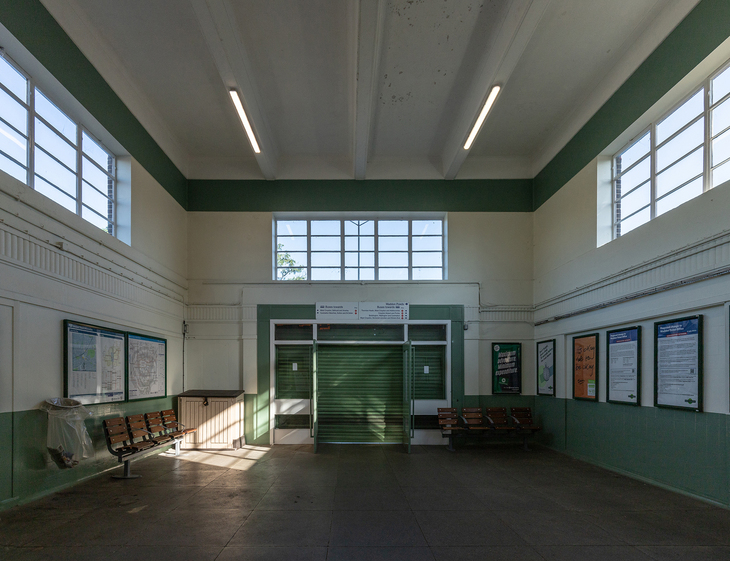
Perhaps one reason Scott's mainline stations are less famous than Holden's Tube stations is that the Big Four's bosses simply weren't as interested in architecture and architects as Underground CEO Frank Pick was. While Pick was promoting his marvellous new stations, the Southern focussed more on publicising the services it offered.
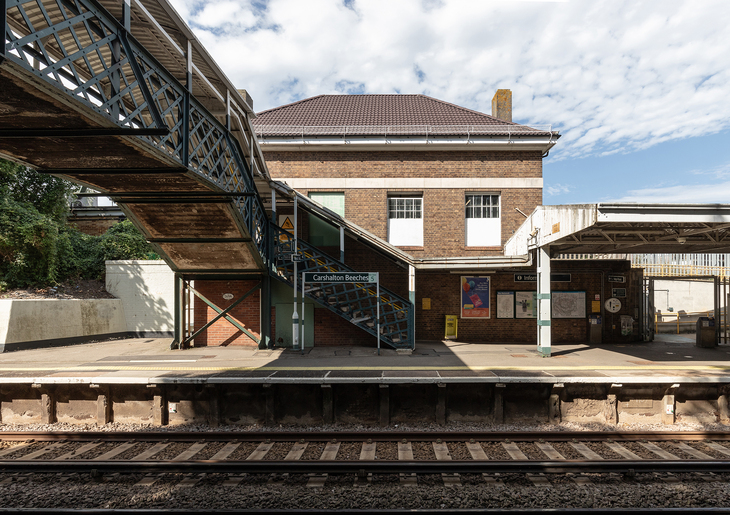
That lesser interest was compounded by nationalisation of the mainline railways in 1948, privatisation in the 1990s which saw stations passing between short-lived franchises, and now re-nationalisation, meaning that their value and 'brand' hasn't always been recognised by their various owners, and maintenance has been inconsistent. Many original features have been lost over the years, more so than at the inter-war Tube stations.
One of the Southern's very first Streamline stations, Wimbledon Chase (1929), has been allowed to deteriorate so much that there are plans to demolish and replace it with a block of flats. Built on the Southern's brand new Wimbledon-Sutton line, which saw off attempts to extend the District and Northern lines to Sutton, its architecture was a clear response to the challenge posed by the more limited Northern line extension to nearby Morden, which included stations by Holden. For now, it is — just — possible to appreciate Wimbledon Chase's mould-breaking concave frontage and the 1920s tiling inside.
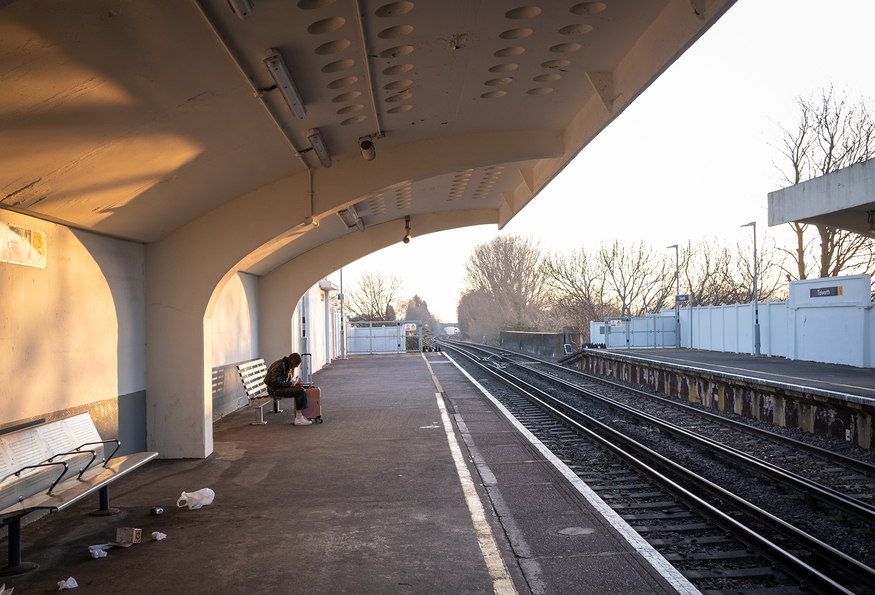
Nevertheless, there are plenty of surviving Southern Railway stations in London's southern suburbs that still possess much kerb appeal, with period features there for those with a keen eye. While completing the project, Philip found himself particularly taken by a later batch of four stations on the Chessington branch line, completed between 1938 and 1939. Each one has a streamlined art deco station building, and the platforms are sheltered by dramatic curved canopies. Unique on the mainline railway network, they were originally lit by rows of circular glass lenses. The lenses are still there but painted over awaiting restoration to their original art deco glory.
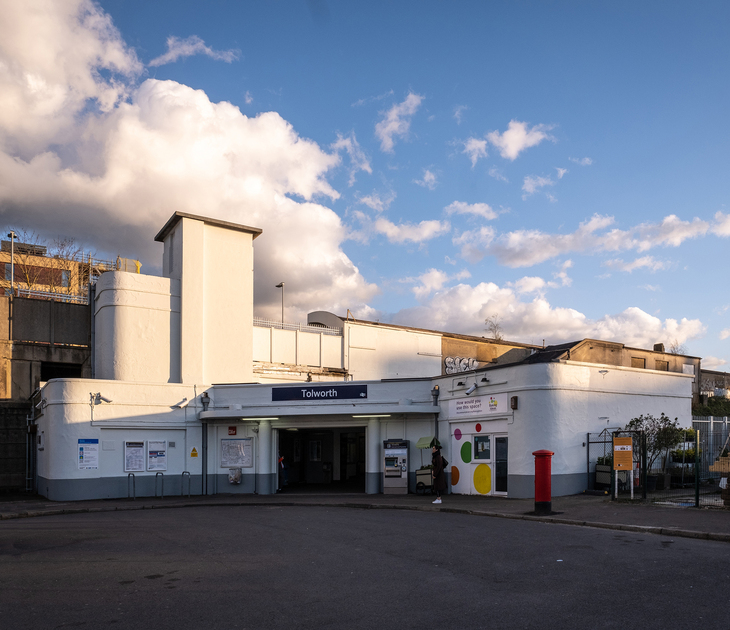
I, meanwhile, have a soft spot for Waddon (1937). Beneath garish commercial signage is a striking Modernist building which can hold its own against any inter-war Tube station. Little-noticed today, it is a hidden gem of the sort that Trackside Transformation aims to bring to a new audience. Trackside Transformation profiles over 100 stations built or rebuilt by the Big Four nationwide which survive, often unrecognised, to this day. Philip's photographs capture the characters of the range of the stations, from cottage-like stations in suburban and rural locations to art deco giants in city centres, while my pen portraits add historical context.
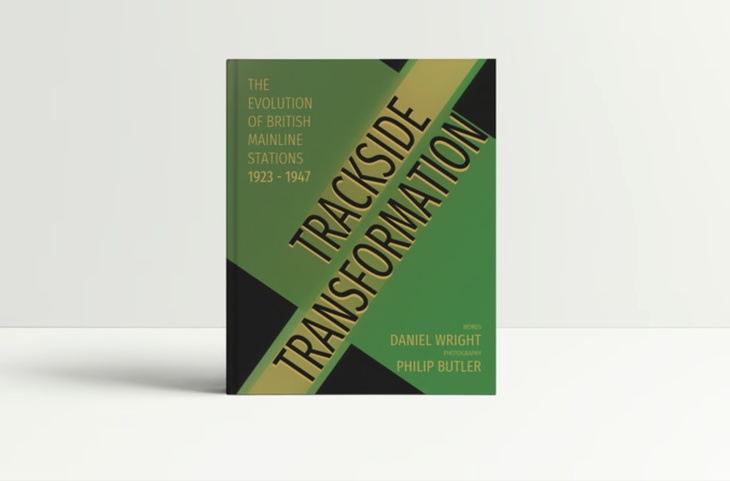
Trackside Transformation: The Evolution of British Mainline Stations 1923-1947, by Daniel Wright and Philip Butler, published by Art Deco Magpie Publishing.