Fae Fichtner, Co-Director of Voila! Theatre Festival, a multilingual event running in London this month, talks about why language diversity is the future of British culture, and why Voila! is needed now more than ever.
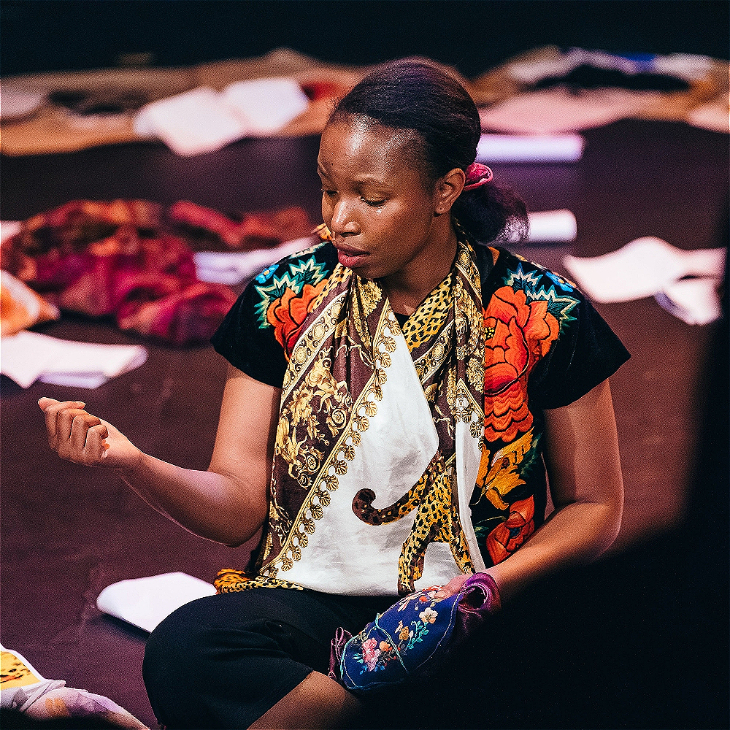
Earlier this year I watched a multilingual piece written and performed by South African-German artist Nomakhwezi Becker. Exploring heritage, culture, family relationships and connection, it was beautifully told, but a show that could have attracted all sorts of audience members had an auditorium that was almost exclusively filled with people from a migrant background. And it got me wondering where the ordinary British theatre goers were.
The skilled performer used movement and gestures to allow this moving piece to speak to everyone, and to be fully understood. However, it made me think about how rarely we see this kind of work in London, and how easily we forget that this city, more than any other, should be fluent in cultural variety.
My personal experience is that of an immigrant, coming to London as a student. As I was finishing my masters degree, Brexit and the pandemic hit and the impact was felt deeply by the theatre industry. Fear spread among those working within our sector, and many left. As a result, the diversity of shows in London has reduced drastically, a reality the industry has still not recovered from.
Companies that once brought European theatre makers and other languages to London are struggling, or have disappeared. I still mourn The London International Mime Festival, one of my favourites when I first came to London. We all watched The English National Opera having its funding withdrawn and being scrutinised for the ethos at its core, despite translating all shows into English. Even Greenwich and Docklands Festival, a greatly accessible and hugely popular outdoor festival, appears to be struggling, turning to donation campaigns to survive in recent years. There are a wonderful few examples that speak for the opposite. For example, when Spirited Away came to the London Coliseum in 2024, it was sold out for months. Audiences came from all over the world to see it, despite it being performed entirely in Japanese.
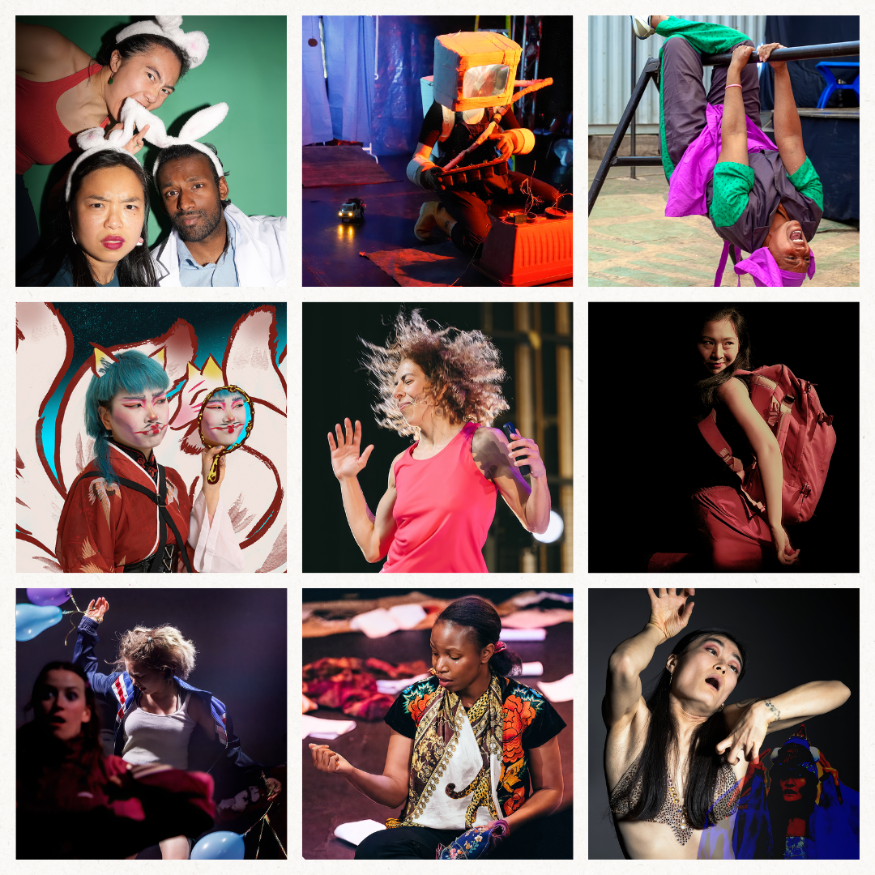
And then there is us, Voila! Theatre Festival, a growing fringe theatre festival that focuses on work by migrant artists who use multiple languages on stage. With more than double the amount of applications received this year, there is clearly a need for these artists to find a platform, and for us to champion their work.
Inflation and societal instability have raised the stakes for venues, companies and audiences. We talk a lot about diversity, access and inclusion in the arts, but we need to start seeing language as the toolbox that supports these conversations. London’s stages depend on an international workforce and serve an international audience. Programmers could use language variety to make work more accessible and attractive to the diverse audience inhabiting London. By reflecting the city’s mix of cultures and communities, productions which use different languages and accents can help theatres reach new audiences.
I know my Colombian neighbours would love to see a show that represents them in their local theatre. And they would bring all their friends – Colombian or not – to experience it with them. While we’re not actively excluding these audiences, we’re also not actively inviting them. We seem to forget about them, despite them living right next door to our beautiful venues.
During our Voila! opening night this year, we held a festival showcase featuring short extracts from five shows, performed in six different languages. When the maker of Xquenda – a piece about the disappearance of a young Indigenous woman from Oaxaca – mentioned her Mexican heritage, Mexican audience members cheered in recognition.
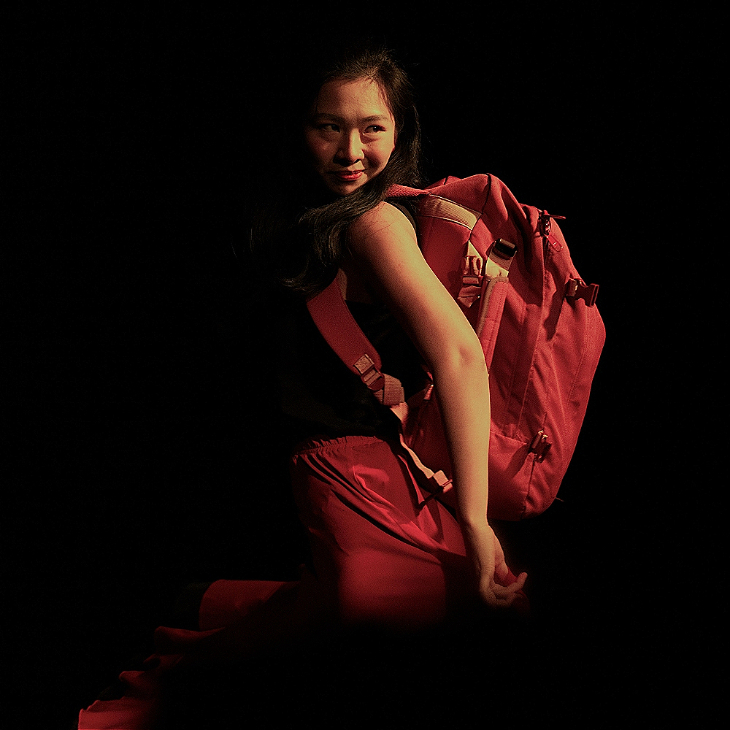
When the artist behind the cabaret When I Was Backpacking Across Western Europe… shared her encounters with European men as a Chinese woman, switching between Cantonese and English, you could feel how the audience responded differently depending on which language they understood.
Putting work like this on stage allows us to witness moments of recognition – people seeing their own stories reflected back to them, sometimes hearing their native language on stage for the very first time. At the same time, through surtitles, physical theatre, and other universal forms of expression, we’re able to share different cultures and languages with audiences who might not otherwise encounter them, breaking down the barriers language can create.
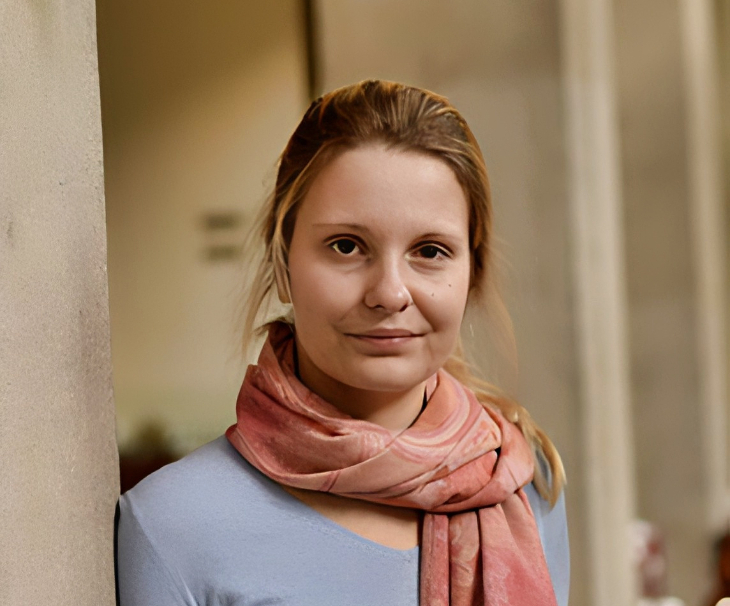
It’s this celebration of cultural variety that makes a Voila! auditorium unique – a space where British theatre etiquette meets the spirit and energy of other cultures.
Lastly, I wish the London audience wouldn’t feel excluded when migrant theatre makers represent their native language on stage. Pieces like Holding Ground offer a glimpse into someone else’s reality, creating empathy and compassion. I’m sure you watch foreign TV shows, enjoy international cuisine and listen to music in another language. This is no different, except we’re much closer already. Be brave and come to see the work we create.
Voila! Theatre Festival is London’s panlingual festival that celebrates emerging artists from all different backgrounds and cultures. It runs across eight London venues until 23 November 2025. See the full schedule and book your tickets.