For more from London's art world, sign up for our free newsletter: Londonist: Urban Palette.
We look ahead and pick the best exhibitions to see in London's galleries and museums opening in 2026.
Armour and honour: Samurai at The British Museum
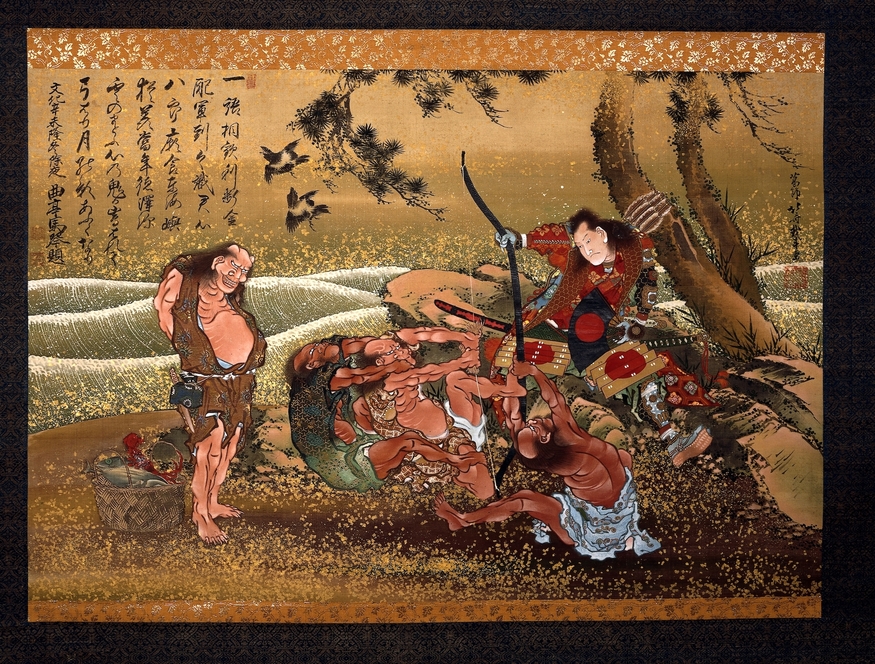
Katana at the ready as we plunge into the truth behind the legendary samurai of Japan. This expansive show brings together 280 objects to chart how samurai transitioned from fearsome fighters to administrators, artists and later global pop-culture icons. Highlights include a newly acquired suit of armour; a woman's firefighting jacket from Edo Castle, where fires were commonplace; and a portrait depicting a 13-year-old samurai who led an embassy to the Vatican in 1582. Contemporary fashion, film and gaming prove the samurai's influence is far from over.
Samurai at The British Museum. 3 February-4 May 2026, £17.
An ecological alarm: Water Pantanal Fire at Science Museum
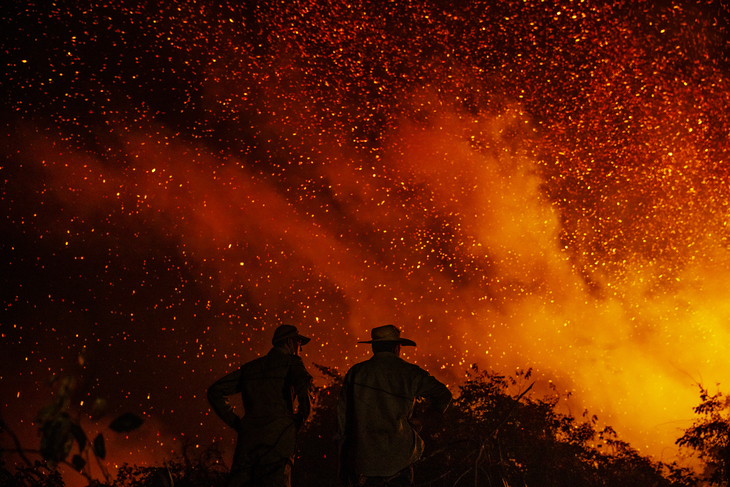
The Pantanal in South America is the world's largest wetland, and it's now regularly burning during the dry season. Through over 60 photographs, the Science Museum presents water-soaked panoramas alongside heartbreaking documentation of the 2020 and 2024 fires. Jaguars, caiman and vast flooded plains give way to scorched earth and exhausted firefighters, a portrait of a biome pushed to breaking point. It's a haunting reminder of the impact that humans have had on the natural world.
Water Pantanal Fire at Science Museum. 6 February–31 May 2026, free.
Freudian art: Lucian Freud at National Portrait Gallery
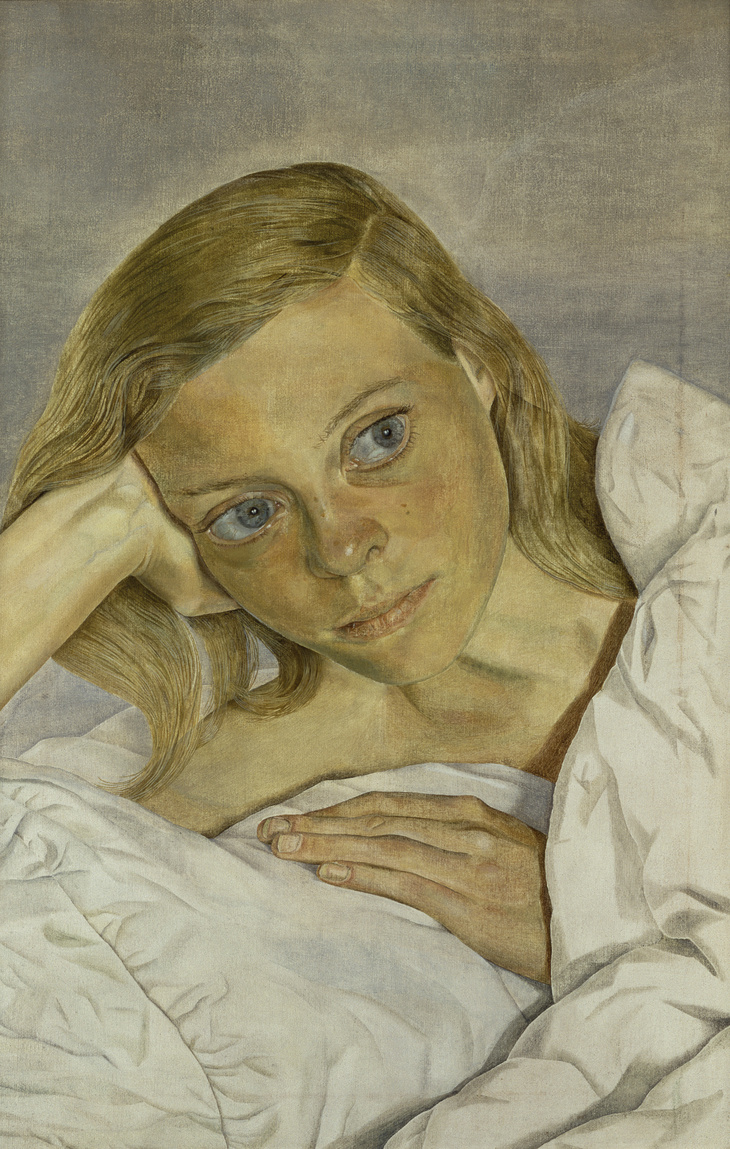
The late Lucian Freud was one of Britain's greatest painters, but as with all painters, he started with drawings. This exhibition focuses on these, and by placing Freud's sketchbooks and sketches alongside his paintings, we can see how his works evolved as he transitioned from paper to canvas. Alongside impressive drawings and paintings, there are 48 well-thumbed sketchbooks, archive material and later works where he drew inspiration form John Constable.
Lucian Freud: Drawing into Painting at the National Portrait Gallery. 12 February-4 May 2026, £23.
A grand day out: Inside Aardman at Young V&A
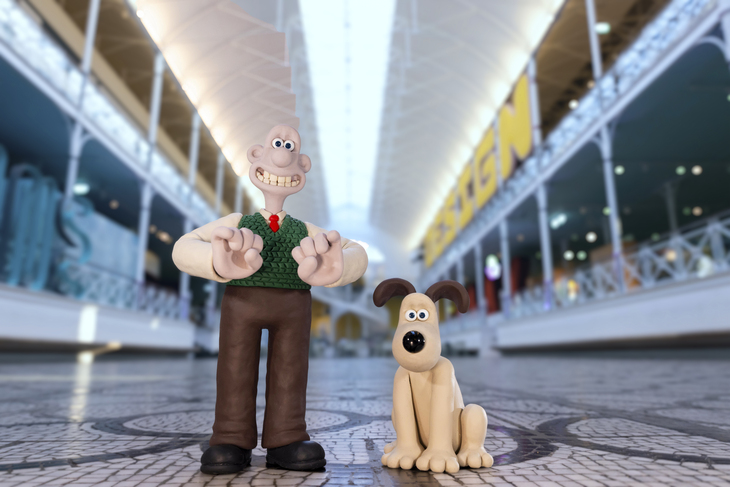
Adult or child, who doesn't love Wallace & Gromit, Chicken Run and Shaun the Sheep? They're all, of course, the creation of Aardman Animations — and it's time to celebrate 50 years of their stop-motion genius. Over 150 objects from Aardman's archives go on display, spanning models, sets and storyboards, many of which have never been seen by the public before. Highlights include early character ideas for Wallace & Gromit, the duo’s motorbike and sidecar from Vengeance Most Fowl (2024), and a hand-drawn storyboard from the train chase in The Wrong Trousers (1993), as well as development sketches for that impish lump of plasticine, Morph. Make sure you put on the right trousers and have a grand day out.
Inside Aardman: Wallace & Gromit and Friends at Young V&A. 12 February-15 November 2026, £11.
Red threads: Chiharu Shiota at Hayward Gallery
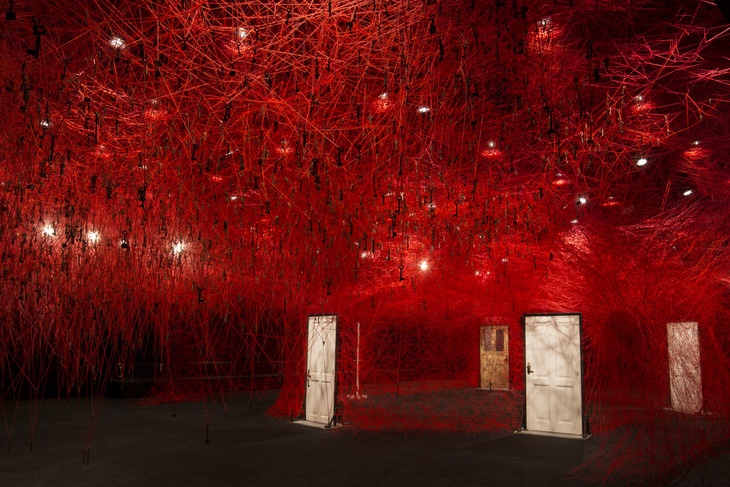
When it comes to creating immersive art installations that you'll never forget, Chiharu Shiota is one of our favourites. She weaves threads throughout a space and incorporates items within it, from keys and dresses to boats and doors. Her work explores the body, memory, consciousness and the fragility of existence. Predominantly using red, black or white wool, she creates connections to manifest the intangible forces that govern our lives. It's her first institutional exhibition in the UK — and it's mind-blowing.
Chiharu Shiota: Threads of Life at Hayward Gallery. 17 February-3 May 2026, £19.
Beds and bodies: Tracey Emin at Tate Modern
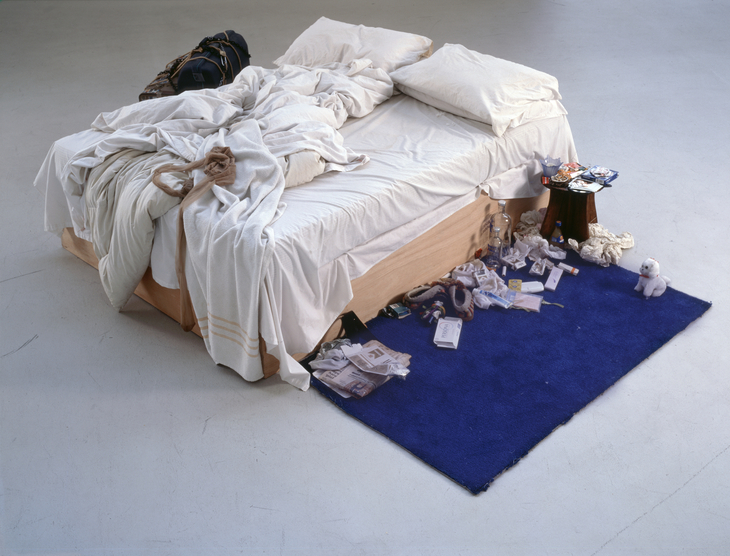
Contemporary feminist icon Tracey Emin presents four decades of work by an artist who has made candour her calling card. Bringing together paintings, neons, videos, textiles, writings and sculptures, this retrospective captures Emin’s determination to turn the female body into a site of passion, pain and — increasingly — healing. From the explosive 1990s, when her unmade 'My Bed' ignited debates about what art could be, to the more contemplative works of recent years, the show reveals an artist who has never flinched from exposing her own life through her work. Her great strength lies in putting her vulnerability on show.
Tracey Emin at Tate Modern. 27 February-31 August 2-26, £20.
Getting old: The Coming of Age at Wellcome Collection
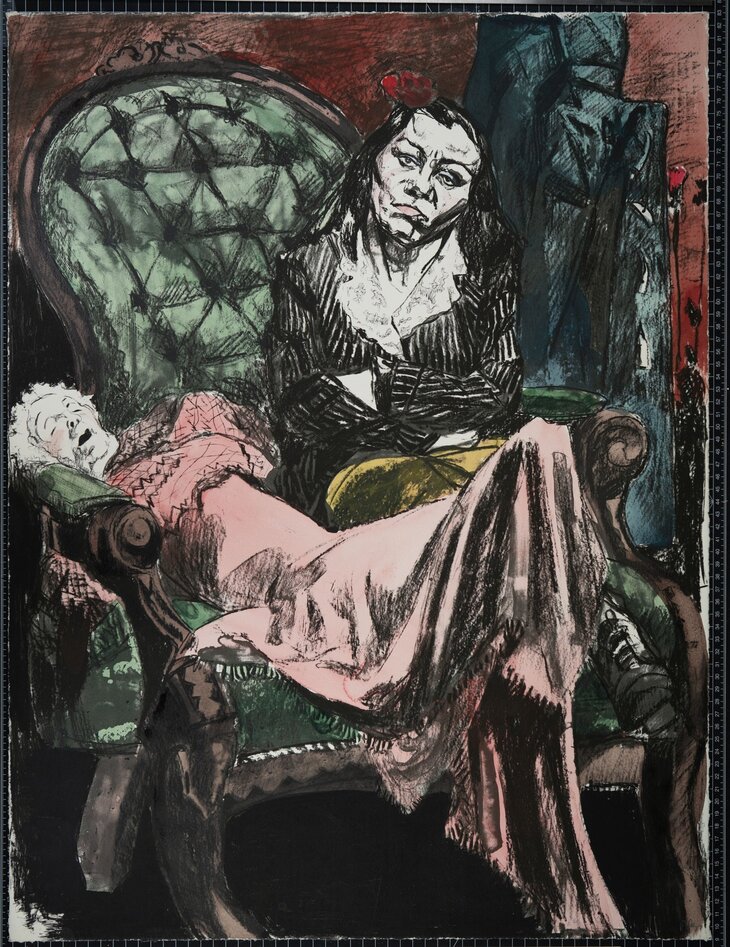
As much as we may race towards it when we're young — then shirk from it when we're older — we all age gradually as part of life. Featuring over 120 objects and artworks, The Coming of Age's exhibits range from a 16th century woodcut depicting a fountain of youth, to contemporary artists' examinations of how societies perceive and experience different life stages. Japanese centenarian sake cups to 17th-century longevity potions illustrate that humans have always been fascinated with life’s limits. The exhibition also highlights inequalities in health, care and opportunity, from adolescence to older age, plus reflections on living with dementia.
The Coming of Age at Wellcome Collection. 26 March-29 November 2026, free.
Magical worlds: Fairy Tales at The British Library
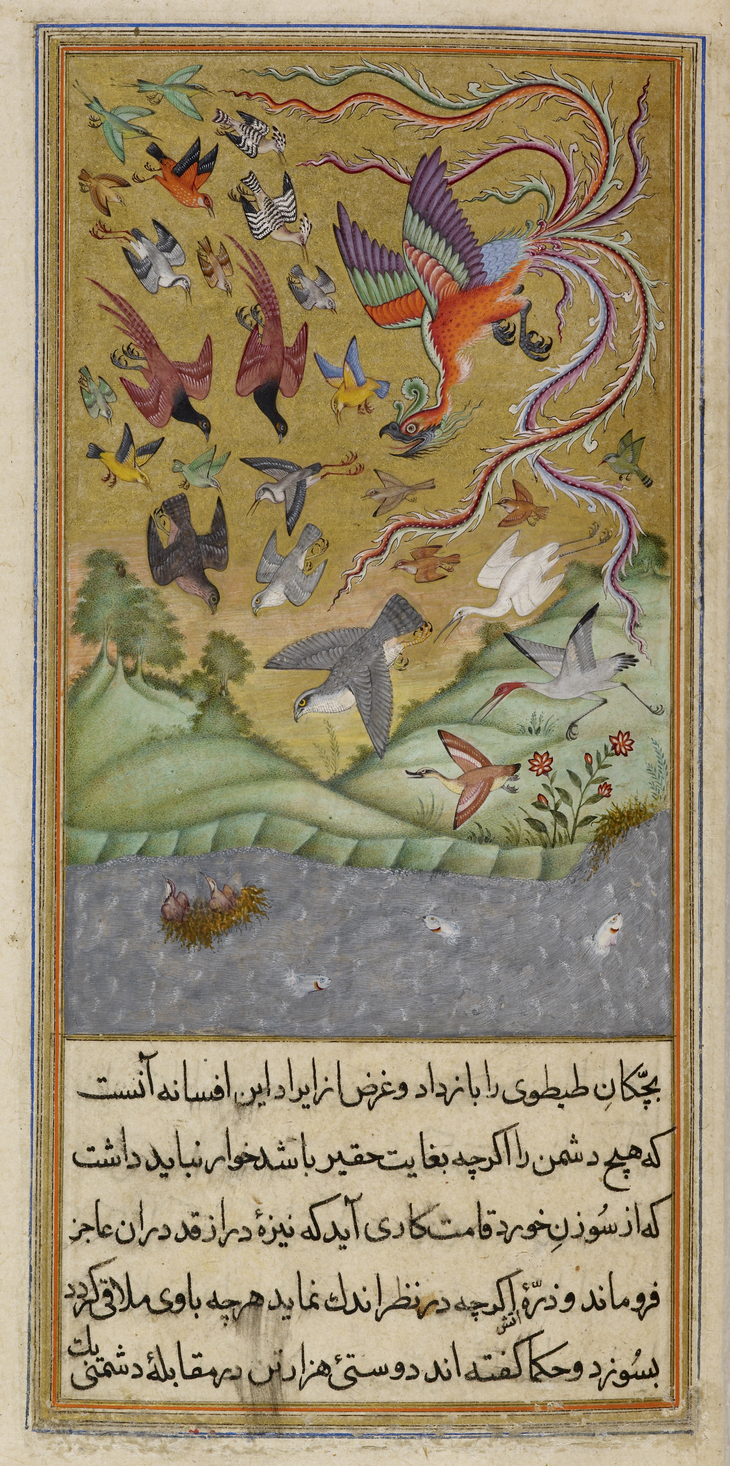
As the name suggests, the British Library is celebrating classic tales such as Cinderella, Little Red Riding Hood, and Hansel and Gretel — alongside stories from India, China, Africa, and North America. Families can explore iconic characters, magical creatures, mysterious forests and glittering palaces through historic manuscripts, contemporary illustrations, pop-up books, puppets and theatre costumes. Bedtime tales inspire interactive activities, and we see how stories have been reinterpreted over the centuries. Time to seek out your happily ever after, though you may have to overcome some tricksters along the way.
Fairy Tales at The British Library. 27 March-23 August 2026, £tbc+-
A new outpost: V&A East Museum
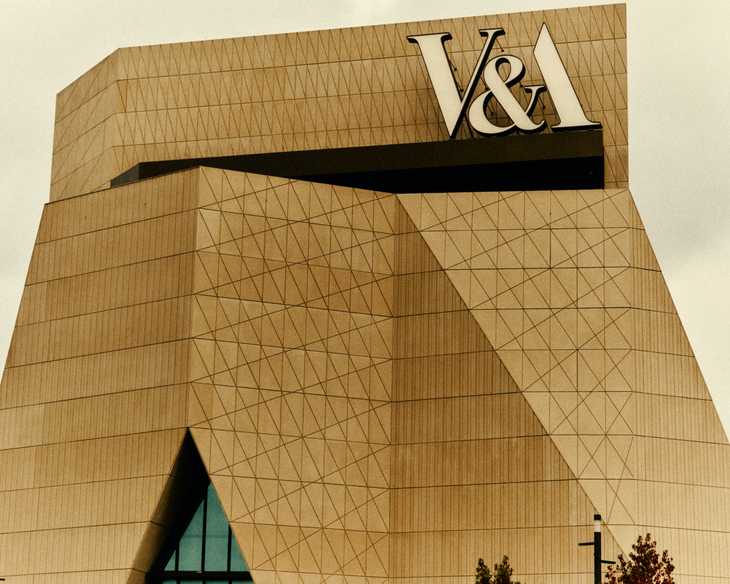
We've got the V&A in South Kensington, and 2025 saw the opening of the mind-blowing V&A East Storehouse. Now, just minutes from the latter, the V&A East Museum is set to appear. The museum will be many things to many people, but its essence lies in multiculturalism. Two free and permanent 'Why we make' galleries will offer up examples of creativity "from a range of countries, cultures and times". Taken together, the hundreds of exhibits will aim to demonstrate creativity's power to bring change. There'll also be temporary exhibitions, starting with The Music is Black: A British Story.
V&A East Museum. Opens 18 April, free.
A new house of illustration: Quentin Blake Centre for Illustration
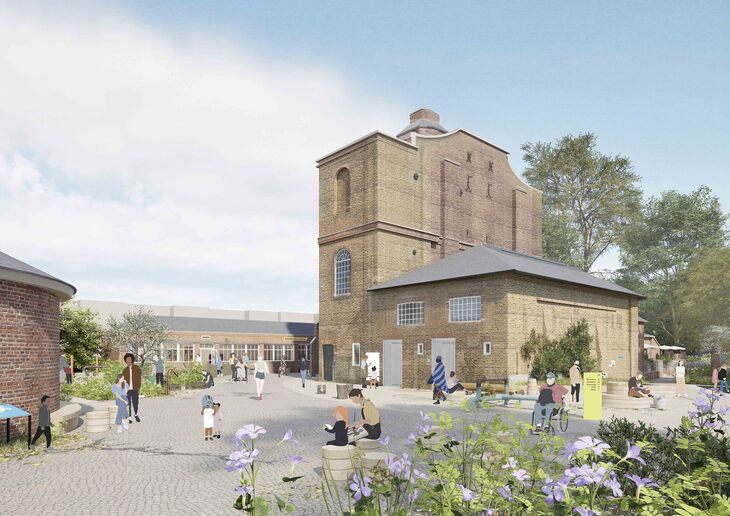
Another new museum for 2026, the Quentin Blake Centre for Illustration opens in Clerkenwell early summer — a phoenix that's risen from the House of Illustration, which used to be in King's Cross. It's set in the grounds of an 18th century waterworks that has never been open to the public before. The Centre's first exhibition will feature works by Murugiah, showcasing the Sri Lankan artist and designer's kaleidoscopic — and sometimes macabre — pieces, inspired by a combination of Hollywood film, sci-fi, Japanese anime, and 2000s-era pop-punk. The venue also offers free public gardens, a cafe and shop, a free library and learning spaces.
Quentin Blake Centre for Illustration. Opens May 2026, £tbc
Reclining sculptures: Henry Moore at Kew Gardens
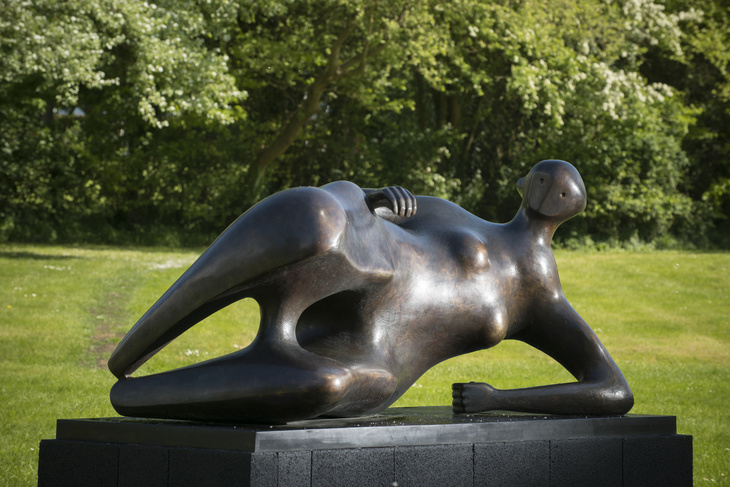
While Henry Moore's wonderful sculptures often appear as single pieces, Kew Gardens has pulled together a collection of 30 monumental bronzes to be scattered across its site. Plus, there will be 90 smaller works in its gallery space, including bronzes, carvings, prints and drawings, exploring Moore's innovative process of 'thinking through nature'. The concept behind this exhibition is to examine Moore's creative responses to the fragility of the natural world and the interplay between humans and the complex ecosystems that connect all life on earth. It's sure to be Moore-ish.
Henry Moore: Monumental Nature at Kew Gardens. 9 May–27 September 2026, ticketed - includes entry to the gardens.
Progressive portraits: Whistler at Tate Britain
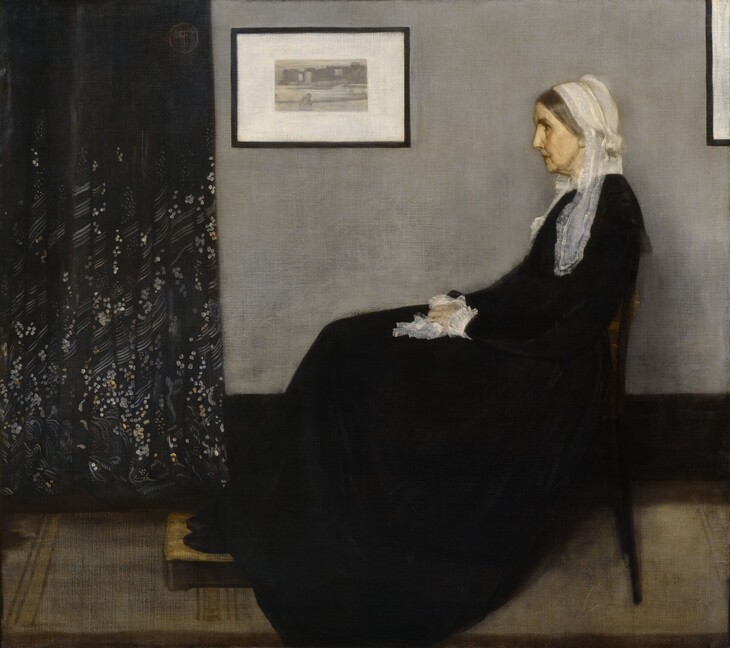
American artist James McNeill Whistler came to the UK in Victorian times, then threw out the rulebook of portrait painting by focusing on the individual rather than the narrative conveyed through the painting's background. Most famously, he did this in the painting better known as 'Whistler's Mother' — a highlight of this Tate Britain exhibition. His nocturnes of London at night are also spectacular works, capturing the city's lights. This exhibition, the first major European one in 30 years, brings together the artist's world-famous paintings alongside portraits, drawings, prints, and designs from his teens in St. Petersburg to his late self-portraits.
James McNeill Whistler at Tate Britain. 21 May–27 September 2026, £tbc
Perplexing portraits: Van Eyck at The National Gallery
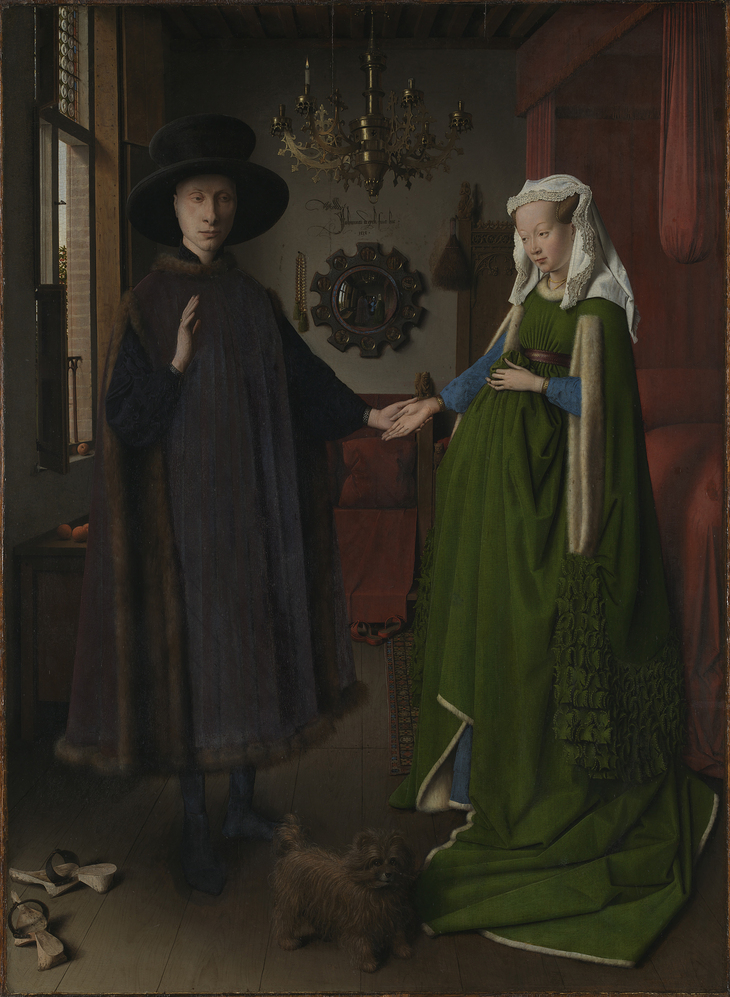
Another rule-breaking artist, Jan van Eyck captured the moment when access to art widened. Suddenly it was no longer only royalty and the clergy who were painted; wealthy merchants and other members of the middle class could commission portraits too. Van Eyck's most famous is the Arnolfini portrait, which still captivates people today with its clever reflection in a mirror and the couple's enigmatic pose. The National Gallery has brought together all nine of the artist's known painted portraits, and the exhibition also shines a light on his techniques and some of the cryptic inscriptions in these works.
Van Eyck: The Portraits at The National Gallery. 21 November 2026–11 April 2027, £tbc