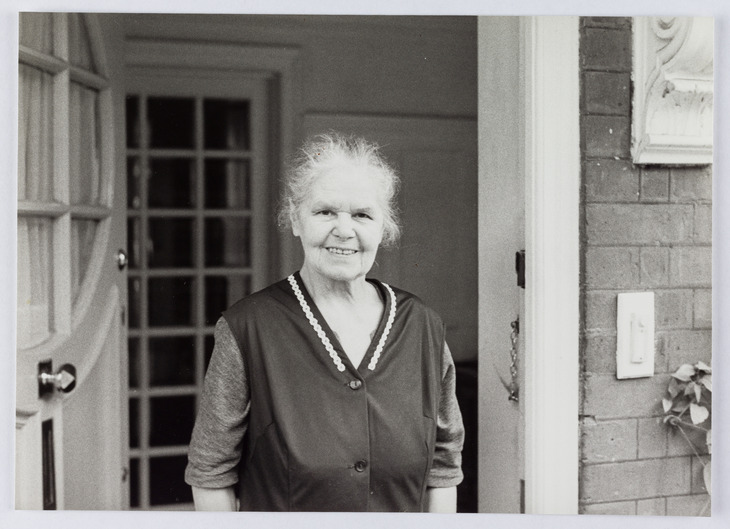
Whenever one of Sigmund Freud's patients knocked on the door of his home, the face which greeted them belonged to Paula Fichtl.
Part of the Freud family for 53 years, Fichtl was the live-in housekeeper who fled Nazi-annexed Austria with them in 1938 as they all became refugees bound for London. She is also the inspiration behind my exhibition at Freud's former Hampstead house — now the Freud Museum London — titled Housekeeper.
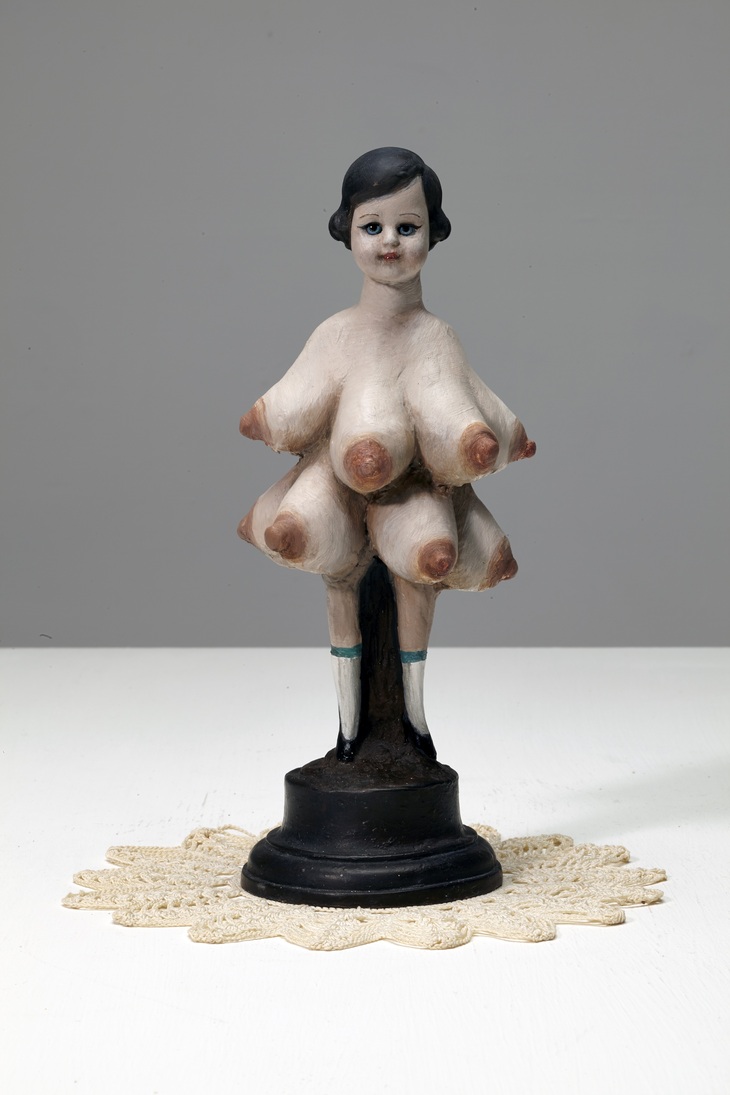
I'm a sculptor and assembler, with a life-long engagement with figurative sculpture and objects; and I'm often drawn to domestic settings and museum collections. Through the repetitive studio processes of modelling, casting, assembling, dismantling and placing, I explore how an object's meaning is never fixed but alters in relation to context and the unconscious phantasies that circulate around it.
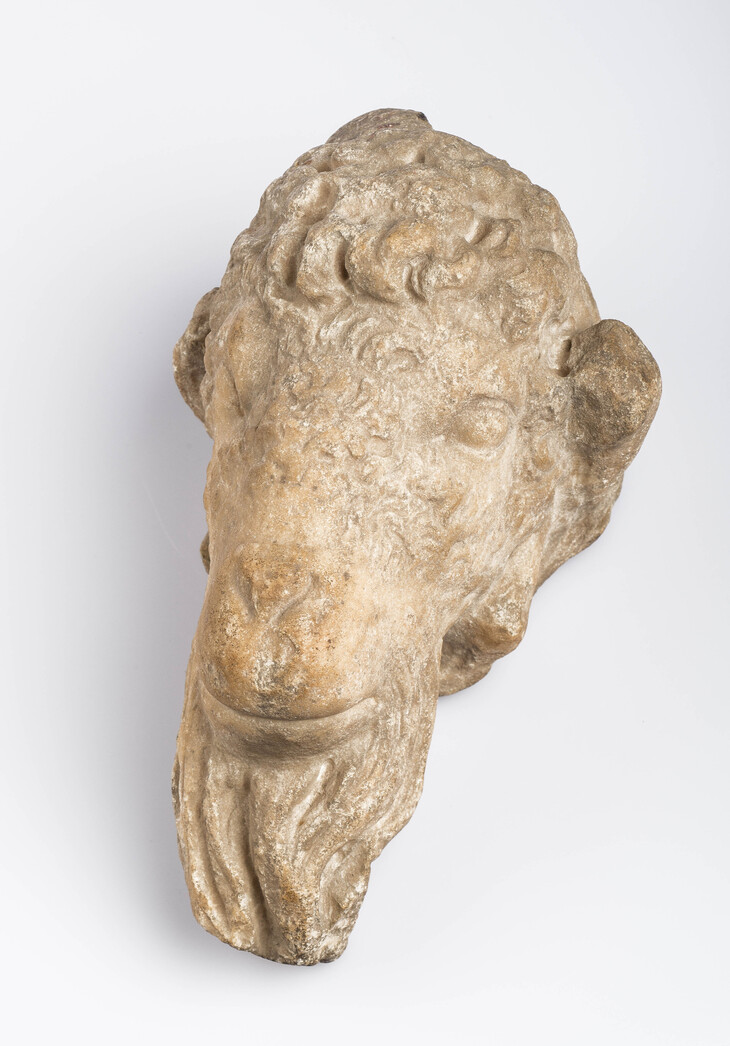
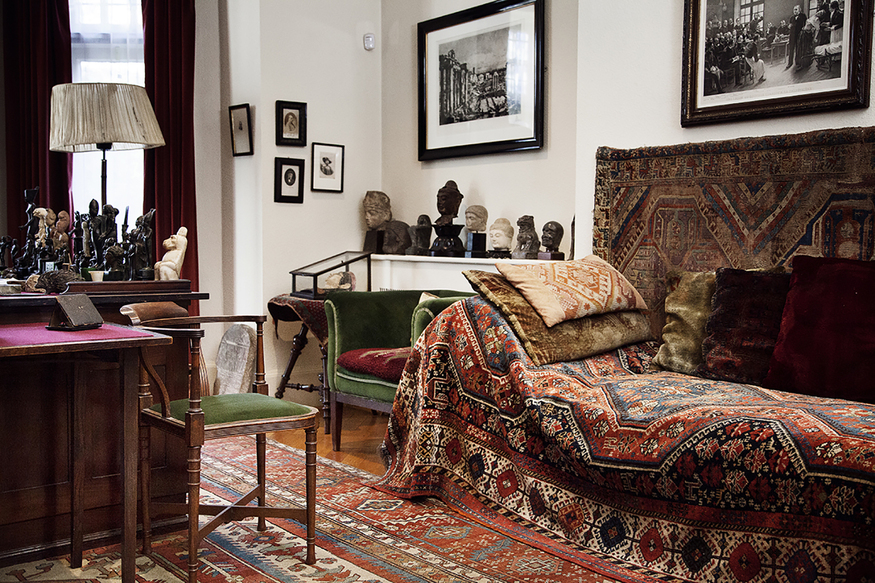
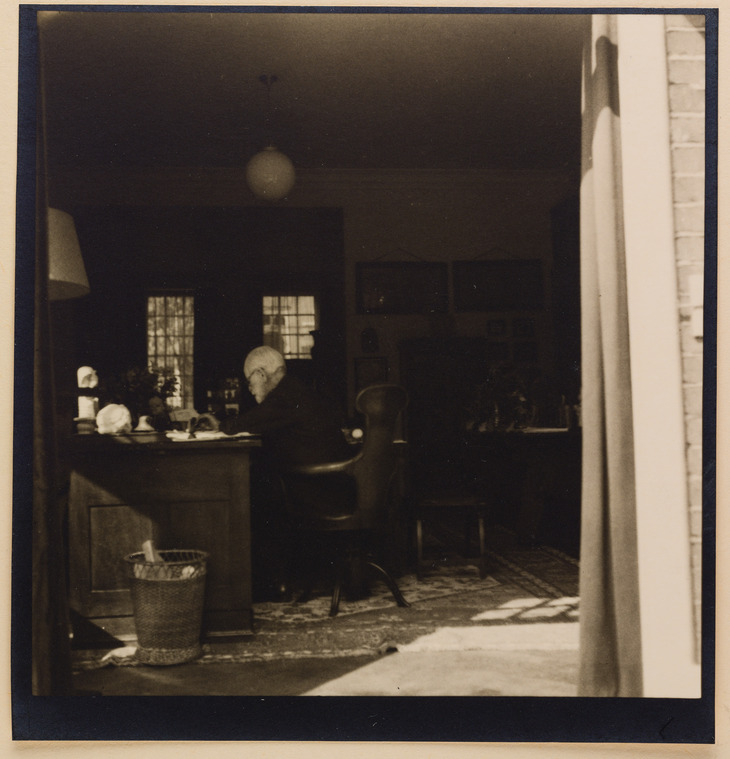
The Freud Museum is a rich and loaded space for an artist to work with. There is a charged heaviness to Freud's study; it feels like a thinking space that travels inwards and backwards. My intervention in Housekeeper begins there — carefully and quietly moving things around, on Freud's desk and side table. The way the objects are laid out reminds me of a game of chess, ready for the next move. So, I begin a game of swapping out and replacing objects. I do this mischievously, subjectively, using the agency I have as an artist and thinking about the freedom that Paula didn't have. Some objects fit right in; others are not so demure. There are signs of work in progress, the kinds of traces that a cleaner might leave while she works.
The objects and sculpture I make have always wanted to be in the Freud Museum, but coming across the description of Paula Fichtl carefully wrapping up Freud's collection of antiquities in Vienna and re-assembling them in the study of Maresfield Gardens in Hampstead was a compelling hook into both the collection and the household.
My exhibition, developed with scholar Gemma Blackshaw, explores the striking similarities and the marked differences in our two labours. Paula's relationship to Freud's collection was one of caretaking and upkeep; my privileged access is of a very different kind; an artist has the agency to approach a historical collection in a very subjective manner.
We know so little about Paula, which makes her presence in the household very evocative. I imagine her being fascinated by Freud's sculptures and objects without necessarily having any detailed knowledge of their cultural and symbolic significance. Maybe she playfully projected onto them as she had so few possessions of her own. I imagine her having favourites and she is quoted as saying she found them 'a bit creepy', describing the study as 'another world'.
Making an intervention in this kind of a space means asking questions and making decisions – this felt like a huge challenge — but I had Paula as my guide, a fresh pair of eyes on the collection.
I am conscious of the presence of the artist in the museum as an outsider, and perhaps a mischievous disrupter. Collections are never neutral spaces, and moving things around at home can cause trouble.
Barriers interest me: as physical things necessary to demarcate public access in museums and galleries, as well as metaphors for lived experience. The barrier in Freud's study turns his private consulting room into an image: a tableau, a stage, a theatre of psychoanalysis, a shrine to 'the professor', as Paula refers to Freud in her biography.
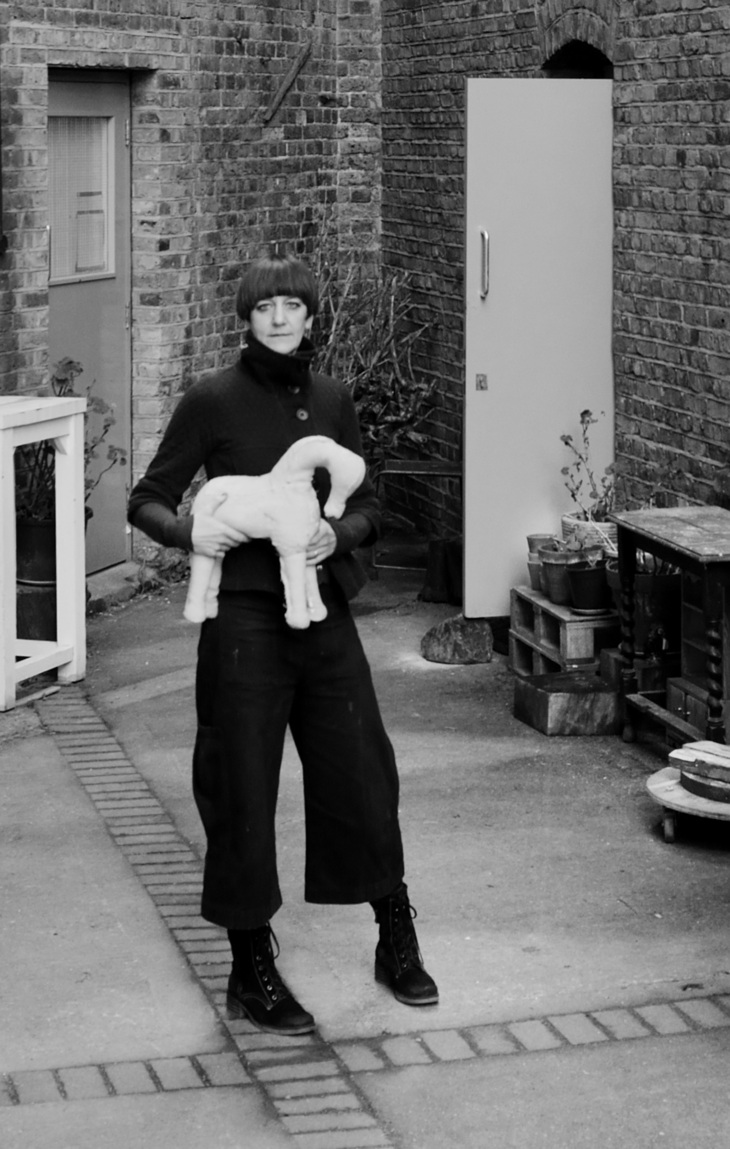
The exhibition space upstairs gives me more room for invention. Reassigning this room as a Storeroom involves the viewer in a more embodied way. There are no museum barriers, nothing is held back, you are part of it, you walk right in… to what? One of the things I love most about building responsive installations is that you can never fully anticipate what is going to happen.
My installation titled Inventory 2025 packs one end of the room with hanging racks full of paper and fabric, recalling domestic laundry and studio drying racks. It's a storeroom of the artist's studio, the art materials cupboard. I have brought all my stuff from the studio and 'moved in.'
Strata 2025 is a takeover of the museum vitrine, presenting an accumulated mass of physical and unconscious material. The viewer is invited to pick through an intense kind of geological formation — a reference to Freud's archaeological metaphor of the deep digging of psychoanalysis. I think of these kinds of installations as meticulously curated chaos — an acknowledgement of the complex and multi layered accumulated inner world we all carry with us and a resistance to fix meaning.
I am really interested in why art can still seem so inaccessible, why some collections survive along with their stories and others are lost, and what conversations the artist's voice can generate. I hope the exhibition unearths something in the viewer.
Housekeeper runs at the Freud Museum, Hampstead, from 29 October 2025-1 March 2026. Entry included in the museum ticket price.