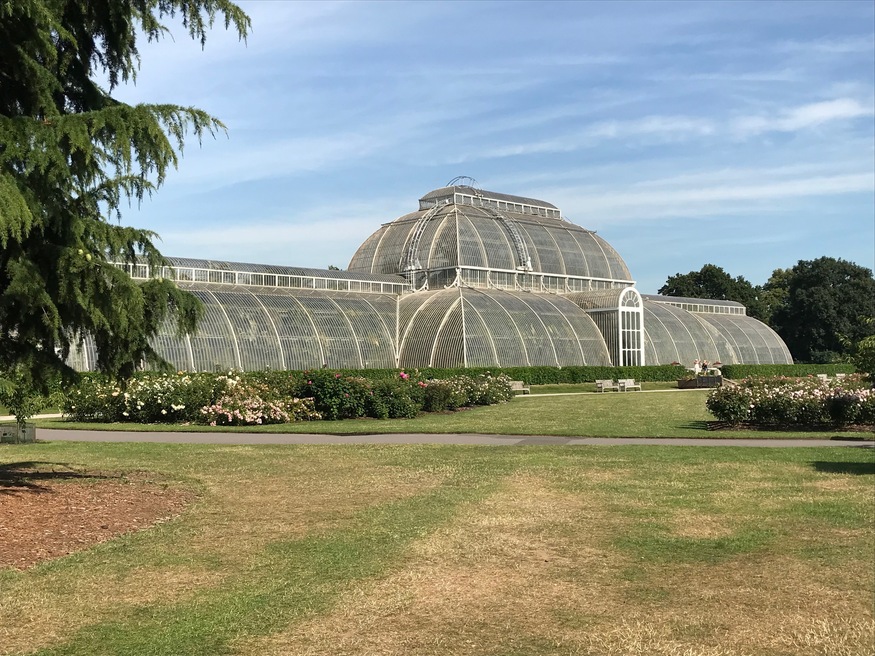
Kew Gardens has launched a fundraising appeal to restore its historic Palm House, with the aim of raising £1m with help from the public.
The Grade-I listed Victorian glasshouse, which has been in situ since 1848, is in urgent need of repairs to keep it going for future generations. As reported last summer, the Palm House will close for five years from 2027 to allow the restoration to take place. The project will include new glazing for all 16,000 panes of glass, and the installation of renewable heating systems and rainwater harvesting tanks, making it the first carbon neutral glasshouse of its kind.
All this doesn't come cheap, the project expected to cost an eye-watering £66m. Kew has already raised around half of that, and it's now asking the public to get involved with raising the next £1m.
There are several ways to help, from making a simple donation, to sponsoring a pane of glass (£25 for a small pane; £100 for a large pane), or even a species of plant (from £25 for a traveller's palm, up to £500 for the critically endangered Clay's hibiscus from Hawaii) within the restored Palm House. Your name won't appear at Kew, but you'll receive a personalised digital certificate. And even if it's not for you, what about that awkward-to-buy-for, already-has-everything friend or family member for Christmas?
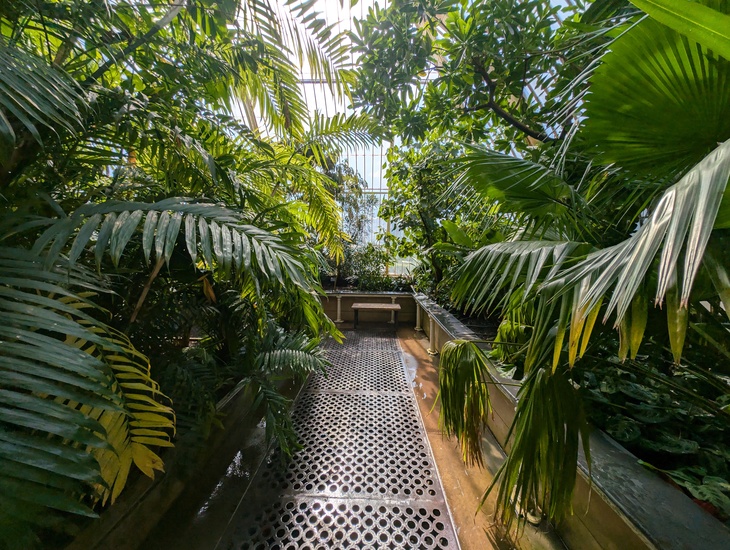
Why is the Palm House so important? In addition to being an historic structure, it's scientifically crucial — housing a living collection of tropical plants from around the world, many of which are rare, threatened or even extinct in the wild. As well as protecting them, Kew scientists use them for research into preventing biodiversity loss, conservation, food security and how to protect the future of our planet. Two new glasshouses, one temporary and one permanent, have been built at Kew to house the plants while the Palm House is out of action. Sadly, some of the trees were too tall to move and had to be felled.
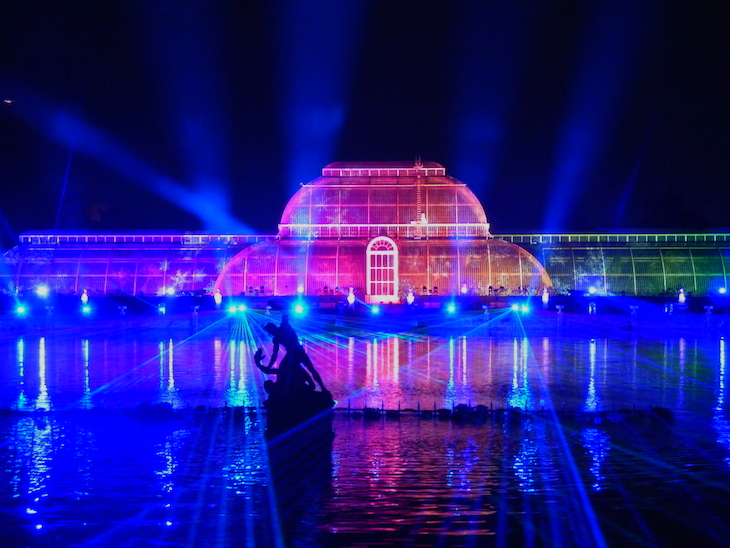
Many of Kew's structures date back to the Victorian period, meaning they now require restorative intervention. The Palm House renovation follows the Temperate House — the largest Victorian glasshouse in the world — reopening in 2018, following a similar five-year refurbishment. The same year, the Great Pagoda was restored and reopened.
Find out more about the Palm House project, and make a donation, on the Kew appeal page.