"Neighbour and rival, inevitably London furnishes the pendant to the portrait I have painted – the comparison suggests itself. The two capitals are so close and so different, yet bear so strong a resemblance to each other that my study of Paris would be incomplete were I not to consider some aspects of the other."
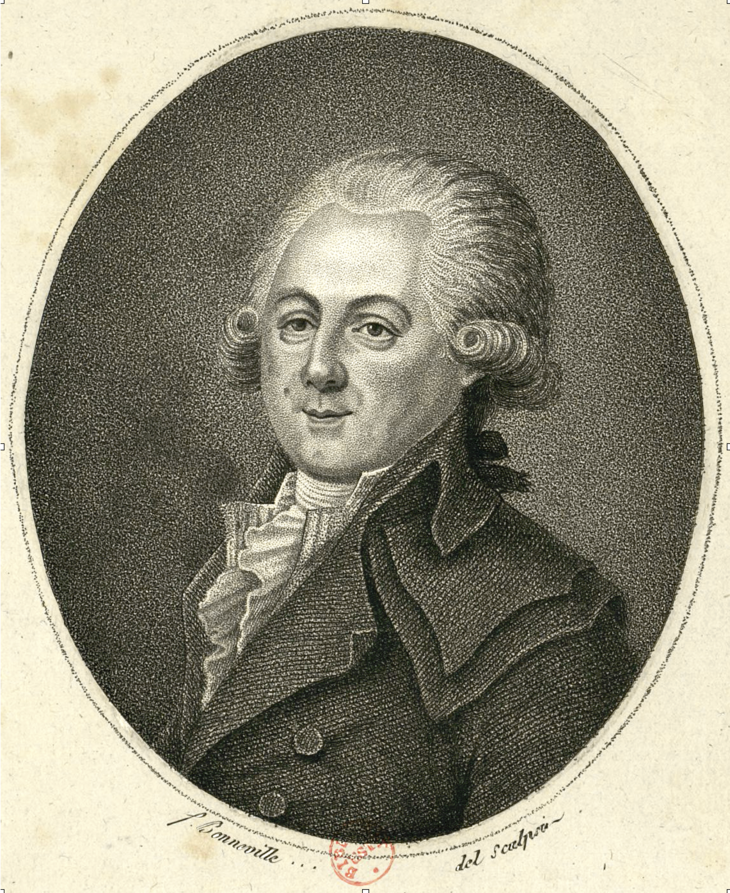
In 1780, the French writer Louis-Sébastien Mercier compiled an essay comparing his home city of Paris, and its European neighbour, London. Covering the cities' cuisine, habits, politics, buildings — and pretty much everything else. Interestingly, many of his observations sided with London as the more forward-thinking — at times even utopian — metropolis. "There may be some narrow- or simpleminded fanatics out there who will raise a cry that the author of this parallel is a bad Frenchman for always giving London the advantage over Paris," wrote Mercier in his preamble, "Such thoughts come naturally to narrow- or simple-minded people. Those who have travelled and are well-informed will rather see in it a patriotic desire to advise the nation of the advantages to be drawn from such comparisons, which demonstrate that improvements are not impossible after all, having been recently introduced in a neighbouring city — a rival city, but a free one.
"To idolise one's country and blind it to the lessons to be drawn from other places is to do it wrong, in the same way that a bad mother spoils her child, for fear of upsetting it by trying to teach it."
Despite pitting one city against another, Mercier's message was one of togetherness: "Oh, poor humans, French or English!" he wrote, "Compete among yourselves, well and good, but without destroying and detesting each other, without despising each other so relentlessly, to nobody's good but the government's. Your governments whip you up to set you on each other like dogs. You should rather compete in mutual emulation to see who can be more attentive to the duties of humanity, who can prove itself more active, more intelligent, braver, but above all greater in the eyes of the universe — truly great, in prosperity as well as in misfortune.
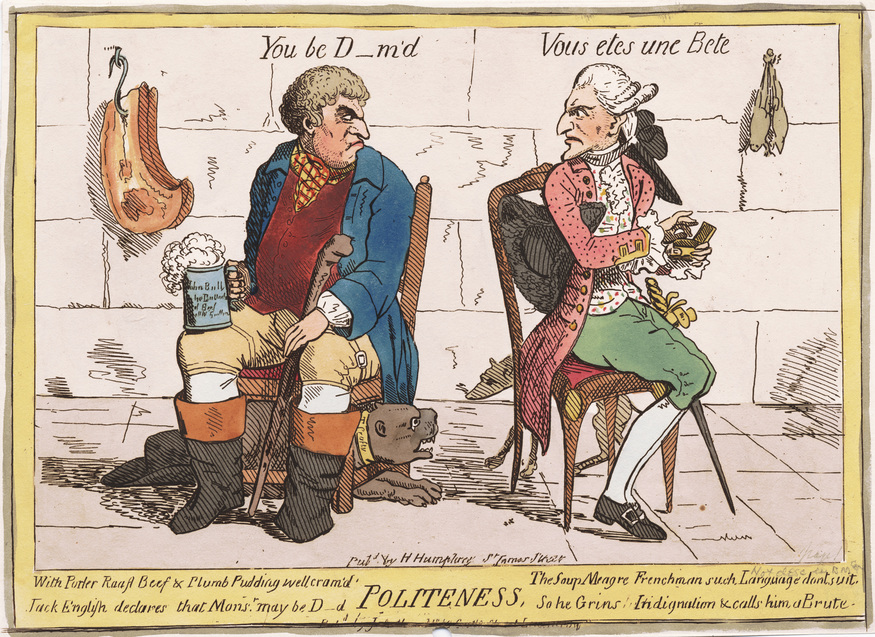
Well said that man. With a new edition of Mercier's essay now published as Neighbours and Rivals: An Eighteenth-Century Journey Between Paris and London — replete with contemporary cartoons and etchings — here's a selection of passages. (Spoiler alert: London comes out on top.)
On rivers
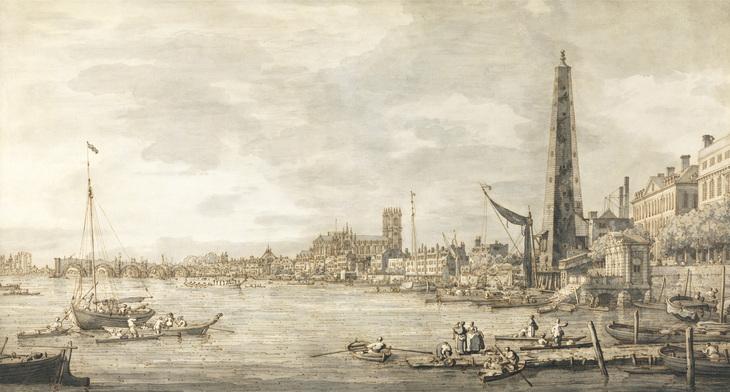
"The Seine is a beautiful woman who disports herself leisurely. The Thames is a hard-working mother with a great many children; she is coarse, often agitated, constantly fussing over her household."
On bridges
"Paris has four bridges, three of which are a disgrace. London has three, of great magnificence and utility."
On navigation
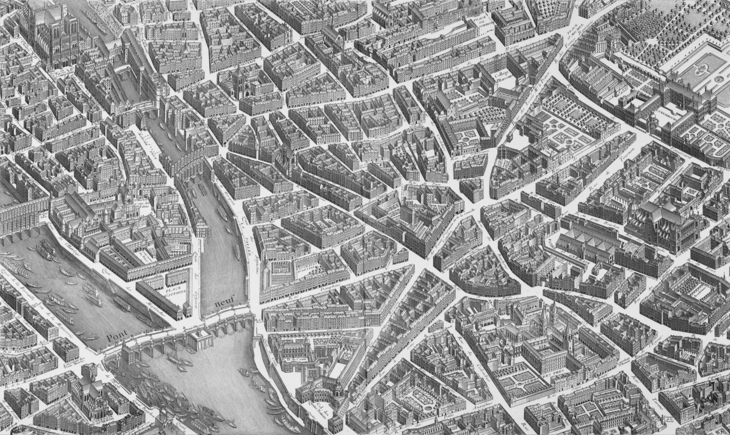
"The prodigious number of churches, convents and religious foundations of all kinds which burden Paris with large structures without any matching increase in population; the layout of streets, most of them narrow and twisting; and the height of the houses mean that one frequently loses one's way. Whereas in London the relatively low houses, the width of the roads, most of them long and straight mean that one orientates oneself easily."
On misconceptions
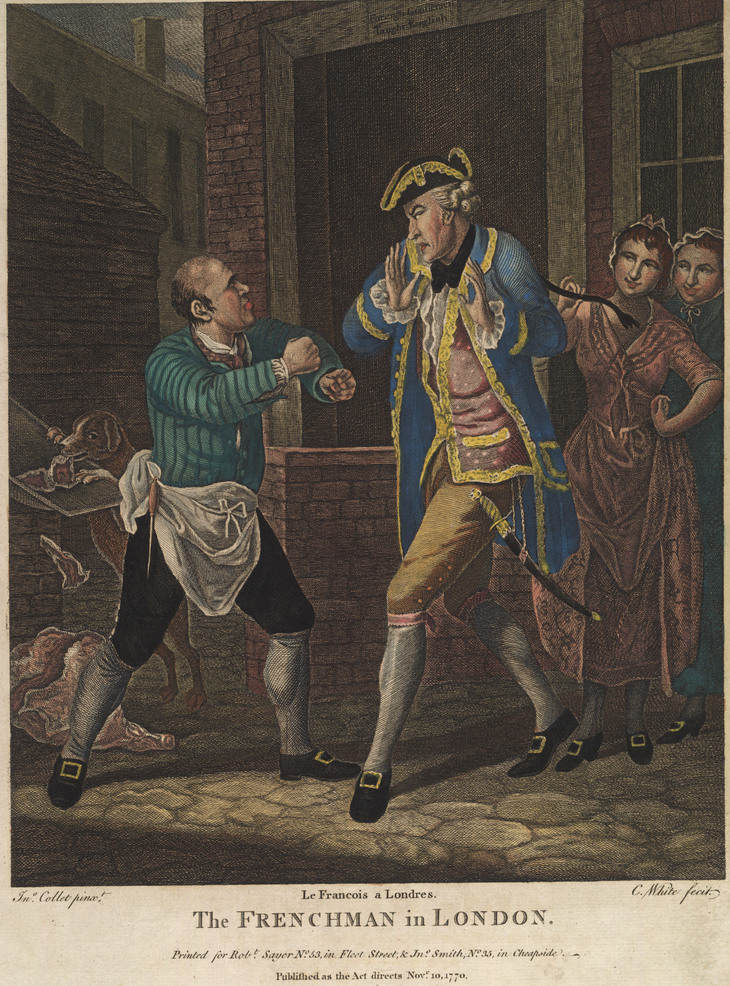
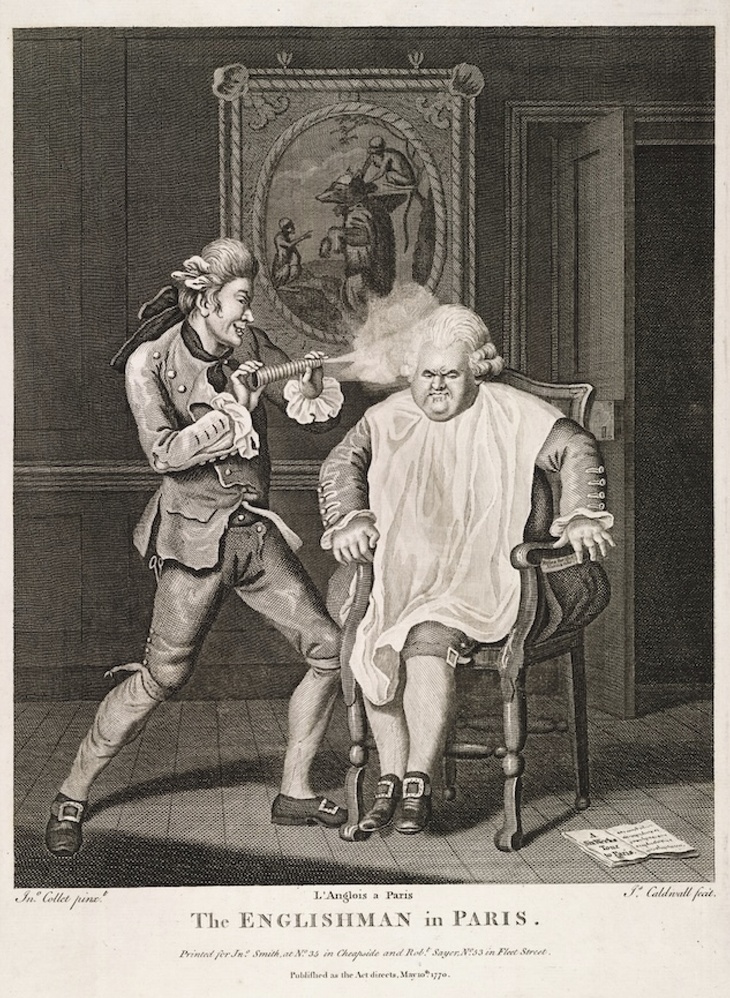
"In Paris they imagine that a Frenchman could not cross the street in London without being insulted, that every Englishman is fierce and devours raw flesh. In London they think that all Frenchmen are thin, flat-stomached, carry a large purse, a long sword and above all that they live on nothing but frogs."
On food
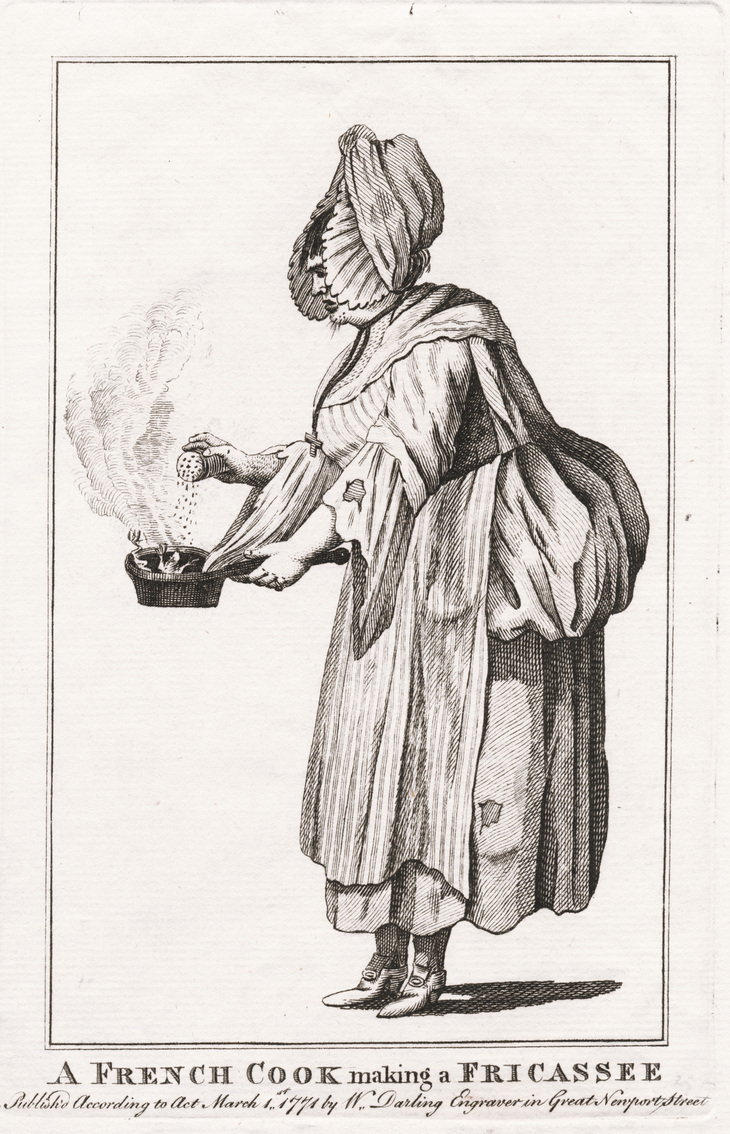
"In Paris food is mainly soup, which one eats to excess, which thickens the blood and causes indigestion. This soup (always overstewed) is also very hard to digest. Being too hot, it kneads the stomach... In London roast meat is consumed everywhere. One doesn't eat it as raw as is so often claimed, it is cooked properly. Hardly any bread is eaten, because it is held to be less nourishing and heavy."
On animals
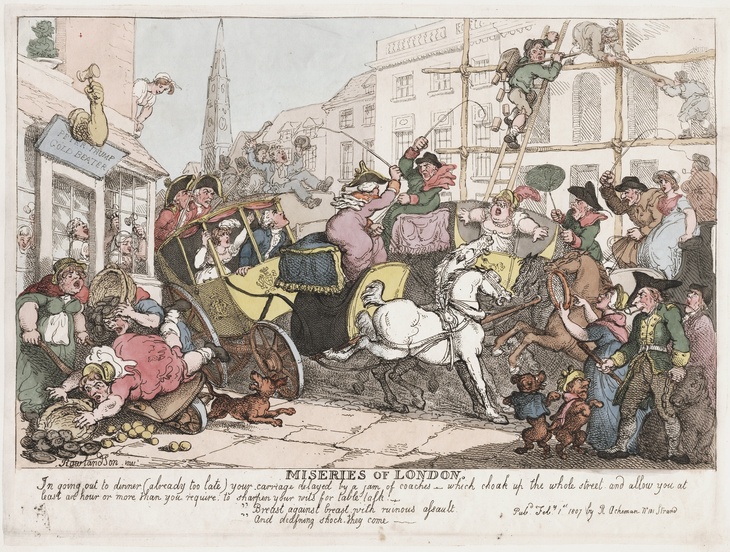
"Of all the cities in the world there isn't one in which they have more animals in their houses than they do in Paris.... In London you don't see dogs in houses, it's pretty rare over there. Houses are kept closed and so any dog kept there would foul them, which would contravene their rules about cleanliness."
On newspapers
"In London they are allowed to put anything that honours France in the public papers, but they are angered when they see how in France everything is spun to make the English look bad."
On banks
"It is inconceivable that there could ever be a bank in Paris. A bank's credit is its security, whatever form the government takes. Royal authority and royal power present insurmountable obstacles... The Bank of London has become the bank of the universe. Why? Because the kings can't lay a finger on it. All nations prefer to place their money on deposit there, because their rights are so protected; so sacred, indeed, that it would take the total annihilation of England for it to suspend payments."
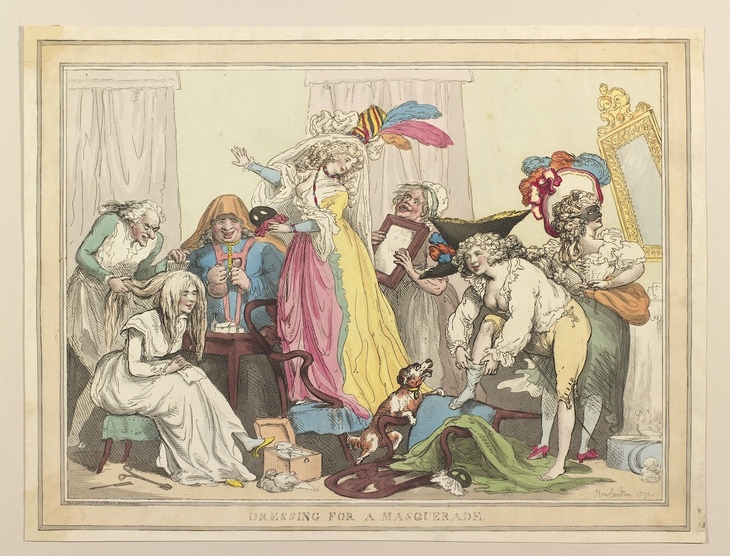
On partying
"In Paris the season for balls is a prelude to that for penitence. The closer one gets to the latter, the more disorder and excess one finds, up to the point where, in the final few days, it reaches its dazzling climax: an explosion of extravagance and excess. One prepares oneself to get plastered on Mardi Gras, only to receive an ashing the next day. All these contradictions in our traditional habits and behaviour are foolish and shabby... In London there is no carnival, but masked balls and routs are given all over the city, from the start of the winter until its end. The Opera does not have a monopoly on giving balls. Nobody ever walks the streets masked."
On horses
"Just as the foreigner is indignant to see the Frenchman treat his horses with barbarous ingratitude, so the Frenchman is surprised and humiliated to see how well horses are looked after in London."
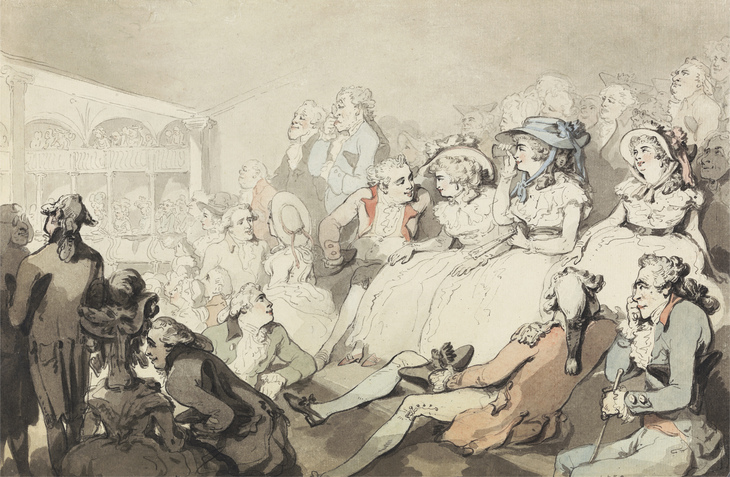
On theatre
"In Paris the Comédiens form a kind of republic which it is very difficult to join, even if one has all the talents required... The most celebrated playwrights have languished under their outrageous tyranny, and have been imposed on to ruin their works to suit the taste of some ham actor... In London each theatre has its manager, a despot, but one who trembles before the public, to whom he is accountable and to whose resentment he is constantly exposed, without any gardes to impose his will."
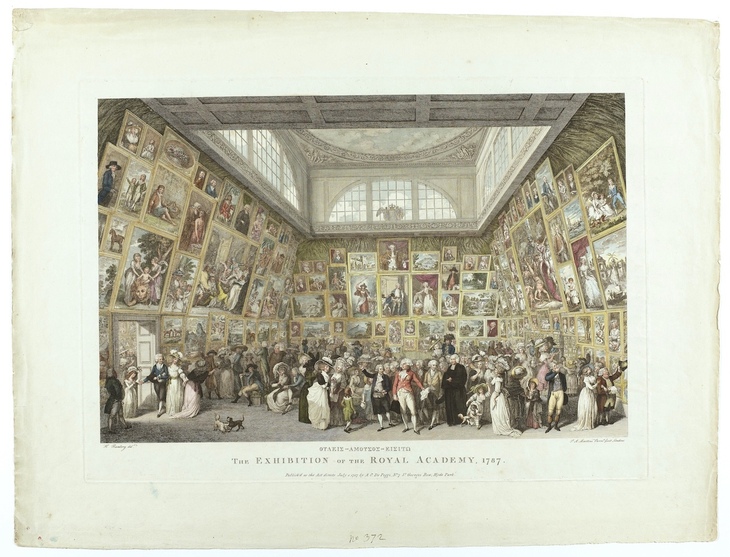
On Sundays
"In Paris Sunday is rather a day for excursions, for promenades and dinners than a day of rest and religious observance.... According to the French there is no day more intolerably dull than Sunday in London. There's nowhere to go, no shows, no dancing, no concerts, even newspapers are prohibited and the traders are scrupulous in their resolve not to sell a thing."
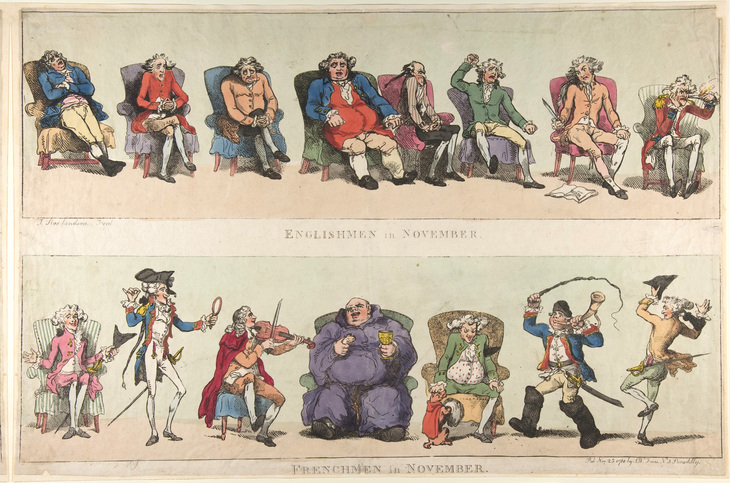
On riots
"Riots are more frequent in London than in Paris. That is, they are as common in the former as they are rare in the latter."
On big projects
"Isn't the completion of the Louvre proceeding shamefully slowly!... It wasn’t all that long ago that London was without any pavements or broad avenues, they along with many superb bridges were all constructed in the midst of an expensive war."
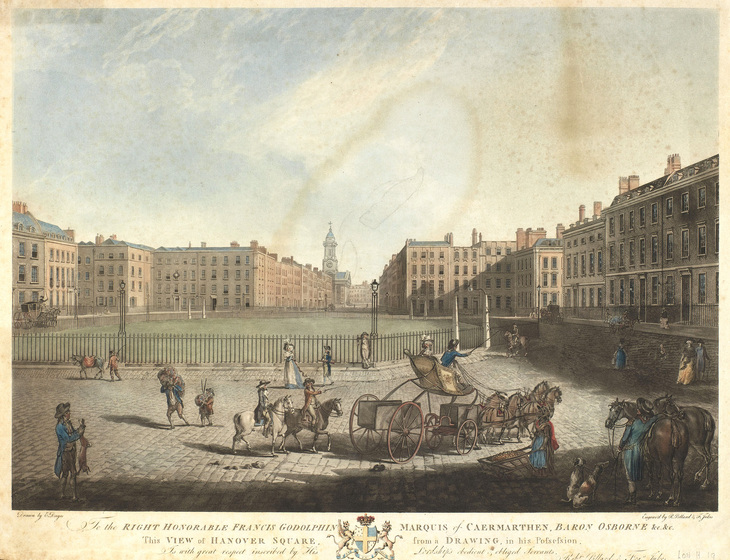
On newspapers
"The newspapers of Paris all peddle the same line. Not a single one disagrees with any of the others. They toddle along in a row and recite their lesson for the day a bit like schoolboys reciting lines to a prefect... The newspapers in London honestly report all losses and defeats, without trying to put the mistakes of their generals or admirals in a good light... The nation takes accurate news coverage very seriously, and if those newspapers close to the ministry delay or desist from reporting the facts, the opposition newspapers race each other to be the first to publish the news."
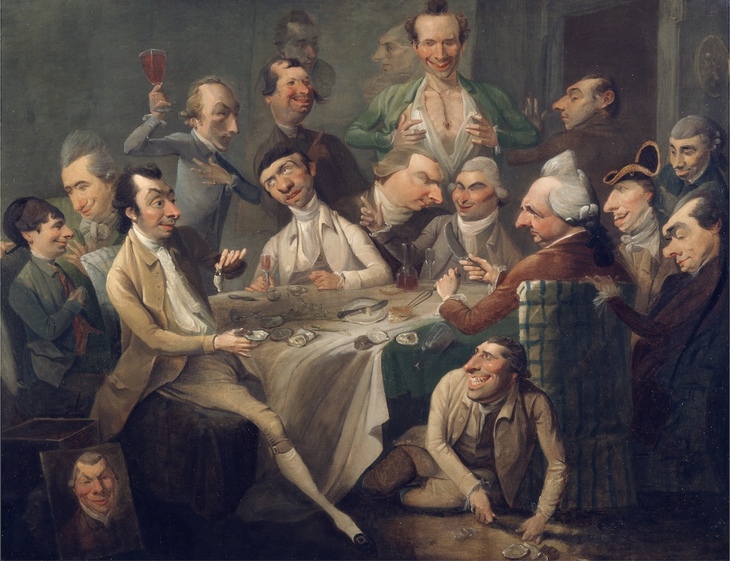
On booze
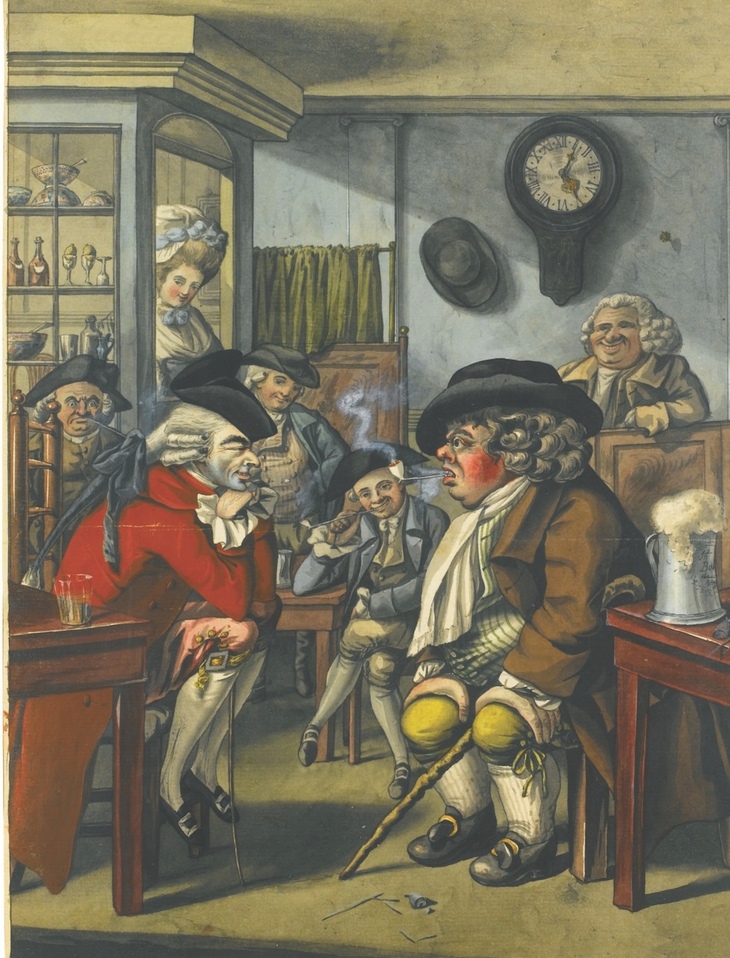
"In Paris they drink wine. The city is full of cabarets. The rumour that all the wine is adulterated has been so widely spread that no wealthy or well-educated man would take a chance in drinking this wine... In London, there is a lot of adulterated wine. But the people have another fortifying beverage... Beer."
On churches
"Most of the churches of Paris are decorated with paintings and sculptures worthy of admiration. But how many have bizarre, ridiculous and shameful paintings! So many shapeless and repulsive sculptures! Would it not be better, in such a holy place, either to put up only striking and respectable objects, or to put nothing at all?... In the churches of London, there are no paintings other than those tables on which we find, in golden letters, the commandments of God. Painters and sculptors are certainly disadvantaged, but then there are fewer bad painters and bad sculptors there than anywhere else."
On gambling
"It is forbidden to gamble in Paris, that is, there are no public gaming houses, yet we have let the most dismal form of gambling remain: the lottery. It is infinite, it is a bottomless pit... Gambling in London is taken to extremes... There is no other city where there are more financial upsets due to gambling."
On housing
"The houses in Paris are very tall, many are built of wood, others in fine masonry. The communal areas inside are filthy and noxious... In London the houses are built less solidly, but they are also less heavy, less damp and each house is home to fewer people."
On shopping
"Walk into a shop in Paris and you are invited to take a seat, each party salutes the other, you talk of a thousand different things while you bargain, even about the shopkeeper's family life or public events, haggling, much haggling over the price... Generally speaking most shops in London are still acknowledged not to overcharge, and to give you as much as they can for the price offered. You could send a child instead of going yourself, without fear of it being swindled."
On healthcare
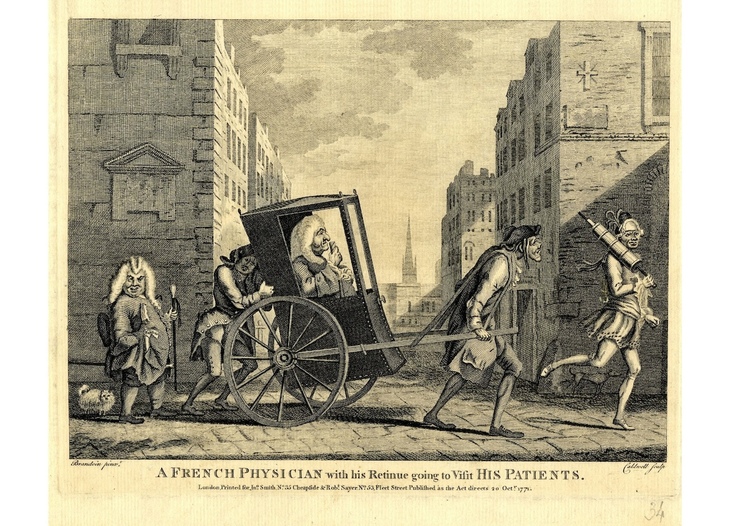
"Doctors in Paris are beginning to desist from their deadly practices and prejudices. There remain however a great number who kill without remorse... In London doctors are not as numerous, and are paid a lot more. It is said that they are very well trained."
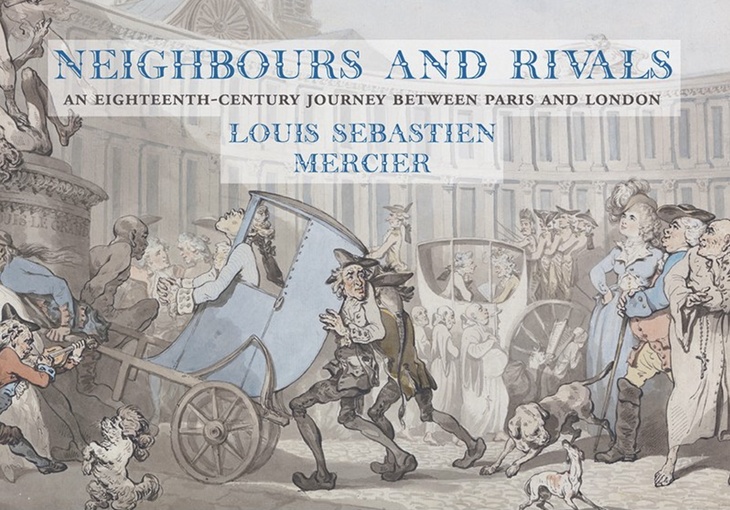
Neighbours and Rivals: An Eighteenth-Century Journey Between Paris and London by Louis-Sébastien Mercier, published by Pallas Athene Publishers
We featured this book because we know it's the kind of thing our readers will enjoy. By buying it via links in this article, Londonist may earn a commission from Bookshop.org — which also helps support independent bookshops.