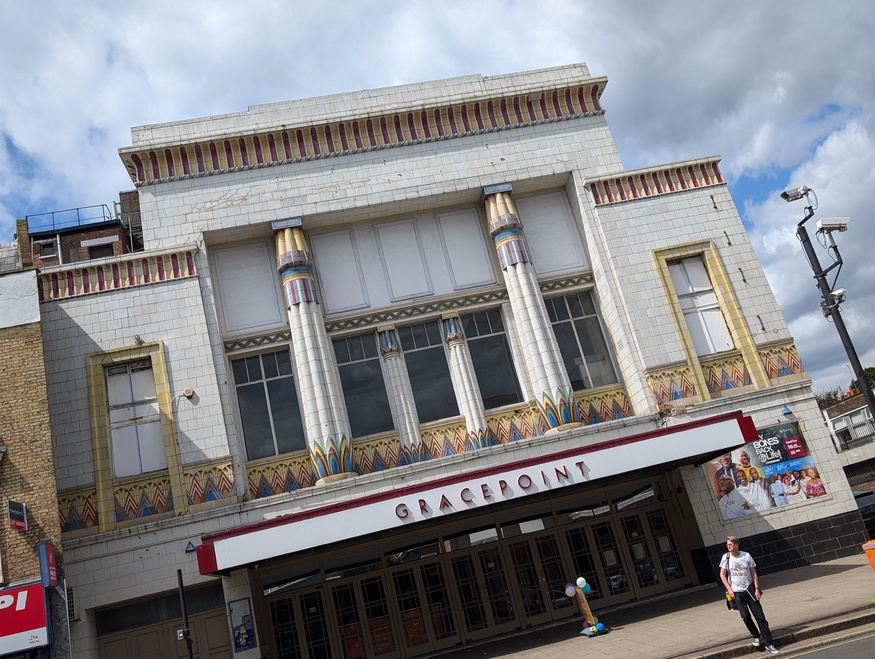
You've got to admire the audacity of the former Carlton Cinema on Essex Road.
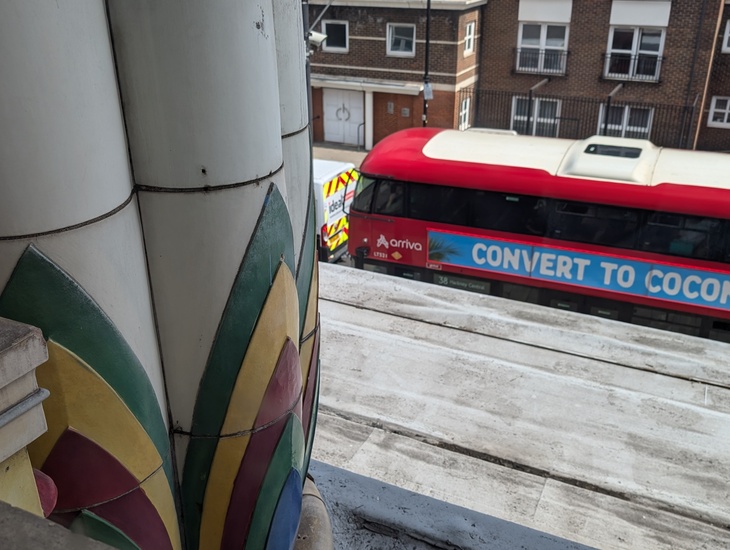
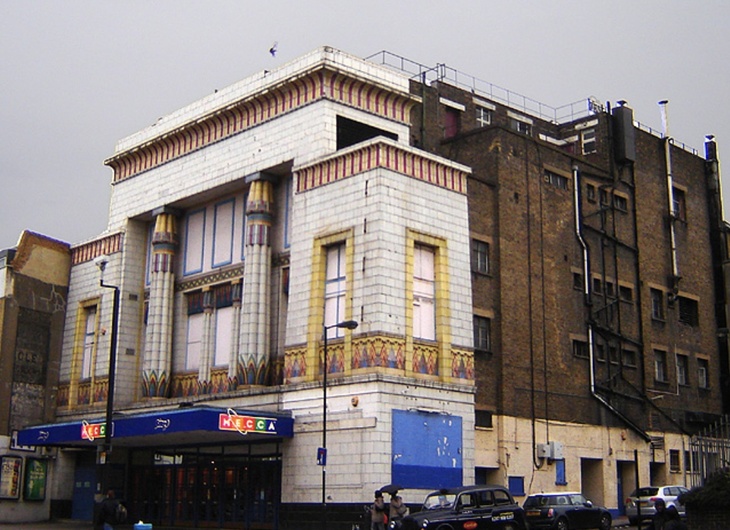
Part Cairo, part Vegas — half pharaoh's tomb, half pleasure palace — this sculptured loaf of 1930s Egyptomania introduces itself in a gaudy display of faience tiles: multicoloured chevron pyramids on a mustardy horizon; fluted pillars that blossom at the bottom with lotus flower motifs. Here I am, it says, and what are you going to do about it?
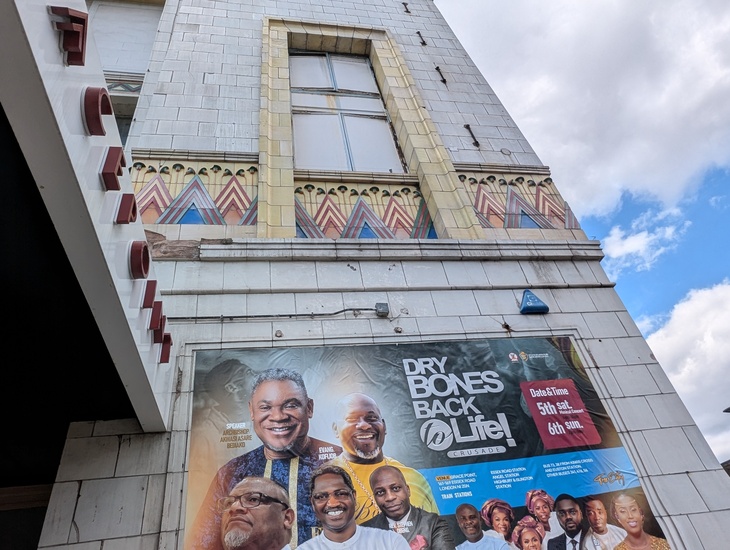
These days the tiles are sun bleached and filmed with the soot from slow-moving traffic. The ever-changing stars on the marquee, like Judy Garland or Humphrey Bogart, have long been switched out for a permanent top billing, namely Jesus Christ. Now called 'Gracepoint', the building has been an evangelical church since 2015 — still a theatre of sorts, yet a very different one.
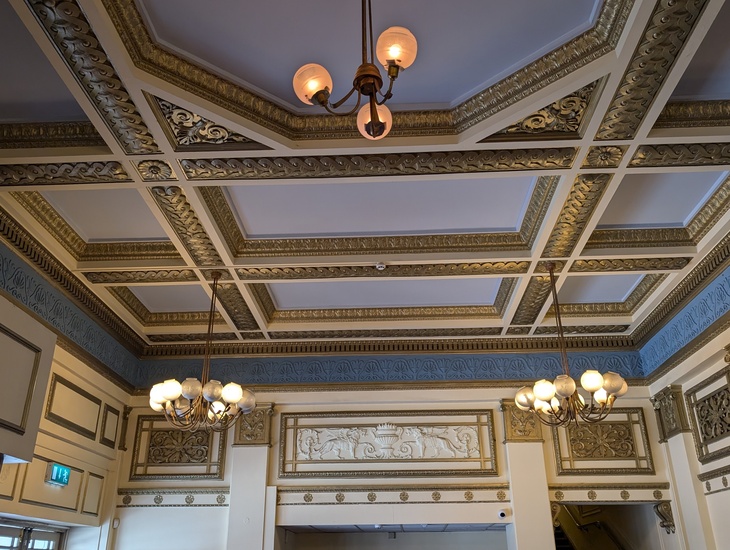
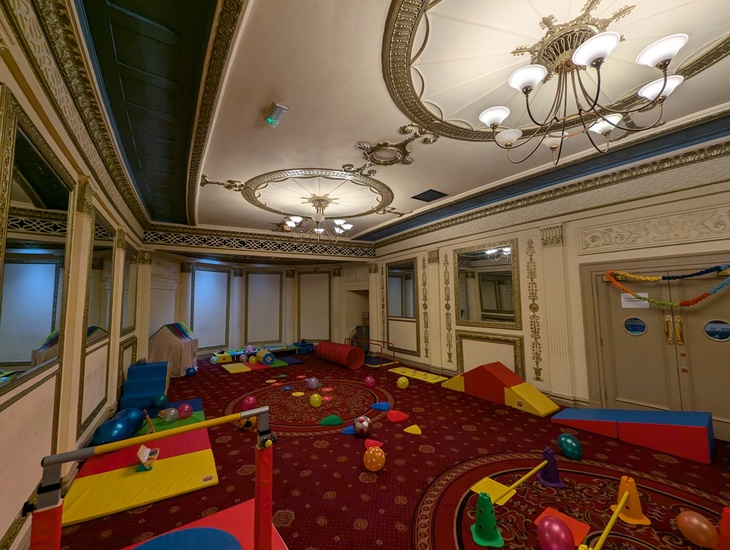
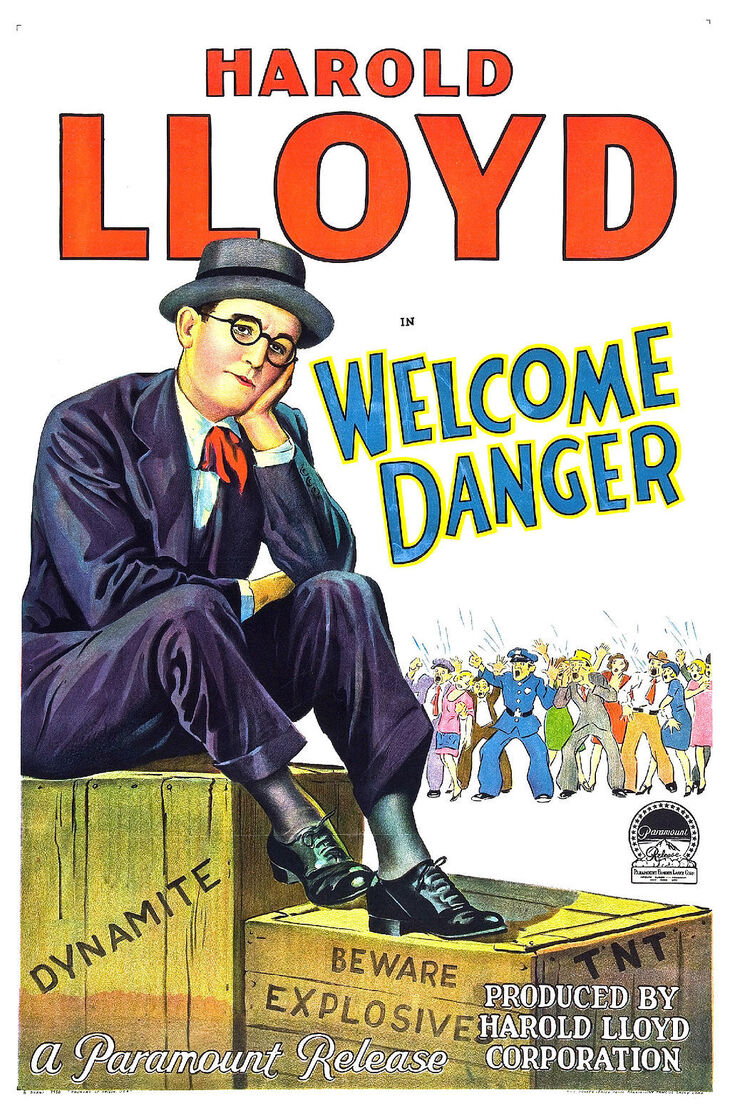
Still, it's easy enough to picture the day in 1930, when — fanfared by the Scots Guards — this place opened as the Carlton Cinema; a sea of north Londoners pouring in to roar with laughter at Harold Lloyd in Welcome Danger (the full sound version, mind; this 2,200 seat theatre was lavished with all the mod cons). The architect George Coles was in attendance that night — a man we also have to thank for the former Woolwich Odeon and the Troxy in Limehouse. Though bedraggled in places, he might be pleased to know that much of his Essex Road building remains in reasonable nick.
A coffered-ceiling lobby with classically ostentatious plasterwork informs that the Egyptomania's been left at the door — yet the neoclassical interior of the cinema has plenty to keep eyes occupied, even as you make your way through a soft play area that once thrummed with punters queuing for cigarettes and chocolates.
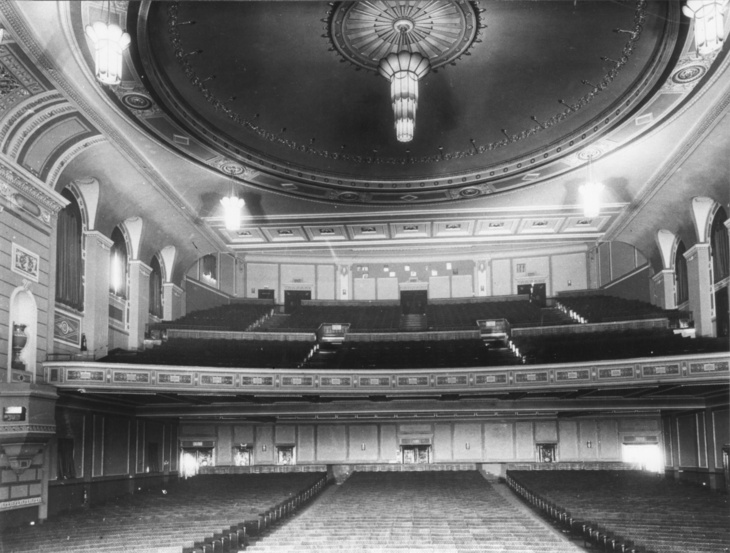
The auditorium — all corinthian pillars and gigantic ornamental urns pulling up into a breathtaking circular ceiling — has all the pluck and grace of a West End theatre, but then cinema was big business back when it was built: close to a billion cinemas tickets sold in Britain every year.
Like countless other palatial cinemas up and down the country, says co-runner of Tufnell Park Film Club, Nigel Smith — who also leads some excellent cinema walks around north and west London — the Carlton was a way for the masses to embark on exotic adventures in affordable luxury.
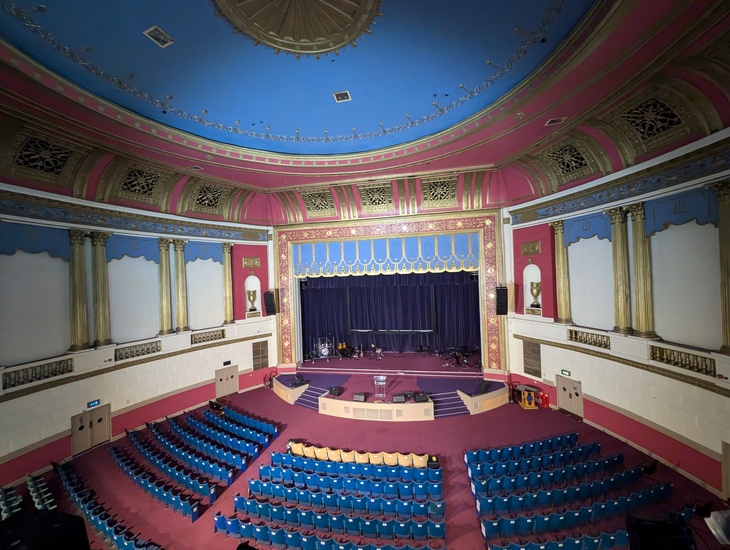
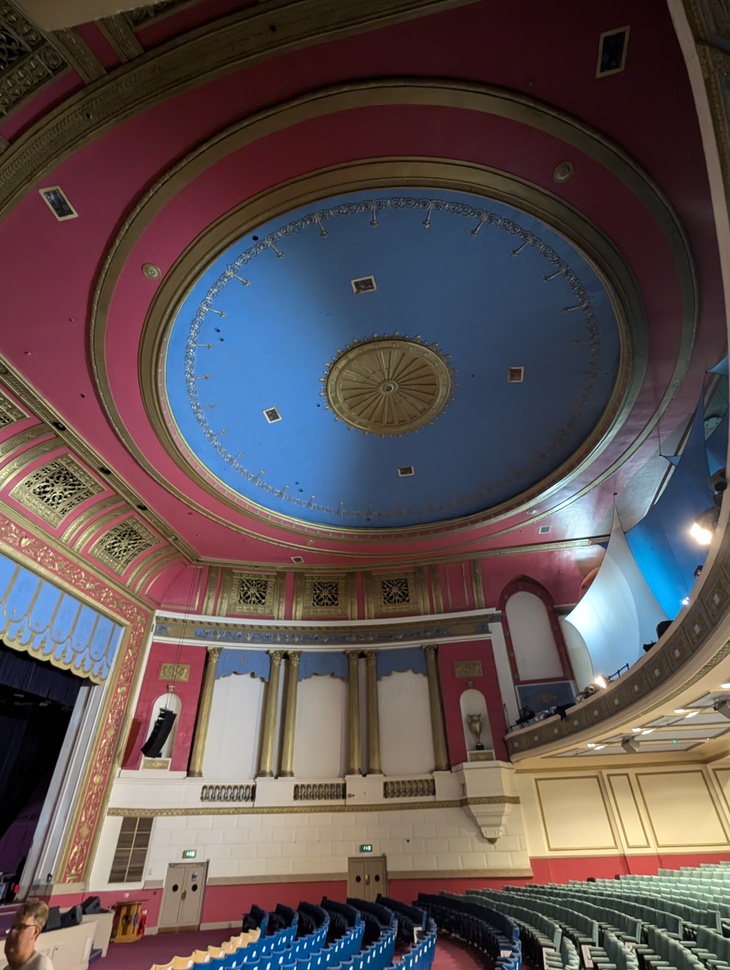
In many ways, the Carlton is one of the lucky ones; bought up wholesale in 2007, it was opened by the church eight years later, and continues to welcome a sizeable congregation. Meanwhile, other art deco cinemas continue to tumble (as I write, the Odeon cinema in Parkway, Camden is reportedly for the chop) .
Of course, if evangelical Christianity isn't your scene, a glimpse inside this old cinema remains a rarity. However, Nigel has now arranged with the church to conduct occasional tours, giving an insight into what it would have been like for cinema audiences back in the day.
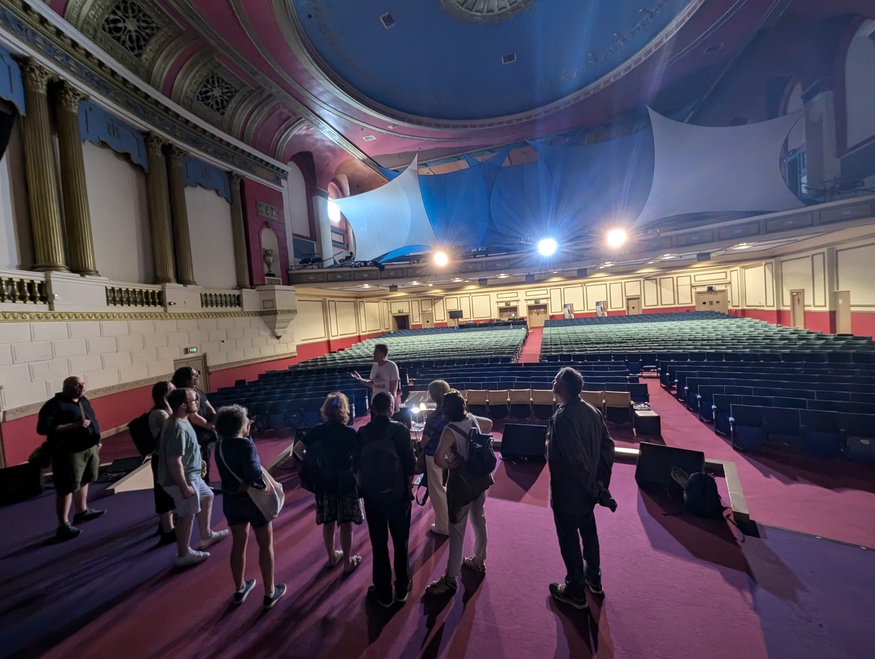
Nigel's tour hones in on the Carlton's heyday: the ghostly swell of a two manual Compton organ is played back to us — an organ that's long been broken up. We're told about the chaos of parent-free 'ABC Minors' Saturday morning screening marathons, where kids would sing a special anthem then toss orange peel from the circle before cheering for Roy Rogers on the CinemaScope screen. It wasn't always so quaint; as the years went on, the Carlton began dabbling in titillating films like Sex in the Grass.
By the tail end of the 1950s, cinemas were on the back foot. Over 10 million households had TV sets, and, scrabbling to make ends meet, a room at the front of the cinema was turned into a hair salon. This didn't cut the mustard, and in 1972, the cinema — which had been renamed ABC since 1962 — made the transition, as so many cinemas did, into a bingo hall.
Cinemas, says Nigel, were clambering over one another to be bought out by the bingo companies, because they didn't want to miss out on the opportunity. And so the bingo addicts moved in — people like Violet Graham, who when interviewed by the Ham & High newspaper in 1997, quipped she needed two sleeping pills to get through Christmas until bingo opened again on Boxing Day because, she couldn't cope with not getting her fix.
While it's often seen as a 'shame' these cinemas pivoted to bingo, places like the Carlton were well loved and well used — not just for gaming, but social interaction. In fact, bingo regulars came more frequently than the cinemagoers. "Carol and Joyce sit in the same seat every time," reports the Ham & High piece, "surrounded by bags of sweets, coffees, cigarettes and their friends. It's their lucky seat, and if they are late, someone always keeps it for them. Carol's best win is £2,000, and she has developed the skill of accurately filling in 10 cards at once."
But again, there was a tectonic shift in culture — this time including online bingo and a smoking ban — and in 2007 the Mecca Bingo shut up shop — making way for its current, more reverent incarnation.
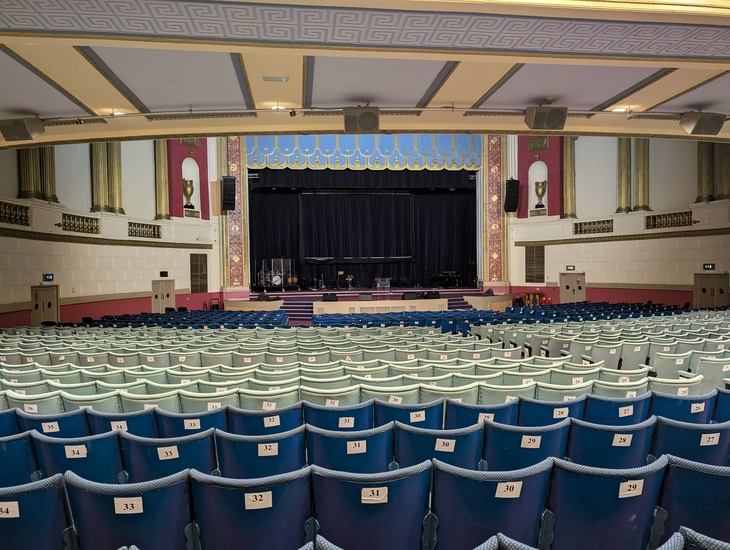
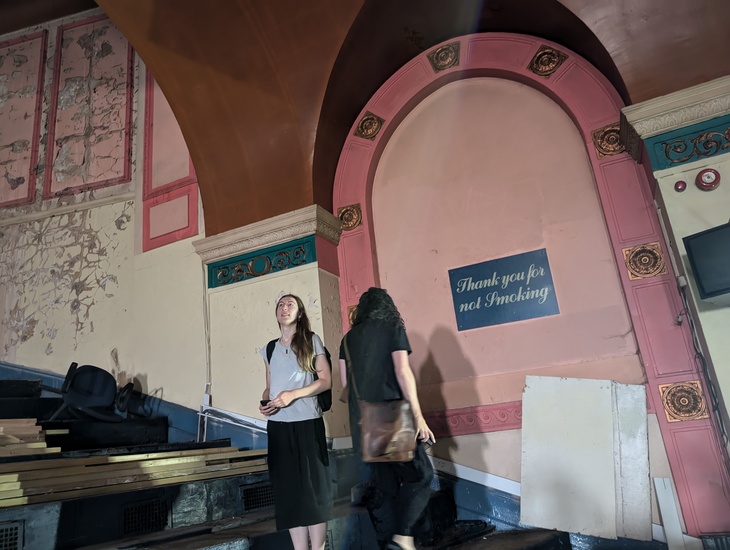
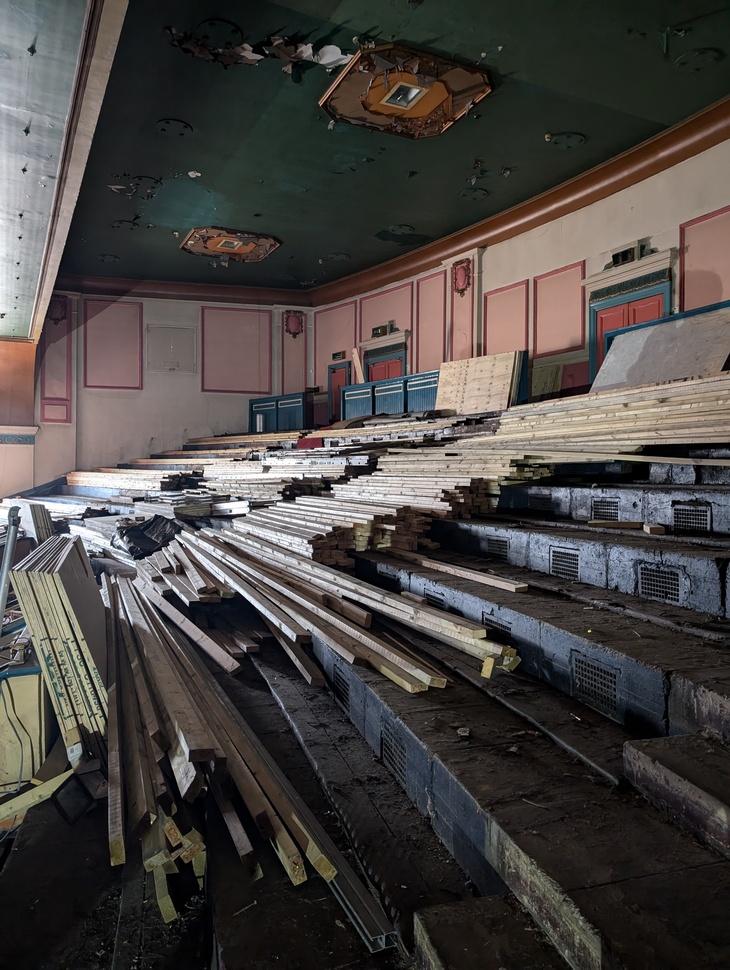
Touring the former Carlton in its state of semi-purgatory is both fascinating, and a little sad. The spring-action walnut seating has long been ripped out and replaced with seats of inferior quality. The circle — at the front of which were considered to be the best seats in the house — is a construction site. "Thank you for not smoking" smiles a sign up here, which must've been installed in the latter days of its time as a bingo hall.
While appreciation for these great cinemas becomes more mainstream — earlier this year, the old Walthamstow Granada had a stunning reintroduction into society as Soho Theatre Walthamstow — this place probably won't ever be a fully-functioning cinema again. But at least it still pulls in punters of a sort; at least organ music still swells through the auditorium. And at least, there's now a chance for the history and cinema-curious to occasionally pop their heads in and learn about its golden past.
Visit Nigel Smith's website for details on all of his tours. The next Carlton Cinema tours are at 11am and 2pm on Friday 3 October 2025 and Saturday 24 January 2026.
Images: Londonist unless otherwise stated.