For every fresh, exciting venture that springs up, London sheds an old favourite. Once again, it's time to cue the melancholy piano for our list of places that closed down in 2026. We'll update the list as the year goes on.
101 Records, Croydon
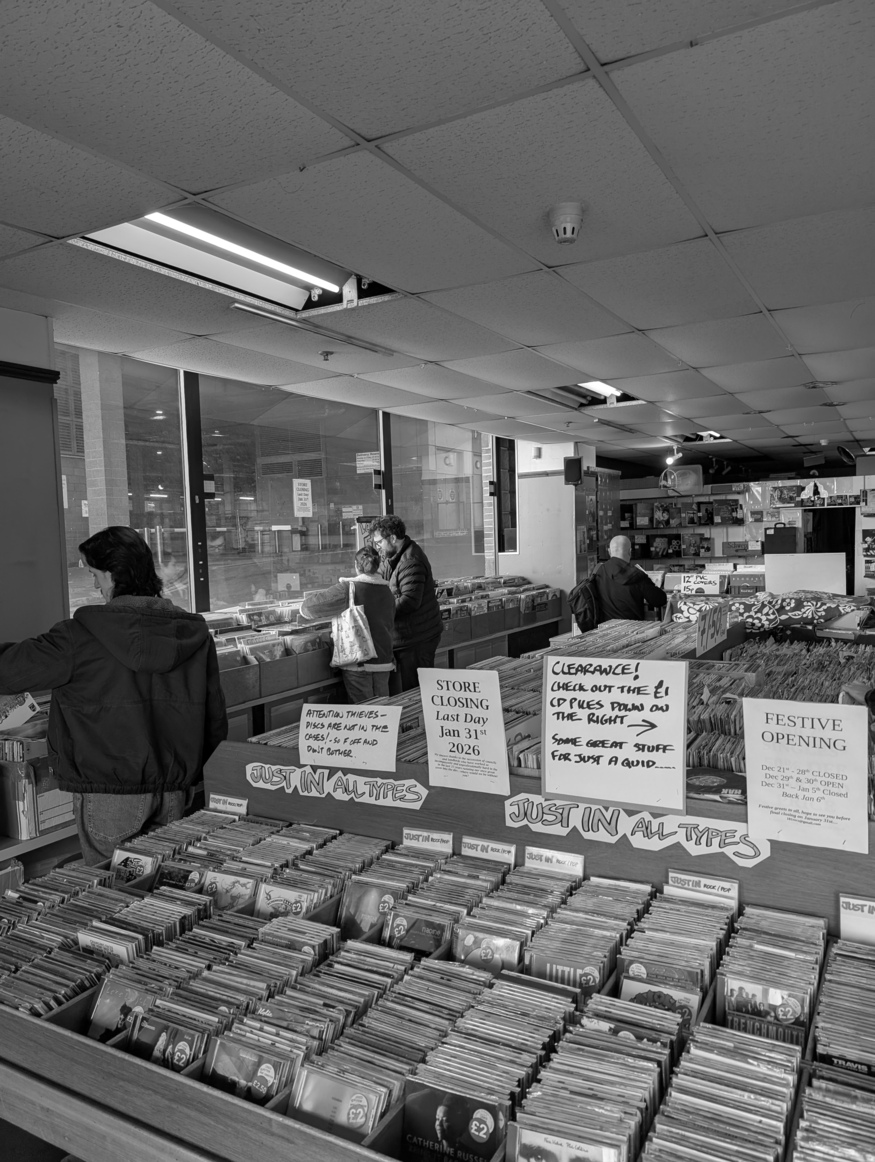
Beanos, Big Apple, Bonaparte... there was a time when Croydon was a go-to for vinyl-pursuing musos. Sadly, as 2026 made its entrance, the town saw the exit of 101 Records — a fantastic value shop we enjoyed perusing every now and then — and which bluntly blamed successive councils and landlords for 'running our once great town into the dirt'. Ouch.
100 Wardour Street, Soho
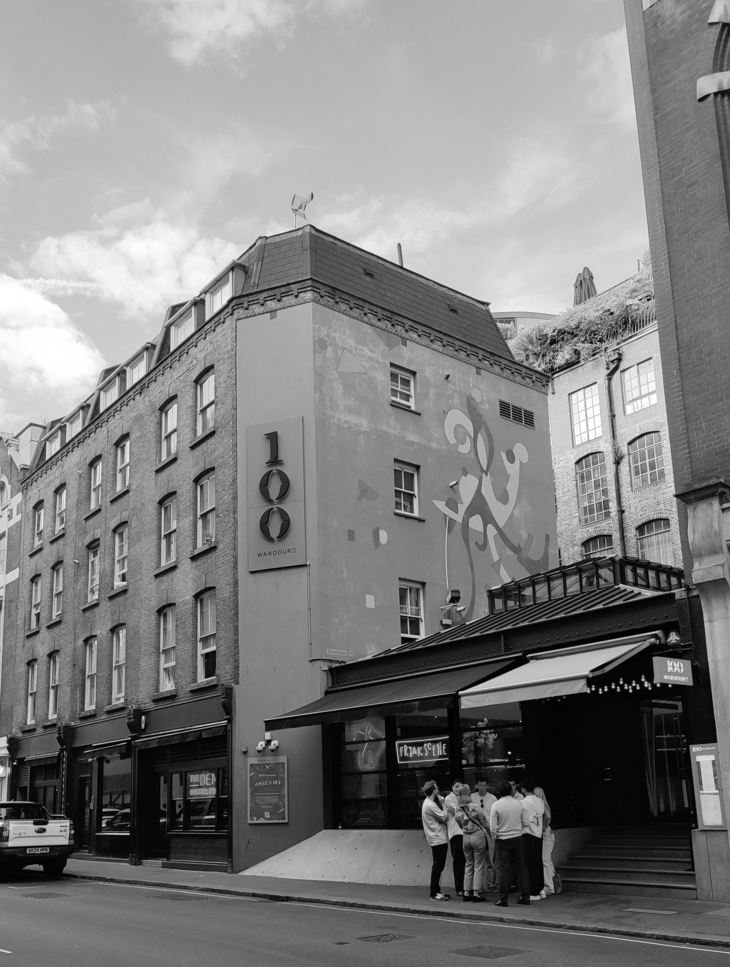
This lively Soho hangout — situated on the site of the former Marquee Club — brunched its last bottomless brunch early in 2026, despite having received consistent thumbs-up for its hospitality over its decade-long lifespan. It's unclear exactly why the venue closed, although the team behind it, The Evolv Collection, continue to operate a number of other London venues.
Brixton Tube's newspaper stand
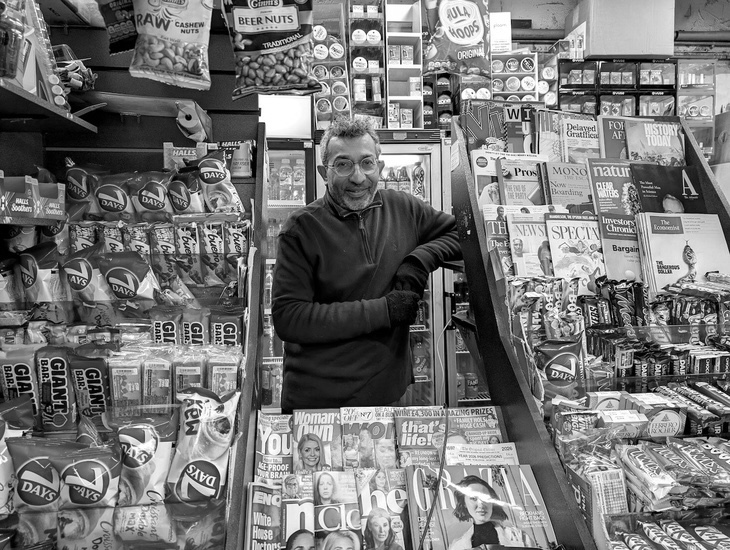
We visited Pritesh Patel on his last day of trading at the well-loved newspaper/confectionary stand he'd worked for over 35 years. "The trade is still here," he told us, "Not as big a living as we used to, but we're still making a living."
The problem? The landlord, TfL, decided it wanted to enlarge the shop (something which Pritesh had been game for) and — here's the sucker punch — vertiginously increase how much it'd cost to remain in situ. "It's double the rent, so for us it wasn't viable," said Pritesh, "I wish them luck." London sometimes has a nasty habit of destroying some of the best things about it.
Lambeth Country Show, Herne Hill
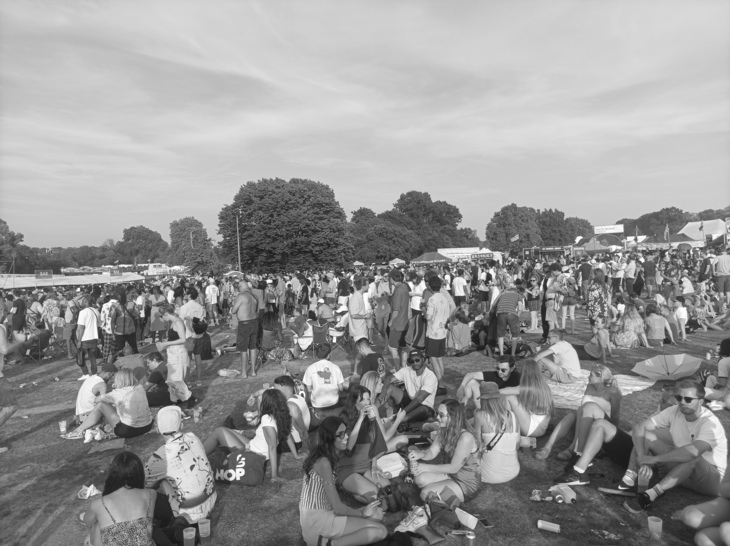
Is London's park life gradually being fenced off? While Crystal Palace Park must fund it revamp by selling off parcels of land, all is not well in the garden of Herne Hill either. Lambeth Country Show — which debuted in 1974 — will not take place in the summer of 2026. The reason? Budget cuts. It's especially sad news, given that paid-for festivals such as Mighty Hoopla will continue — its organisers presumably paying Lambeth Council a fair whack for the privilege. Is the Lambeth Country Show gone for good? As its resident sheep might put it: that'd be baaaad news.
The Orange Tree, Winchmore Hill
Revered as one of the most honest boozers in north London, when the Orange Tree's landlords John and Marie retired in February 2026, it was curtains for the Taylor Walker-built local, the Enfield Society fearing it could be redeveloped into housing. The Orange Tree was, opined one beer commentator "pure trad pub bliss". Winchmore Hill does, however, still have another exquisite locals pub up its sleeve — the Little Green Dragon, and long may it draw fiery breath.
Lots (but not all) of London's BrewDogs
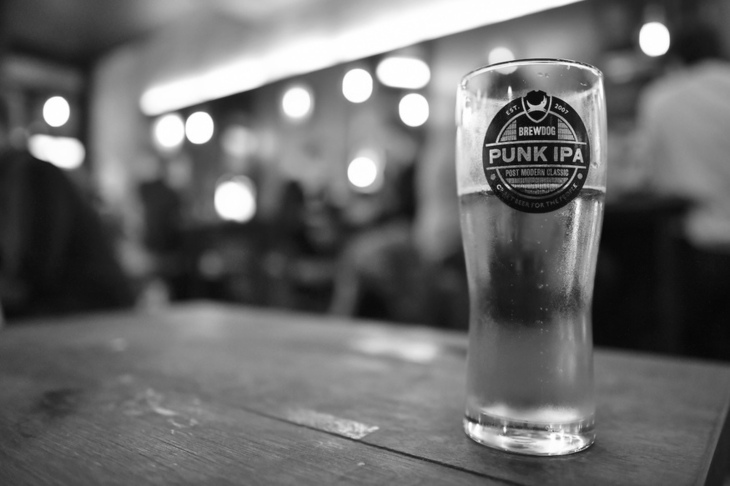
Not, perhaps, as cherished as the Orange Tree, but certainly a player in the pubscape of 21st century London, BrewDog abruptly announced the closure of nine of its London outposts (Soho, Camden Road, Chancery Lane, Clerkenwell, Ealing, Hammersmith, Seething Lane, Tower Bridge and Wandsworth) with immediate effect in March. It was confirmation that the seemingly troubled brand was very troubled indeed. We pored over fond memories of the early BrewDog days while nursing a beer — although not a Punk IPA, as we haven't bought one of those for ages. A handful of BrewDogs continue to ply their trade in London, including the one with the slide.
Seven Dials Playhouse
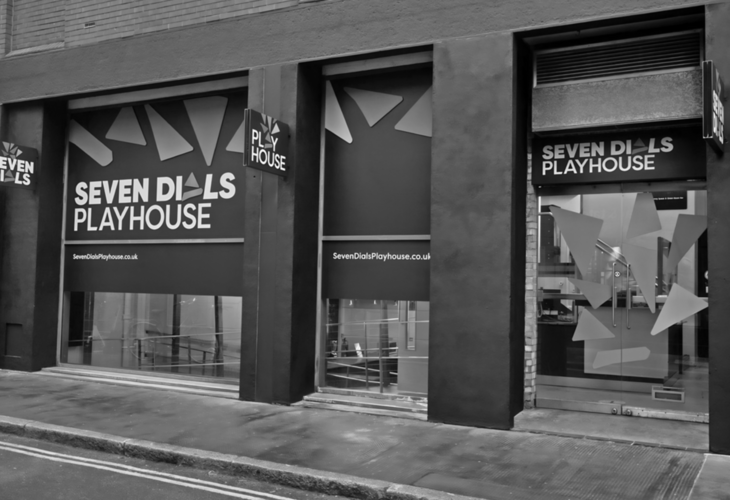
A "catastrophic loss to actors" is how campaigners described the closure of Seven Dials Playhouse at the end of March 2026. The small Covent Garden theatre had its roots as the Actors Centre, founded in 1978, as a place for actors to experiment, and "dare to fail". Judi Dench and Laurence Olivier were among those associated with the Actors Centre and its workshops in its early days. Moving to Seven Dials in 1994, thanks to a fundraising campaign championed by Anthony Hopkins, the Centre was then rebranded as the Seven Dials Playhouse in 2021. But after the theatre building was sold for £3.6m in 2024 to "generate new revenue streams and build a sustainable future, following the collapse of the old membership and training model", things unravelled fast, prompting an unsavoury end for what had been a highly-regarded institution. "I do feel a deep sadness," said Kate Maravan, director of The New Actors Centre, "I think, in a way, they drained it of its heart."
Corsica Studios
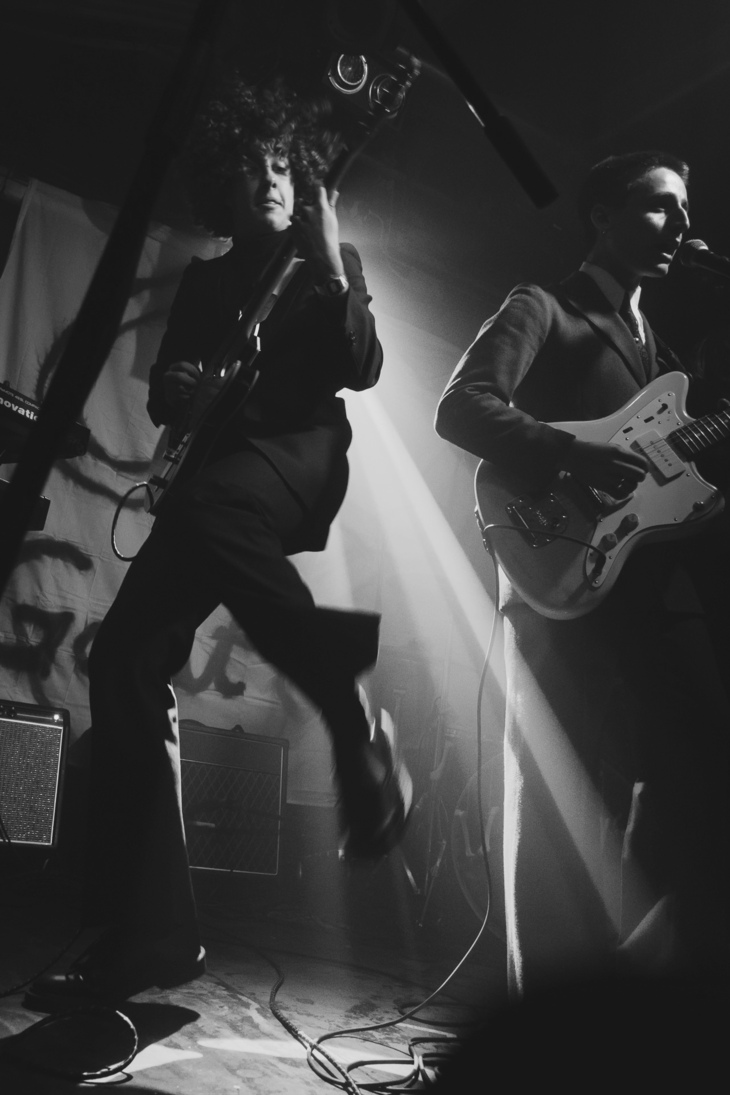
It's no secret that Elephant & Castle has lost much of its gritty rizz over the past decade, Corsica Studios being one of the latest dominoes to fall. "Ask any music-loving Londoner to name the city's best venues, and there’s a decent chance Corsica Studios will appear somewhere near the top of their list", wrote the Guardian, when it was announced the under-the-arches venue established in 2002 by Adrian Jones and Amanda Moss, was to shutter. Though the closure perhaps wasn't purely down to the ongoing development, that certainly didn't help. "You can stay as long as you want," Jones was told by the developer Delancey at one point. "You just can't make any noise past 1 April." It fell silent for good in spring 2026.
Hacha Dalston
On 25 April 2026 (exactly seven years since opening), neighbourhood bar Hacha Dalston served its last signature Mirror Margarita cocktail — so called because of its clearness — before shutting up shop for good. However, this is adiós, rather than goodbye; the team (which also lost its home in Bermondsey in 2025) has announced it'll be appearing at six festivals across the UK, plus in a series of short-term residencies and pop-ups.
Various Franco Mancas
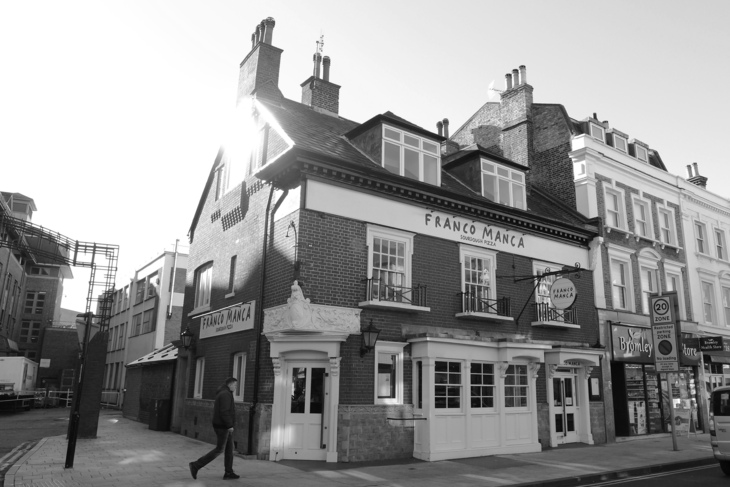
Early champions of London's Neapolitan sourdough pizza craze, Franco Manca opened its debut restaurant in Brixton in 2008, before ballooning into a 70-venue UK-wide beast — becoming a byword for decent, and decently-priced, pizzas (not to mention proud purveyors of wine in tumblers). In April 2026, however, The Fulham Shore, which runs the Franco Manca chain, made swinging cuts to the brand, with nine London locations facing the axe: Battersea, Brixton, Bromley, Broadway Market, Chiswick, Kilburn, New Oxford Street, Stoke Newington and Tottenham Court Road. Fulham Store CEO Marcel Khan claimed the challenging climate was to blame: "‘Even restaurant businesses that are doing all the right things from a customer and operational perspective are not immune to widely publicised pressures impacting the hospitality industry." Because there were so many Franco Mancas in the first place, London still has a number of branches, including in Soho, London Bridge and Waterloo. Our obvious advice: use 'em or lose 'em.
Science Gallery, London Bridge
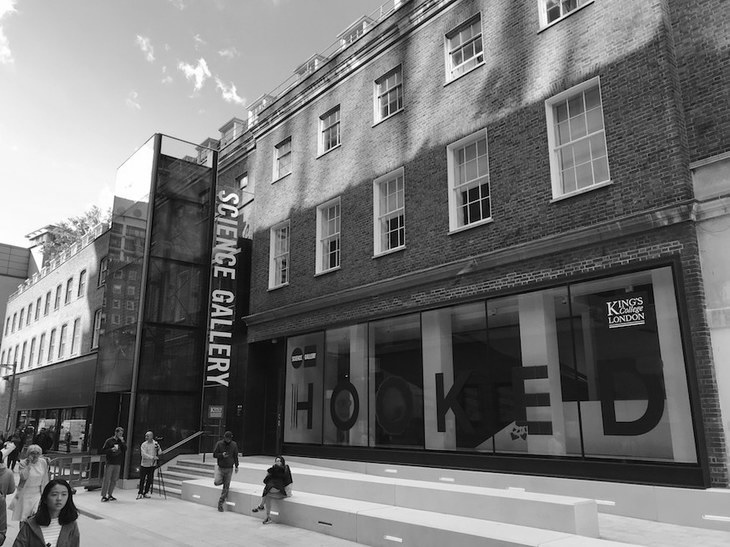
A table made of sugar, and partly dissolved by tea, was what greeted us during our first encounter with the Science Gallery, when it opened in 2018. The King's College gallery was part of an international group of such venues — presenting works influenced by, or built upon, science. "If you're a fan of the Wellcome Collection," we reckoned, "then you'll feel at home here." Sadly, 2026 was the gallery's final year.
Coughlans Bakeries, across south London
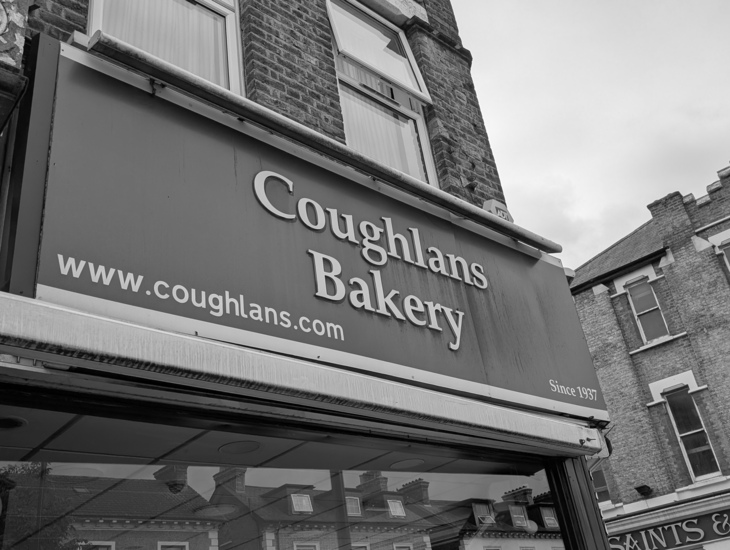
Established by Jack Coughlan on Croydon's Mayday Road in 1937, this bakery became a firm favourite with south London locals over the years — testified by its expansion to a number of stores in Croydon borough, as well as other parts of south London, West Sussex, Surrey and Kent. In 2024, the Crawley-born comedian Romesh Ranganathan became a co-owner, sometimes even serving behind the counter (we can personally testify that the Ranga Yum Yums made in his honour were delish).
But in June, Coughlans suddenly announced it was closing all its bakeries with immediate effect, going into voluntary liquidation. Inside Croydon published a piece suggesting there was a little more going on behind the scenes than was publicly stated by Coughlans in the first instance. Some of the stores have already been usurped by fresh bakery businesses, so that's something.
St Moritz, Soho
In June, we bid a sudden farewell to St Moritz, the Swiss restaurant/club that had been plying Sohoites with fondue and good times since 1960, would you believe it. The long-running Gaz's Rockin' Blues Club, which had used St Moritz as a base, continues down the road at Kingly Court.
Queer Brewing, Leyton
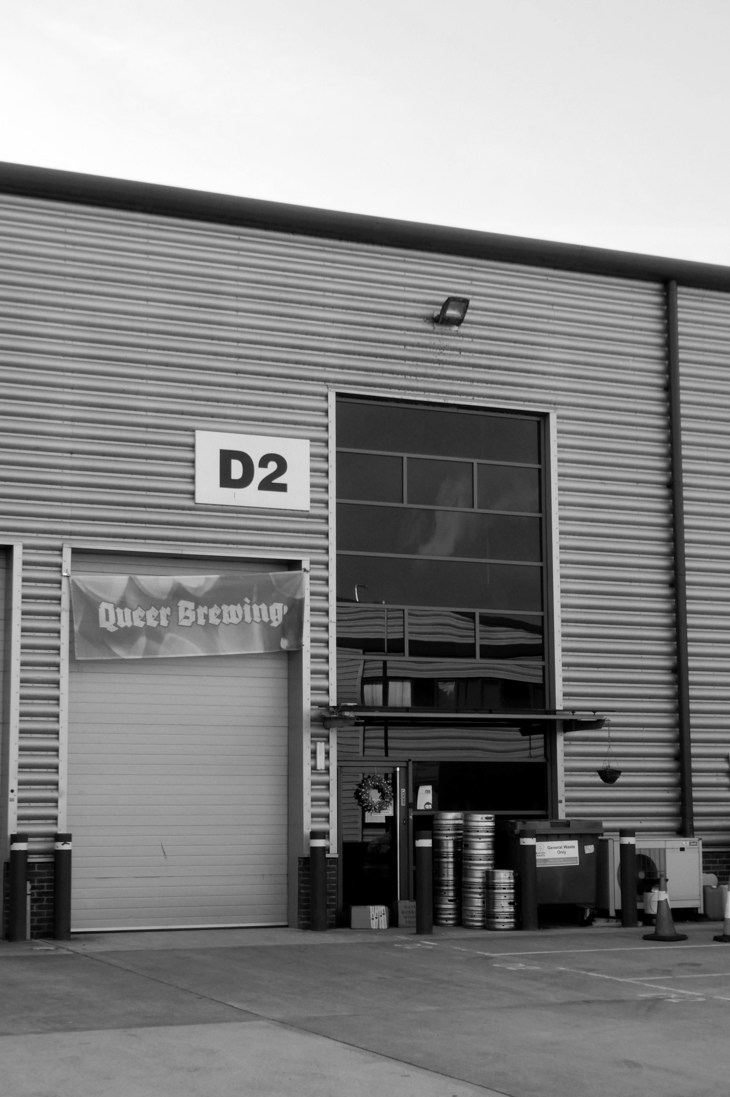
The UK's first queer- and trans-owned brewery wound down operations at the end of July.
In a video posted on the company's social media, founder Lily Waite-Marsden said: "This is the announcement that we never thought we'd have to make, but this is sadly the end of the road for Queer Brewing.
"We know that there's a certain irony in making this announcement at the start of Pride month, our busiest time of year, and we realise that this may come as a surprise."
Founded in 2019, Queer Brewing became renowned for its superb range of craft beers, including a Queer Joy! Queer Power! stout, a Something To Put In You hazy pale, and a Glitter Veil IPA. The most frustrating thing — both for Queer Brewing and the people who loved it — is that business was good; the brewery busier than it had ever been.
Prawn on the Lawn, Islington
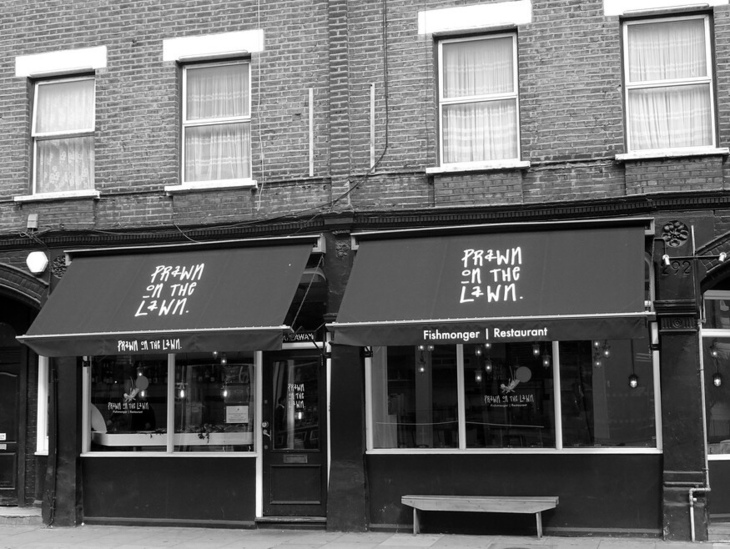
Established in 2013 by Katie and Rick Toogood, the fishmongers/small plates restaurant — a stone's throw from Highbury & islington station — was celebrated for its ever-changing menu of fresh fish, given an Asian/Mediterranean twist. A 2017 Guardian review described Prawn on the Lawn as "delight after delight". But in July, it slung its final prawn. It lives on in Padstow, Cornwall, although note: the Victoria line doesn't run this far south.
Gabriel's Wharf, South Bank
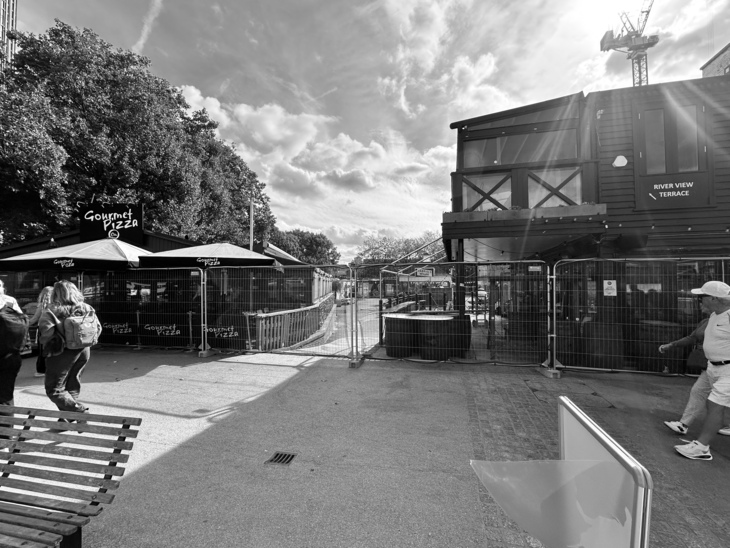
Even if you never bought anything from one of its 20 independent traders, you almost certainly walked past Gabriel's Wharf: it stood on the South Bank for almost 40 years, before closing in September 2026, ahead of demolition and redevelopment. "Everybody loves it and we just feel so sad," one of the co-owners of Potters' Yard Arts told the BBC. "It's one of the few places left in London that has that lovely, happy, innocent kind of feeling about it."
All the Beefeaters
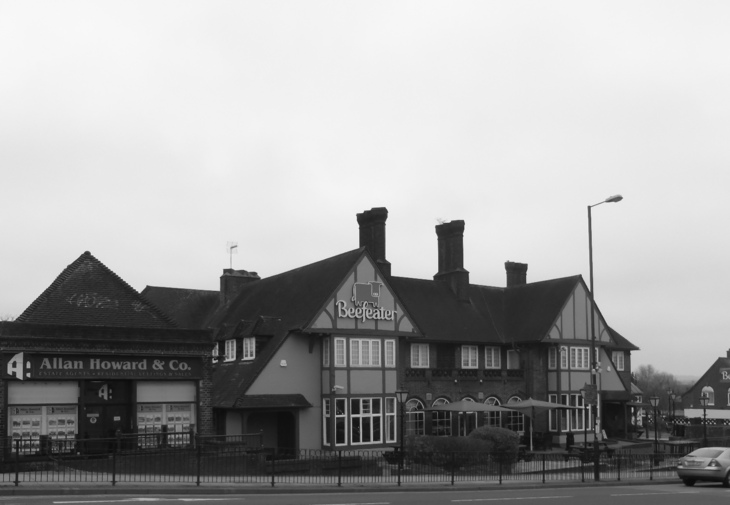
They had the most Londony name going, but Beefeater restaurants became dead meat in September, not just in London, but everywhere. The first ever Beefeater opened just over half a century ago in Enfield, and by the mid 1990s, there were some 250 locations across the UK. In London, the Kenton, Woolwich and Romford branches held on till the bitter end.
Cafe TPT, Chinatown
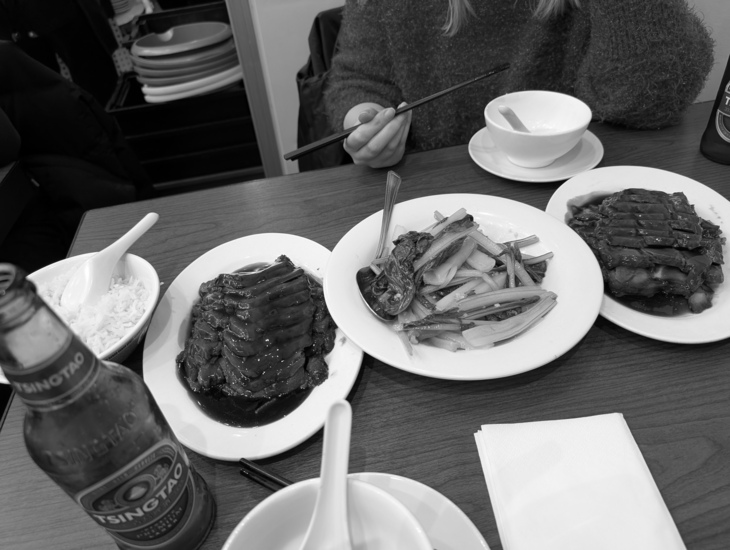
A favourite post-Prince Charles Cinema dinner option for us, Cafe TPT always came up with the goods with their honey-glazed pork — that is, unless it proved so popular it was sold out (which it often was). It's not like Chinatown is short on dining options, but the simplicity/efficiency/deliciousness of this place will be missed.
Lorenzo, Crystal Palace
For over four decades, Lorenzo fed Crystal Palace with scrummy pizza, but in November, that came to an end, thanks to rising operating costs and financial pressures. Read the full statement here.
Colony Room Green, Oxford Circus
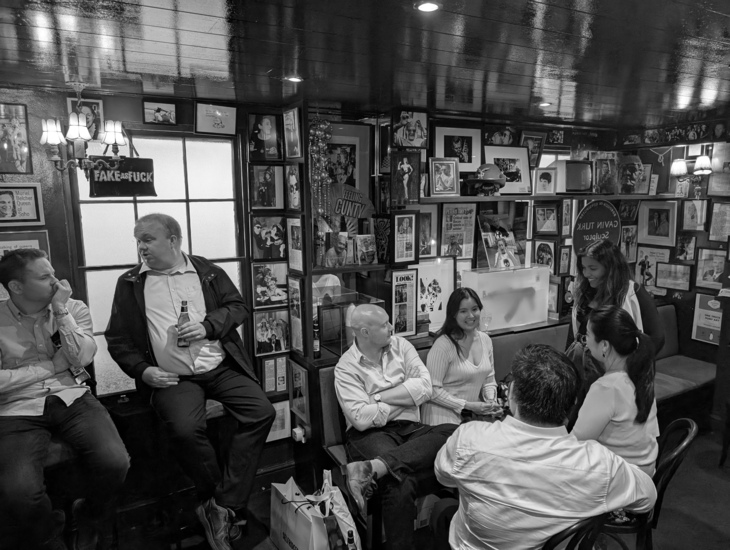
This faithful recreation of the original Colony Room (well minus the chain smoking and foul-mouthed barpeople) proved that there's nowt wrong with a touch of nostalgia, especially when the drinks are priced nostalgically too. Though Colony Room Green has now shut (amid some controversy, we're told by an insider), we've been promised it will return in another location soon enough.
Other losses in 2026
❌ 10 Greek Street, Soho - indie restaurant and wine bar that had traded for a decade.
❌ The Tram Stop, Addiscombe - delightful neighbourhood restaurant that did a banging fry up.
❌ Circa, Soho - LGBTQ+ bar which regretfully decided it was no longer viable to carry on.
❌ Bodean's - the three remaining outposts of "London's first 'authentic' BBQ restaurant" fizzled out in August.
❌ The Kentish Drovers Wetherspoon in Peckham gave up the ghost in September amid rumours it'd become a bingo hall.
❌ Zodiac Bar, Camden - the trans-founded and run bar called last orders, although its managing director Jade Phoenix had a hopeful message for the future: "This is not the end. I, Lady Phoenix will rise back from the ashes. The Zodiac era may be over, but I intend to return stronger and mightier than before, so watch this space."
For a more comprehensive rundown of restaurants that've closed in 2026, we recommend checking out Hot Dinners.