In a world of digital advertising, fly-posting outfit UNCLE are keeping it paper and paste. Ahead of exhibition The Art of Flying — an immersive event exploring the history and culture of fly-posting — UNCLE give us a brief history of a lesser-appreciated art form.
Fly-posting has been part of London life for more than 150 years.
It began in the 19th century as paid work tied to the city's expanding entertainment and political scenes. Bill-stickers worked by night with brushes, paste, and ladders, covering hoardings and walls with printed sheets. The job was physical and often illegal, but it shaped the appearance of the city and helped establish the foundations of modern outdoor advertising.
Charles Dickens wrote about the trade in an 1851 edition of Household Words, recounting a night spent with London's self-proclaimed 'King of the Bill-Posters'. From the back of a horse-drawn advertising carriage, Dickens watched as 'the King' and his crew pasted theatre bills across the city, moving fast to avoid the police. His account remains one of the earliest and most detailed records of the practice, revealing a system of territories, competition, and skill that would define fly-posting for decades to come.
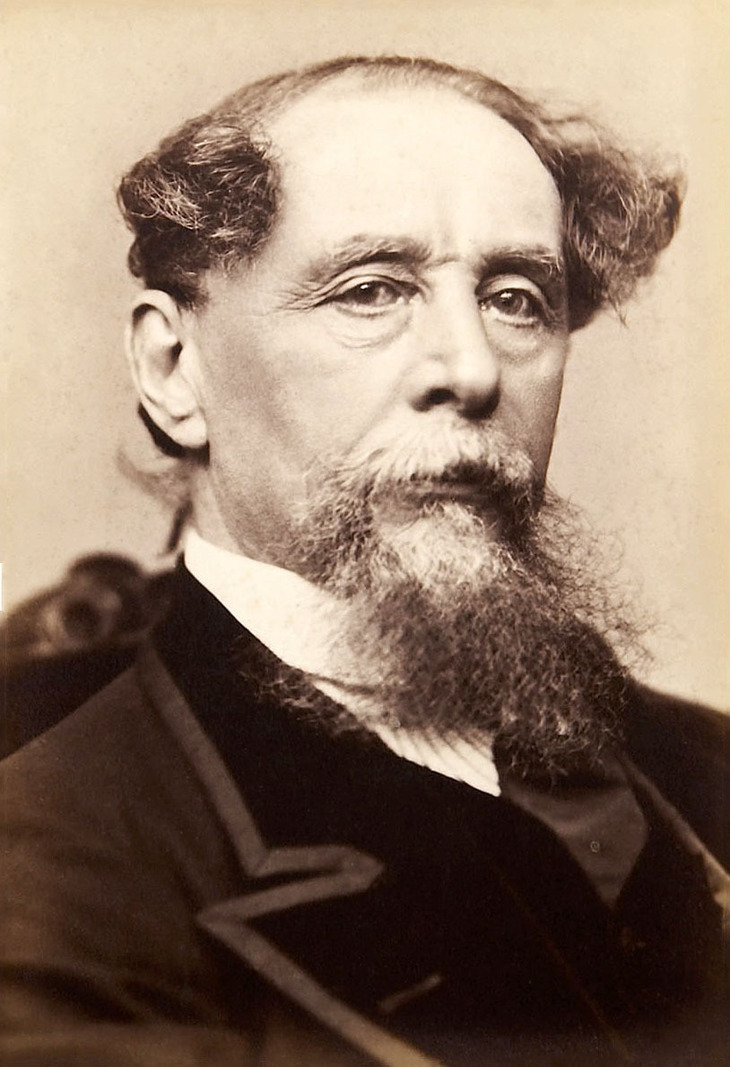
By the 1860s, figures such as William Smith, manager of the New Adelphi Theatre, began promoting a more orderly, respectable approach to advertising. Smith's 1863 publication Advertise: How? When? Where? called for uniform posters and neat display boards, marking the start of a long push to control the look of London's streets.
Fly-posting had become a professional network with clear rules and hierarchies by the early 20th century. Those who worked 'on the brush' took pride in speed, precision, and placement. What began as labour became an act of authorship: walls as surfaces, paste as medium, and the city as its canvas.
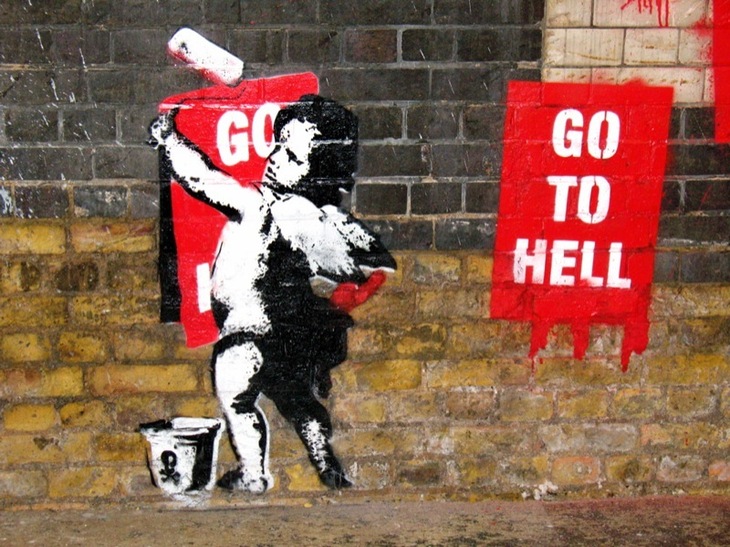
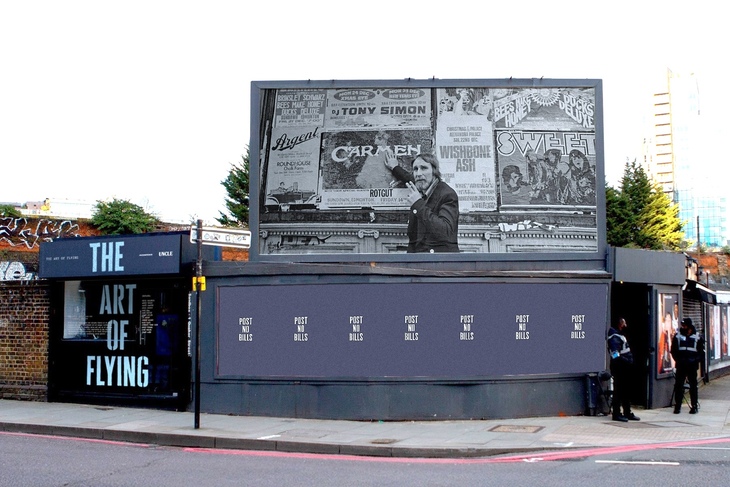
In the 1970s and 1980s, fly-posting became part of counterculture. Musicians, artists, and activists used it to speak directly to the public, bypassing traditional media and authority. The fly-poster's wall became a space of resistance and communication, carrying messages that were urgent, local and often fleeting. The likes of Terry 'The Pill' Slater (who appears on a billboard as part of The Art of Flying) gained legendary status. As Roger Crimlis and Alwyn W Turner write in Pin-Ups 1972-1982: Twenty Years of Classic Posters from the Punk, New Wave and Glam Era, "So integrated had this side of the business become by the late-'70s that the major record companies would send artwork to printing plants with instructions to deliver the posters 'direct to Terry'."
Fly-posting can be seen by some as a form of street art due to its aesthetic qualities, ephemeral nature, and social commentary. Artists use its raw physicality and transient status to challenge norms and engage with the urban landscape. Its layering, repetition, and decay mirror the life of the city itself, always changing, never complete.
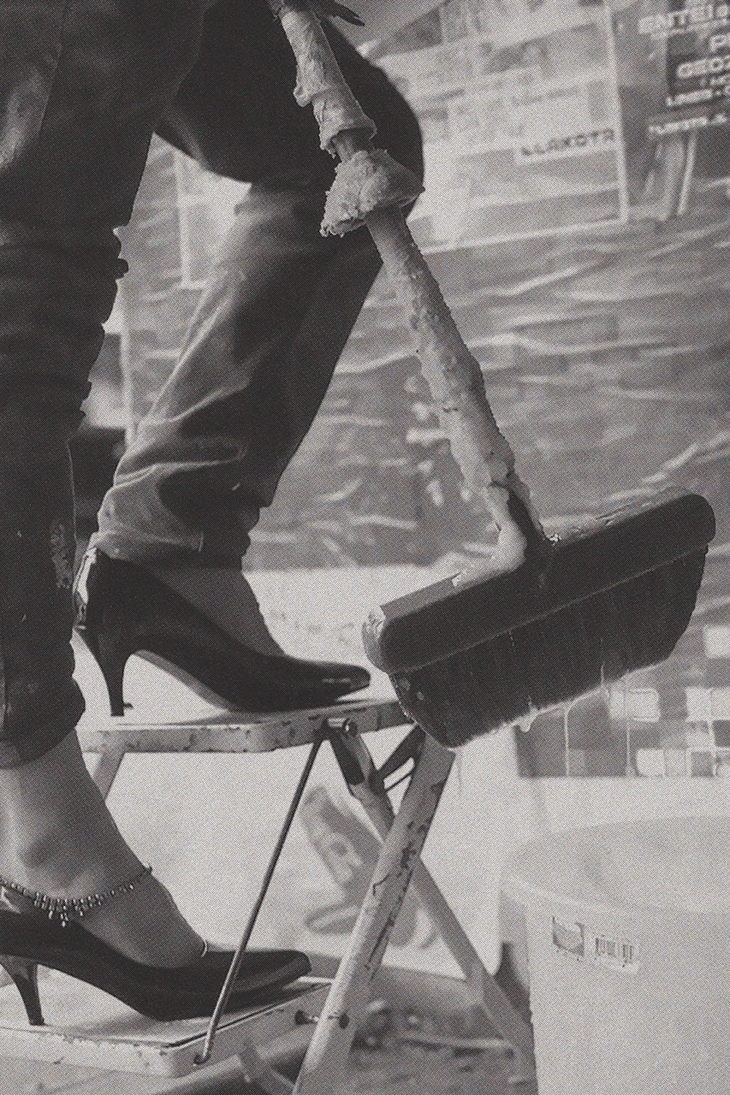
Despite regulation and digital advertising, fly-posting endures. UNCLE counts among its clients Timberland, Armani, The Last Dinner Party, Nike and Vivienne Westwood. You might even say that fly-posting characterises certain parts of London, with its ever-changing array of artworks. Its persistence lies in the same mix of craft, risk, and invention that has driven it for more than a century.
The Art of Flying runs from 31 October-4 November 2025 at 1 Quaker Street, Shoreditch. Free entry; booking required for the lunchtime talks on 2 November.