Christian Coop takes us on a tour of London's salubrious St James's district — through the lens of his beautiful watercolours.
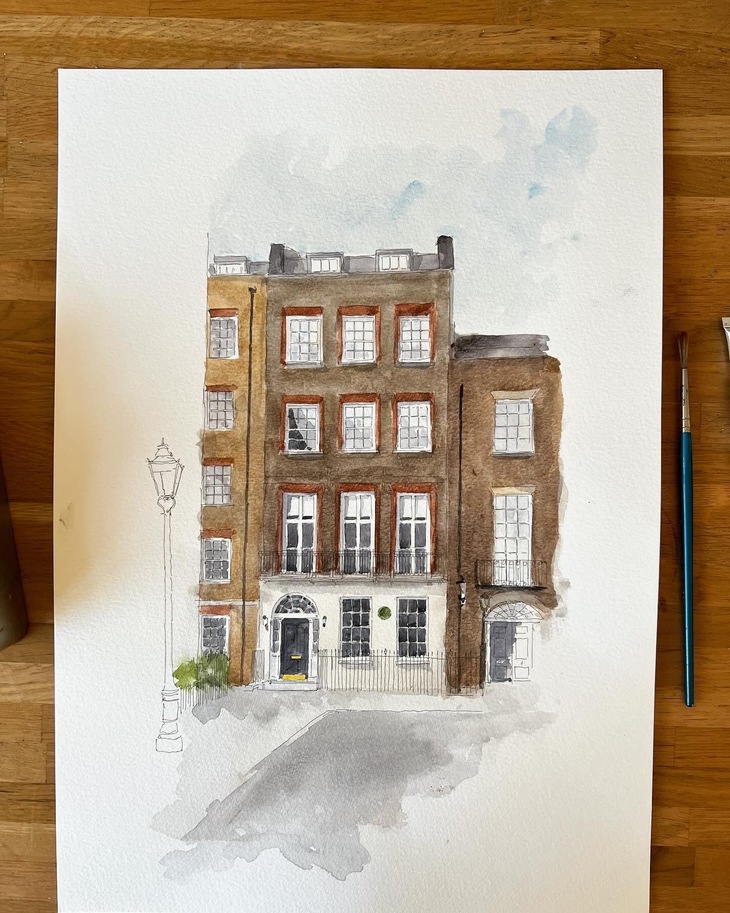
London is a big city — twice the physical size of New York — with over three million homes and hundreds of historical landmarks.
Nine million of us friendly Londoners cram together to enjoy the city, and we know it's one of the best places in the world. Even if Jean-Paul Sartre once said "Hell is other people", he certainly wasn't a Londoner!
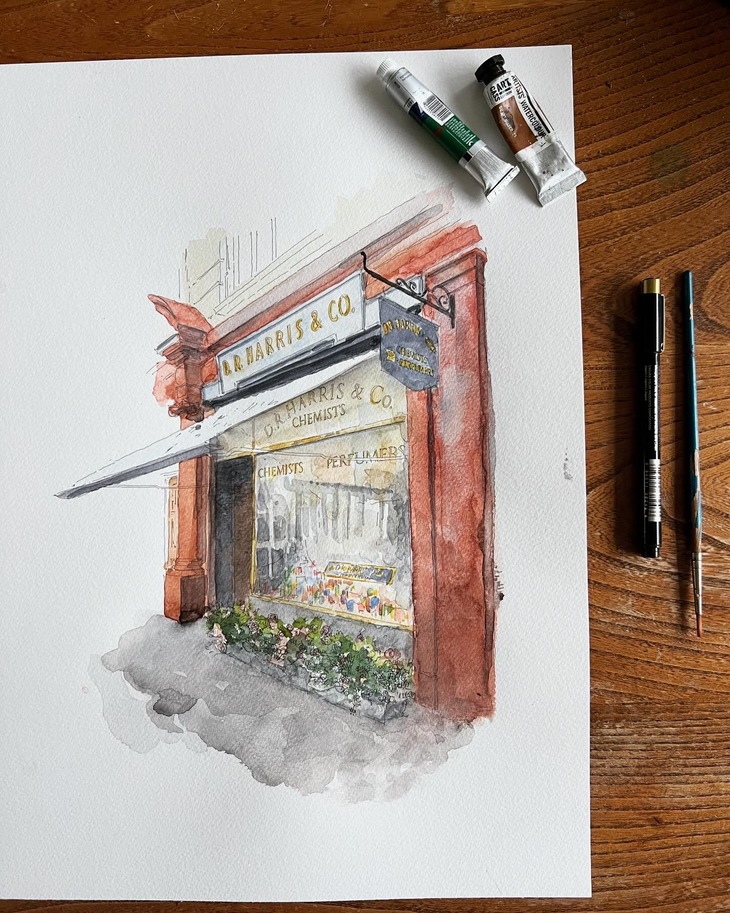
I originally come from Manchester, and let me tell you: hell is grey skies — that's one of the reasons I made the move, as many others have, to the 'Big Smoke'. London took time to grow on me; everything is harder here. Rent, travel, people. But the big attraction for me was always the architecture. Old or modern, it was all captivating. I would walk for hours — and still do — to experience more. As an architect, this is both part of my education and my soul. Seeing architecture inspires me, and you can always take influence from others in your own designs.
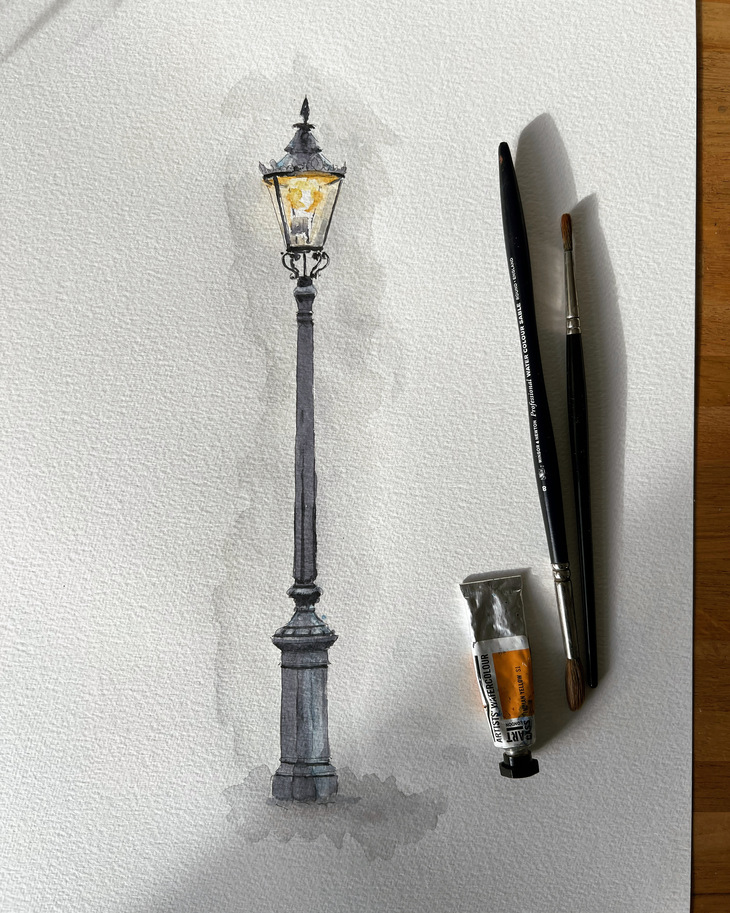
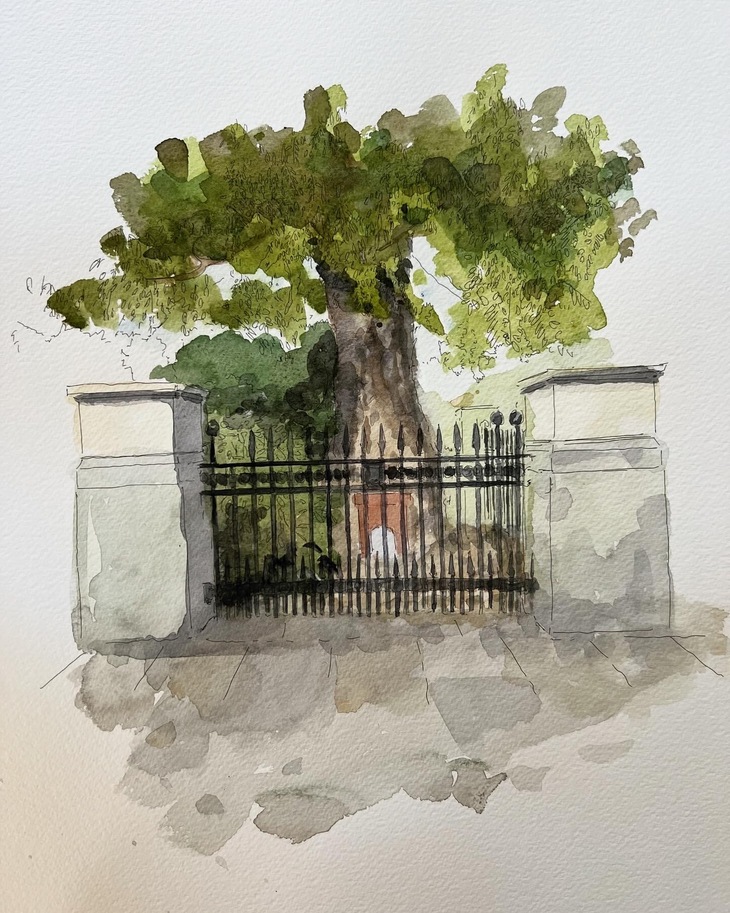
Over the years, however, the numerous buildings started to blend together. The city became one constant stream of structures. What stood out to me were the spaces — rather than the architecture itself. I took countless photos, but I never really studied them. That's when I realised I was missing something. I needed to see things differently. So I picked up the pencil.
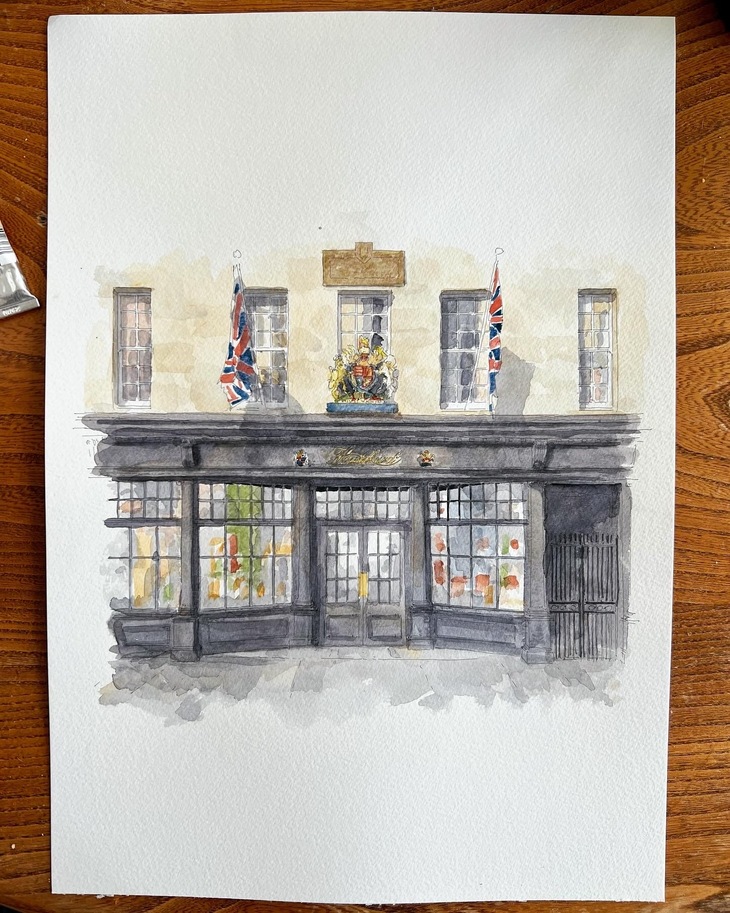
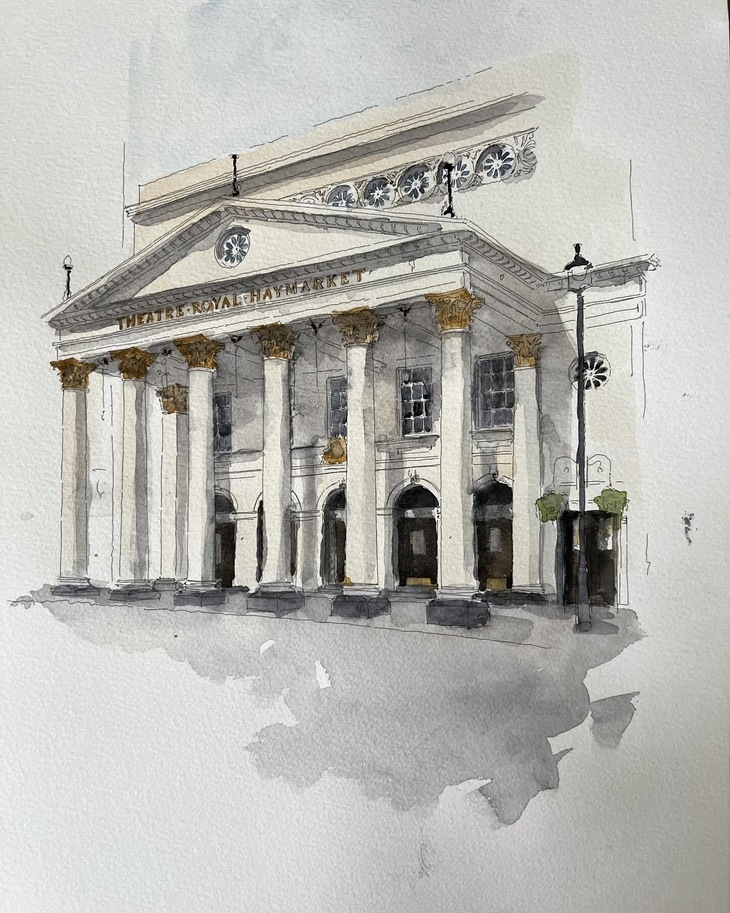
Drawing is an act — a deliberate relationship between the artist and the object, but also with what created the object. When you draw architecture, you read it, you understand it, and then you know why the architect made the choices they did. You can feel the gravity in the structure, the chisel that forms the carvings, the proportions that make it elegant. All of this becomes part of your memory. And that’s the trick — like taking notes at a lecture, drawing is taking notes of the world around us.
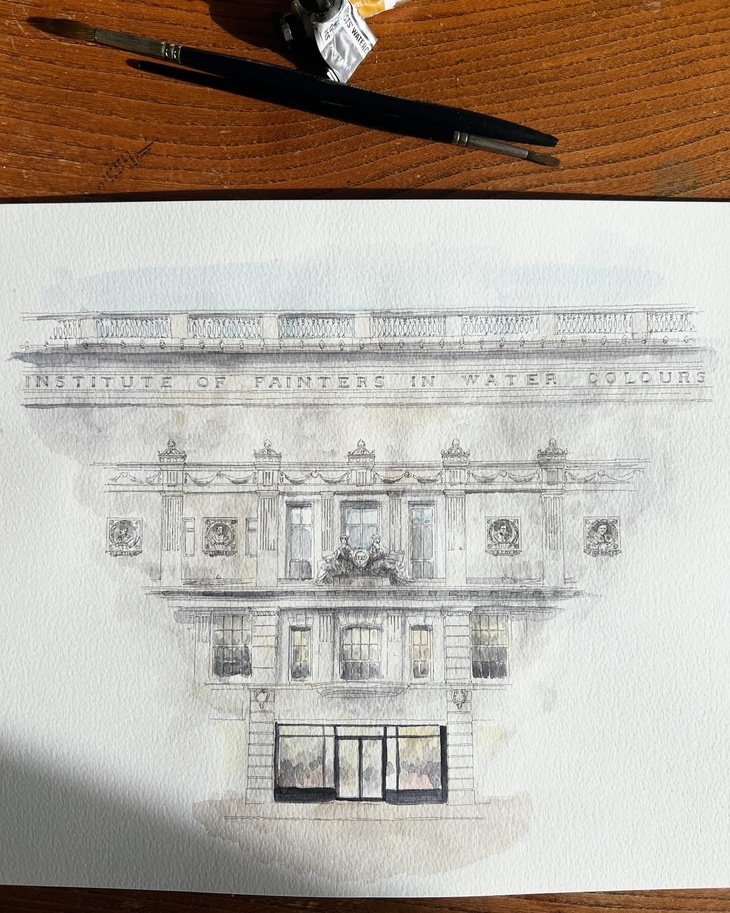
Drawing helps me to look, read, and understand a building — to learn why it exists and, hopefully, to design better architecture. Initially, I sought out historic buildings outside my usual knowledge, examining their proportions and decoration. It's fascinating how decoration can actually serve a functional purpose, like helping to signify an entrance. Proportions also tell a story; many Georgian buildings feature grand first floors, known as the 'piano nobile', which were the main living spaces, elevated above the smells of the lower floors. In this way, beauty and practicality meet.
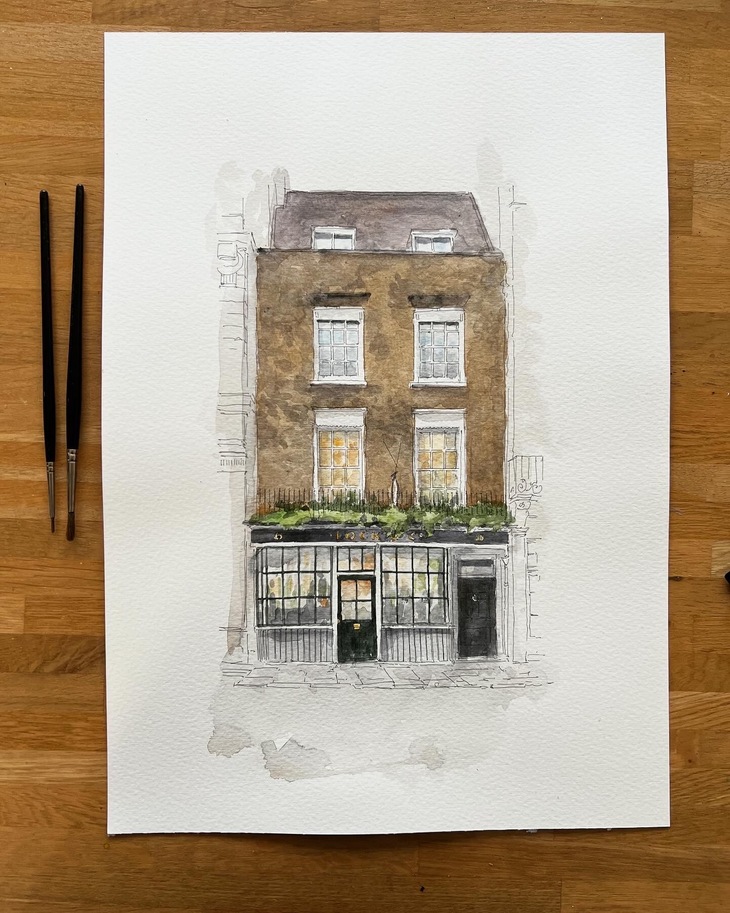
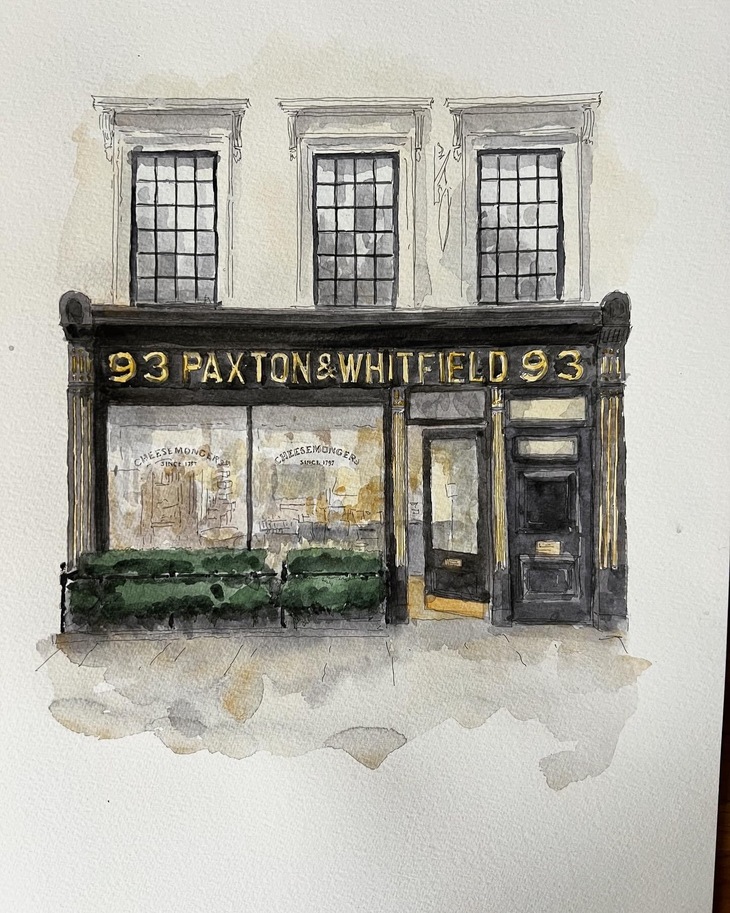
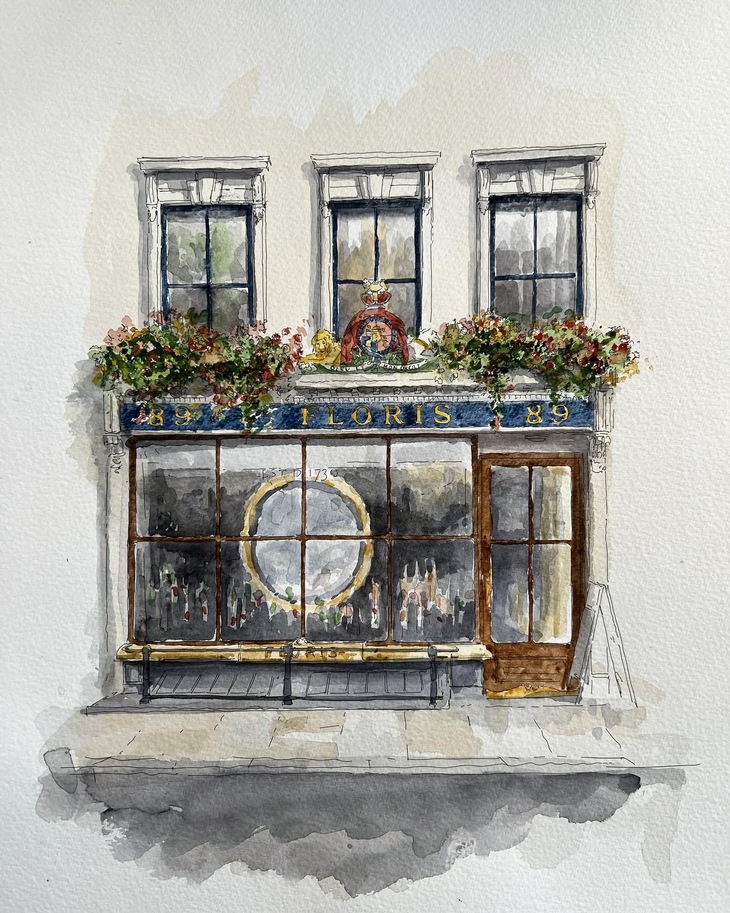
As I progressed, I started to explore different typologies. The members' clubs of St James's, for example, speak a similar architectural language, though each tries to outdo the next by employing the best architects of the time. The gardens and public spaces in this area seem closely tied to authority — either the monarchy or the government. St James's Square features a statue of King William III, and Pickering Place was once part of the Texas Embassy. The shops of St James's — some of the UK's oldest — still retain their handmade products, housed in beautifully detailed shopfronts. It's extraordinary to think that you can find cheese maturing in cellars just steps from Piccadilly.
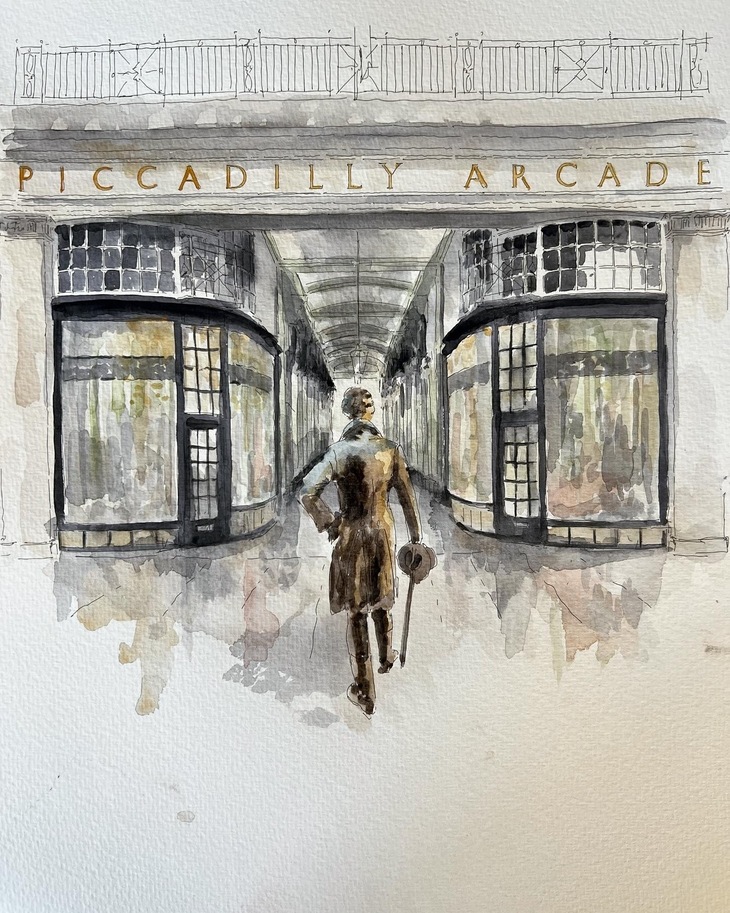
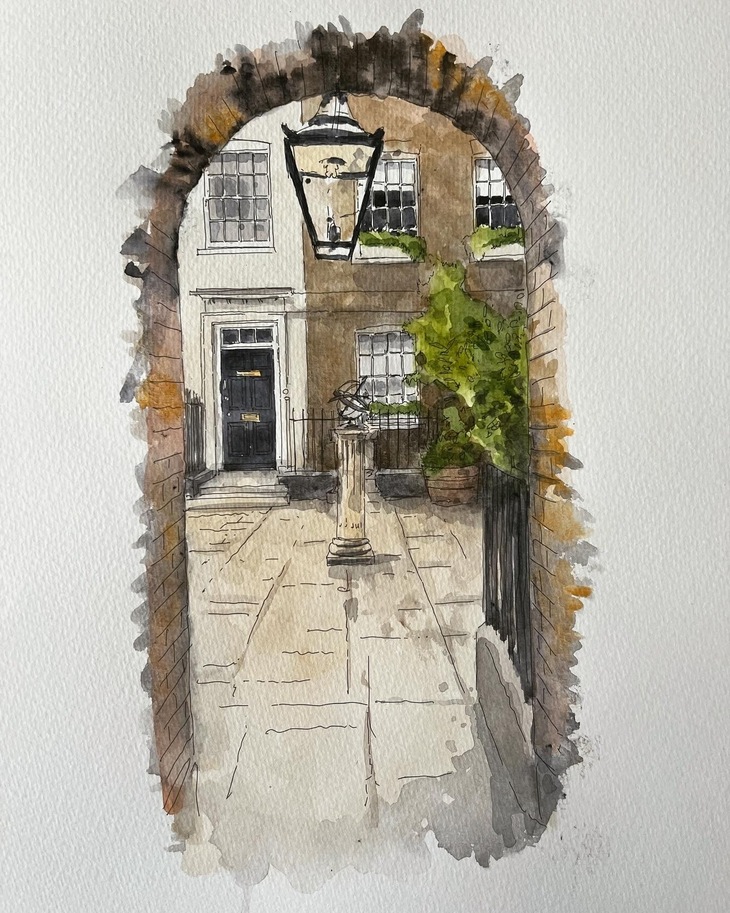
Good buildings often come with stories, and the best buildings tend to survive. It usually takes at least 50 years for poor buildings to be demolished. This is also why mid-century buildings are gaining popularity today; now, the best examples can really stand out. For instance, St James's Place is a rare Lasdun building for the luxury residential market, a departure from his usual progressive style. It's still classic Lasdun, but with some marble and travertine thrown in. I paint all ages of buildings, but I tend to learn the most from older ones.
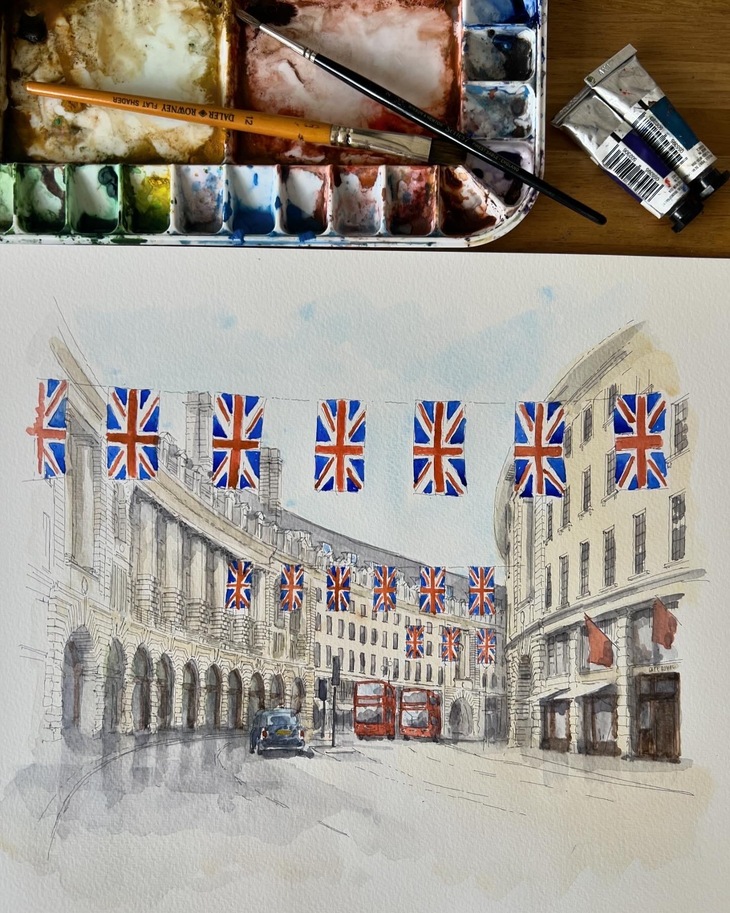
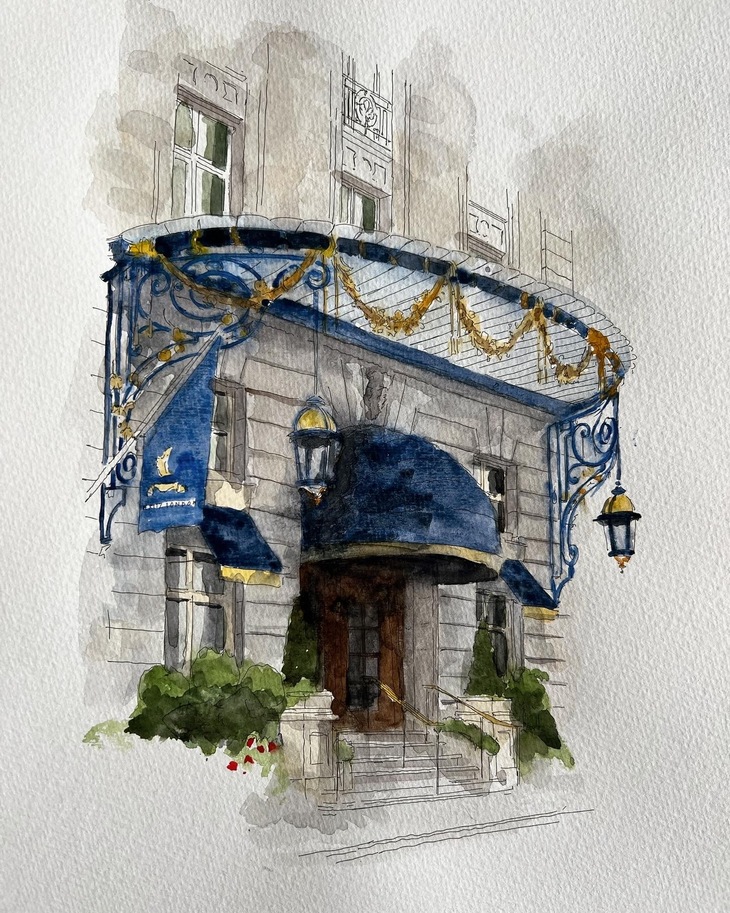
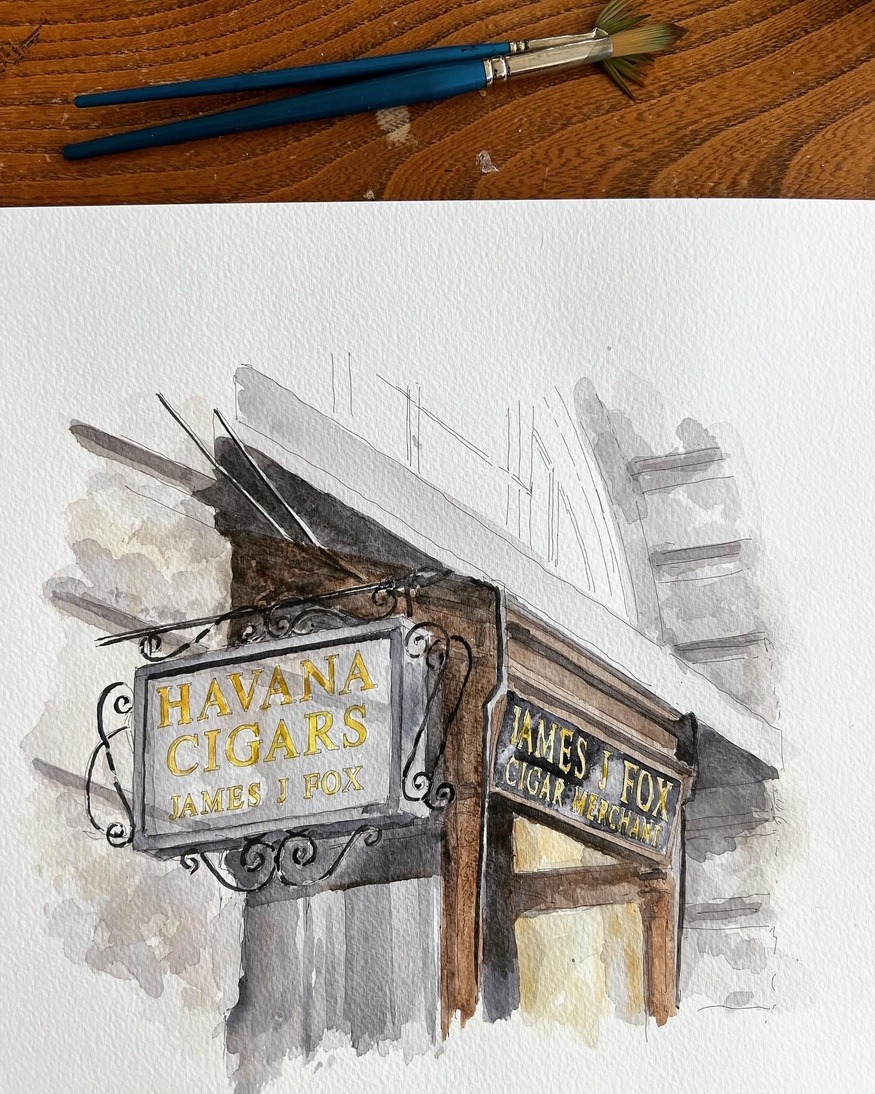
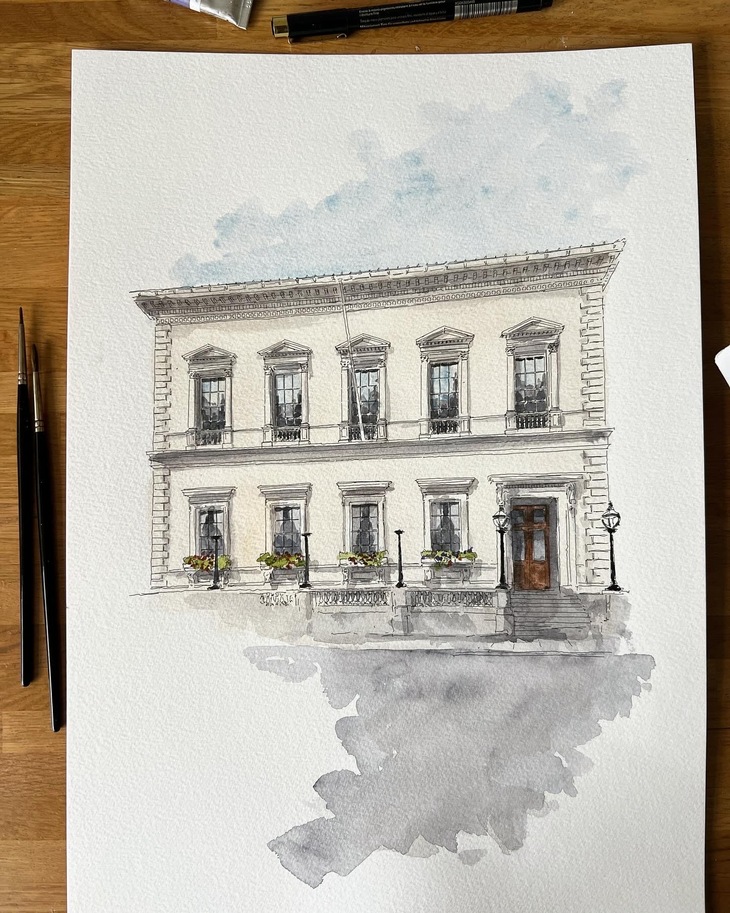
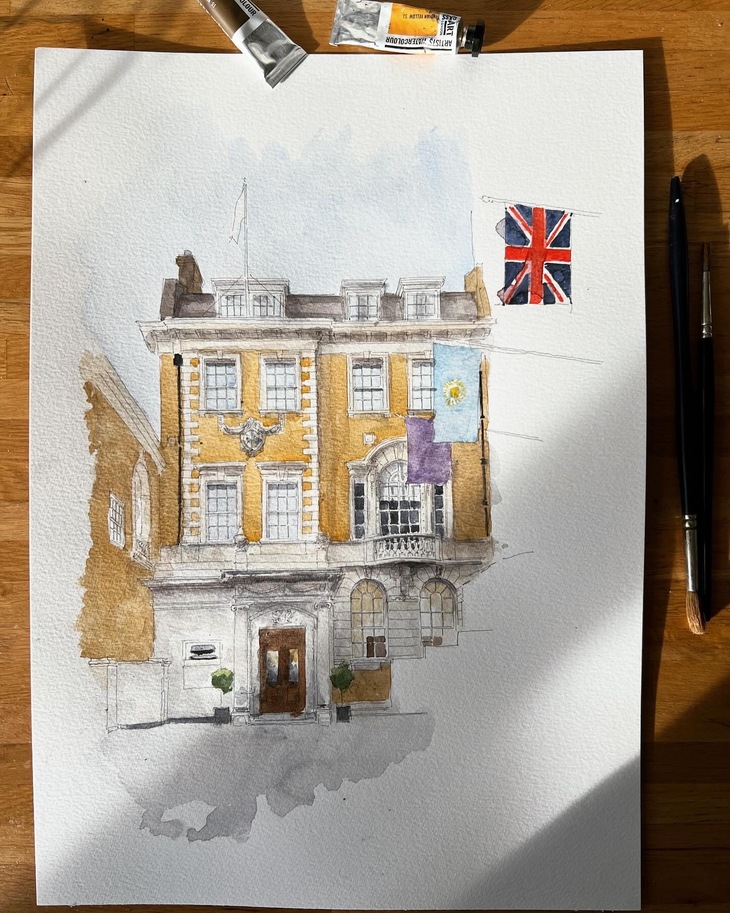
I use a technique called 'line and wash', where the subject is first drawn in pen, and then watercolour is applied. The two elements balance each other out: the precision of the lines provides a strong structure, while the loose watercolour adds fluidity. I never stretch my paper, which is something you're taught to do to prevent buckling. I actually enjoy this effect. The paper warps slightly around the water, almost like a topographical map of the act of painting. Most of my drawings are quite large, typically A3. The size allows for detailed work, and it also gives the pieces greater impact.
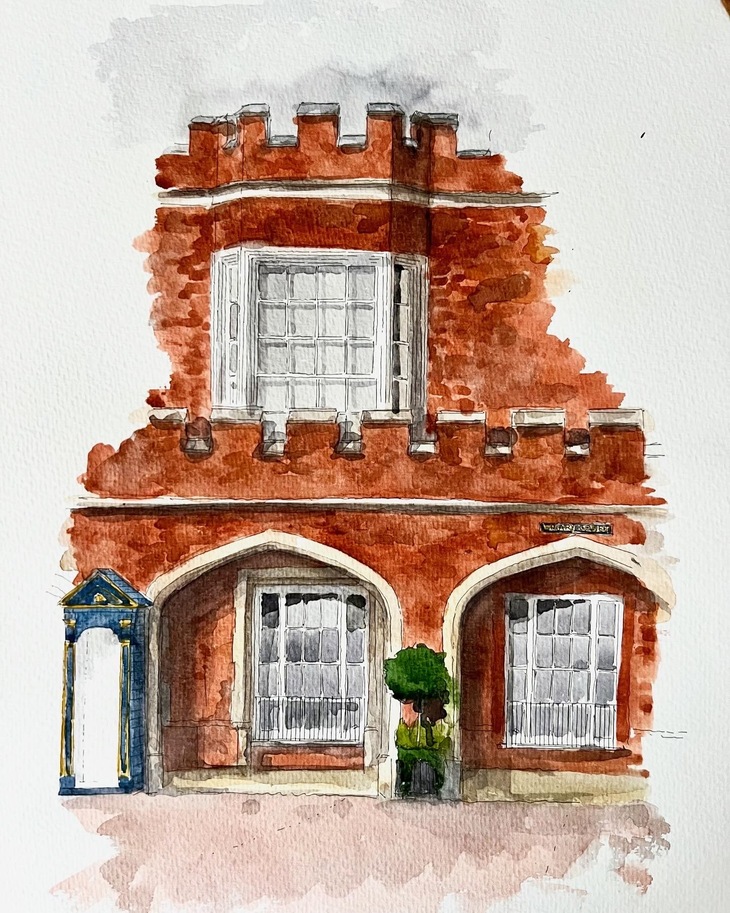
Churchill's family home was at 29 St James's Place, where he was happiest playing with his toy soldiers before being sent off to private school. Oddly, just down the road is the only Nazi Party burial site in the UK — the grave of the German ambassador's dog, Giro. You can also see Churchill's last box of cigars in a small museum downstairs at James J Fox, just around the corner on St James's Street, and his portrait at the Carlton Club across the road. Churchill's portrait was also in the Liberal Club, but it was removed when he defected to the Tories.
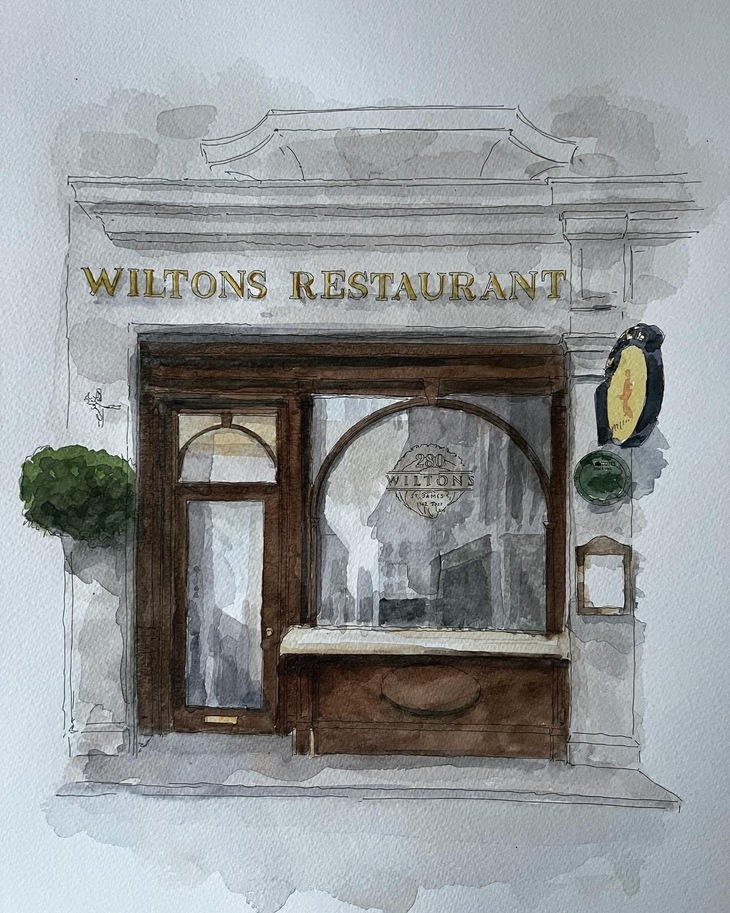
Pickering Place was a favourite spot for duels, presumably because there was no way to run away. It was once part of the Texas Embassy, before the US was fully established (they only paid off their outstanding rent about 30 years ago). Its wall is believed to be part of Henry VIII's palace. Berry Bros., which fronts the square, has a great Regency-period weighing machine, on which leading figures of the time would weigh themselves and record it in a logbook. The Prince Regent is listed, as is Beau Brummell during the years he should have been in exile. The wine shop has over two acres of basement space, which housed both wine and, during his exile, Napoleon III. It's said to have had a secret passage to St James's Palace.
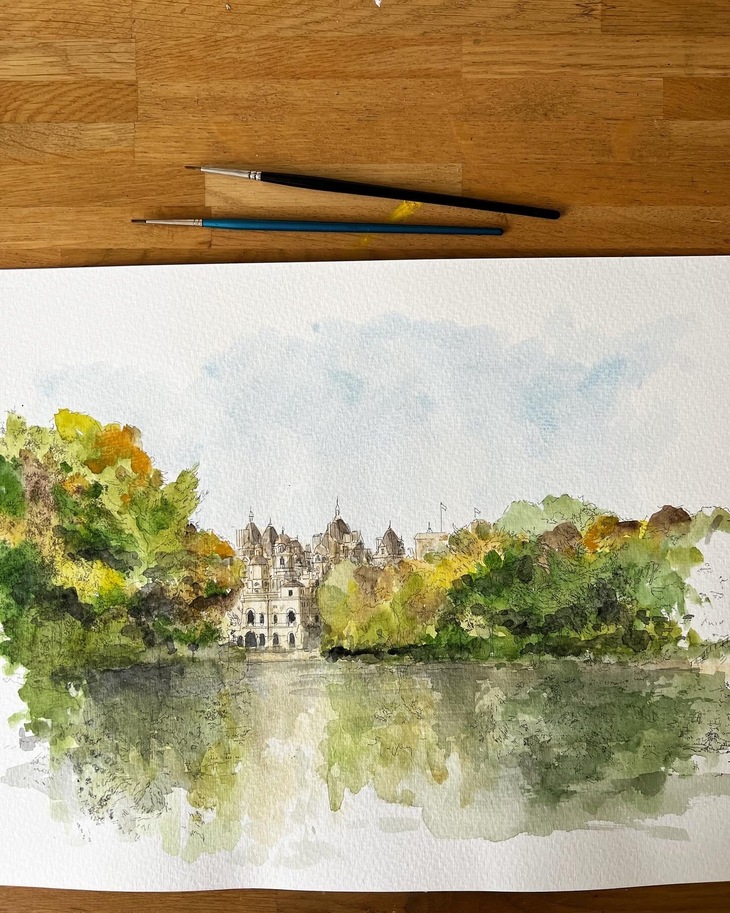
Despite all these magnificent buildings my favourite part of St James's is actually the Park. It reminds me that London is blessed with so many open spaces, each with its own unique character. Perhaps I see it as a break from painting architecture. The park has a relaxed feel, with the lake offering beautiful vistas of Westminster. Ironically, the lake was once filled with buildings, drained during the Second World War to help with the war effort. Today, you would never know. Paintings are best when they relate to places you love, both for the artist and the viewer.
Follow Christian on Instagram as @freehandlines or visit his website to see more of his work.
All images © Christian Coop