Having previously documented London's most arresting Tube stations, photographer Philip Butler has turned his gaze to another form of transport architecture: the garage.
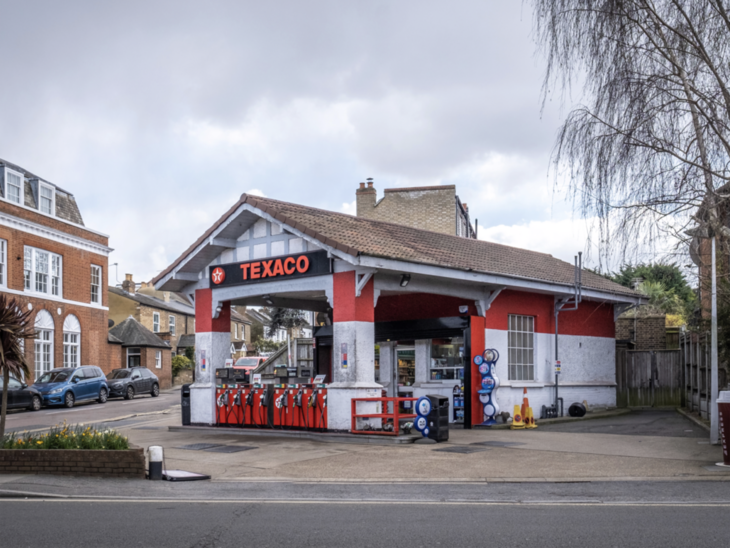
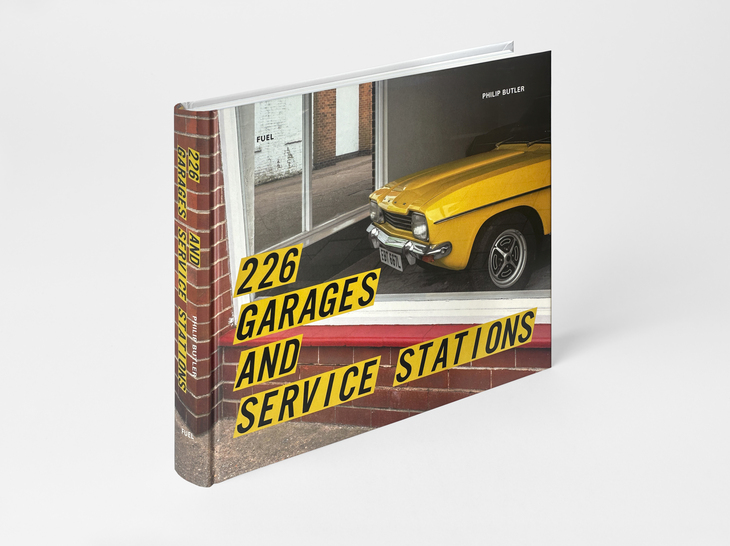
In the spirit of Ed Ruscha's Twentysix Gasoline Stations (1963), Butler has scoured the roadsides of the UK, seeking out the most striking examples of garages, to create 226 Garages and Service Stations.
"The word 'garage'," writes Butler, "was first included in the Oxford English Dictionary (OED) in 1902. The initial entry: 'A building, either private or public, intended for the storage and shelter of motor vehicles while not in use'". By 1906 — by which time over 8,000 private cars were registered on British roads — 'garage' was rejigged to also apply to somewhere that repaired motor vehicles. Not long after, a golden age of garage design emerged.
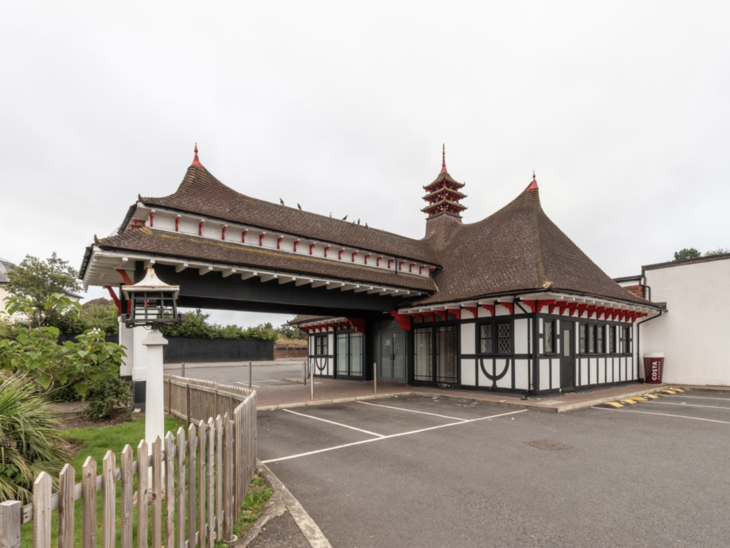
Much is made of the aesthetics of vintages cars; much less about the places where such cars were kept, refuelled and maintained. In 226 Garages and Service Stations, we get to appreciate the gamut of styles that unfolded in the early half of the last century.
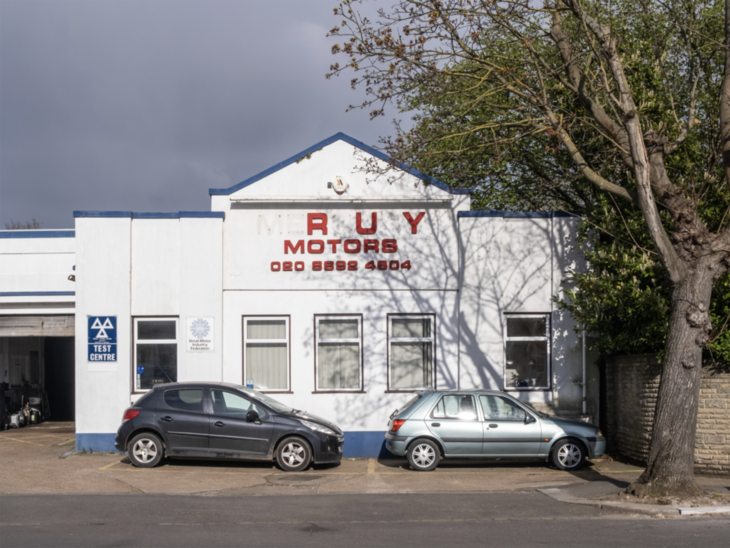
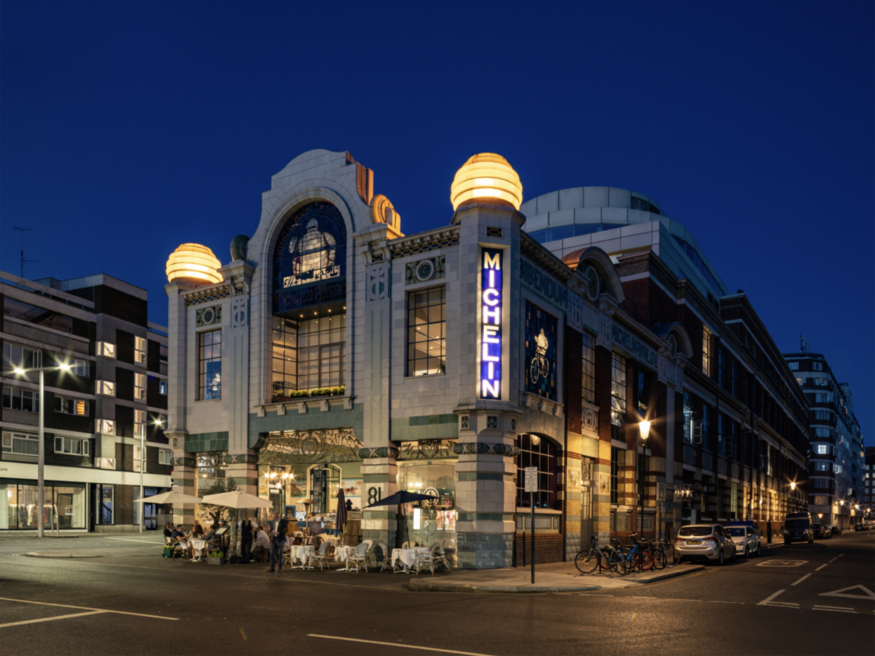
Some of these, like the streamline moderne Daimler Hire Garage in Bloomsbury, were evocative of a wider style taking hold in the country's hotels and stations. Others were a unique artwork unto themselves; take the Park Langley 'Chinese' Garage, designed by Edmund B Clarke — which we've previously fawned over. Or the bombastic Michelin House in Chelsea, refulgent in stained glass Bibendums, and arguably not just one of the world's most brilliant garages, but one of London's most spectacular 20th century buildings.
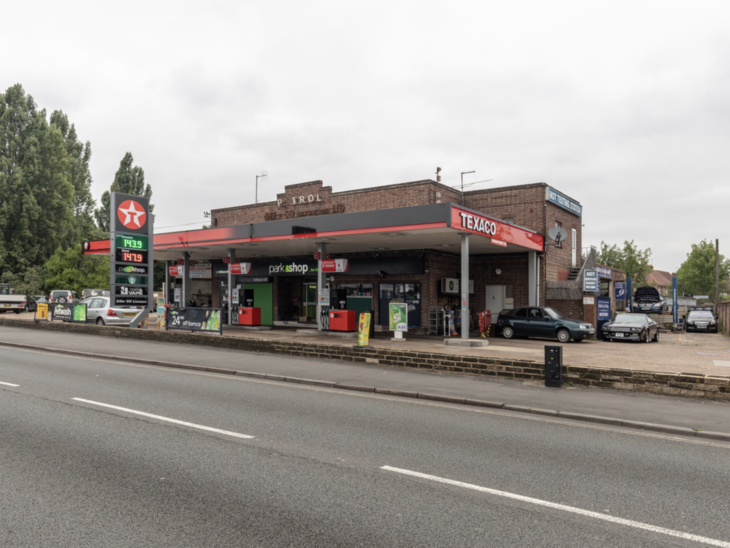
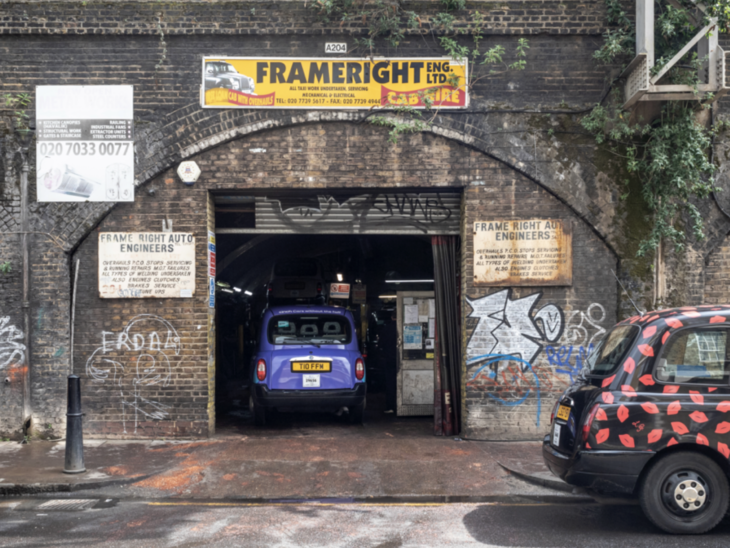
Just as Tube stations are a glorious pick and mix of eras, styles and the idiosyncrasies of the individual designer, so too are London's garages. Yet while Tube stations remain literal beacons — instantly identifiable to millions of Londoners each day — many of the capital's garages now hide in plain sight; whether repurposed into piano showrooms or left to decay, as literal shells of their former selves.
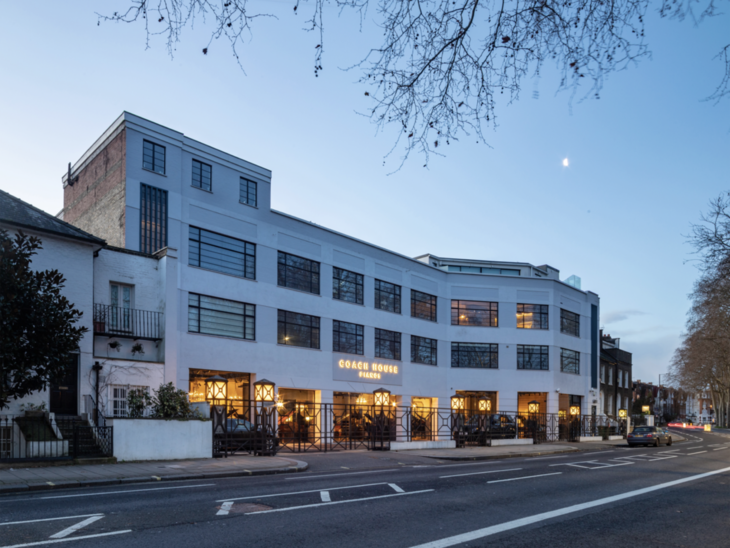
A remarkable number of these garages — some created a century or longer ago — also still operate with their original intended purpose. And if their careworn chassis aren't quite what they once were, these photographs still invite us to pull up, pause and ponder their luxuriant shapes and styles — much as if they were a vintage Porsche or Daimler.
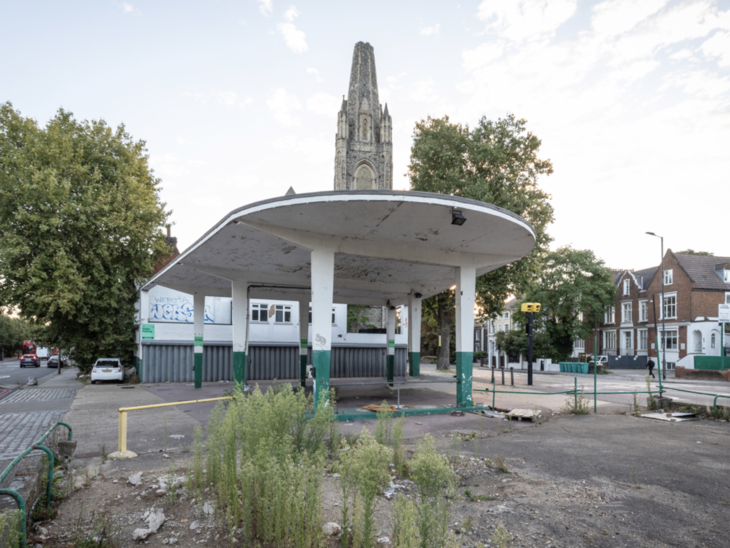
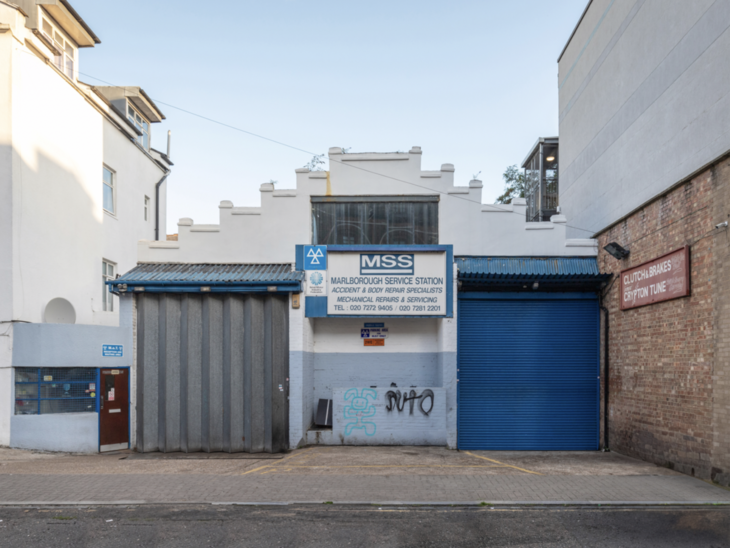
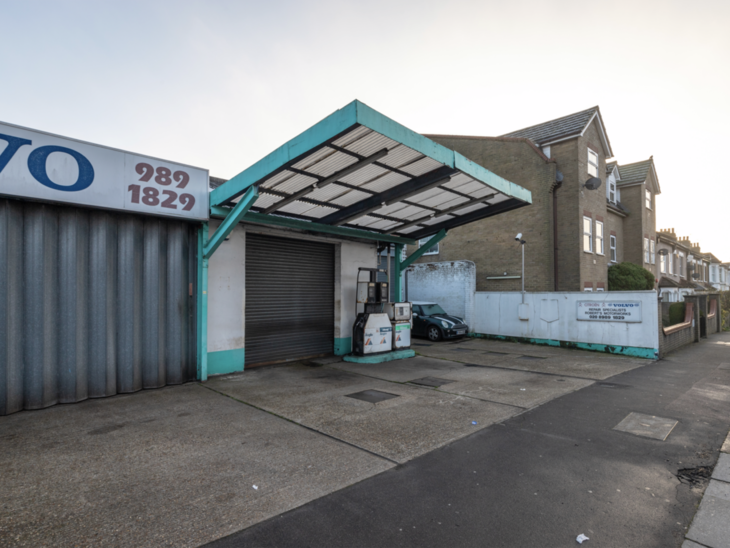
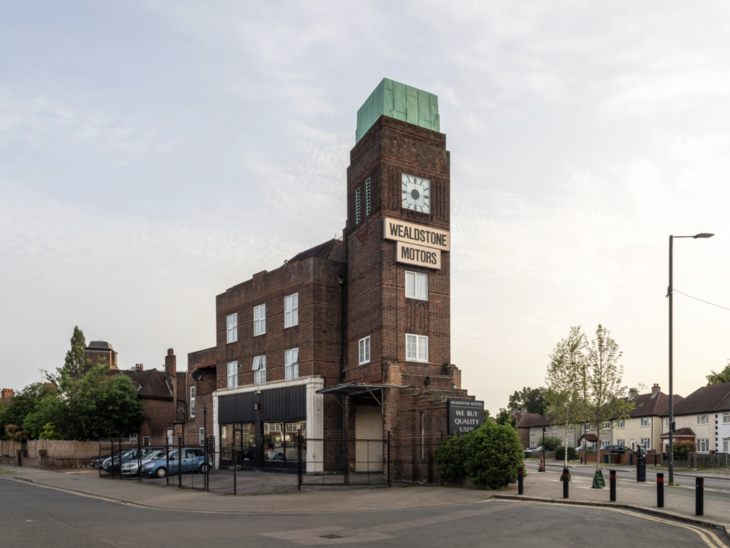
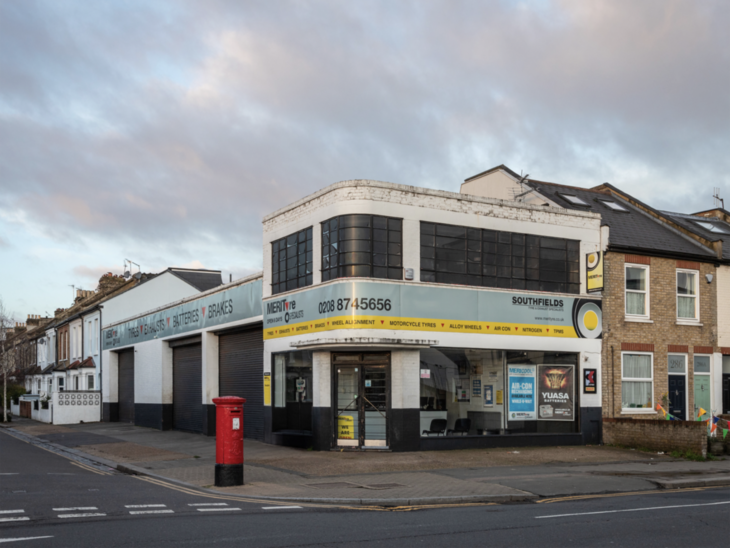
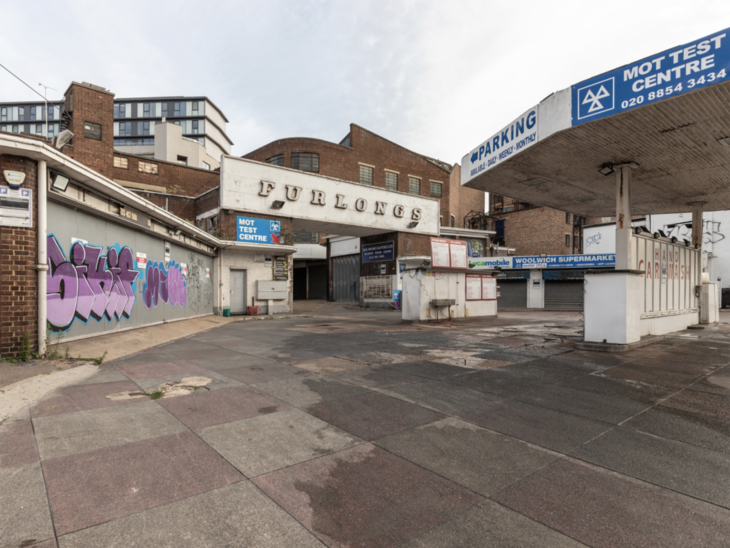
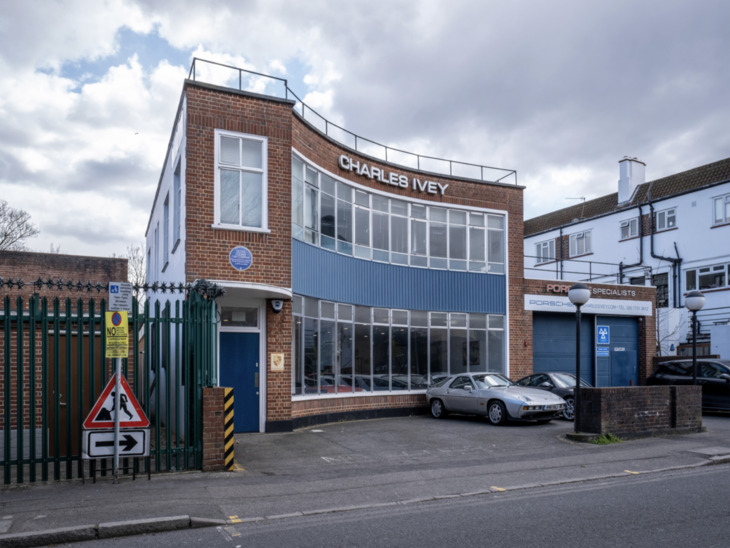
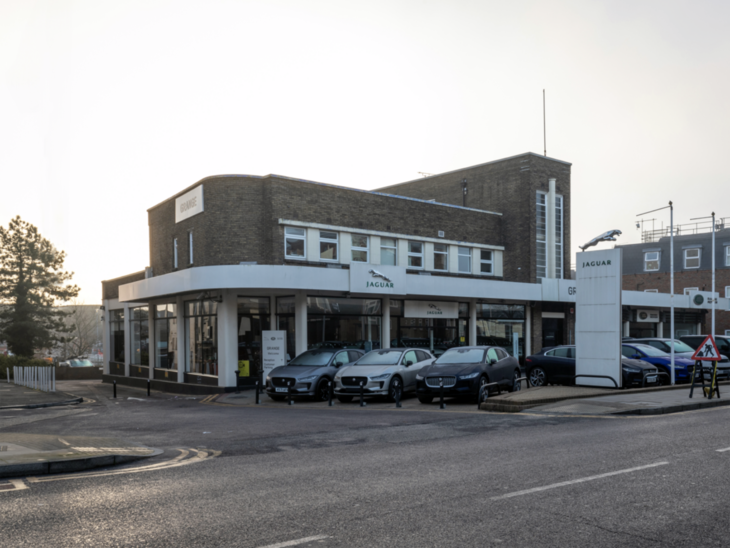
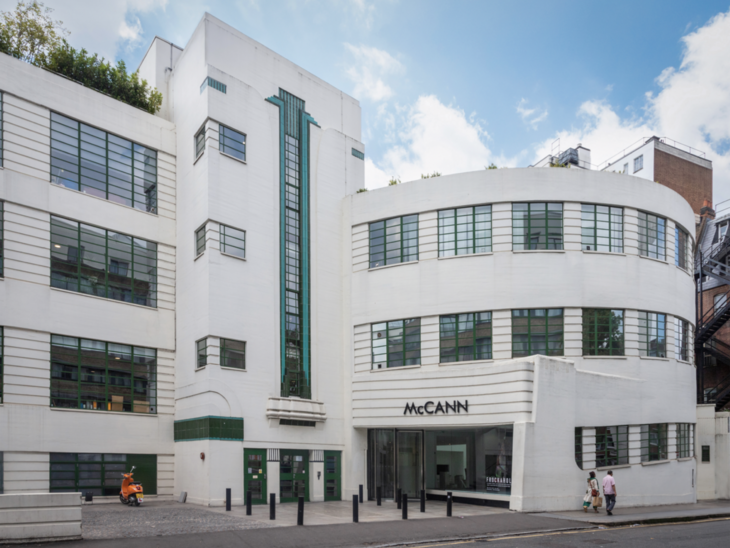
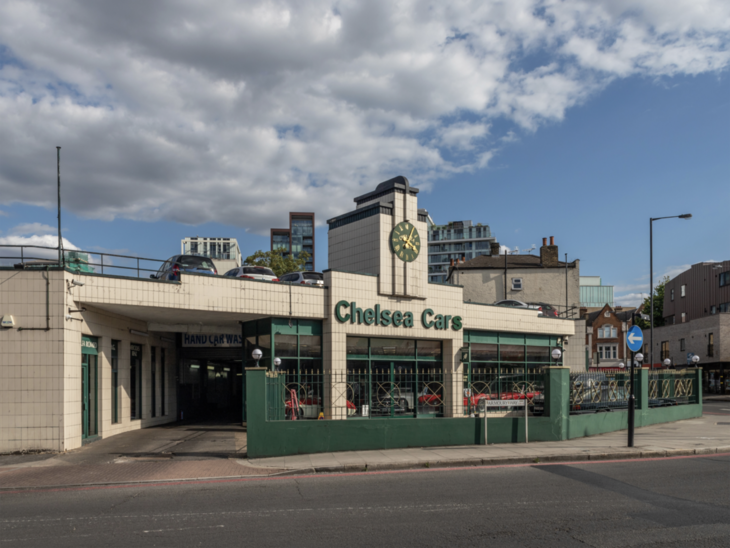
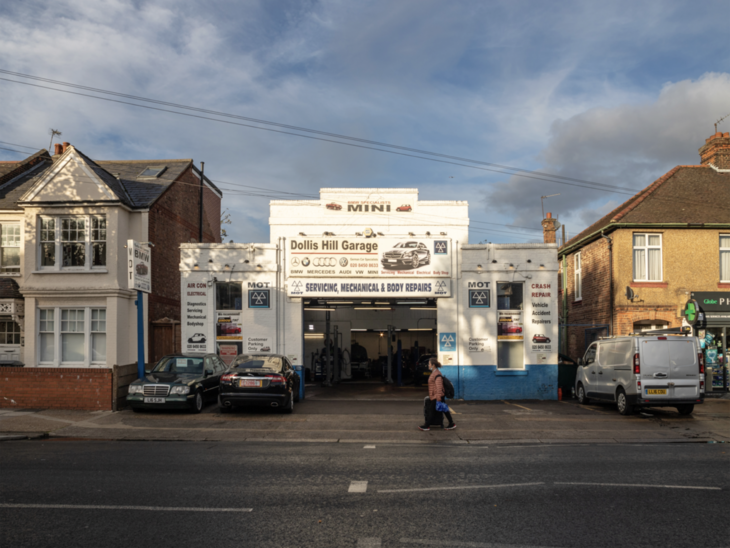
226 Garages and Service Stations, by Philip Butler, published by FUEL
All images © Philip Butler