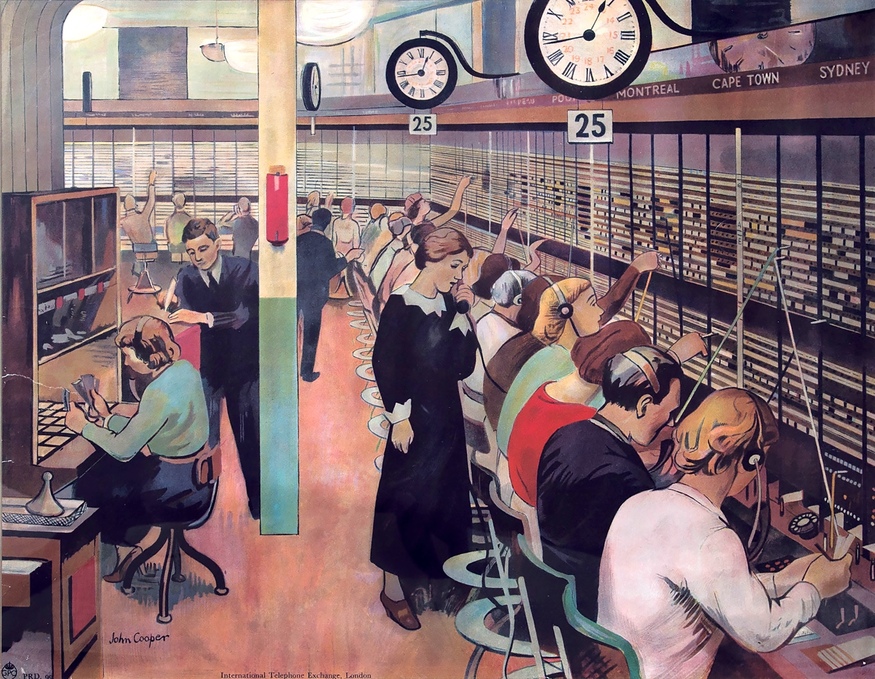
"Grotesquely underrated and elbowed aside in the story of modern art." That's how Andrew Marr describes members of the East London Group — a coterie of painters who existed for a fleeting moment in the 1920s-40s, and yet produced enduring images of an East End that would change forever once bombs had rained down on it.
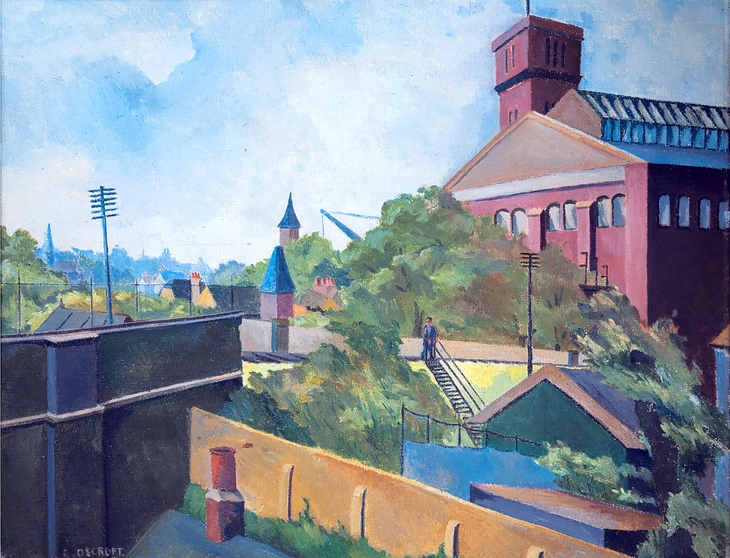
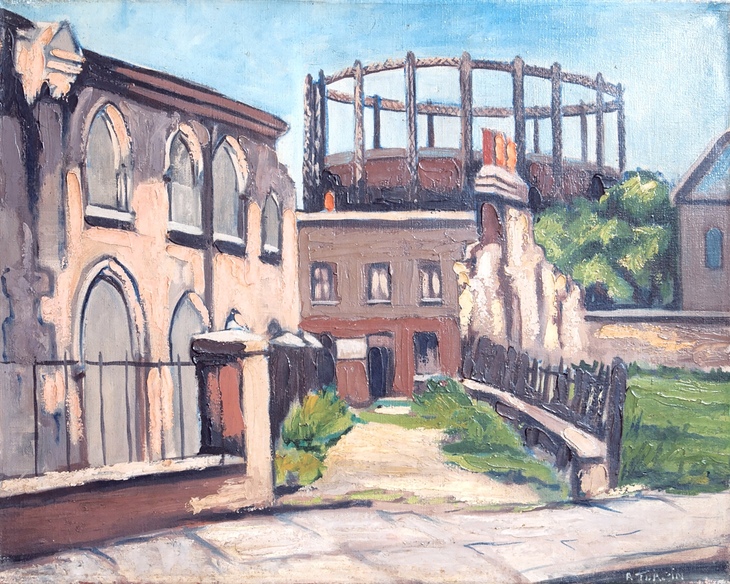
While painters who were part of the contemporaneous Bloomsbury Group like Vanessa Bell and Roger Fry were dedicated artists born into a certain amount of financial stability, the East London Group — who worked and presented together between 1928 and 1936, before losing their leading light John Albert Cooper in 1943 — consisted of members who hailed from ordinary professions and beginnings; Albert Turpin was a window cleaner. Henry Silk was basketmaker. Lillian Leahy was a window-dresser. (Although for balance, Phyllis Bray was the rebellious daughter of an aide to Czar Nicholas II's mother.)
Marr writes in the introduction to a limited edition reissue of Artists of the East London Group: From Bow to Biennale, how the Group's work was often derided by sourpuss critics at the time as a 'dustbin on canvas' or 'pictures for narrow purses', but that didn't stop them from selling like hot cakes. "During the 15 years or so of its existence," writes David Buckman, "[the East London Group] received enormous coverage in specialist art periodicals and in the London, provincial and international press."
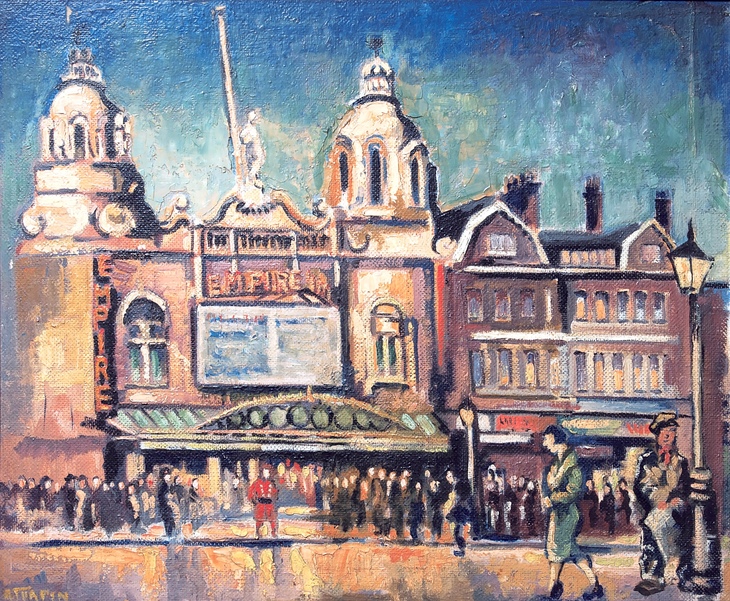
The Group enjoyed early success with shows at Whitechapel Art Gallery, followed by the National Gallery, Millbank (now Tate Britain). Many collectors were non-working class too; interesting given these paintings often reflected working class London: its pubs, factories — and a multitude of flat caps. "The Group's numerous collectors," says Buckman, "included the writer James Agate; composer, writer and painter Lord Berners; the artists Sir Gerald Kelly, Henry Lamb, Rosemary Peto and Gerald and Nora Summers; actor Charles Laughton and leading figures in public life and members of society such as Lady Emerald Cunard, Viscount D'Abernon, Sir Edward Marsh, Lord Radnor, the Duke of Rutland and Sir Michael Sadler."
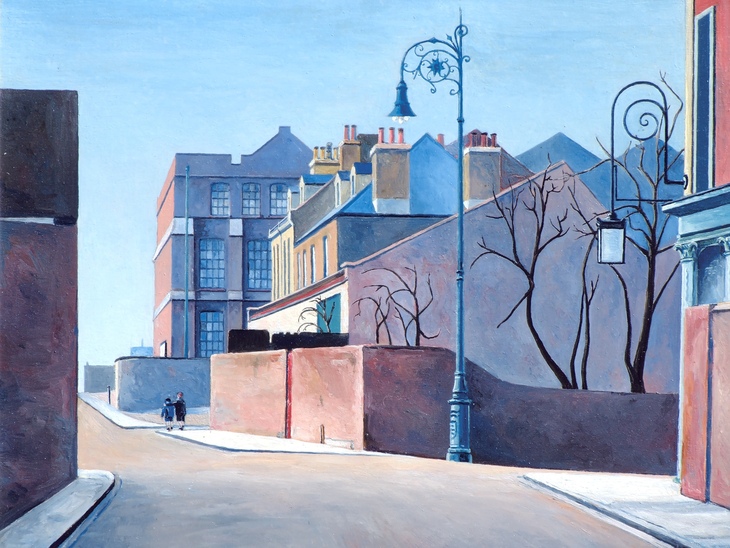
Although certain artists from the group, such as Cooper, perished during the war, others continued for many years to come — including Phyllis Bray, who was married to Cooper, and first made Buckman aware of the Group. This in turn led Buckman to produce the first iteration of this book back in 2012, which did wonders in reigniting interest in the group, and spurring a series of new exhibitions.
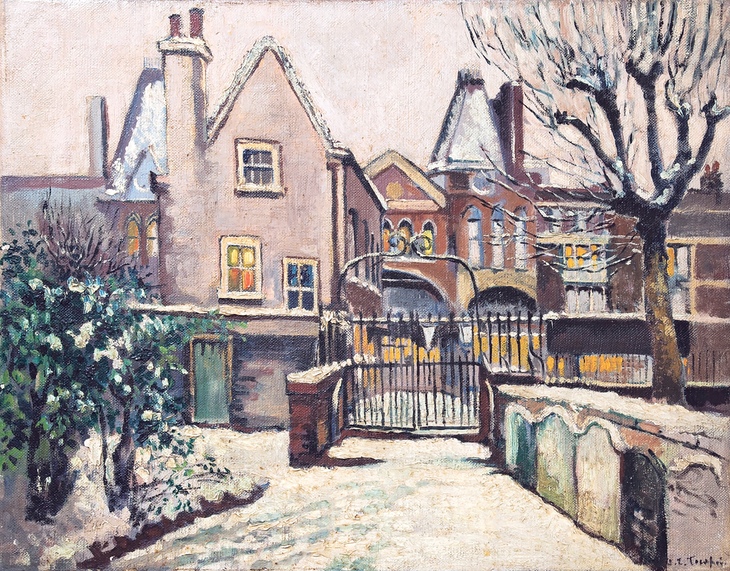
There's so much to love in these artworks: the stillness of empty Bow backstreets is as palpable as the buzz of a chaotic telephone exchange. The fact that, despite those wartime bombs, some of the settings (like that of the Salmon & Ball pub and Hackney Empire featured in this article) are still familiar to Londoners now. Some of these works could have been painted yesterday.
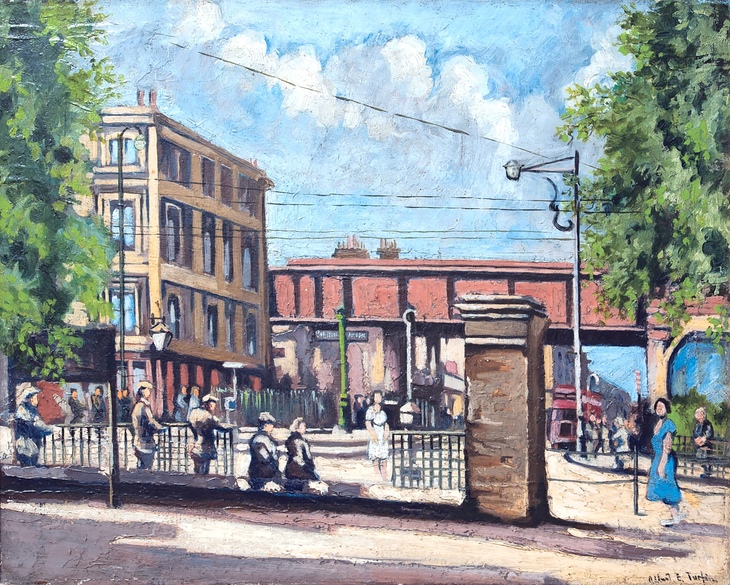
Though London's unfussy E3 postcode was the central stomping ground of these artists, they played, says Buckman, a vital part in the development of early 20th century art across Britain, and even further afield.
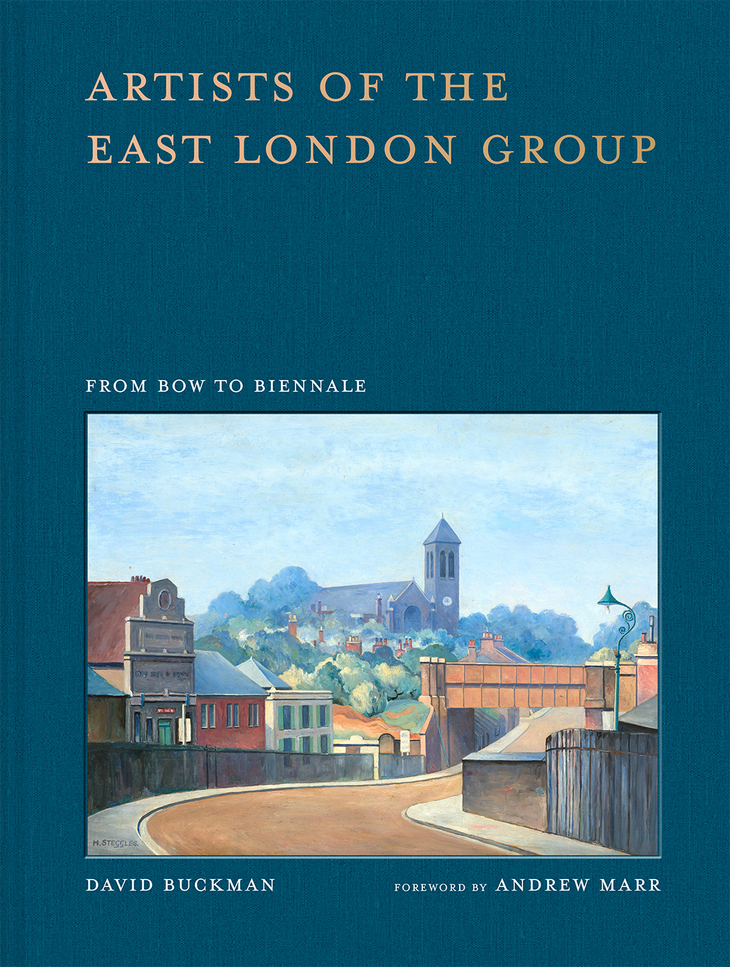
An exclusive, limited edition reissue of Artists of the East London Group: From Bow to Biennale by David Buckman is published by Batsford on 14 May 2026.