LondonistIn Pictures: London's Lesser-Known Art Deco Gems
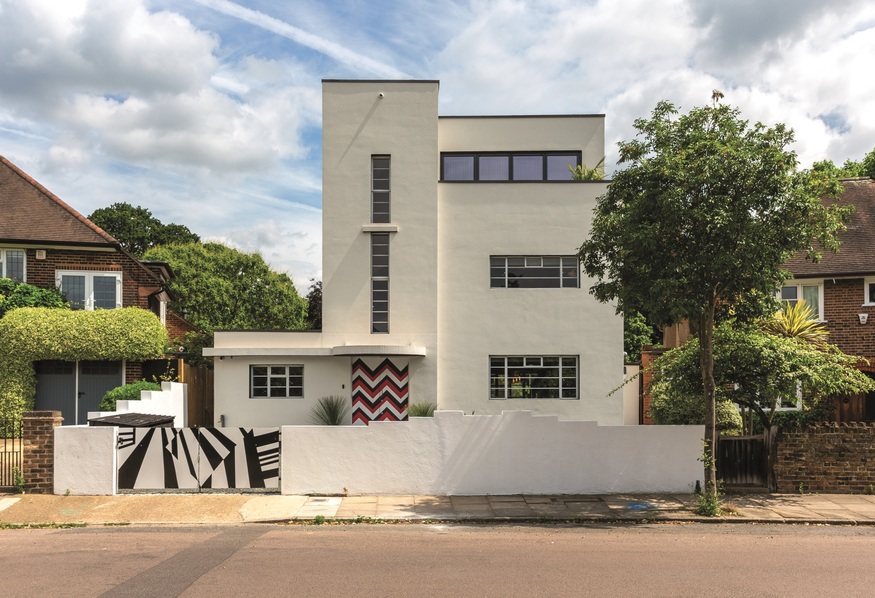
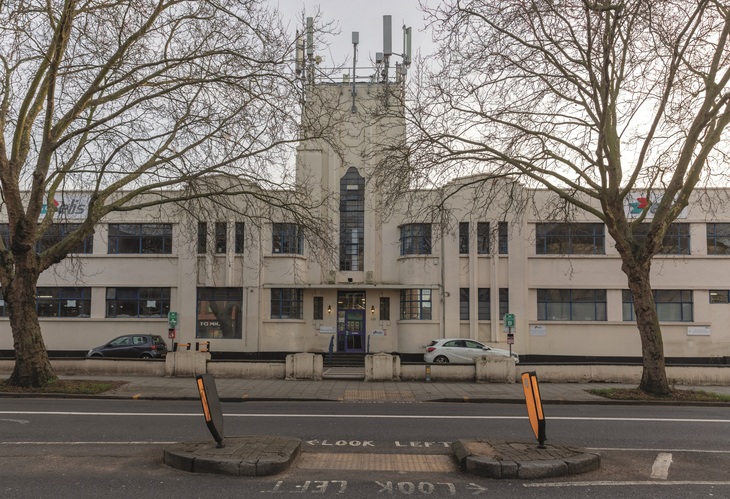
46 Ailsa Road, Twickenham. Designed by Couch & Coupland in 1935, this cubist-influenced art deco house exemplifies the seamless integration of modern extensions with original architectural concepts. Originally a two-storey structure, it demonstrates how contemporary additions can harmonise with the initial design vision.
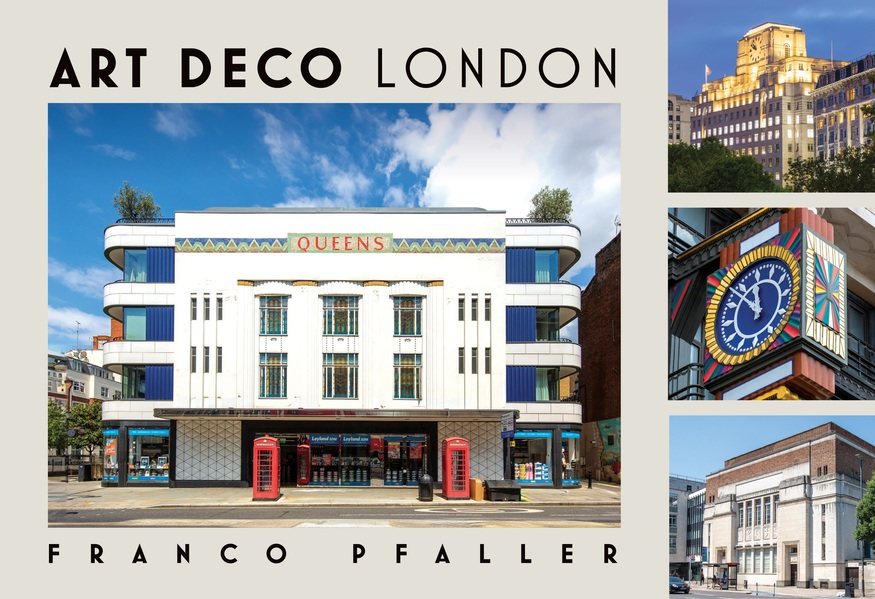
In his new Art Deco London, Swiss photographer Franco Pfaller captures many of London's best-loved art deco confections: Battersea Power Station, Walthamstow Stadium, the Savoy.
But a number of lesser-known buildings get a look-in too: garages, laundries and fire stations. Here, we salute such underdogs, which are nonetheless deco gems.
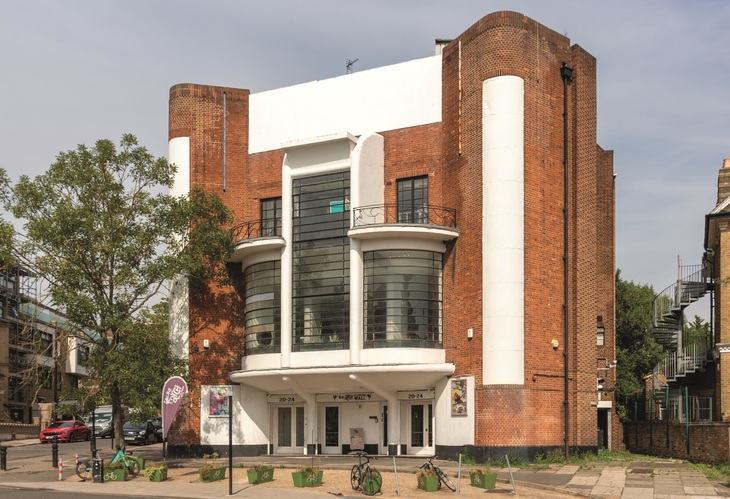
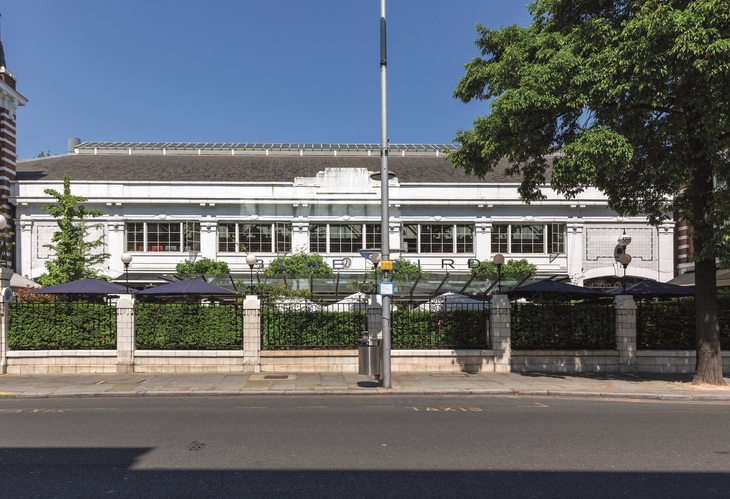
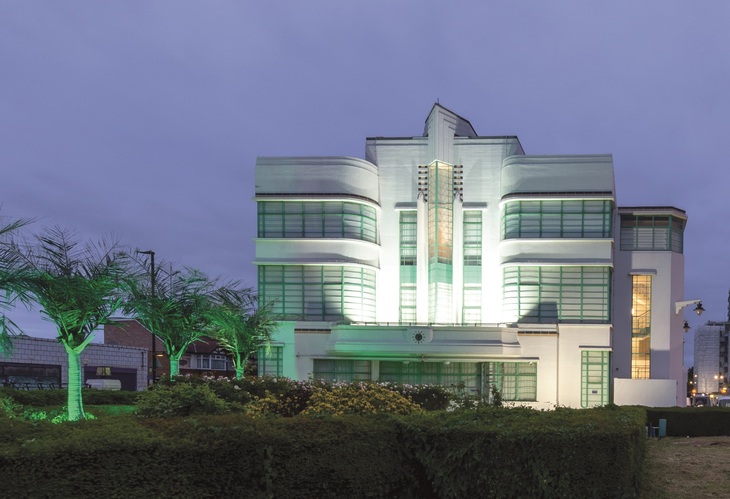
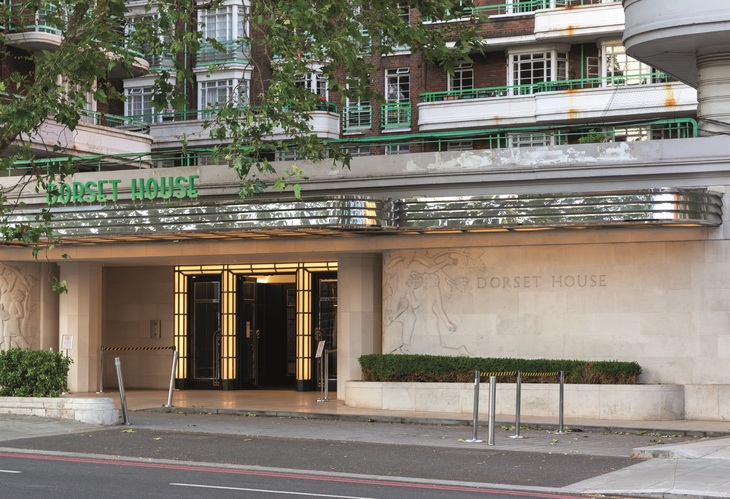
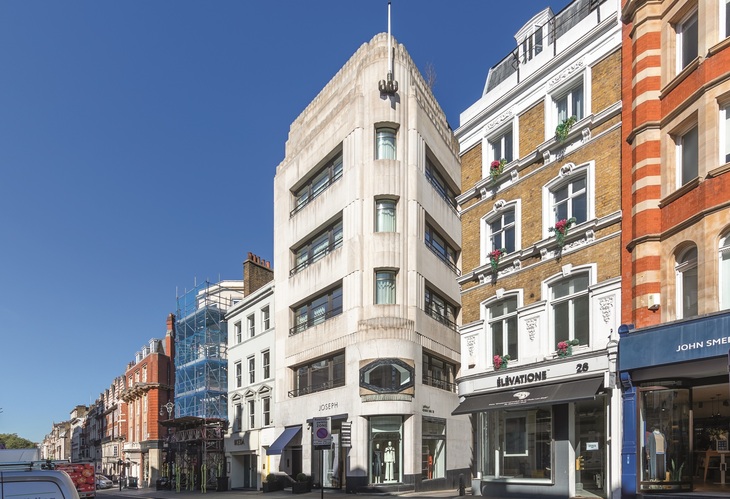
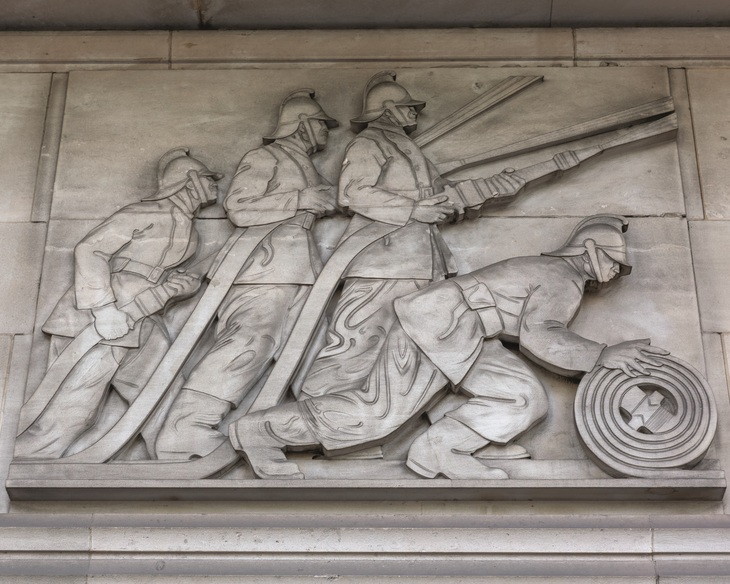
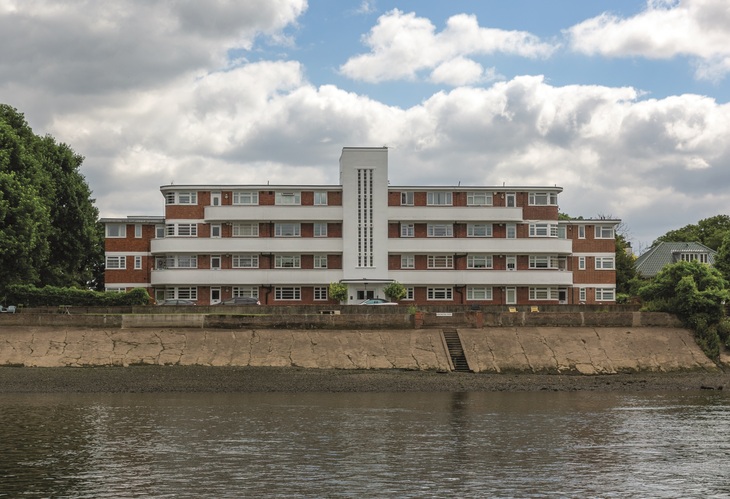
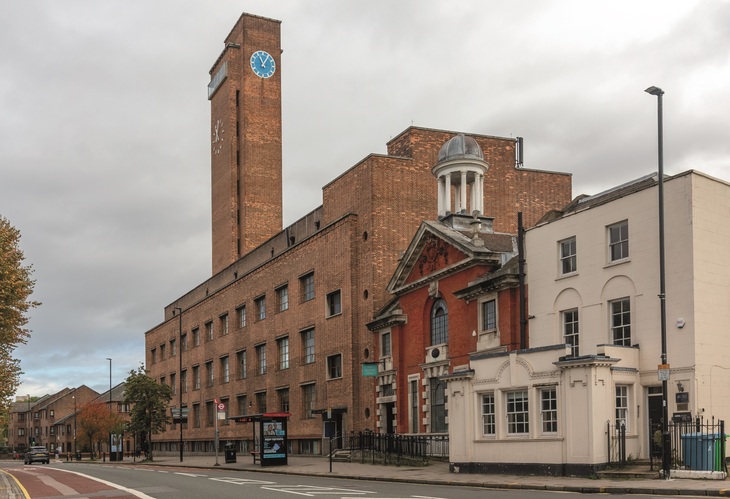
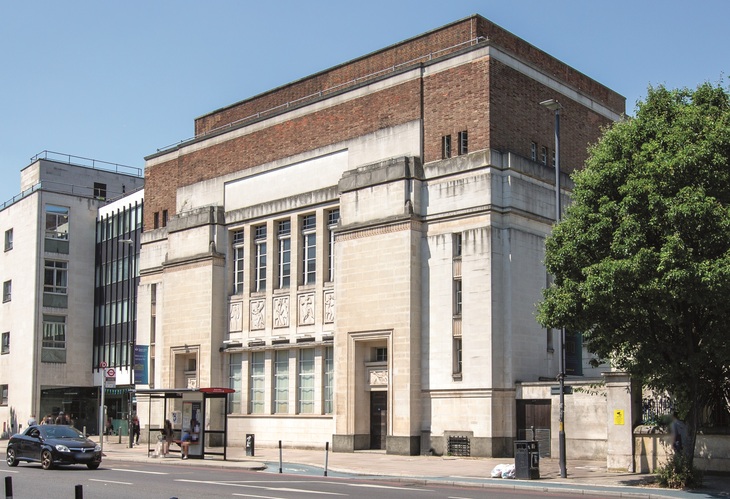
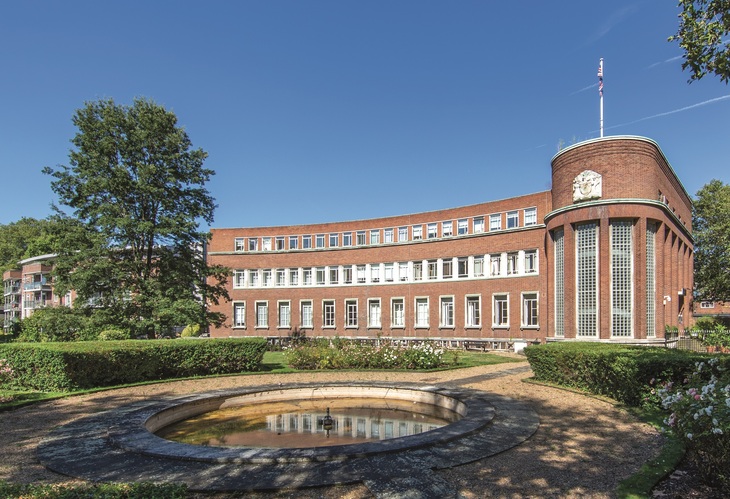
Arch Acton. Built by Frank Ernest Bromige in 1937 as the Dominion Cinema, the building was converted into a bingo hall in 1972. When the bingo hall closed, inevitably a church took over for a while (I had no idea how many of those existed before working on this book). When I took the photo, the building hosted a climbing centre (much more to my taste), but sadly that has since closed down too.Bluebird Chelsea. Designed by architect Robert Sharp in 1924, this building initially served as a garage for the esteemed Bluebird Motor Company in Chelsea, boasting the claim of being the largest of its kind in Europe at the time. Fast forward to 1997, when the Conran Group undertook a transformation, converting the Grade II listed edifice into the vibrant Bluebird Chelsea. Today, under the ownership of D&D London since 2006, it continues to thrive as a multifaceted establishment, featuring a restaurant, food stores, and private dining rooms.The Canteen Block, Perivale. Added to the Hoover Factory in 1938, like the Hoover Building itself it was designed by Wallis, Gilbert and Partners and is Grade II* listed. While it mirrors the main building’s white and green colour palette, its architectural style diverges notably. Presently, continuing its culinary legacy, it thrives as a spacious Pakistani restaurant.Dorset House, Marylebone. This Grade II listed building opened its doors to 185 flats in 1935. Designed by T. P. Bennett and Son with consulting architect Joseph Emberton and featuring reliefs by Eric Gill, it stands as one of the most impressive modern-style residential complexes in central London. Greybrook House, Mayfair. A Grade II listed building, recognised for being a 'well-detailed, pleasing, and externally little-altered essay in art deco in a prominent location'. Designed by John Burnet and Partners in 1929 for the piano manufacturer Bechstein, it now houses a designer store and apartments.Lambeth Fire Station, Albert Embankment. The Lambeth Fire Station, formerly the headquarters of the London Fire Brigade, holds a significant historical legacy. This Grade II listed building, inaugurated in 1937 by King George VI, served as the focal point for London's firefighting efforts during the Second World War. Designed by E. P. Wheeler FRIBA, with assistance from G. Weald FRIBA, its striking art deco features include reliefs attributed to Gilbert Bayes, S. N. Babb, and F. P. Morton.Hartington Court, Chiswick. Built by John E. Adams in 1938, this is a locally listed streamlined apartment block. Heavily damaged during the Second World War, 22 flats demolished by enemy action were reinstated in 1946 in the original style. In 2007, a proposal for a roof extension to add 14 residential units was refused.Meridian House, Greenwich. Clifford Culpin envisioned the building as Greenwich Town Hall in 1939. Following the relocation of the local government, it was renamed Meridian House, acknowledging Greenwich's significant association with the Prime Meridian. Presently, the building is under the ownership of Riverlow, a real estate investment and development company. Their vision is to transform it into a multifunctional space, including flats, offices and commercial areas. However, due to its Grade II listed status and the current shortfall in affordable housing, navigating the necessary approvals presents a few challenges.People's Palace, Mile End. The 'new' People's Palace opened in 1937, replacing the Queen's Hall, which was destroyed by fire. The Queen's Hall, originally the concert hall for the first People's Palace, remains in situ and is now called the Queen's Building. Both buildings are currently part of Queen Mary University. The exterior of the new People’s Palace was designed by Campbell Jones and Smithers, with reliefs by Eric Gill, while the interior was designed by George Coles. It is a Grade II listed building.Sunlight Laundry, Clapham. Constructed in 1937 as the Sunlight Laundry, under the creative vision of F. E. Simpkins, this building continues to house laundry facilities to this day. Unlike the Curry Factory, also crafted by the same architect, this property does not hold listed status.The Lab Building, Islington. Now a residential complex, this was formerly known as the Metropolitan Water Board Laboratory. Serving as the laboratory, research, and office building for the Metropolitan Water Board (later Thames Water), it was designed by Stanley Hall and Easton and Robertson and built in 1937.
Art Deco London by Franco Pfaller, published by Amberley Publishing
We featured this book because we know it's the kind of thing our readers will enjoy. By buying it via links in this article, Londonist may earn a commission from Bookshop.org — which also helps support independent bookshops.