Aileen Reid, a senior research fellow on The Survey of London at the Bartlett School of Architecture, UCL, delves into the story of London's White House — built for a great artist, but later demolished.
Lovers of architecture will have been following with horror, I imagine, the destruction in Washington of the White House's East Wing to make way for a bloated ballroom set to cost the US taxpayer more than half a billion dollars. But London cannot be too smug.
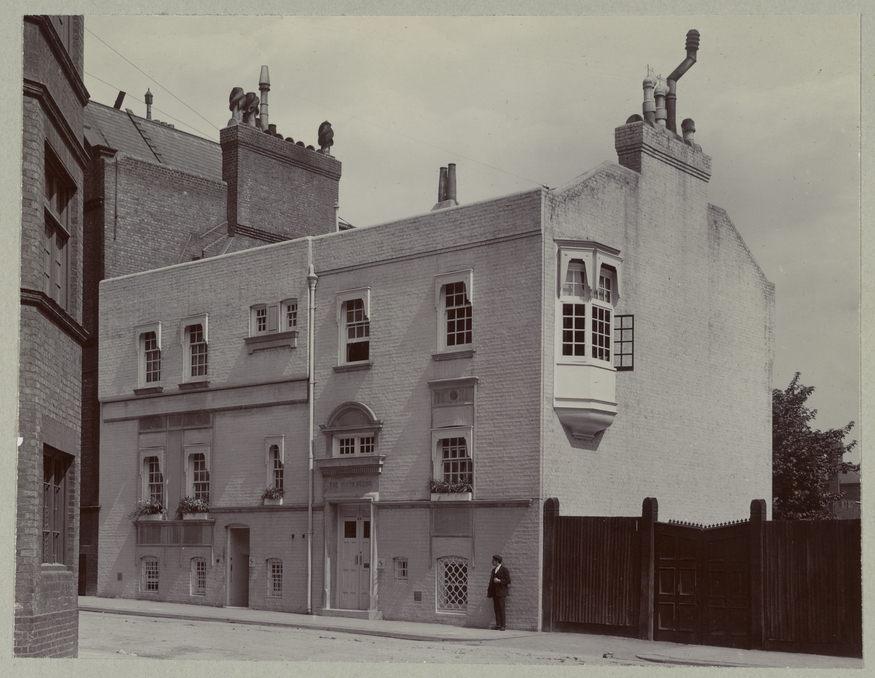
Within living memory another White House, the home and studio in Chelsea of the painter James McNeill Whistler, was allowed to succumb to the wrecking ball. Whistler was also American, a bohemian aesthete who divided his time between London and Paris from the 1860s till his death in 1903. Most famously he painted his mother, an austere profile study in grey and black seen recently in the blockbuster show at Tate Britain.
A sprinkle of artistic stardust
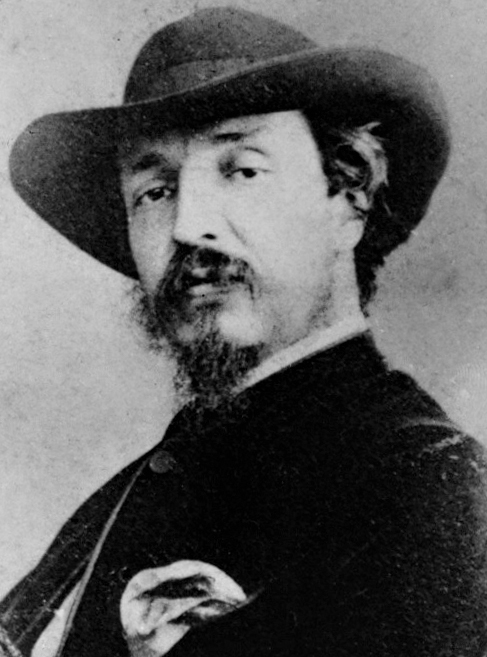
Many of his portraits and paintings of the Thames around Chelsea can be read as studies in pure colour, their titles — Symphony, Harmony — suggesting they are painterly equivalents of music, not just depictions of people and places. In the mid 1870s Whistler's star was in the ascendant, he had just had his first one-man show and for once he had achieved some financial security. So much so he decided to build himself a home and studio in Tite Street, running off the new Chelsea Embankment. That triumph of Victorian engineering allowed what had been a rackety realm of wharves, watermen and the less respectable artists to blossom into the fashionable enclave it has been ever since.
The house he had in mind was to be a home for himself and his lover Maud Franklin, with a private studio and a large atelier where he could have students. He didn't have far to look for an architect, choosing his friend and fellow aesthete, Edward William Godwin for the task. Godwin was a superlative architectural designer, sought out by other architects to add a sprinkle of artistic stardust to their buildings, and an endless stream of designs for furniture, wallpapers, textiles and theatrical costumes flowed from his pen.
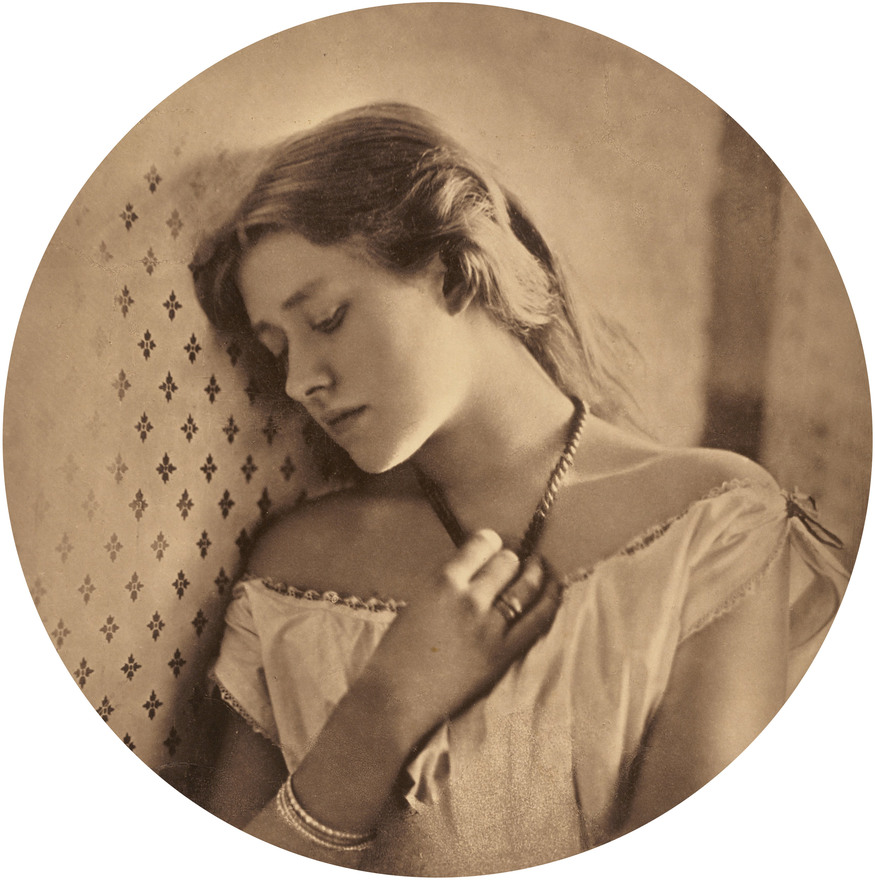
Godwin was also notorious for having run off with the married actress Ellen Terry 10 years earlier, and with her he had two children, one of whom was the theatre designer Gordon Craig. Whistler and Godwin, who had first met in the 1860s, shared a passion for the arts of Japan and one of Whistler's gifts to Ellen Terry were kimonos for her and her little girl, Edy.
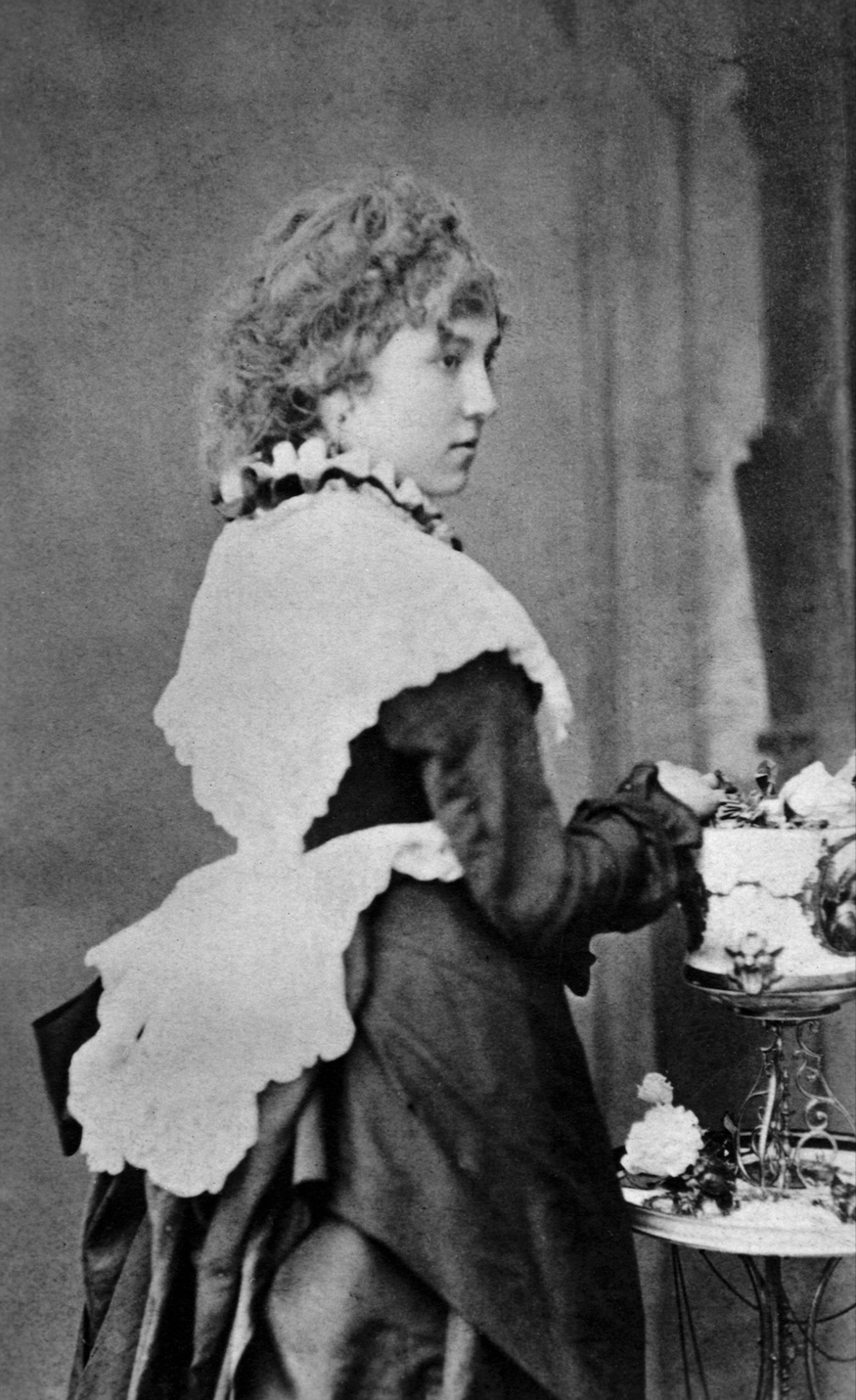
By the time Godwin was building a house for Whistler they had separated, and Godwin was married to 18-year-old Beatrice Philip, an artist with 'a delightful devil-may-care look in her eyes'.
"Whistler's response must have been along the lines of 'I think you may have misunderstood my budget'"
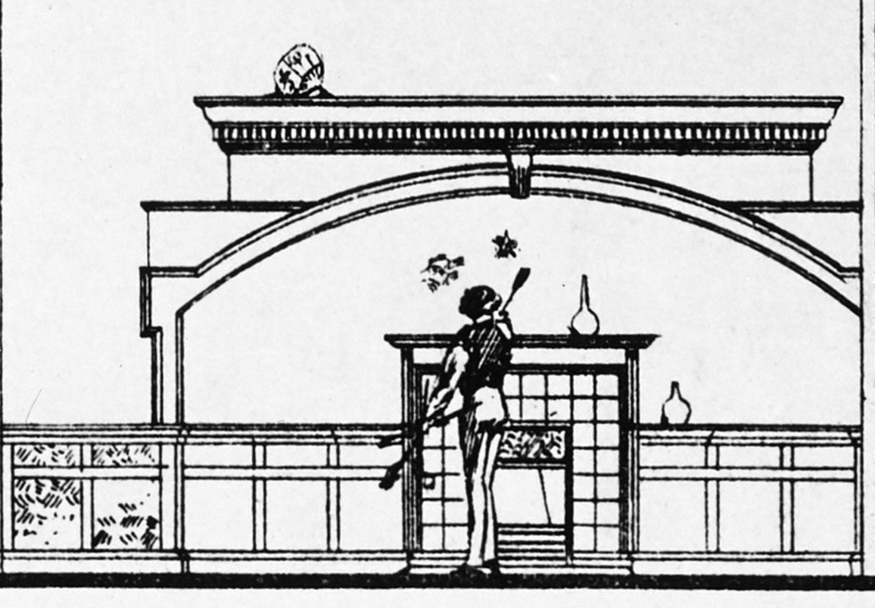
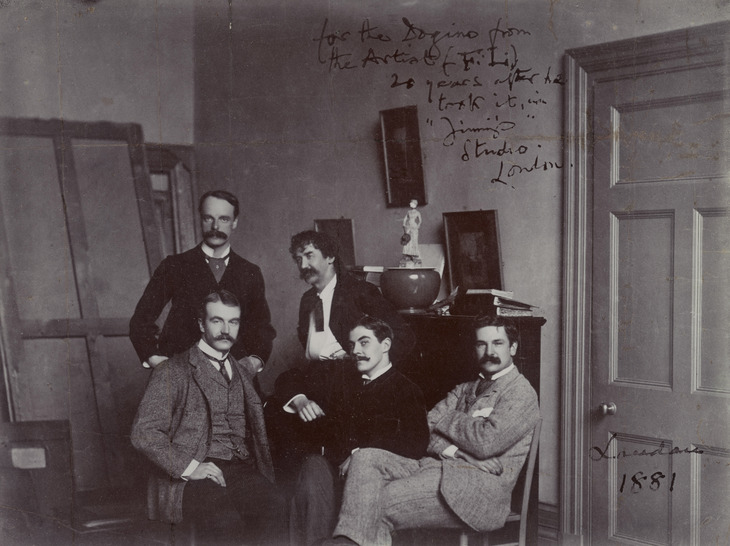
Godwin went round to see Whistler and Maud on the evening of 14 August 1877 and drew 'Jimmy' at work, an activity he described on another occasion as 'an almost awful display of nervous power & concentration'. He took Whistler to see two neighbouring artists' houses in Kensington before he set about his design. One was huge, the studio of the painter and illustrator Luke Fildes. The other was the Tower House, the medieval fantasy home of Godwin's closest friend in the 1860s, William Burges, the greatest of the High Victorians. This rich jewel box of a house, finished in precious materials, now belongs to Led Zeppelin's Jimmy Page, who has been its exemplary custodian for more than 50 years.
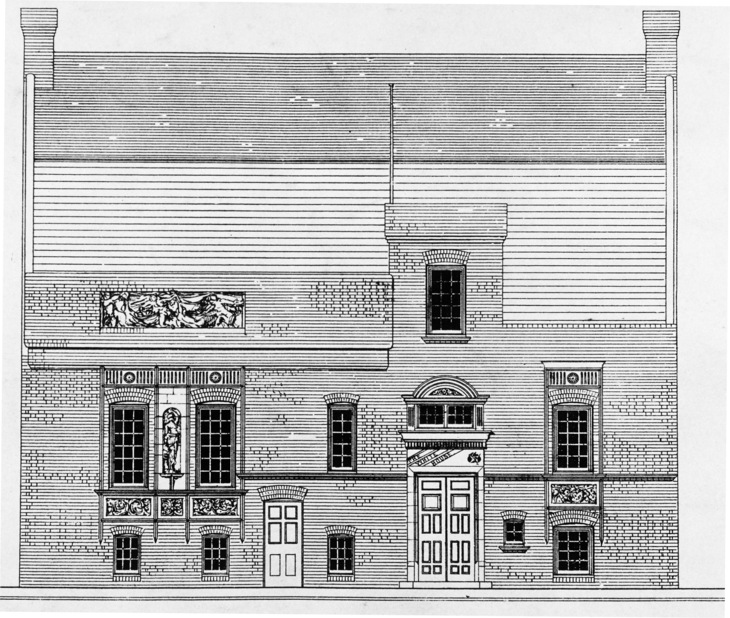
Whistler's response must have been along the lines of 'I think you may have misunderstood my budget', because the house Godwin designed was much more modest. But it was striking in its pared-back simplicity, a ground-floor studio and top-floor atelier tucked in behind the simplest frontage like nothing that had been built before. Whistler himself was responsible, Godwin reported, for the 'constructive colours', the white brick and sweeping green-slate roof — a symphony in green and white. But the Metropolitan Board of Works, which had the final say on the design, wasn’t having it: 'It looks like a dead-house'. Godwin was obliged to add some fancy carved decoration and raise the parapet to protect the modesty of the roof. It was still a remarkable house.
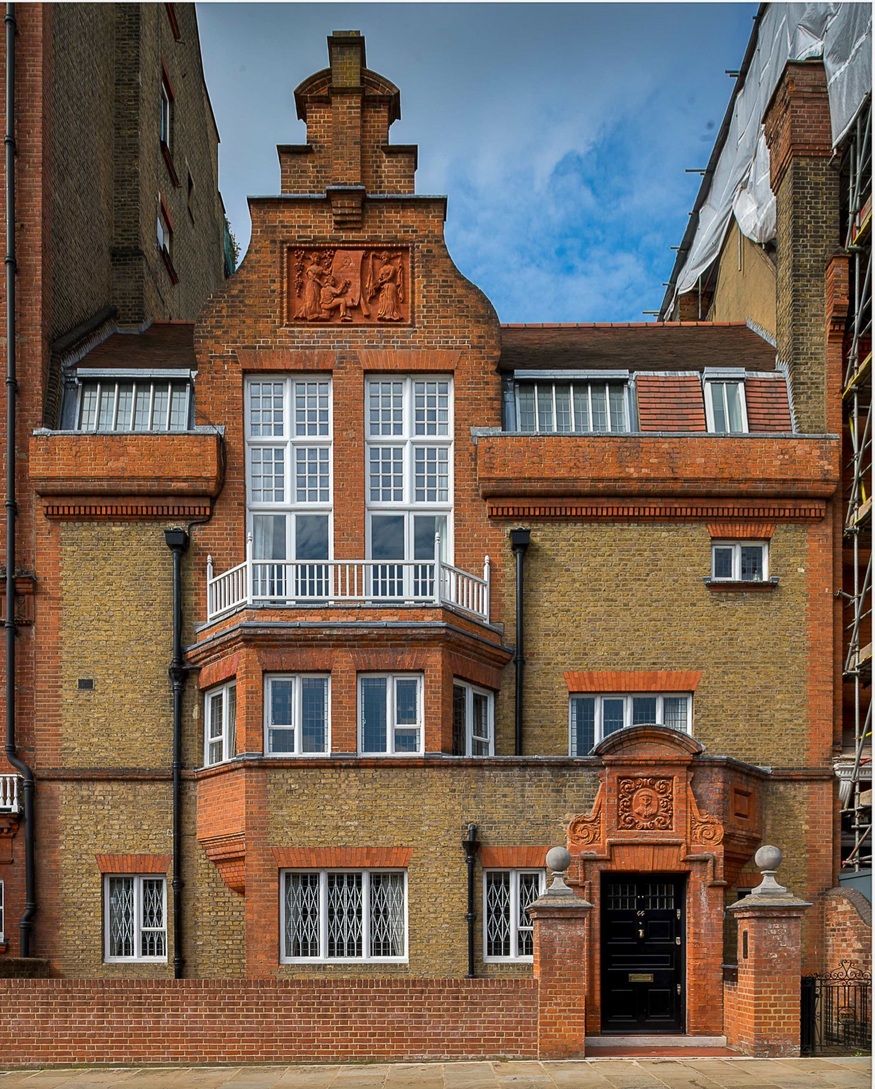
Godwin had similar ill luck soon after with his design for the site opposite the White House, for a studio house for Frank Miles, friend of Oscar Wilde, keen plantsman and painter of pretty women. His design was an almost abstract composition of rectangles, of solids and voids, in which Miles's exotic plants on the balcony were integral to the design. Godwin thought it 'the best thing I ever did', but the Board of Works thought it 'worse than Whistler's'. Once again Godwin had to gussy it up with carved decoration and a curving Dutch gable — features the planners could understand.
Abruptly bankrupt
Whistler was not to enjoy the White House for long. Shortly before he commissioned Godwin, he had sued the critic John Ruskin for accusing him of 'throwing a pot of paint in the public's face' with his deceptively simple Harmonies and Symphonies. Whistler won his case but the negligible damages awarded saw him bankrupted in May 1879, less than a year after he'd moved in to the White House.
Before he left, he wrote over the door: 'Except the Lord build the house their labour is but lost that built it. E.W. Godwin F.S.A. built this one'. Worse was to come. The house was sold to Harry Quilter, another critic nemesis of Whistler's. After a spell frantically working on etchings in Venice to make some money, Whistler returned to London and, in what seems like an act of masochism, moved into a studio-flat next door to the White House, just in time to see Quilter ruin Godwin's work of art by slapping on an extra storey. Whistler wrote in fury to the press: 'The architectural galbe that was the joy of the few… crumbles beneath the pick, as did the north side of St Mark's. Shall no one interfere?'
"By the early hours even the ceiling had murals"
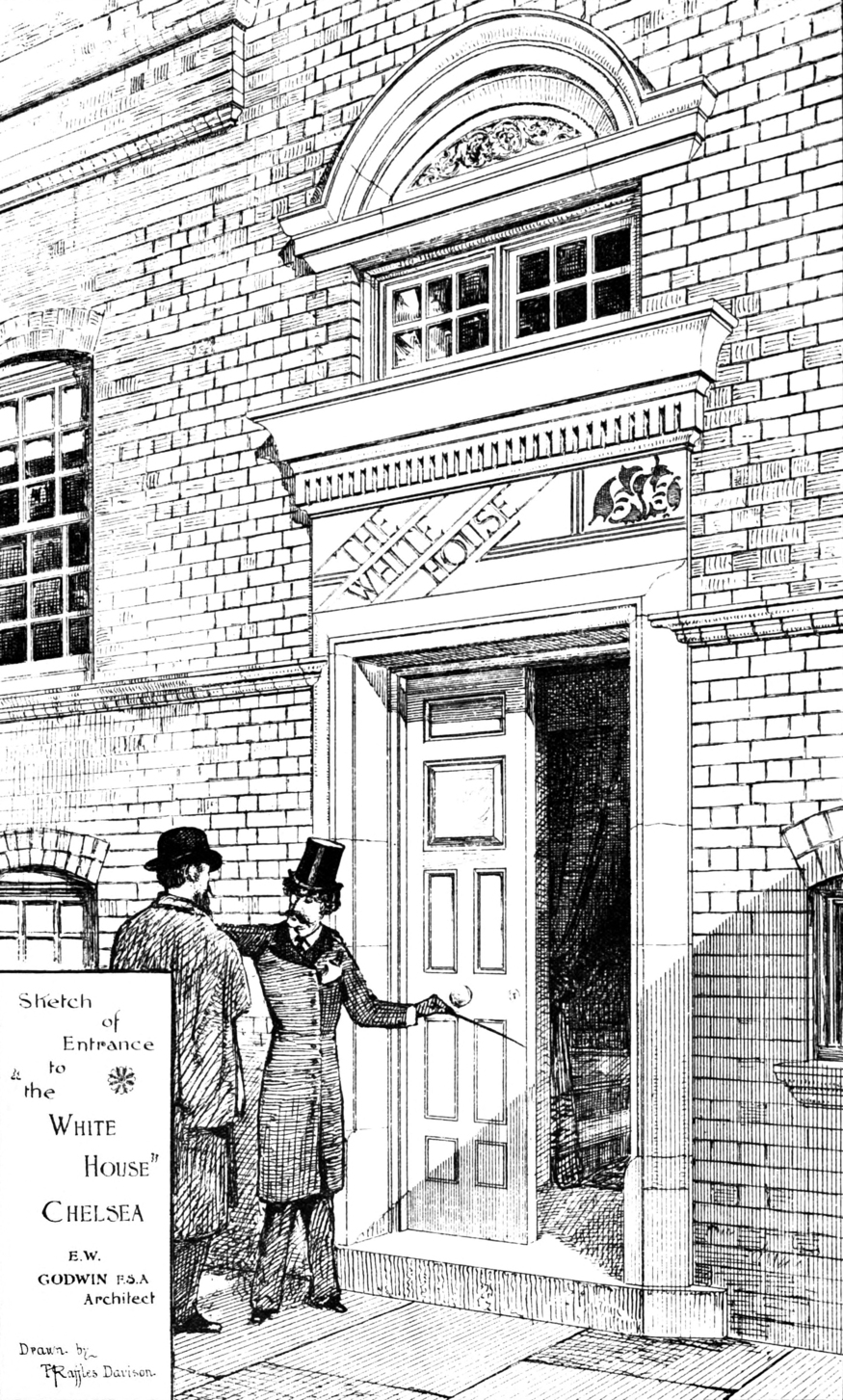
No one did interfere and things only got worse in the 20th century for the White House. The building had been listed in the 1940s, remarkably early for a Victorian building, a recognition both of its architectural innovation and its association with Whistler. But in 1963 its new owner, Lord Glenconner (owner of the island of Mustique in the Caribbean, part of which he gave to Princess Margaret as a wedding gift), applied successfully to demolish the White House, on the grounds that it was structurally unsound. Before the building finally 'crumbled beneath the pick' one last time, the Glenconners held a 'Beatnik Party' at Christmas 1963 in aid of charity in the White House. The beatniks were given 'very loose rein. One room was set aside for the painting of murals with the necessary pencils and paints. By the early hours even the ceiling had murals'. The house came down soon after.
Its replacement went the same way only 25 years later and today the site is occupied by a grand if unremarkable neo-Georgian mansion with not a whiff of bohemianism about it.
There is a final irony in this tale of thwarted genius. Whistler is now a great star in the art historical firmament, his name as widely recognised as almost any 19th century artist, yet his beautiful house was ruined by a philistine and reduced to rubble 60 years ago. Who now except keen Victorians remembers Luke Fildes? Yet his fine studio-house, worth tens of millions, is now home to rock superstar Robbie Williams, who has spent years digging a basement with a swimming pool beneath the house. You might say it's almost on the scale of a ballroom...
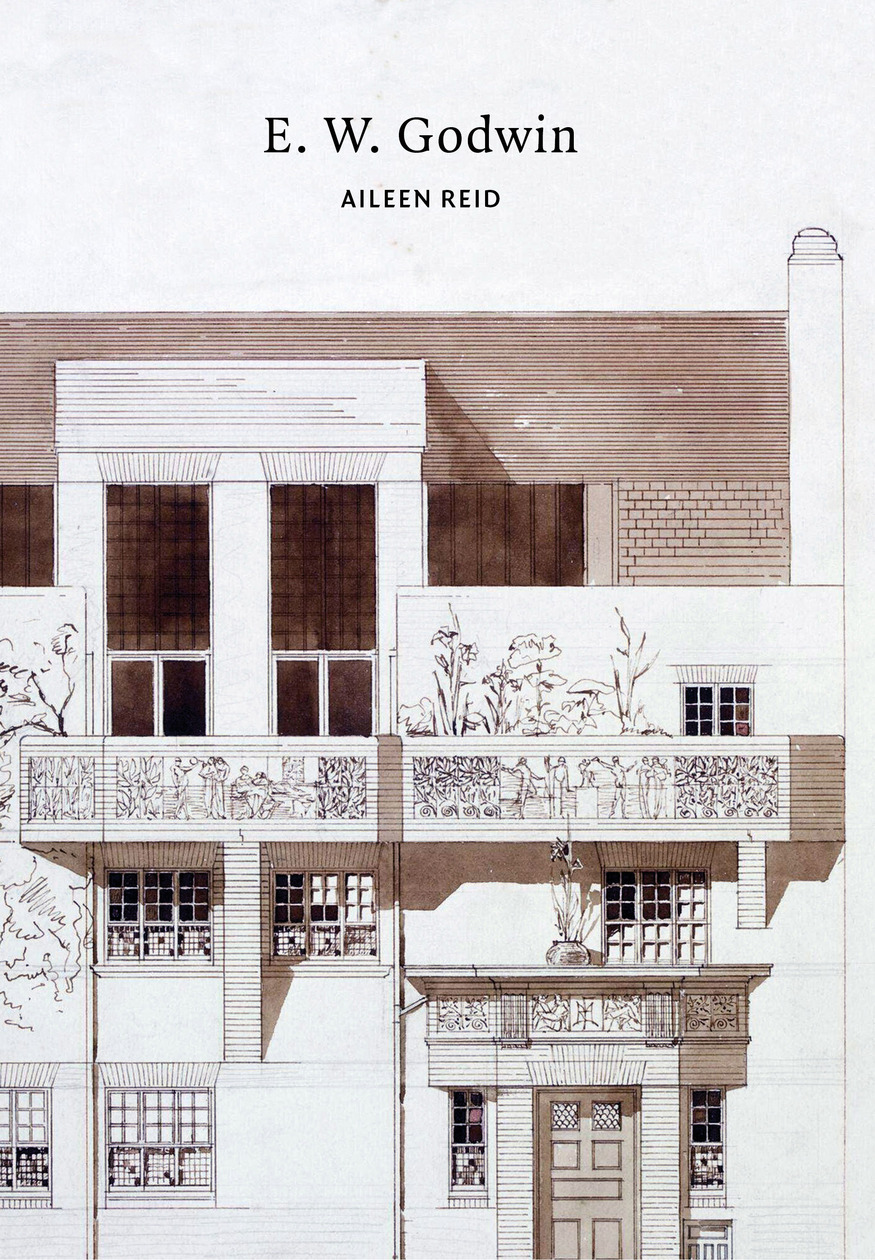
E.W. Godwin by Aileen Reid, published by Liverpool University Press/Historic England/The Victorian Society.