Looking to volunteer in London but don't know where to start? Here's a selection of opportunities to help you do good and feel good, whatever your interests or skillset.
For loads more top tips on living your best London life (but without breaking the bank) subscribe to Londonist: Keys to the City.

When I first came to London for uni, I was convinced I was completely unemployable. Anxious, overthinking past-me concluded the only way to build experience and feel like a functional adult was… to volunteer literally everywhere. And honestly, it turned out to be one of the best decisions I ever made.
Through all that volunteering — some good, some chaotic, some hilariously disorganised — I discovered that volunteering isn’t just about padding a CV. It’s about learning skills, meeting people, and finding little pockets of joy in the city. Now, even as a grown-up with a full-time-ish job, I still volunteer regularly. My main haunts are my local pottery studio and my community centre, both of which I’ve been at long enough to feel like part of the furniture. But for anyone with a do-gooder heart, volunteering doesn’t have to mean stress, drama, or terrible organisation.
Over the years, I’ve gathered what is actually quite a long list of spots — most I’ve tried myself, some recommended by friends and colleagues — that are truly good vibes. Places where you can help out, feel useful, and actually enjoy yourself. No disorganisation, no shouting, no tears on the Tube afterwards — but actual fun, meaningful, hands-on ways to give back in London.
It goes without saying that the first place you should check out is your local community centre! I am incredibly pro-community centre, as you might know about me if you’re a regular reader. They likely have in-house opportunities you can take them up on — and if not, they’ll also likely have strong links with whatever volunteer action is going on in your borough and be able to put you in touch with people and organisations that interest you! But that aside: here are some other spots that are great to bring your time and energy to.
If you wanna support vulnerable people
(Bear in mind you will likely need a DBS).
This one’s for anyone who wants to give their time to people who might need a bit more support. Think mentoring, practical help, or just being a friendly presence — it can be really rewarding, but it can also be a little on the draining side, so it’s important to stay plugged into the community and make best use of the support available to you in these roles.
Ministry of Stories

I volunteered with the Ministry of Stories for about four years back in uni, and honestly, it was an absolute blast. I really recommend volunteering there on your birthday if you can — all the kids will think you’re so special, remember it forever, and it’s a super easy way to break the ice if, like me, you’re not naturally a kid whisperer.
This place is just lovely; you’re helping kids (aged eight to 18) write stories and build their creativity, which is like… so nice?? They also have a pretty organised online system for picking up shifts, and they have activity options depending on what kind of vibe you want:
- Writing mentor - help kids craft their own stories and get creative either in-house on a regular basis or in a school
- Monster shop volunteer – sell sweets that are for and made of monster parts (yes, really)
If you do the latter, you’ll need a flair for the dramatic — it’s full-on theatre.
The Literacy Pirates

The Literacy Pirates are doing similar good stuff to Ministry of Stories, but with a slightly different flavour. It’s still creative, still warm, still kid-focused — but there’s a bit more emphasis on the nuts and bolts of literacy. Think grammar, structure, confidence with writing, that sort of thing.
They work with young people aged nine to 13, and you volunteer supporting small groups with reading and writing tasks. You do need to commit to a minimum of four shifts per term, so this isn’t a casual pop-in situation. But that consistency is kind of the point; the kids actually get to know you, and you get to see their confidence build over time, which is really lovely.
If you like the idea of helping kids feel smarter, braver, and more capable and you don’t mind the occasional apostrophe chat, this one is very good vibes.
Number Champions
If writing ain’t your thing, maybe numbers are? Number Champions is great for anyone who likes the idea of helping kids feel less scared of maths. They work with primary school children who are struggling a bit with numbers and confidence. They have a couple of main roles:
As an in-school volunteer, you meet with the same child once a week during the school day for about an hour and a half to help them get to grips with maths concepts. It’s not drill-sergeant times tables energy, it’s much more focused on the fun. It runs on a full school-year cycle, so you’re committing to seeing the same child across the year. Which sounds like a lot, but it’s actually the magic of it — you really see their confidence grow, and you become a stable, encouraging presence in their week.
If that feels like too much of a commitment, there’s also a mentor role (for current or prior primary school teachers mostly), which is a bit more flexible. Mentors support the in-school volunteers — offering advice, helping with training, occasionally sitting in, and developing resources. It’s less about working directly with a child every week and more about being the calm, capable maths fairy godparent behind the scenes.
This one’s ideal if you like structure, schools, and the idea of making numbers feel less intimidating. Watching a six-year-old go from ‘I hate maths’ to ‘wait… I get it?’ Is actual elite-tier volunteering joy.
Angel Shed
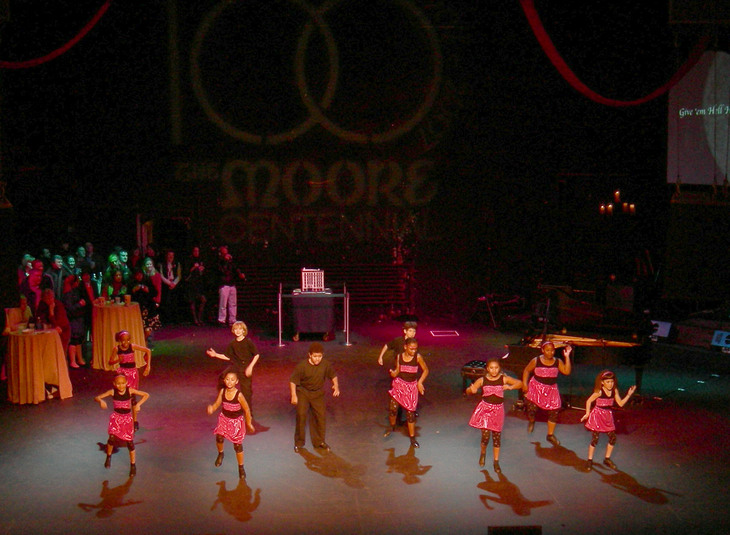
Angel Shed is pure theatre kid joy, and inclusive and wholesome.
You’re supporting weekly sessions (either with theatre or music!) where kids and young people get to act, sing, dance, and make up their own scenes — and you’re right there with them. Leading games, hyping them up, helping them build confidence, and occasionally committing fully to a movement exercise you prooobably did not expect to be doing when you woke up that morning.
It’s high-energy in a really lovely way. The vibe is supportive, creative, and at times, very silly. If you enjoy being on your feet and watching someone go from shy to centre stage over the course of a term, this one’s a total heart-warmer. And yes: there are end-of-term shows. So if you’ve got even a tiny dormant theatre kid inside you, consider this your sign.
Haringey Shed
Haringey Shed is another absolute gem if you like your volunteering with a side of stage lights and organised chaos.
They run inclusive performing arts programmes for children and young people, and volunteers get stuck into all sorts: leading songwriting and stage play activities, supporting weekly after-school sessions, helping out at events, joining the backstage team for shows, or even taking part in leading creative workshops in schools and the wider community.
It’s all hands on deck — one week you might be helping a small group warm up with drama games, the next you’re wrangling props backstage while someone prepares for their big moment. The vibe is energetic but supportive: lots of teamwork, lots of celebrating small wins, lots of watching kids grow braver in real time.
Heart ‘n’ Soul
Heart ‘n’ Soul is one of those organisations that feels so joyful from the inside out. They’re an arts organisation working with adults with learning disabilities and autistic people, and everything they do is rooted in creativity, visibility and celebration. It’s colourful, loud in places, and very community-led — and they encourage everyone that comes through to take up space and be fully themselves.
Their projects include a variety of activities for different cohorts — from their choir, their radio show, their drop-ins, or even the beautiful octopus club, which is their inclusive club night. As a volunteer, you’re part of that ecosystem. Whether you’re committing regularly to projects or helping out at events, it’s about supporting creativity and being part of a space that feels empowering and alive. If you like your volunteering with music, movement and the occasional dancefloor moment, this one’s a very good vibe indeed. Volunteers also get 15% off at their shop so you can secure yourself some pretty banging merch or mixtapes at a discount!
Spark the Noise

Spark the Noise is a cause so close to my heart that I somehow ended up as co-chair of the charity. So yes, I’m biased. But also, I’m so right. I’ve never been more right about anything. It’s a breathing, thriving community of female and non-binary musicians working together to empower young people to learn instruments, form bands, take up space on stage, and gently but firmly dismantle inequity in the music industry one band, one gig at a time. It’s about confidence and collaboration. If you’re at all familiar, it’s part of the Girls Rock! Camp Alliance.
A lot of the charity’s energy centres around summer camp — a massive, intense, magical week in August where loads of young people come together, often picking up an instrument for the first time. Over the course of the week they learn to play, to write songs, to work as a band, and to perform. And the stuff they come up with? Heartwarming and so great. You haven’t heard music until you’ve heard a fourteen year old reinvent the concept of what a song even is. It’s all chorus? It’s for me.
I’ve volunteered with many of the organisations on this list, but being part of Spark the Noise has changed my life in a way that’s hard to overstate. It’s community in the truest sense — loud, messy, joyful, transformative, care overflowing from the seams. If you care about music, representation, and young people learning to be bold, this one is very, very special.
Rosetta Arts
Rosetta Arts is a proper local arts hub, and volunteers are a big part of how everything runs, from workshops and exhibitions to classrooms and gardens. You could be helping with assisting artists during workshops, supporting teachers in creative learning sessions, getting stuck into the community garden, or lending a hand behind the scenes with admin. If you’ve got experience working with SEND students, that’s especially valued too as they have specific roles for it. It’s very hands-on and very community-facing — you’re not filing papers in a cupboard somewhere, you’re helping actual creative stuff happen.
They’ve got two routes in: regular volunteering (a consistent day every week or two, usually for at least three months) or micro-volunteering, which is more dip-in-dip-out. So whether you want something steady and long-term or just the odd day of useful pottering, there’s flexibility.
The Gate W5
The Gate is an arts centre for people with learning disabilities based in what feels like a giant apartment in Shepherd’s Bush — it has that slightly magical ‘why doesn’t every neighbourhood have one of these?’ energy. It started about 20 years ago supporting tenants from Yarrow Housing, but it’s grown into something much bigger — a creative base where people can show up, be themselves, and express that through art.
It is basically a full-on arts collective. There’s a regular timetable of creative activities, but it’s not rigid in a corporate way — it’s a space where you can make, collaborate, hang out, be a part of the radio show or a jam, or just drop tools and have a coffee and a chat when that’s what’s needed. The emphasis is on expression, freedom, and community rather than output or pressure. As a volunteer you can get involved by just being a part of the furniture, or by helping the attendees out with their own projects, or being a friendly face or part of a field trip!
Hackney Night Shelter
Hackney Night Shelter runs on volunteers, and you’re honestly right there in the thick of it. In the evenings, teams welcome guests in, cook and serve a hot meal, and help create a calm, friendly atmosphere. In the mornings, another group comes in to make breakfast and help people start the day on a steadier footing.
You’re never doing it alone — volunteers work in small groups, so it feels collaborative and not too overwhelming. The vibe is practical and people-focused. It’s about showing up consistently, being kind, and helping create a space that feels safe and respectful.
If you’re interested in volunteering around homelessness but want something structured and team-based rather than chaotic, this is a solid option. It’s direct, meaningful, and very much about small acts — a meal, a chat, a warm welcome — adding up to something bigger.
If you wanna work with your hands

Sometimes the best way to feel useful is to actually do something. Whether that’s fixing, building, making, or getting your hands dirty, these spots let you leave with a sense of accomplishment — plus maybe a bit of dirt under your nails or a bike that actually works.
Restart Project Nunhead
The Repair Café in Nunhead is one of those totally brilliant, hyper-local things that makes you feel better about the world. It runs on the last Saturday of every month at the green community centre in Nunhead, right opposite the Old Nun’s Head pub. You bring something broken, they help you fix it. And you can be one of the people who fixes things.
The volunteer fixers cover all sorts — small electricals, computers, textiles and clothes, toys, bits of woodworking, general household stuff — basically anything you can carry in yourself. It’s first come, first serve, and you’re encouraged to stay with the fixer while they work, learn what’s happening, and even have a go, so volunteers also get to do a little bit of teaching. True anti-landfill energy.
Volunteering here is perfect if you’re good at fixing something specific and want to put that to use. You share tools, share knowledge, drink tea, and help someone keep a beloved object going a bit longer. The true anti-climate doom mood.
Fixing Factory
Fixing Factory is like the slightly more scaled-up cousin of your local repair cafe, running community repair events across several north east London boroughs. You can volunteer as a fixer (whether you’re just starting out or already pretty proficient), help host community repair events, or get involved behind the scenes managing their eBay shop where refurbished items get a second life instead of heading to landfill.
What’s especially appealing here is the upskilling. If you want to become a fixer properly, you can apply for courses in-house, including a more in-depth training route for long-term volunteers. It’s very much about learning by doing, building confidence with tools, and gradually levelling up.
Volunteering here doesn’t just mean helping someone mend a toaster once; it can actually turn into a skillset.* you show up to help, and end up leaving knowing how to diagnose problems and actually fix them. Practical and sustainable? Get yourself there TBH.
*and once you have that skillset, you can consider asking your local Library of Things if they’ll have you as a technician!
Cycletastic community bike shed

Cycletastic is a volunteer-led project that’s been running since 2010, originally set up in Kilburn to help get more people confidently cycling. They recycle pre-loved bikes back into the community and offer repair support and riding training.
The shed opens on the first and last Saturday afternoons in the warmer months, and it’s very much a drop-in, fix-it-together space. You can use their tools and parts, get help from skilled volunteers, learn basic mechanics, or join free learn-to-fix and learn-to-cycle sessions (especially aimed at adults). It’s all about keeping bikes roadworthy and helping people become more self-sufficient. If you like using your hands or are already someone who knows about bike repair, this is a great way to make use of that.
Kiln Rooms
Kiln Rooms volunteer exchange is one of those mythical London opportunities: very oversubscribed, long long waitlist (if they contact you just say yes and figure out how you’ll get it sorted later), but if you’re a ceramicist it’s kind of gold dust. They offer 18–20 early-career ceramicists free studio membership at their Peckham Levels space in exchange for around seven hours a week of hands-on support alongside a technician.
They properly train you: how to manage a studio, mix glazes, pack and service kilns, troubleshoot the chaos that can erupt in a ceramics workspace. You get 1-to-1 support, access to demos from teachers, occasional paid work, and the chance to sell in their shows. Firings (within reason) are free, glazes are free, you get storage. The real appeal is that you’ll finish your term there understanding how a ceramics studio actually runs, so it’s skill-building in a very real way — less romantic pottery dream, more learning the systems that make the dream sustainable. Competitive, yes. But if you’re serious about ceramics, it’s a serious opportunity.
Dalston Clay

If you’re curious about ceramics but balking at the £250+ price tag of a course, Dalston Clay has your back. They run a work exchange that’s a bit more low-key than Kiln Rooms, but still popular enough that you have to keep an eye out for shifts, because they tend to get snapped up months in advance — so when you’re in, be vigilant. The idea is simple and fair: you assist in the studio for three 3-hour sessions, and in return you get three 3-hour drop-in sessions to use whenever suits you, 9am-9pm, seven days a week. Not bad, given how expensive ceramics can be as a hobby.
No prior ceramics experience is needed, which is part of the appeal. During your exchange sessions you’ll help with the real, behind-the-scenes stuff — glazing, loading and unloading kilns, tidying, cleaning, organising shelves, maintaining equipment — all guided by the studio manager. The exchange programme keeps their prices affordable, opens the space up to people who might not otherwise access it, and gives you studio time in exchange for graft. Practical, communal, and a solid entry point if you want ceramics access without the full membership cost.
If you wanna work outside
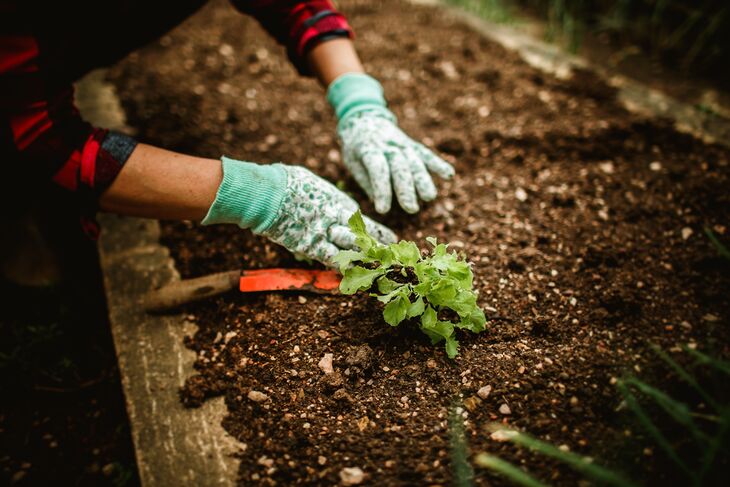
Sun on your face, dirt on your hands, fresh air in your lungs; volunteering outside is a great way to feel useful and energised. Whether you’re planting, maintaining green spaces, or helping out in a park, these spots let you give back while actually enjoying being outside.
City farms
London’s city farms are some of the sweetest, most grounding places to volunteer. There are literally tons of them — from Hackney City Farm, Mudchute Park and Farm, Spitalfields City Farm and Kentish Town City Farm to Freightliners. They’re tucked between estates and high streets, but inside there’s greenery to be maintained, animals to be mucked out and cared for, and a really welcoming community.

Volunteering usually means getting stuck in with the hands-on stuff: feeding animals, mucking out, gardening, composting, helping with family events or school visits. It’s the kind of physical work that leaves you pleasantly tired but calmer and more connected to nature. The vibe is always relaxed and intergenerational; you’ll meet locals, students, and other people who just needed a break from screens and city chaos and just wanna vibe out and make intense eye contact with some ducks.
What makes city farms especially good vibes is that they’re actually part of the neighbourhood. You’re not helping an abstract cause; you’re contributing to a shared space where kids learn about food, adults can escape for a bit, and everyone gets to feel useful and connected.
Bee Urban

Bee Urban is perfect if you like learning new things, and hanging with friendly humans — and of course, being around bees. You can head to the hive any Thursday or Friday afternoon and just see what’s happening; no pressure to commit to anything.
There are literally tons of activities going on here — gardening, hive maintenance, making frames, hand dipping candles, equipment care, making soaps and balms, harvesting honey. I feel like you could literally learn to prep for the apocalypse here. So whether you want to get your hands dirty, learn a craft, or just sip tea and chat while buzzing around the apiary, there’s something for everyone.
Your local green
If you wanna be outside and literally get your hands dirty, volunteering in community gardens and parks across London is one of the most rewarding things you can do. It’s slow, tactile, a little bit sweaty, and super grounding — all the good kind of physical work mixed with lots of fresh air and actual living plants.
Places like Bankside Open Spaces are tucked into little pockets between the South Bank streets, and you end up looking after beds of pollinator‑friendly plants, weeding paths, planting flowers, and chatting to the crew about everything from compost to life hacks. It’s super wholesome and calm.
In Islington and Clerkenwell, Culpeper Community Garden is this classic neighbours‑tending‑a‑garden energy: fruit trees, veg beds, and a crew of volunteers who basically keep it thriving. There’s always some planting or pruning to do, and a really warm, friendly rhythm to it: people showing up with coffee, swapping gardening tips, and feeling proud of what they’ve grown together. This spot is super easy breezy — you can literally just show up for an open session whenever you can muster it, no need for a lasting commitment (although if you get regular you might get a key to the tea hut!)
You’ve also got spots like Brockwell Community Gardens (where the volunteers literally make their own jams), Edible Landscapes, and Dalston Curve Garden, which all share that same neighbourhood‑grown vibe. Whether you’re trimming herbs, sowing seeds, leading a workshop, or just watering beds on a sunny morning, it’s the kind of volunteering that feels like an actual contribution to your corner of the city. You get to see things grow, watch the seasons shift, and have some real moments of pride when something you helped plant actually flowers.
Then there are the bigger green spaces: Royal Parks, where you can get involved either by tending the grounds or by helping out with enrichment and teaching attendees about biodiversity. There are also opportunities across the London Wildlife Trusts covering similar grounds.
There are also teams like Heath Hands. These feel more wide‑open and run light to heavy conservation work. You might be in heather fields, coppicing, planting saplings, or doing seasonal habitat work on a section of heathland. It’s a mix of serious outdoors‑work and friendly chats with people who are just there because they love being outside.
What links all of these is that the vibe is calm, collaborative, and satisfying. Mostly you show up, get stuck in, and leave with dirt under your nails, a smile on your face, and a real sense of having helped a bit of London stay alive. It’s the anti‑bureaucratic way to give back, and honestly one of the best ways to feel like you’re part of the city in a grounded, tangible way.
If you wanna work with food
If you love good vibes and good food, these volunteering spots are for you. Cook, deliver, sort, or share surplus food. You’ll be helping people eat, reducing waste, and likely getting a few tasty perks along the way.
The Felix Project
If you’re interested in food systems, mutual aid, or if food waste just grinds your fucking gears, volunteering with the Felix Project is one of the most hands-on ways to help out. Their whole thing is building a city where no one goes hungry, and volunteering there, you’re right in the middle of making that happen.
There are loads of ways in. You could be in the kitchen turning surplus ingredients into ready meals that go straight out to food banks and community projects. You might be doing mass processing — think big batches of chopping, cooking, canning, jamming — or supporting the bakery team. You can help in the warehouse sorting and organising crates of fresh produce, drive deliveries across the city, or even be part of the teams rescuing surplus food directly from suppliers. A lot of what they redistribute is high-quality, nutritious food that would otherwise go to waste.
Volunteering with Felix is honestly really interesting. You see the scale of food waste up close, but you also see the scale of impact: hundreds of charities, schools and community groups receiving food that same day. If you’re curious about how food redistribution actually works, or you want to understand the logistics behind running a large-scale food project, this is a brilliant place to learn about it. Not to mention it’s practical and immediate.
City Harvest
Quite similarly to the Felix Project, City Harvest is all about moving food fast, and volunteering here is exactly that kind of hands-on, satisfying chaos. Most volunteering is warehouse- or driving-based. You might be sorting crates of fresh produce, packing boxes, loading vans, or helping plan delivery routes. It’s very physical work, fast-moving, heavy lifting, and oddly addictive.
Shifts are flexible, so you can drop in when you’ve got time, and you end up feeling like part of a city-wide machine. If you like volunteering where you can see the results right away, this one hits that sweet spot: hands in food, heart in the city, and miles of good karma delivered along with it.
Peckham Pantry
Peckham Pantry is a membership food club that supports people on low incomes across Southwark. Families, households, whoever needs a hand — it’s self-referral mostly, so people can decide when they start and stop engaging with the service. It’s run by Pecan, a local community development charity, and it’s one of my favourite spots from my many volunteer stints.
The pantry model gives people choice, which is huge. Rather than just taking what’s given, members pick the food they want and need. You can help out on the ground, support the membership scheme and help behind the desk, or get involved in setting up and running the shop. Volunteering here is all about helping in a way that respects people’s dignity, reduces food insecurity, and builds a bit of community along the way. It’s hands-on, grounding, and you leave feeling like you actually helped someone keep a bit of agency in a tough situation.
Made in Hackney
Made in Hackney is a tiny workshop tucked into the green in Clapton, and it’s got a proper state-of-the-art teaching kitchen where all kinds of cuisine classes happen. As a volunteer, you mostly help with the practical side of things: setting up before classes, packing away afterwards, cleaning, and assisting the teacher during sessions — but the learning side is huge. You pick up loads about healthy, sustainable vegan cooking, seasonal ingredients, and clever ways to cook for groups. Usually you get to eat with the class and take some home too, which is obviously a very solid bonus.
There’s a bunch of other ways to get involved beyond the kitchen: you can help run foraging walks, represent the charity at pop-up events and fairs, support cycle deliveries, or join a batch cooking session where you cook big quantities of vegan meals to go out into the community. Classes take place in a few different locations, so you can see a bit of London while volunteering, and the vibe is super friendly and collaborative. It’s a mix of practical work, skill-building, and just generally being part of a project that’s making plant-based food accessible, fun, and sustainable. They also have cookout socials every so often, which are pretty delicious to boot!
If you wanna work in a social justice space
For anyone who wants to combine doing good with a bit of politics — think grassroots organising, social justice projects, and community spaces that actually care about people and values over profit. These spots are usually low-drama (which is tricky in this subsect of volunteering!), high-impact, and full of folks who are as earnest as they are welcoming.
Dalston Solidarity Café
Dalston Solidarity Café usually happens on the second Saturday of every month, and the volunteering starts before the doors open. The event runs on rescued food: stuff that would otherwise get thrown away, so you can get started wherever you like with it. You might help collect donations from shops, apps like Olio, or the occasional playful dumpster dive, then spend the morning chopping, roasting, and cooking alongside the team. It’s hands-on, full of chatter, and you pick up a few recipes along the way.
During the café event itself, once it opens, you can help welcome people, keep tables stocked, or just make the space feel inviting. Closing is a team effort too: cleaning, packing up leftovers to give away, and resetting the space. It’s busy and super immersive — you leave feeling like you helped make a little community happen, all around rescued food and good vibes.
Your local community bookstore

Book shops feel like little worlds unto themselves, and London has some brilliant options, each with their own flavour (and that flavour is quite often a bit anarchist).
House of Hodge is this cosy, slightly ramshackle nook in Finsbury Park that’s packed with general secondhand treasures. It’s the kind of place where you can spend an hour just wandering and still feel like you’ve uncovered something special.
Freedom Press is the classic anarchist spot, small and full of radical political history, zines, pamphlets, and the kind of books that make you want to start a debate.
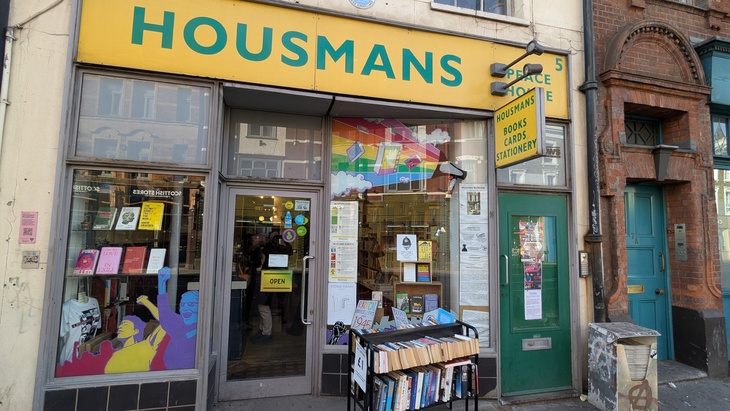
Housman’s is similar, maybe more iconic in its literary seriousness, with walls stacked high with discourse, essays, and a very particular old-school charm. If you want something a bit bigger and less niche, Oxfam Books and Music has a steady stream of donations, a more organised setup, and a real sense of helping keep good books in circulation while supporting charity.
Volunteering in these spots is usually a mix of shelving, sorting donations, helping customers, and just hanging out surrounded by books. It’s quiet and grounding, and you get to feel like part of a community of readers and collectors, all while discovering weird gems and supporting causes you care about.
56a Infoshop

56a Infoshop is part Bikespace, part food co-op, and part learning hub. The Bikespace is where a lot of the magic happens — you can help visitors find the right tools, give advice, and assist people fixing up their shonky bikes. You don’t need to be an expert, just patient, enthusiastic, and ready to get your hands dirty. It’s also a real community: equality among volunteers is central, so you get to teach, learn, and laugh together while helping people gain confidence in bike mechanics. If it suits you, they also have the most detailed board of up to date squatting locations you can find and tons and tons of anarchist literature lining the shelves.
The food co-op side is another way to get involved. Beyond shopping, there are tons of ways to pitch in: unpacking deliveries, stocking shelves, helping with orders, or even supporting admin, social media, and volunteer training. Shifts run at different times throughout the week. Volunteering at 56a is hands-on, social, and empowering — a perfect mix of practical skills, community energy, and doing things for yourself rather than paying someone else to do them.
Lambeth Mutual Aid
Lambeth Mutual Aid grew out of the Covid moment and stuck around because the people involved really believe in solidarity and community organising. They’re not a charity and no one’s paid (though they do have a solidarity fund) — it’s a small collective in Lambeth bringing their own time and energy because they believe in building support networks that are horizontal.
Full disclosure: I haven’t been, but one of the organisers is my DIY scene pal/colleague — we’ve played together loads — and he’s someone who truly lives his politics. So I trust it’s sound.
They meet regularly in Brixton, make decisions collectively, and respond to requests for support each week, often signposting to other groups or offering help directly if they can. If you want to get involved, there’s solidarity Sunday, their free cafe on the second Sunday of the month at Platform Cafe in SW9, plus organising meetings, learning projects, language exchanges and more. They tend to receive mutual aid requests each week that they tackle on an as needed basis, so the action you do will be pretty variable!
Cafe Oto
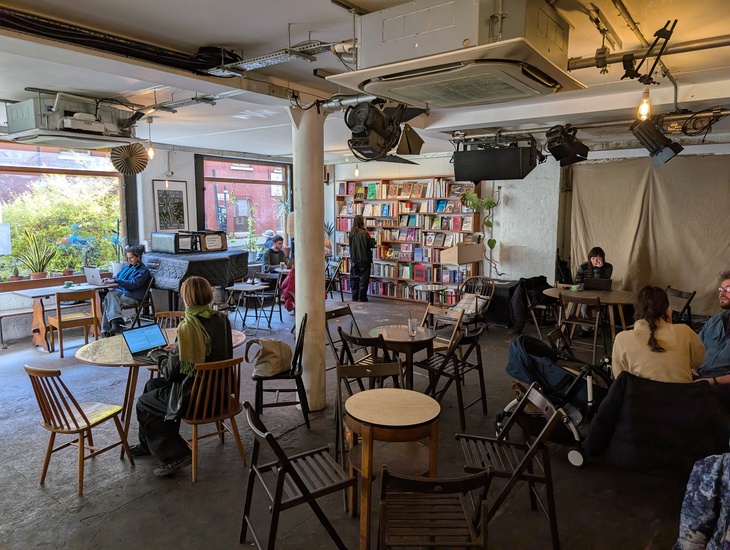
Oto is one of those places that loudly shapes London’s experimental scene. It’s not explicitly political in a banner-waving way, but the programming leans radical: free jazz, noise, avant-garde electronics, improvised sets that feel like they’re being invented in real time. If you like your culture slightly left of centre, this is home turf.
Volunteering here usually means working on the door or behind the bar. You’re checking tickets, pouring drinks, helping the night run smoothly — and in return you get to catch some wild sets. The vibe is low-key, respectful, and a bit nerdy. You leave with ringing ears (wear earplugs folks!), a new favourite artist, and the feeling you helped make something special happen.
Volunteering in London is honestly such a good time, and I’ve done it at loads of different places over the years. It’s a great way to learn stuff, meet people, and feel like you’re actually part of your city. There’s no perfect way to do it; just pick somewhere that sparks your interest and get stuck in, you’ll probably have more fun than you expect, not to mention you get to give back to the city and help keep the pockets you care about keep going.