Art Review: Renaissance to Goya @ British Museum

Room 90, hidden away in the top floors of the British Museum, is dedicated to showcasing the vast collections of drawing and prints held by the museum. Previously it was home to Picasso’s Vollard Suite which met with much critical acclaim.

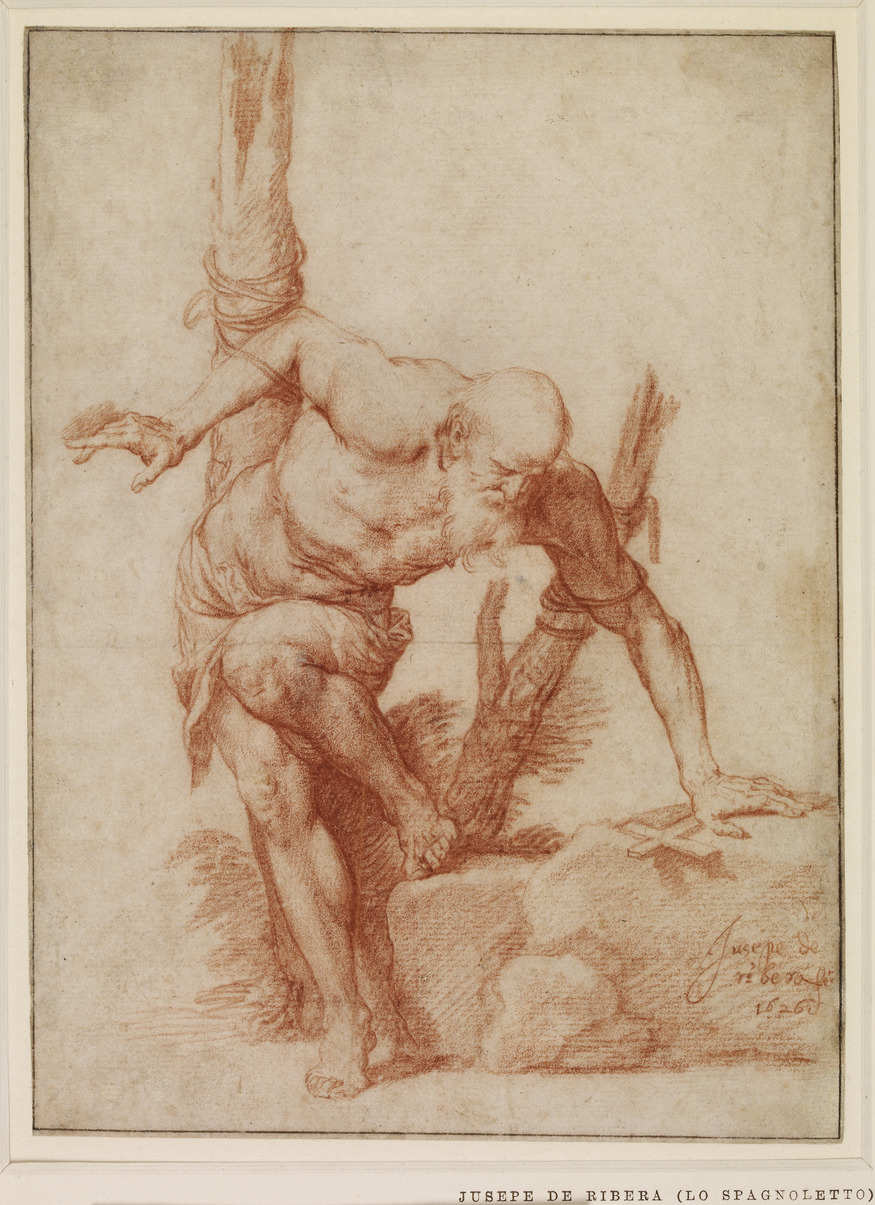
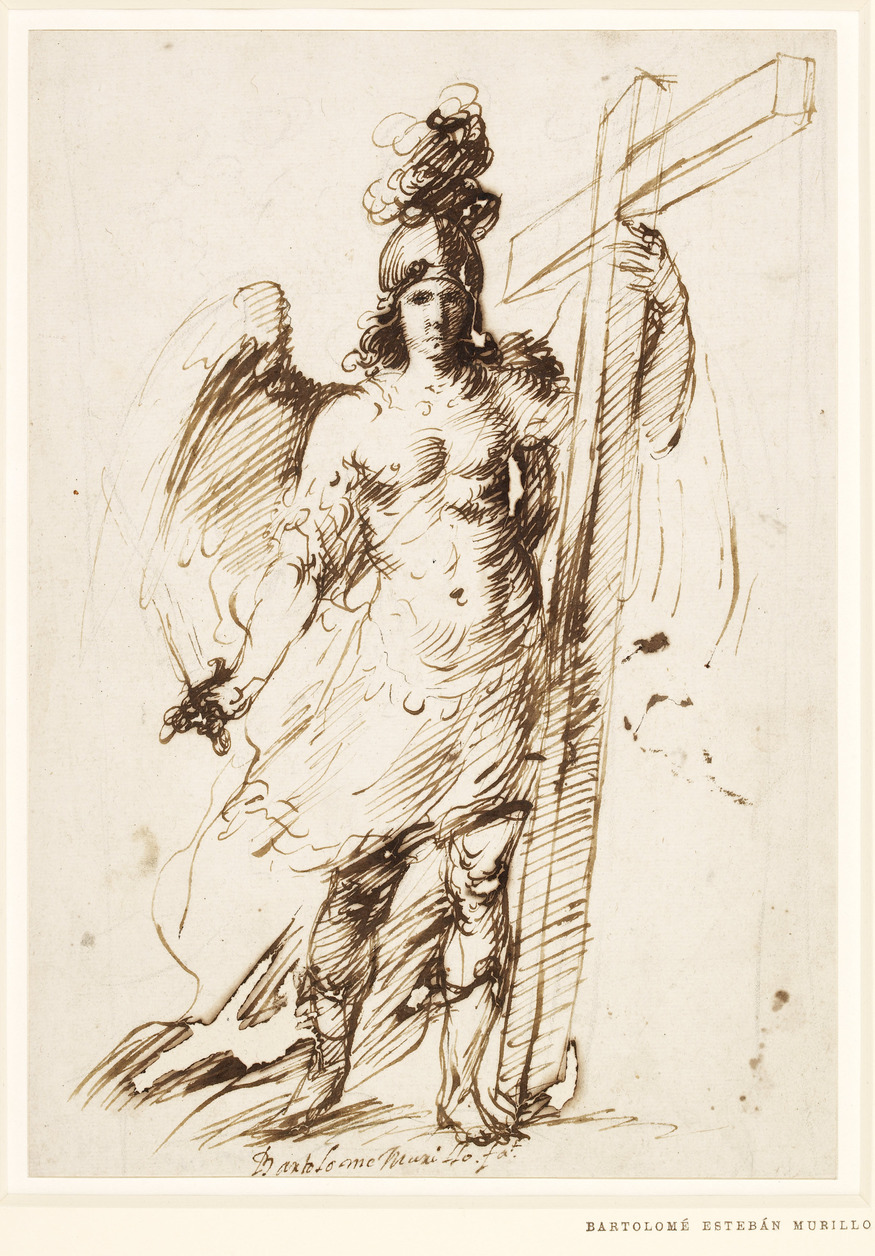
The latest exhibition attempts to debunk the myth that the Spanish Golden Age in arts was only about painting. The museum has assembled a vast collection of works that include preparatory drawings for paintings and architecture, but also several impressive pieces that stand alone.

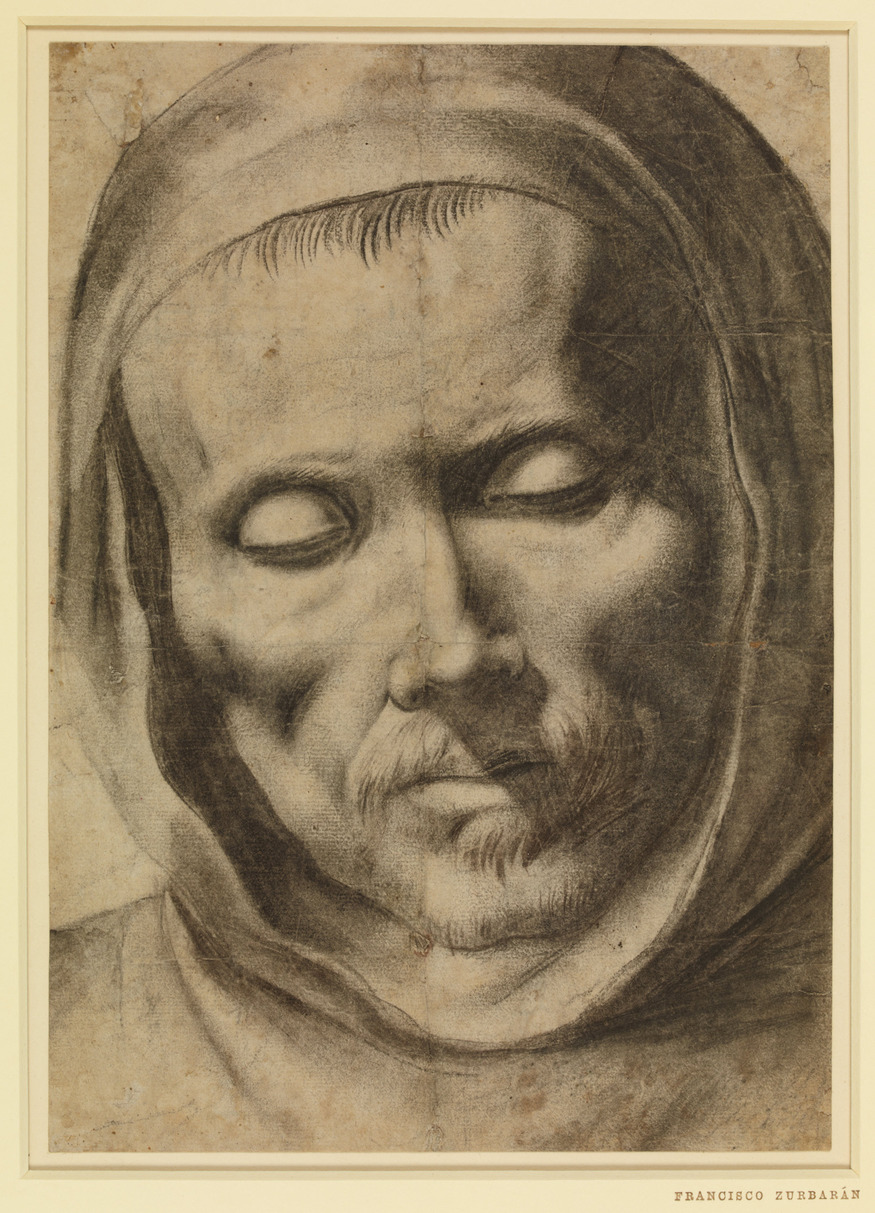
As well as featuring relatively well known works by Velazquez and de Zurbaran’s meditative monk, there are also several less familiar yet accomplished artists on display such as Zuccaro with his rapid and emotive style.

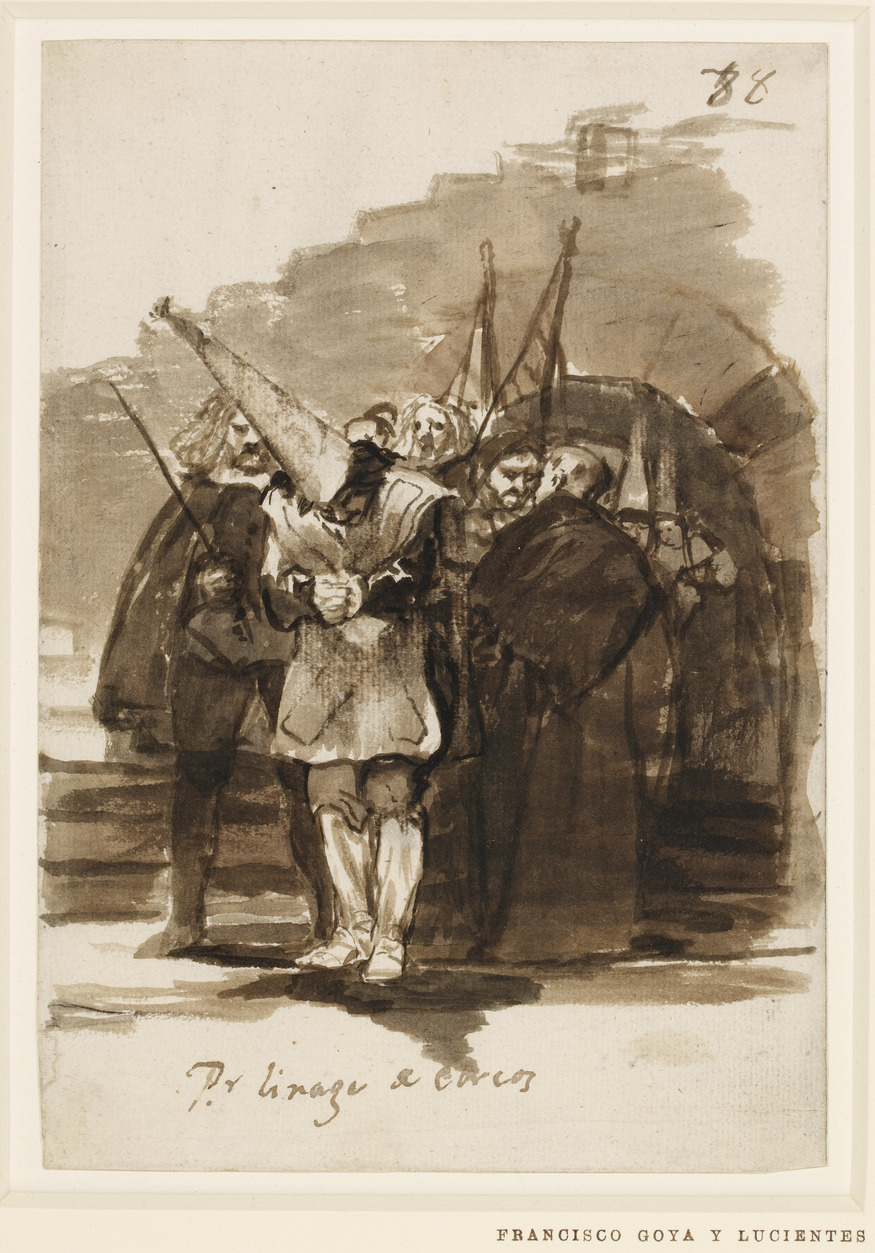
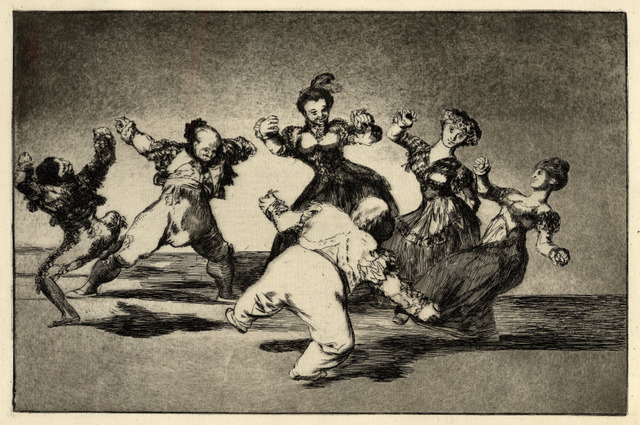
Despite the wide variety of artists, Goya’s works are the standouts of this exhibition. His creepy caricatures populating macabre scenes are just as intense as his paintings. Though they will never match the scale of his greater works such as Saturn Devouring His Son, they are miniature windows into his various dark realities.

The exhibition is an impressive collection of talented artists but it’s the spectacular Goyas that are the must see items of this show.

Renaissance to Goya: Prints made in Spain is on at the British Museum until 6 January. Admission is free.
  • gwarseneau

    September 23, 2012

    Re: “Si Marina bayló, tome lo que halló (If Marion will dance, then she has to take the consequences) / Los Proverbios – Description Plate 12: Figures dancing in a circle: a
    group of six ornately dressed dancing figures; from an unbound album of
    fifth edition impressions, 1904. c.1816-23 Etching, burnished aquatint and drypoint, printed on paper with watermark ‘Morato’”
    [The above description is an excerpt from the British Museum's collection website.]

    Dear Tabish Khan:

    The so-called “fifth edition impressions, 1904″ means that some of “the spectacular Goyas that are the must see items of this show” have -never- been seen by a dead Francisco de Goya y Lucientes [d 1828] that some are so eager, with or without intent, to give him credit for.

    Rhetorically, the dead don’t etch, much less sign and number an edition.

    Since 1863 the Royal Academy and others have reworked and altered Goya’s original plates skewing his true vision resulting in posthumous forgeries. They have no shame.

    To learn more about these contentious issues of authenticity surrounding the 19th, 20th and 21st-century skewing of Francisco de Goya y Lucientes true legacy, Google this scholar’s name and Goya.

    Caveat Emptor!

    Gary Arseneau
    artist, creator of original lithographs & scholar
    Fernandina Beach, Florida